Integrated Pulmonary Severity Score (IPSS) for COPD: A Psycho-Respiratory Risk Index Supported by Explainable Machine Learning
Iulian-Laurențiu Buican, Alina-Catalina Buican-Chirea, Dumitru Radulescu, Ion Udristoiu, Victor Gheorman, Dragos-Mihai Cojocaru, Costin-Teodor Streba

TL;DR
A new score called IPSS combines lung function, symptoms, and mental health to better assess COPD severity, using machine learning to identify a group with combined respiratory and psychological issues.
Contribution
The IPSS integrates respiratory and psychological factors into a single severity score for COPD, supported by explainable machine learning.
Findings
IPSS identified a psycho-respiratory COPD phenotype with lower lung function and higher symptom and anxiety scores.
Machine learning models achieved high accuracy (0.89) and AUC (0.95) in identifying the psycho-respiratory phenotype.
IPSS values were stratified into four severity levels, reflecting combined respiratory and affective burden.
Abstract
Background/Objectives: In chronic obstructive pulmonary disease (COPD), forced expiratory volume in one second (FEV1) explains only part of the variability in symptoms and prognosis, while anxiety and depression are common but rarely quantified in composite indices. We aimed to develop and internally validate an Integrated Pulmonary Severity Score (IPSS) that combines respiratory function, symptom burden and affective status. Methods: In a prospective observational study, 390 adults with spirometry-confirmed COPD were consecutively enrolled at two tertiary Romanian centres (October 2022–September 2024). Within 48 h of admission, patients underwent spirometry (FEV1% predicted), dyspnoea grading (mMRC), symptom assessment (CAT), affective evaluation (HADS-Anxiety/Depression) and cognitive screening (MoCA, MMSE). A PulmoScore was built from CAT, mMRC and ventilatory deficit (100 − FEV1%)…
Genes, proteins, chemicals, diseases, species, mutations and cell lines named across the full text — each resolved to its canonical identifier and authoritative record.
Click any figure to enlarge with its caption.
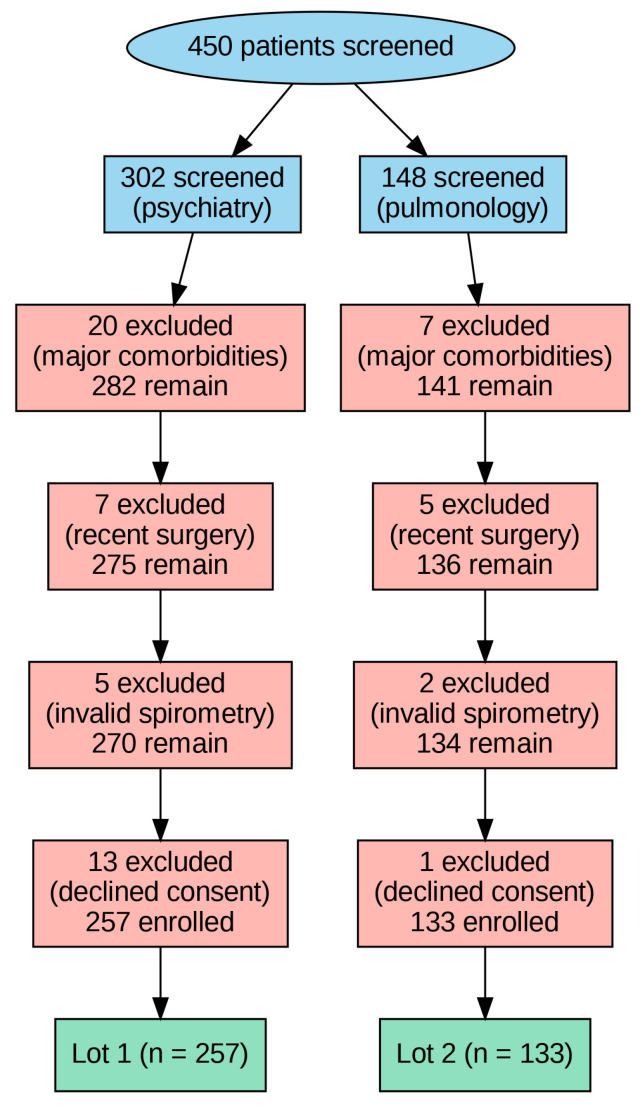 Figure 1
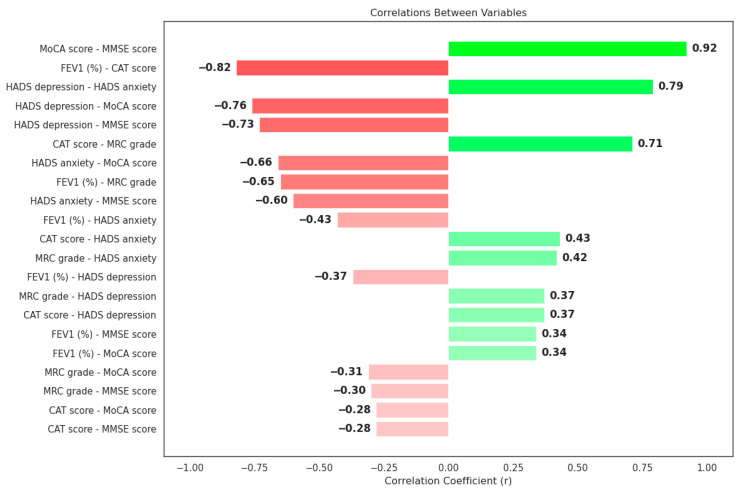 Figure 2
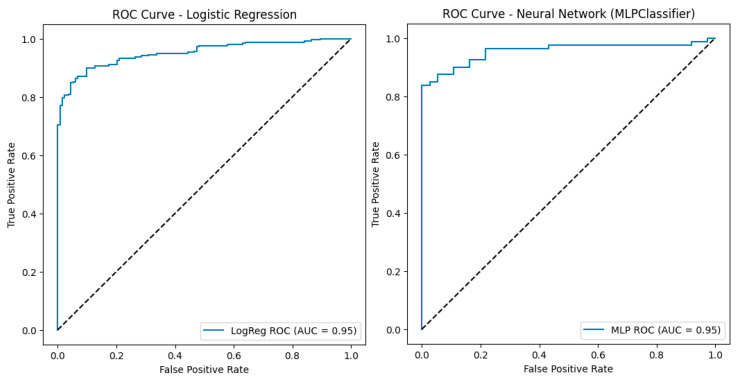 Figure 3
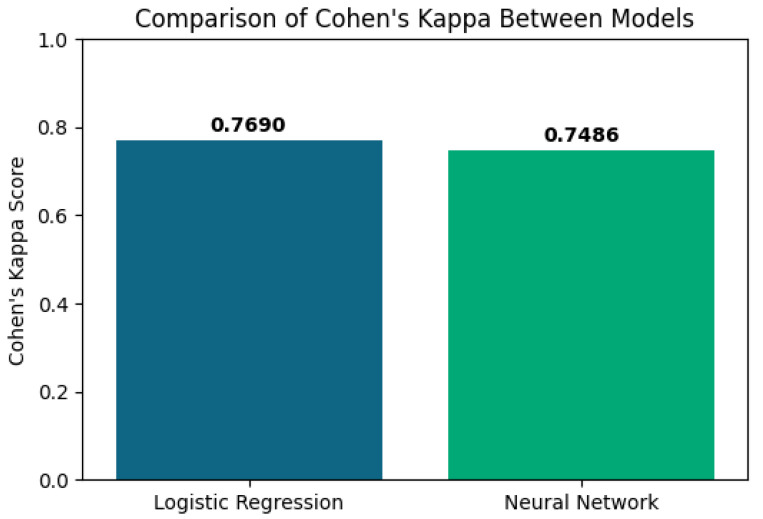 Figure 4
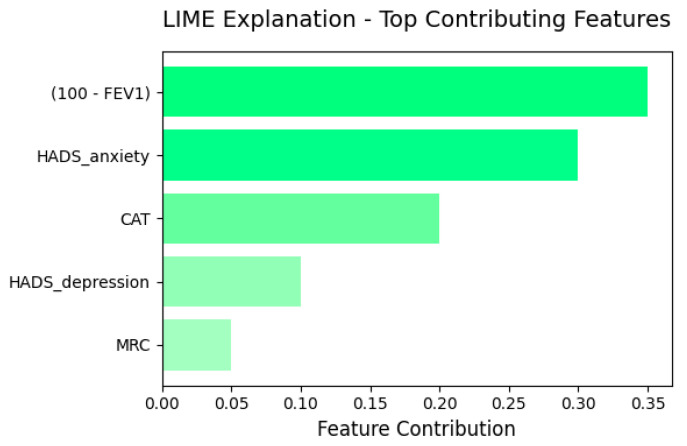 Figure 5
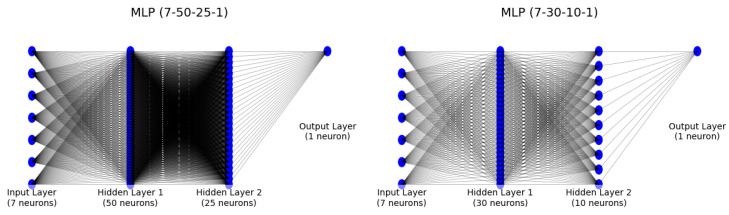 Figure 6
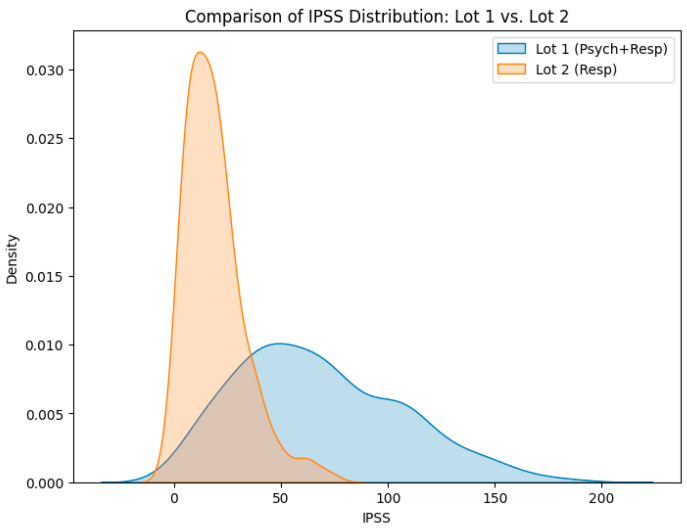 Figure 7
Peer Reviews
No public reviews on file for this paper yet. If you reviewed it on a platform where reviews are public (OpenReview, ICLR, NeurIPS, ICML), you can paste yours below so the community can read it here.
Videos
No videos yet. Explain this paper in a talk, walkthrough, or lecture? Add one.
Taxonomy
TopicsChronic Obstructive Pulmonary Disease (COPD) Research · Respiratory and Cough-Related Research · Delphi Technique in Research