Entropy Bathtub for Living Systems: A Markovian Perspective
Krzysztof W. Fornalski

TL;DR
This paper explores how entropy changes over the life cycle of living systems using a physics-based model.
Contribution
The paper introduces the 'entropy bathtub' concept to describe entropy dynamics in living systems.
Findings
Entropy decreases during growth, stabilizes at maturity, and increases during aging.
The model shows continuous entropy production consistent with thermodynamic principles.
Perturbations in driving forces mimic biological stressors and pathological processes.
Abstract
A living organism can be regarded as a dissipative, self-organizing physical system operating far from thermodynamic equilibrium. Such systems can be effectively described within the framework of Markov jump processes subjected to an external driving force that sustains the system away from equilibrium—leading, in the special case of stabilization, to a non-equilibrium steady state (NESS). By combining the Markov formalism with concepts from stochastic thermodynamics, we demonstrate the temporal evolution of entropy in such systems: entropy decreases during growth and development, stabilizes at maturity under NESS conditions, and subsequently increases during aging, death, and decomposition. This characteristic trajectory, which we term the entropy bathtub, highlights the universal thermodynamic structure of living systems. We further show that the system exhibits continuous yet…
Genes, proteins, chemicals, diseases, species, mutations and cell lines named across the full text — each resolved to its canonical identifier and authoritative record.
Click any figure to enlarge with its caption.
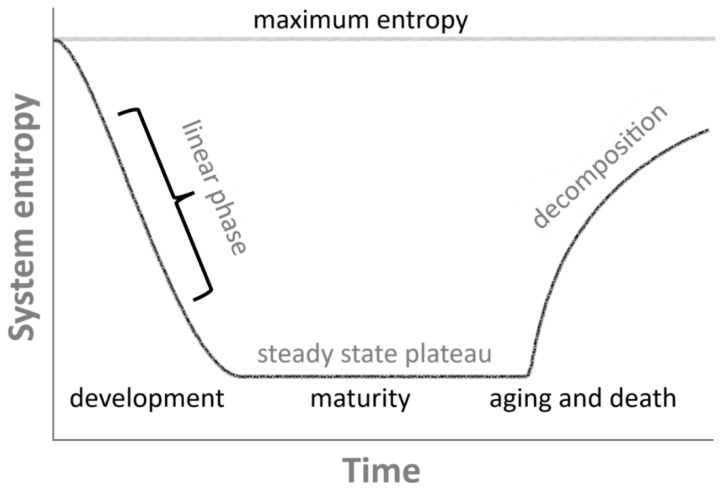 Figure 1
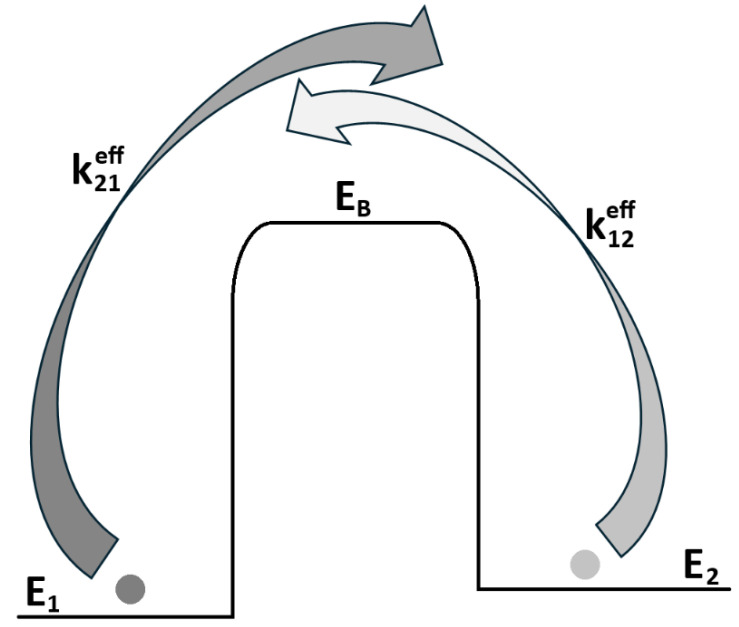 Figure 2
 Figure 3
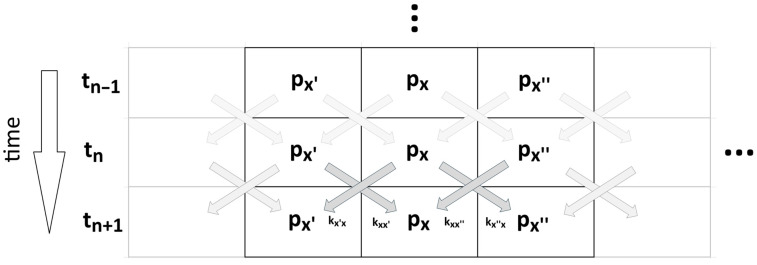 Figure 4
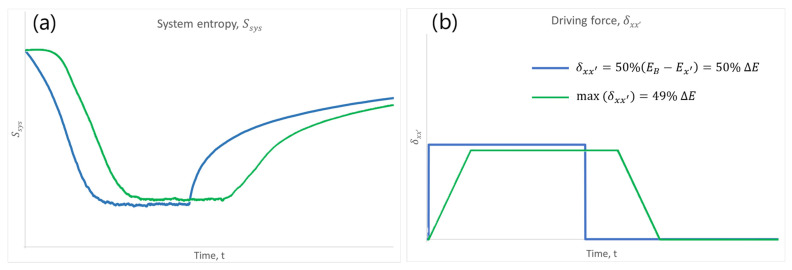 Figure 5
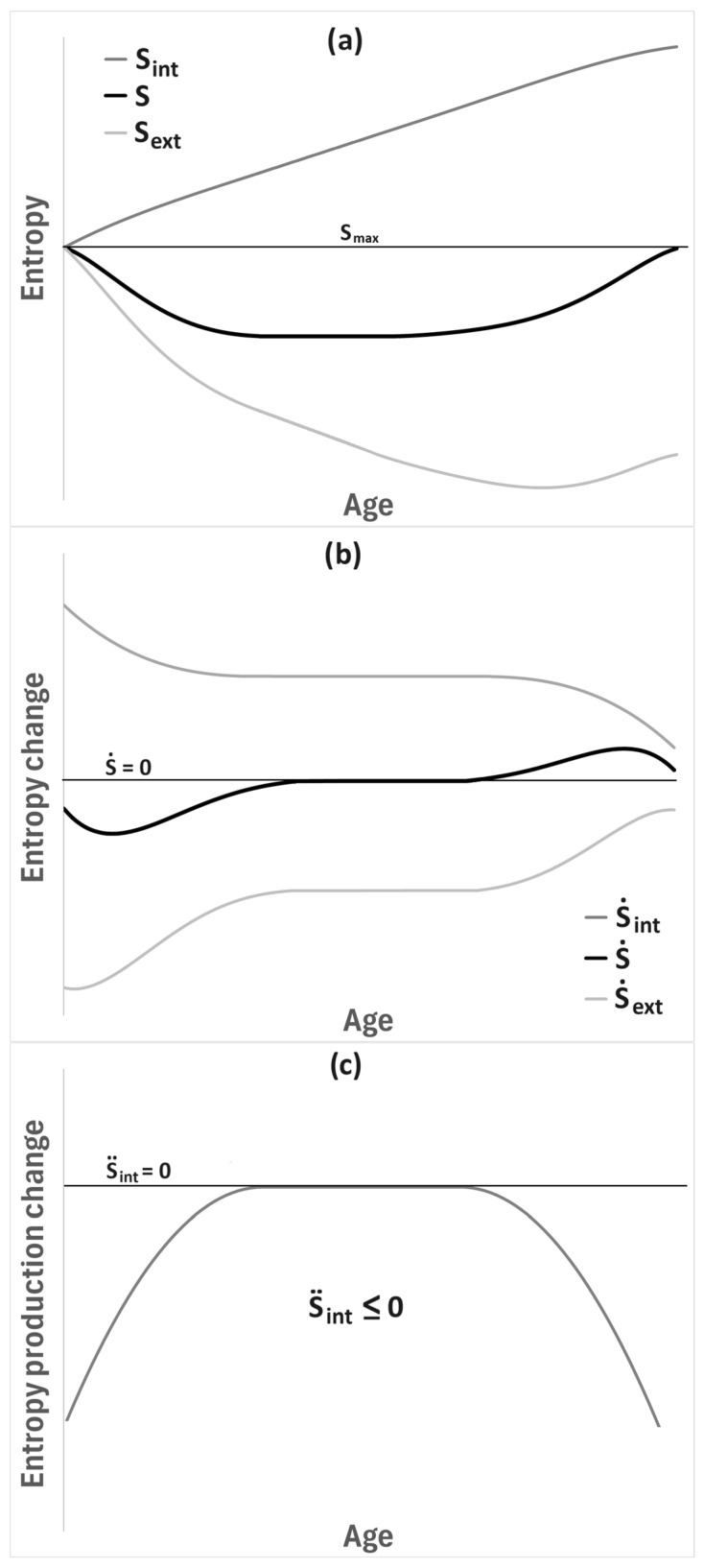 Figure 6
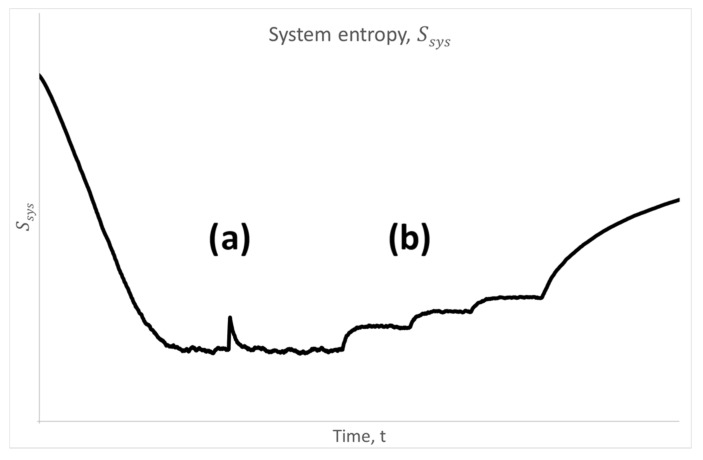 Figure 7
Peer Reviews
No public reviews on file for this paper yet. If you reviewed it on a platform where reviews are public (OpenReview, ICLR, NeurIPS, ICML), you can paste yours below so the community can read it here.
Videos
No videos yet. Explain this paper in a talk, walkthrough, or lecture? Add one.
Taxonomy
TopicsSustainability and Ecological Systems Analysis · Advanced Thermodynamics and Statistical Mechanics · Genetics, Aging, and Longevity in Model Organisms