Effect of Reversal Agents on Postoperative Cognitive Disorders Following General Anesthesia in the Elderly Population: A Systematic Review and Meta-Analysis
Jing Yee Chan, Bhelvinder Singh Surinder Singh, Reshma Nachiappan, Nur Fatihah Jazlina Mohd Faizal, Zhi Xin Song, Faris Hamizan Mohd, Farah Hanim Abdullah, Azarinah Izaham

TL;DR
This study finds that sugammadex may reduce postoperative cognitive issues in elderly patients compared to neostigmine.
Contribution
The study is the first to systematically compare neostigmine and sugammadex for their impact on postoperative cognitive dysfunction in elderly patients.
Findings
Neostigmine was associated with a higher risk of postoperative cognitive dysfunction compared to sugammadex.
Higher doses of neostigmine were linked to lower incidence of cognitive dysfunction.
Sugammadex's rapid reversal may reduce cognitive complications in elderly surgical patients.
Abstract
Background/Objectives: Perioperative neurocognitive disorders (PND), including postoperative delirium and cognitive dysfunction (POCD), represent significant complications in elderly surgical patients undergoing general anesthesia. The choice of neuromuscular blockade reversal agent may influence POCD risk through different mechanisms and side effects. This systematic review and meta-analysis evaluated the comparative effect of neostigmine versus sugammadex on POCD incidence in elderly patients. Methods: A systematic search of PubMed, Web of Science, Scopus, and Google Scholar was conducted from database inception to September 2025, following PRISMA 2020 guidelines with PROSPERO registration (CRD420251058187). Randomized controlled trials involving elderly patients (≥60 years) undergoing general anesthesia with neuromuscular blockade were included, comparing neostigmine and sugammadex…
Genes, proteins, chemicals, diseases, species, mutations and cell lines named across the full text — each resolved to its canonical identifier and authoritative record.
Click any figure to enlarge with its caption.
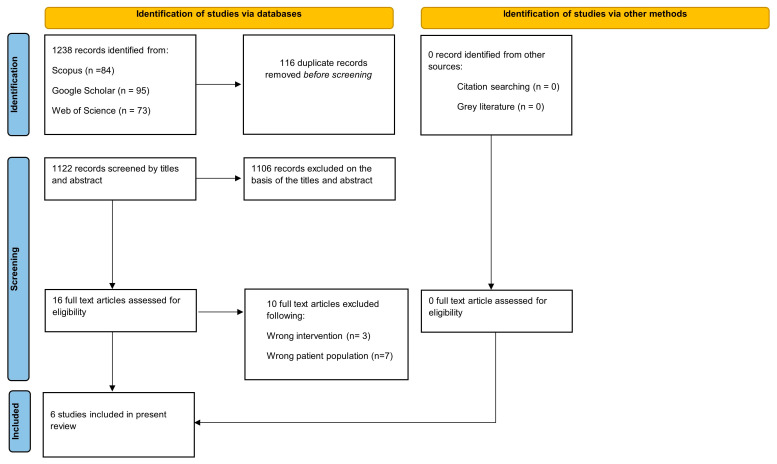 Figure 1
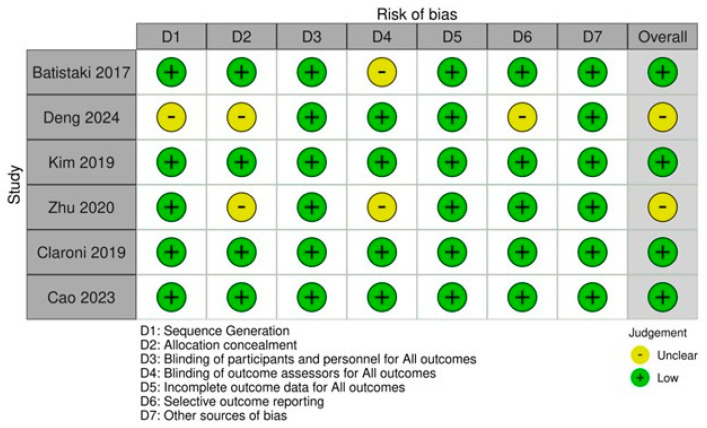 Figure 2
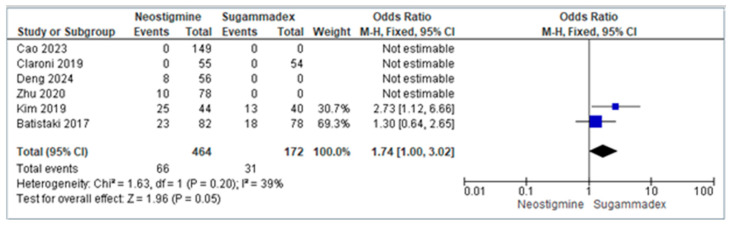 Figure 3
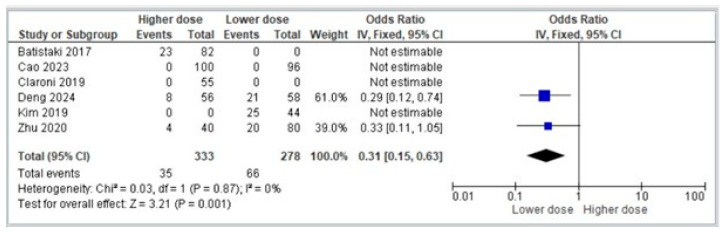 Figure 4
Peer Reviews
No public reviews on file for this paper yet. If you reviewed it on a platform where reviews are public (OpenReview, ICLR, NeurIPS, ICML), you can paste yours below so the community can read it here.
Videos
No videos yet. Explain this paper in a talk, walkthrough, or lecture? Add one.
Taxonomy
TopicsIntensive Care Unit Cognitive Disorders · Anesthesia and Neurotoxicity Research · Enhanced Recovery After Surgery