Phytochemical Composition and Mechanistic Pharmacology of Jerusalem Artichoke (Helianthus tuberosus L.): Implications for Functional and Therapeutic Applications
Dong-Hwan Kim, Wonmin Lee, Yeonhee Pyo, Dong-Kug Choi

TL;DR
This paper reviews the health benefits of Jerusalem artichoke, focusing on its bioactive compounds and potential uses in food, medicine, and cosmetics.
Contribution
The paper provides a comprehensive overview of Jerusalem artichoke's bioactive compounds and their health benefits, beyond just inulin.
Findings
Jerusalem artichoke contains bioactive compounds like flavonoids and phenolic acids with antioxidant and anti-inflammatory effects.
It shows potential in managing chronic diseases such as diabetes and cardiovascular disorders.
JA benefits skin health and immune function by modulating gut microbiota.
Abstract
Jerusalem artichoke (JA) (Helianthus tuberosus), a perennial plant of the Asteraceae family, is well known for its high inulin content and diverse bioactive compounds, including flavonoids, phenolic acids, sesquiterpenes, and amino acids. Extracts derived from different parts of JA, such as tubers, leaves, and flowers, have demonstrated a wide range of biological activities, including antioxidant, anti-inflammatory, antihyperglycemic, antihypertensive, and antifungal effects. These properties highlight JA’s potential in the prevention and management of chronic diseases such as diabetes, cardiovascular disorders, obesity, and colorectal cancer. Recent studies also suggest that JA benefits skin health through anti-aging and barrier-protective mechanisms and enhances immune function by modulating the intestinal microbiota. Owing to its multifunctional physiological activities, JA is being…
Genes, proteins, chemicals, diseases, species, mutations and cell lines named across the full text — each resolved to its canonical identifier and authoritative record.
Click any figure to enlarge with its caption.
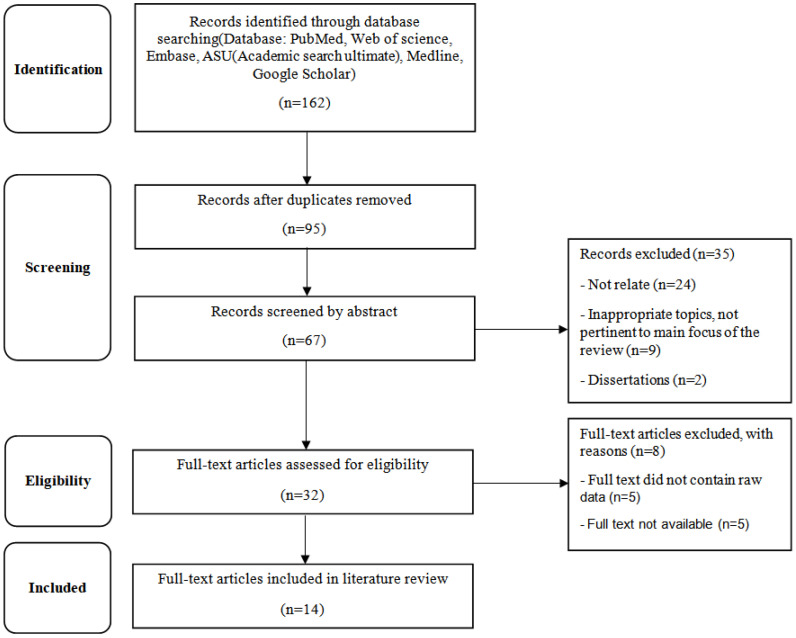 Figure 1
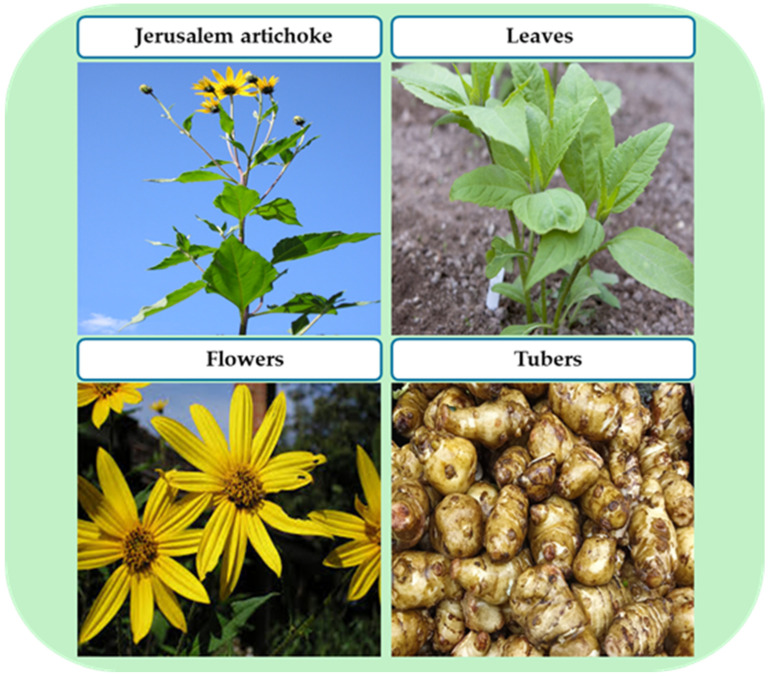 Figure 2
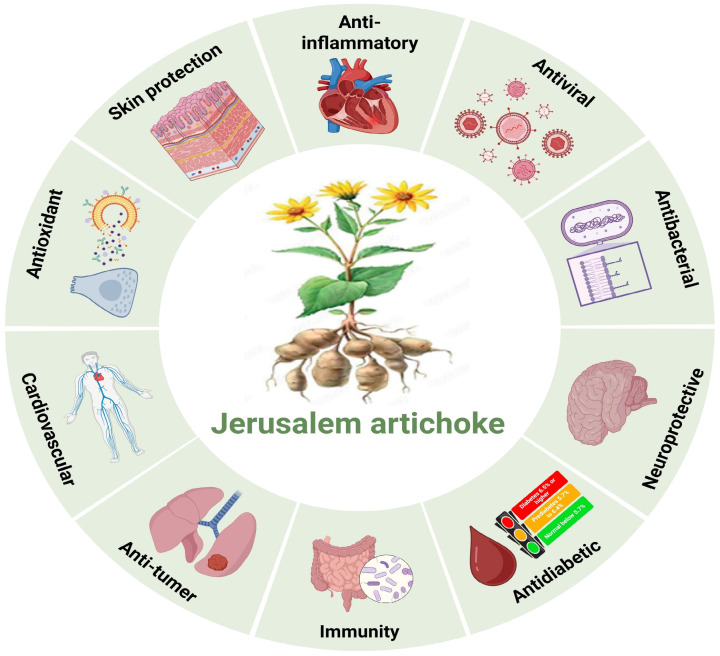 Figure 3
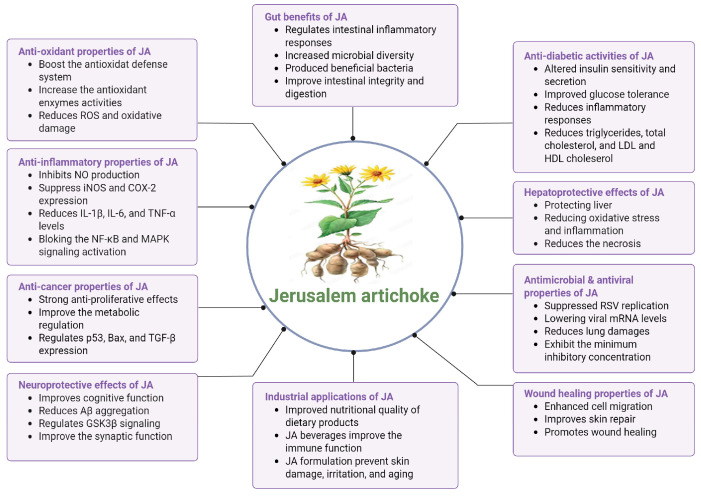 Figure 4
Peer Reviews
No public reviews on file for this paper yet. If you reviewed it on a platform where reviews are public (OpenReview, ICLR, NeurIPS, ICML), you can paste yours below so the community can read it here.
Videos
No videos yet. Explain this paper in a talk, walkthrough, or lecture? Add one.
Taxonomy
TopicsMicrobial Metabolites in Food Biotechnology · Cynara cardunculus studies · Phytochemicals and Antioxidant Activities