Identification of the Carcinogenic Process from Lobular Endocervical Glandular Hyperplasia to Gastric-Type Adenocarcinoma of the Uterine Cervix via Whole-Exome Sequencing
Airi Kuruma, Tatsuo Masuda, Kazuaki Sato, Kansuke Kido, Daisuke Motooka, Naoko Komura, Takeshi Yokoi, Kosuke Yoshihara, Yasuto Kinose, Kae Hashimoto, Kenjiro Sawada, Eiichi Morii, Tadashi Kimura, Michiko Kodama

TL;DR
This study uses whole-exome sequencing to trace the genetic changes from a precancerous cervical condition to a rare, aggressive cervical cancer, revealing possible pathways and key mutations involved.
Contribution
The study identifies sequential genetic transitions and candidate mutations in the progression from lobular endocervical glandular hyperplasia to gastric-type adenocarcinoma of the uterine cervix.
Findings
Some cases show a sequential transition from lobular endocervical glandular hyperplasia to gastric-type adenocarcinoma.
Mutations in PTPRF, PTPRT, STK11, and ARID1A are associated with early stages, while SMAD4 and SMAD2 alterations occur in later stages.
Phylogenetic analysis reveals heterogeneous pathways of tumor development in different cases.
Abstract
Gastric-type adenocarcinoma of the uterine cervix is a rare but aggressive cancer that is difficult to detect early and often has a poor prognosis. Lobular endocervical glandular hyperplasia is considered a possible precursor lesion, but the genetic relationship between these lesions has not been fully clarified. In this study, we analyzed tissue samples of normal cervical glands, lobular endocervical glandular hyperplasia, and gastric-type adenocarcinoma obtained from the same patients using whole-exome sequencing. By comparing genetic alterations across these lesions, we found that some cases showed evidence supporting a sequential transition from lobular endocervical glandular hyperplasia to gastric-type adenocarcinoma, whereas other cases appeared to develop through alternative pathways. We also identified candidate genetic changes that may occur at early and late stages of tumor…
Genes, proteins, chemicals, diseases, species, mutations and cell lines named across the full text — each resolved to its canonical identifier and authoritative record.
Click any figure to enlarge with its caption.
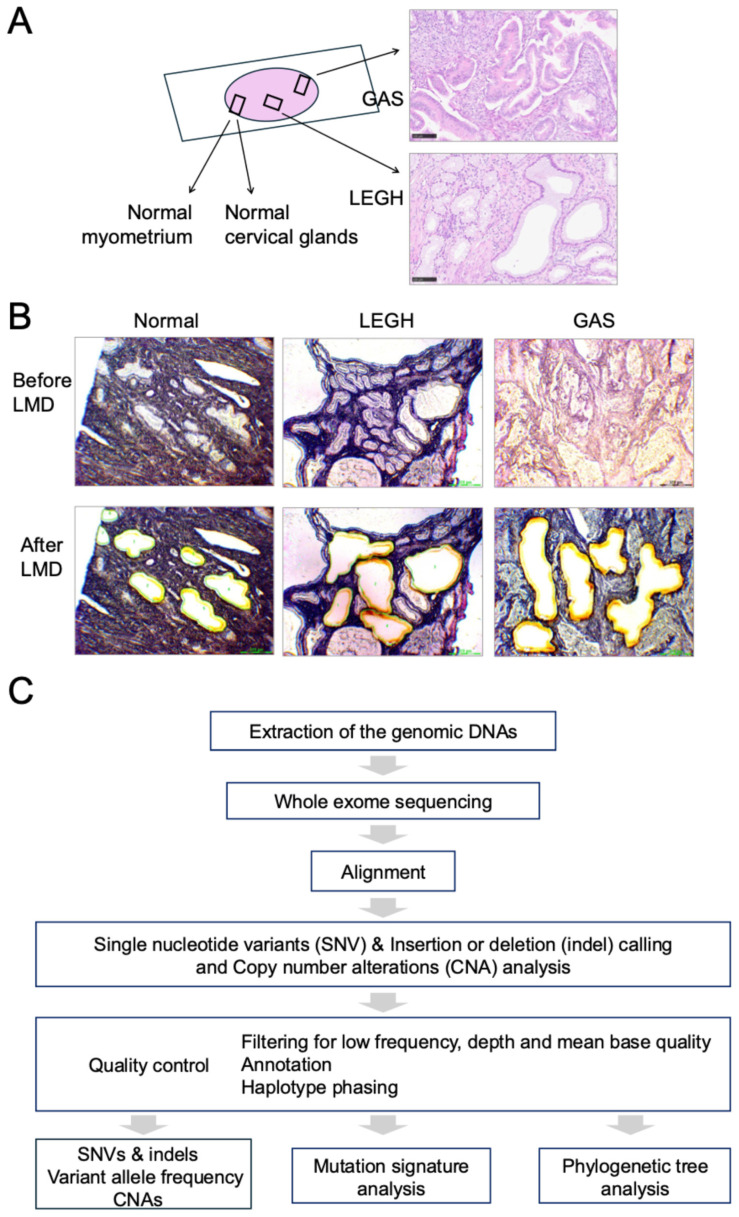 Figure 1
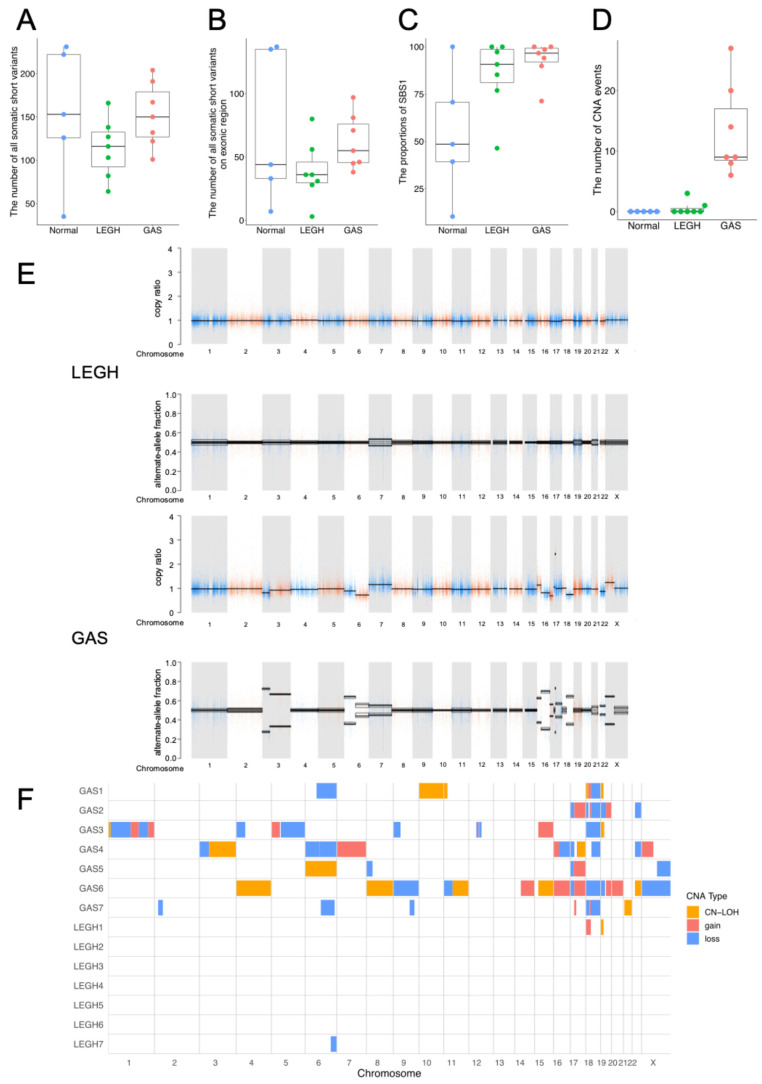 Figure 2
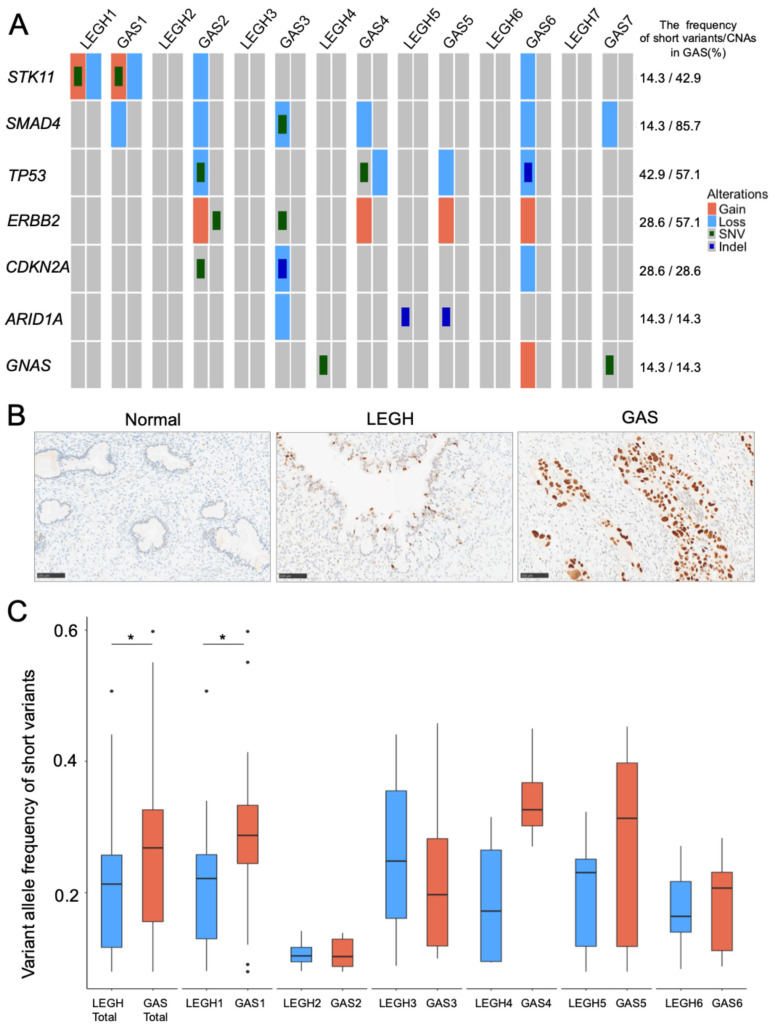 Figure 3
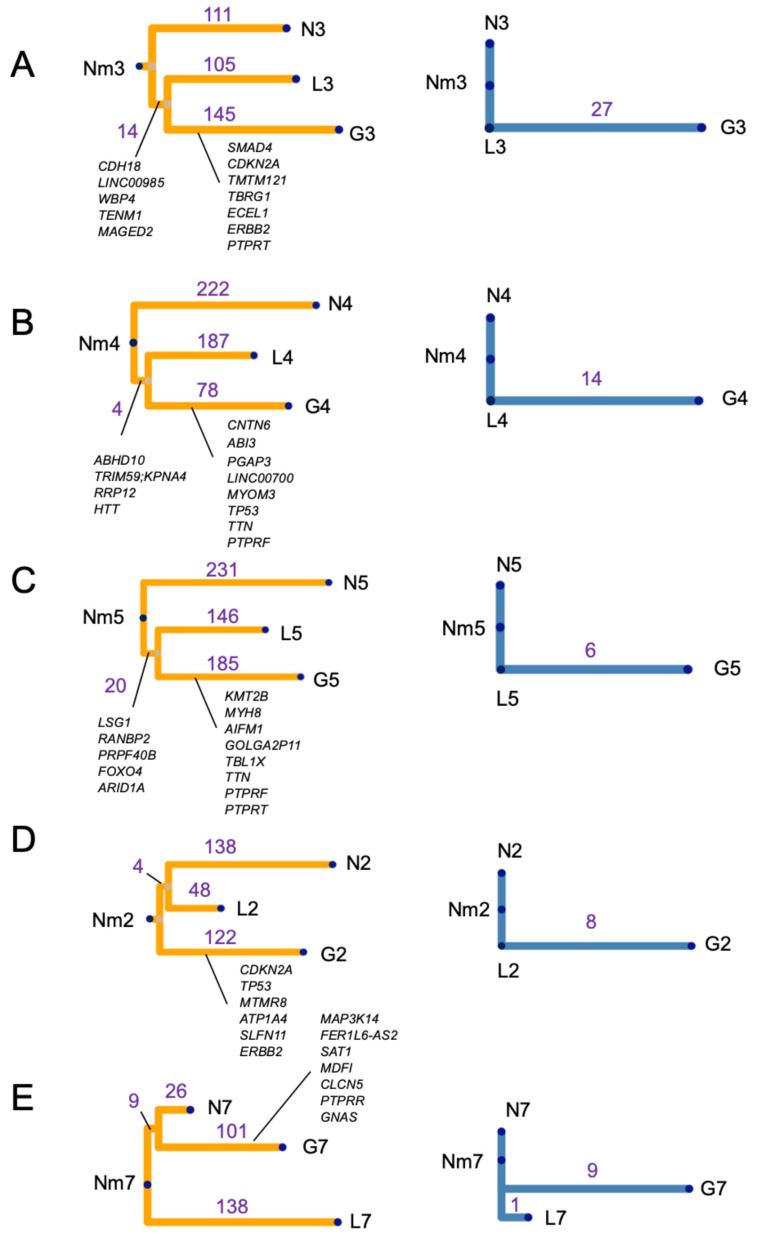 Figure 4
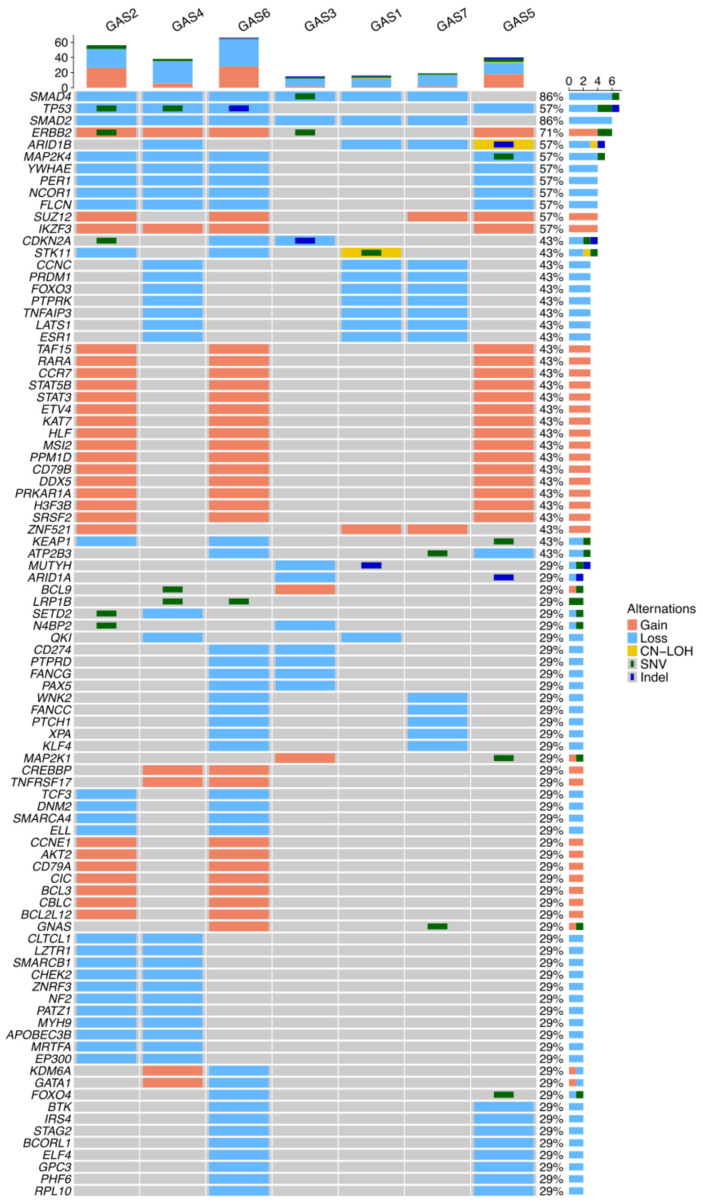 Figure 5
Peer Reviews
No public reviews on file for this paper yet. If you reviewed it on a platform where reviews are public (OpenReview, ICLR, NeurIPS, ICML), you can paste yours below so the community can read it here.
Videos
No videos yet. Explain this paper in a talk, walkthrough, or lecture? Add one.
Taxonomy
TopicsProtein Tyrosine Phosphatases · Endometrial and Cervical Cancer Treatments · Helicobacter pylori-related gastroenterology studies