Indications and Utility of Posterior Tracheopexy in the Pediatric Population: An Overview of Its Expanding Role in Tracheobronchial Disease
Nicholas Jose Iglesias, Ali A. Mokdad, Nelson Vicente Guevara, Andres Mauricio Corona, Eduardo Alfonso Perez, Carlos Theodore Huerta

TL;DR
Posterior tracheopexy is a surgical technique that improves breathing and reduces complications in children with tracheomalacia and those undergoing TEF/EA repair.
Contribution
The paper highlights the expanding role of posterior tracheopexy in treating tracheobronchial disease in pediatric patients.
Findings
Posterior tracheopexy improves respiratory symptoms and reduces ventilatory dependence in patients with tracheomalacia.
Primary posterior tracheopexy during TEF/EA repair may reduce respiratory morbidity and the risk of TM in select neonates.
Multidisciplinary evaluation is essential for optimizing outcomes in patients undergoing posterior tracheopexy.
Abstract
What are the main findings? Posterior tracheopexy improves respiratory symptoms, respiratory infection rates, and ventilatory dependence in patients with tracheomalacia.Primary posterior tracheopexy during tracheoesophageal fistula/esophageal atresia (TEF/EA) repair may benefit select patients with posterior tracheal intrusion. Posterior tracheopexy improves respiratory symptoms, respiratory infection rates, and ventilatory dependence in patients with tracheomalacia. Primary posterior tracheopexy during tracheoesophageal fistula/esophageal atresia (TEF/EA) repair may benefit select patients with posterior tracheal intrusion. What are the implications of the main findings? Posterior tracheopexy is a valuable surgical technique for the treatment of tracheomalacia (TM) or the reduction in respiratory morbidity following TEF/EA repair in select neonates.Patient evaluation and follow-up…
Genes, proteins, chemicals, diseases, species, mutations and cell lines named across the full text — each resolved to its canonical identifier and authoritative record.
Click any figure to enlarge with its caption.
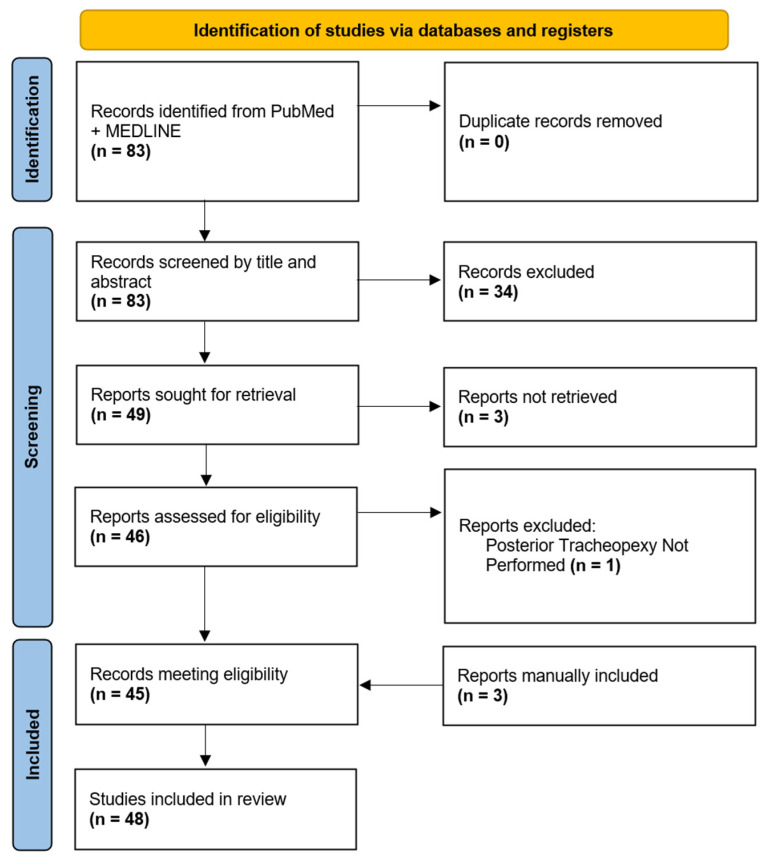 Figure 1
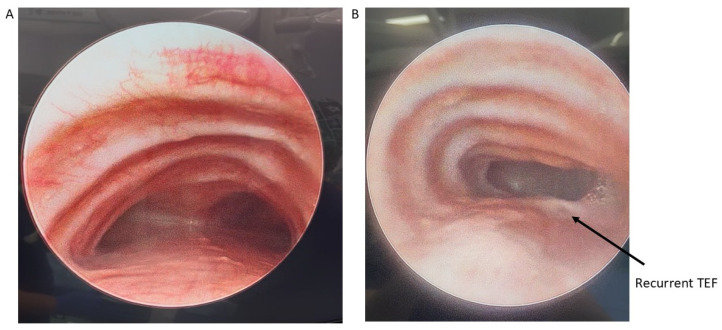 Figure 2
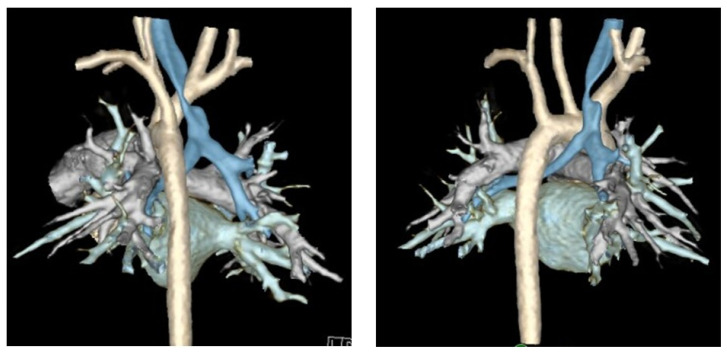 Figure 3
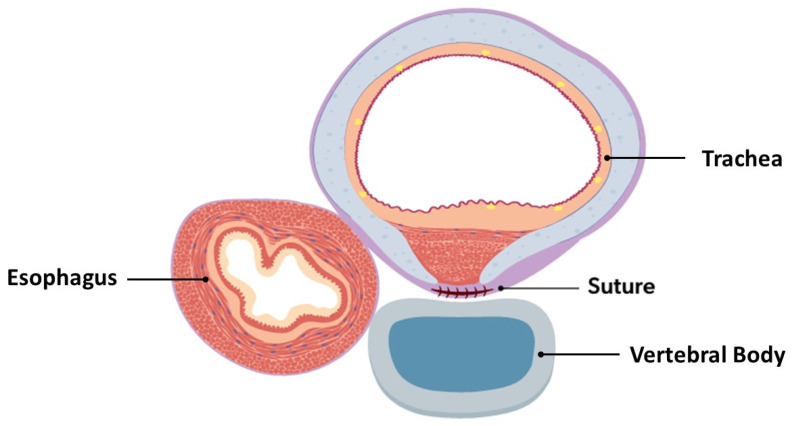 Figure 4
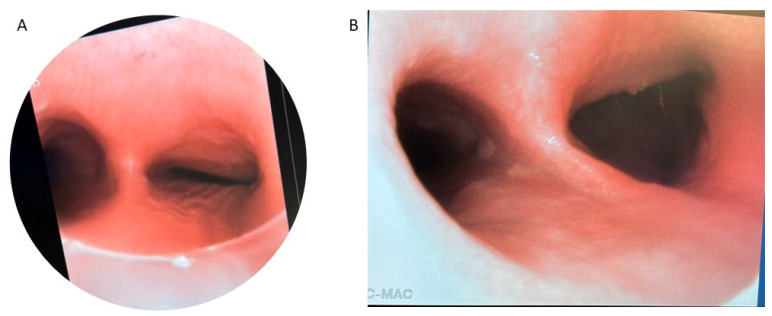 Figure 5
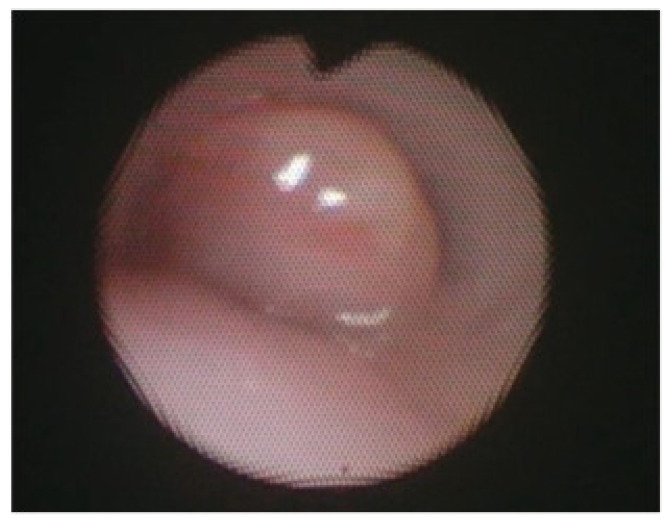 Figure 6
Peer Reviews
No public reviews on file for this paper yet. If you reviewed it on a platform where reviews are public (OpenReview, ICLR, NeurIPS, ICML), you can paste yours below so the community can read it here.
Videos
No videos yet. Explain this paper in a talk, walkthrough, or lecture? Add one.
Taxonomy
TopicsTracheal and airway disorders · Vascular Anomalies and Treatments · Congenital Diaphragmatic Hernia Studies