RL-Based Parallel LDPC Decoding with Clustered Scheduling
Yusuf Ozkan, Yauhen Yakimenka, Jörg Kliewer

TL;DR
This paper introduces a reinforcement learning framework for efficient parallel decoding of LDPC codes using clustered scheduling to improve performance and reduce latency.
Contribution
The novel contribution is an RL-based decoding framework with Q-Sum and On-the-Fly clustering to reduce storage complexity and improve decoding efficiency.
Findings
The proposed RL framework achieves lower decoding latency and higher throughput.
The Q-Sum method reduces storage complexity from exponential to linear.
On-the-Fly clustering enhances flexibility and maintains error rates comparable to state-of-the-art methods.
Abstract
We propose a reinforcement learning (RL)-based decoding framework for high-throughput parallel decoding of low-density parity-check (LDPC) codes using clustered scheduling. Parallel LDPC decoders must balance error-correction performance and decoding latency while avoiding memory conflicts. To address this trade-off, we construct clusters of check nodes that satisfy a two-edge independence property, which enables conflict-free row-parallel belief propagation. An RL agent is trained offline to assign Q-values to clusters and to prioritize their update order during decoding. To overcome the exponential storage requirements of existing RL-based scheduling methods, we introduce the Q-Sum method, which approximates cluster-level Q-values as the sum of Q-values of individual check nodes, reducing storage complexity from exponential to linear in the number of check nodes. We further propose an…
Genes, proteins, chemicals, diseases, species, mutations and cell lines named across the full text — each resolved to its canonical identifier and authoritative record.
Click any figure to enlarge with its caption.
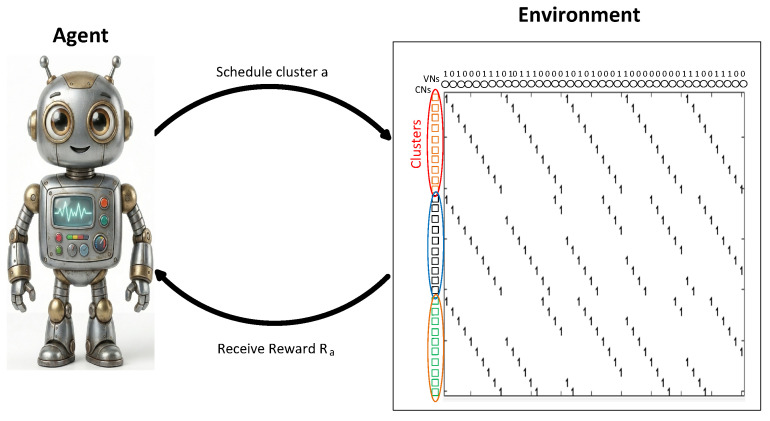 Figure 1
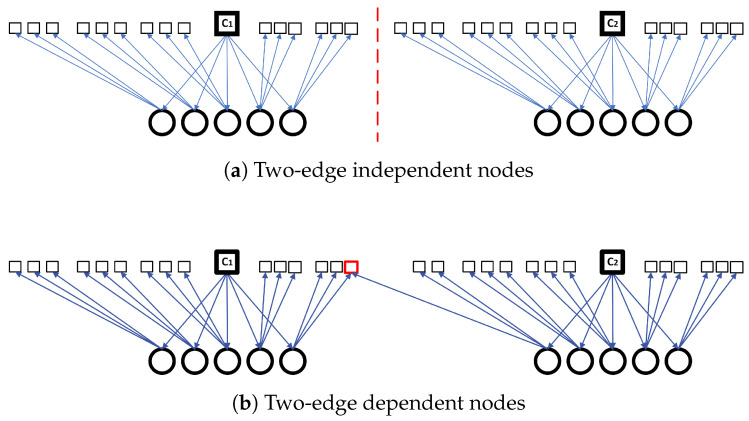 Figure 2
 Figure 3
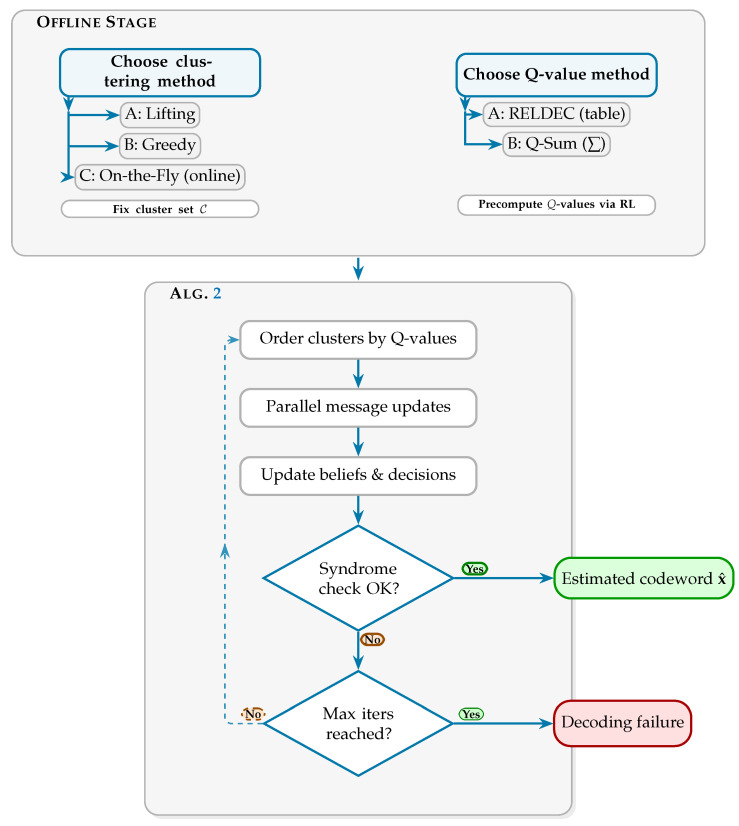 Figure 4
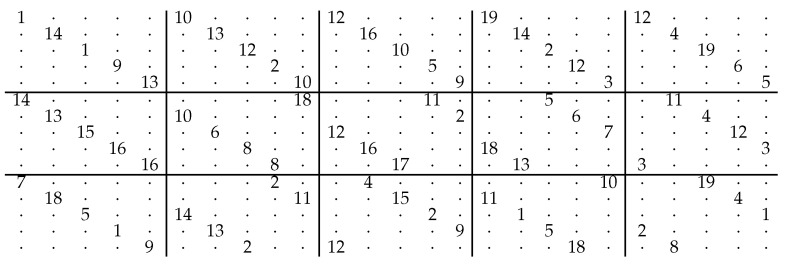 Figure 5
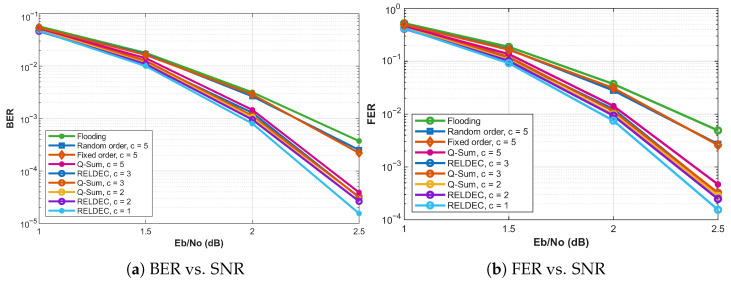 Figure 6
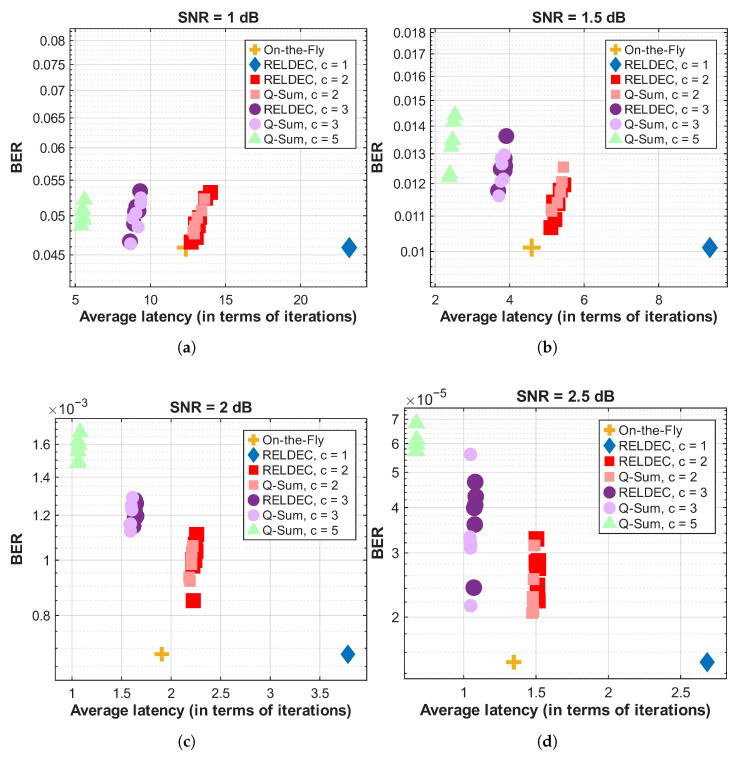 Figure 7
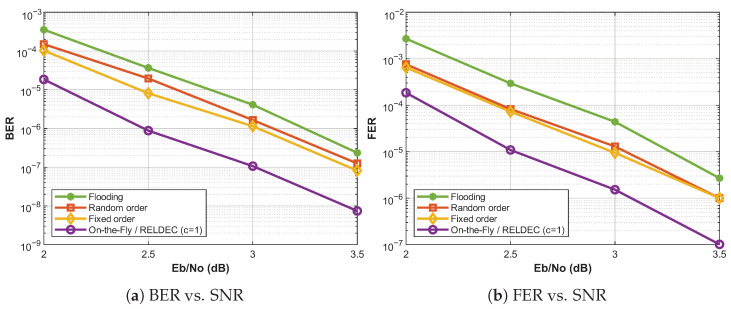 Figure 8
Peer Reviews
No public reviews on file for this paper yet. If you reviewed it on a platform where reviews are public (OpenReview, ICLR, NeurIPS, ICML), you can paste yours below so the community can read it here.
Videos
No videos yet. Explain this paper in a talk, walkthrough, or lecture? Add one.
Taxonomy
TopicsError Correcting Code Techniques · Telecommunications and Broadcasting Technologies · Advanced Wireless Communication Techniques