Unveiling the Antihyperglycemic Potential of Arctium lappa L. (Asteraceae): Traditional Application, Phytochemistry, and Molecular Insights
Amangul A. Uzbekova, Kaldanay K. Kozhanova, Gulnara Kadyrbayeva, Bayan I. Tursubekova, Meruyert Amantayeva, Moldir A. Zhandabayeva, Meruyert I. Tleubayeva, Ahmet Beyatli

TL;DR
This review explores how Arctium lappa may help manage diabetes through its natural compounds and biological effects, though more human studies are needed.
Contribution
The paper systematically reviews the antidiabetic mechanisms and bioactive compounds of Arctium lappa, highlighting gaps in clinical evidence.
Findings
Arctium lappa's bioactives (arctigenin, arctiin, inulin) improve insulin sensitivity and lipid metabolism.
Preclinical studies confirm antidiabetic effects via AMPK activation and insulin signaling modulation.
Current evidence is limited to in vitro and animal models, with a lack of clinical trials in diabetic populations.
Abstract
Diabetes mellitus is a chronic disease requiring multifunctional natural agents. Arctium lappa is traditionally used in Eastern and European medicine to address metabolic disorders. This comprehensive narrative review, conducted between 2000 and 2025 using international databases (Scopus, PubMed, Web of Science Core Collection, and Google Scholar), evaluates the species through its ethnomedicine, phytochemistry, preclinical evidence, and safety. The available evidence suggests that A. lappa exerts antidiabetic effects via multi-layered mechanisms, including AMPK activation, insulin signaling modulation, and increased GLUT4 translocation. Key bioactives (arctigenin, arctiin, and inulin) collectively improve insulin sensitivity and lipid metabolism. However, preclinical studies confirm these effects in animal models, while limited clinical data in non-diabetic cohorts focus on systemic…
Genes, proteins, chemicals, diseases, species, mutations and cell lines named across the full text — each resolved to its canonical identifier and authoritative record.
Click any figure to enlarge with its caption.
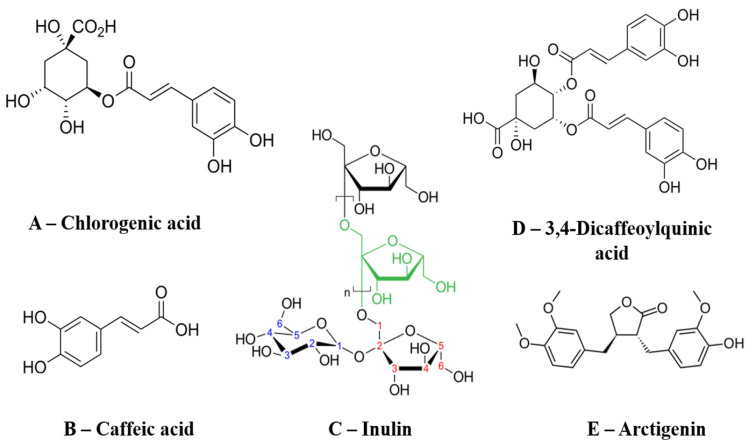 Figure 1
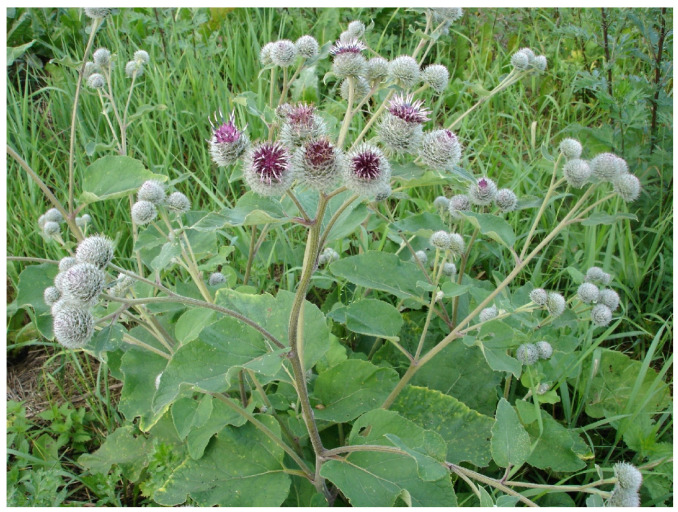 Figure 2
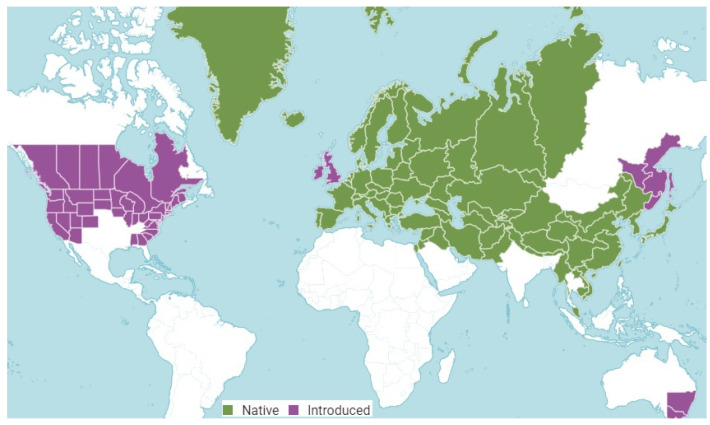 Figure 3
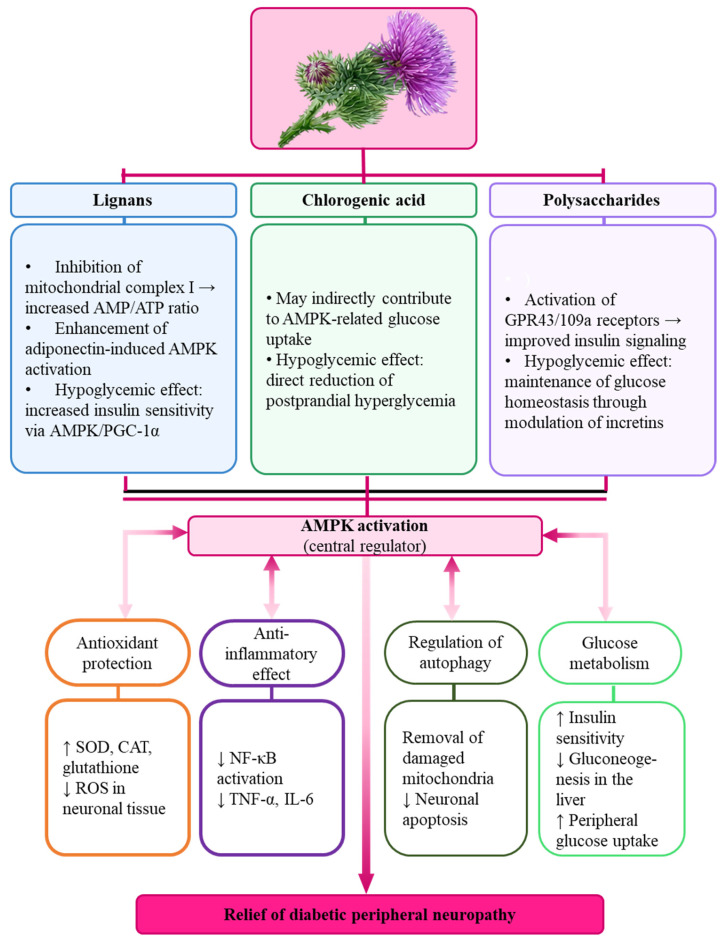 Figure 4
Peer Reviews
No public reviews on file for this paper yet. If you reviewed it on a platform where reviews are public (OpenReview, ICLR, NeurIPS, ICML), you can paste yours below so the community can read it here.
Videos
No videos yet. Explain this paper in a talk, walkthrough, or lecture? Add one.
Taxonomy
TopicsPlant-derived Lignans Synthesis and Bioactivity · Peroxisome Proliferator-Activated Receptors · Magnolia and Illicium research