Origins of N2O Selectivity Limits in Catalyzed Ammonia Oxidation
Ivan Surin, Evgenii V. Kondratenko, Javier Pérez-Ramírez

TL;DR
This paper explains why ammonia oxidation to nitrous oxide (N2O) has a selectivity limit and shows how adjusting reaction conditions can improve N2O production.
Contribution
The study identifies direct NH3-to-N2 conversion as the main cause of N2O selectivity loss and proposes strategies to enhance selectivity.
Findings
Direct oxidation of NH3 to N2 is the main reason for incomplete N2O selectivity.
Water cofeeding and adjusting reactant partial pressures increased N2O selectivity from 81% to 90%.
Reduction of in situ-formed NO by NH3 is a significant route to secondary N2O.
Abstract
Ammonia (NH3) oxidation to nitrous oxide (N2O) is a promising route to obtain this selective oxidant, but controlling product distribution is inherently challenging because N2O occupies an intermediate nitrogen oxidation state between N2 and NO. Despite recent advances, leading CeO2-based catalytic systems have consistently encountered a selectivity limit in the range of 80–85%. Herein, CeO2-supported Mn single atoms are employed as a stable, selective benchmark to investigate the origins of the N2O selectivity losses. Thorough kinetic analysis revealed that direct oxidation of NH3 to N2 is the main reason for incomplete N2O selectivity. This reaction dominates in a thin upstream catalyst bed layer, driven by its strong dependence on the NH3 partial pressure that ensures dense surface coverage by N-containing intermediates and promotes their irreversible coupling to N2. However, due to…
Genes, proteins, chemicals, diseases, species, mutations and cell lines named across the full text — each resolved to its canonical identifier and authoritative record.
Click any figure to enlarge with its caption.
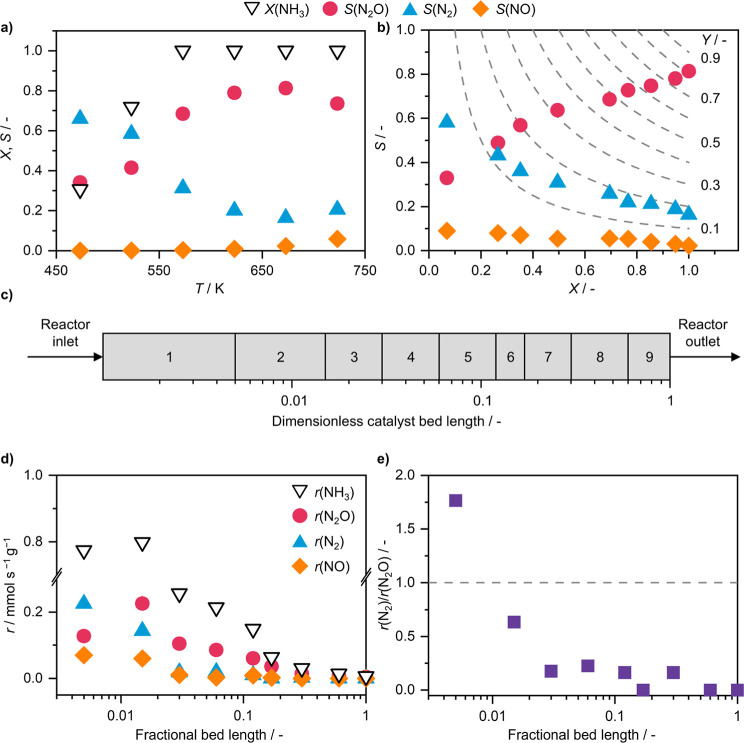 Figure 1
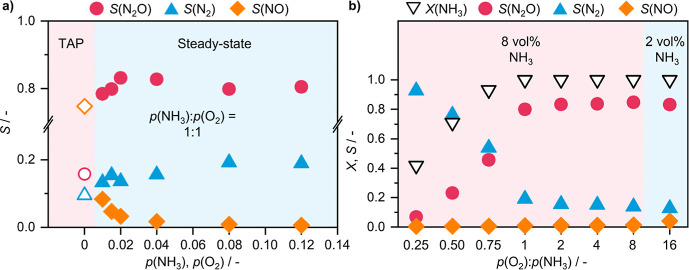 Figure 2
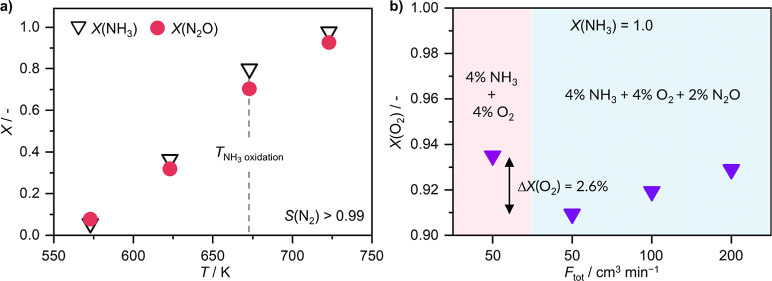 Figure 3
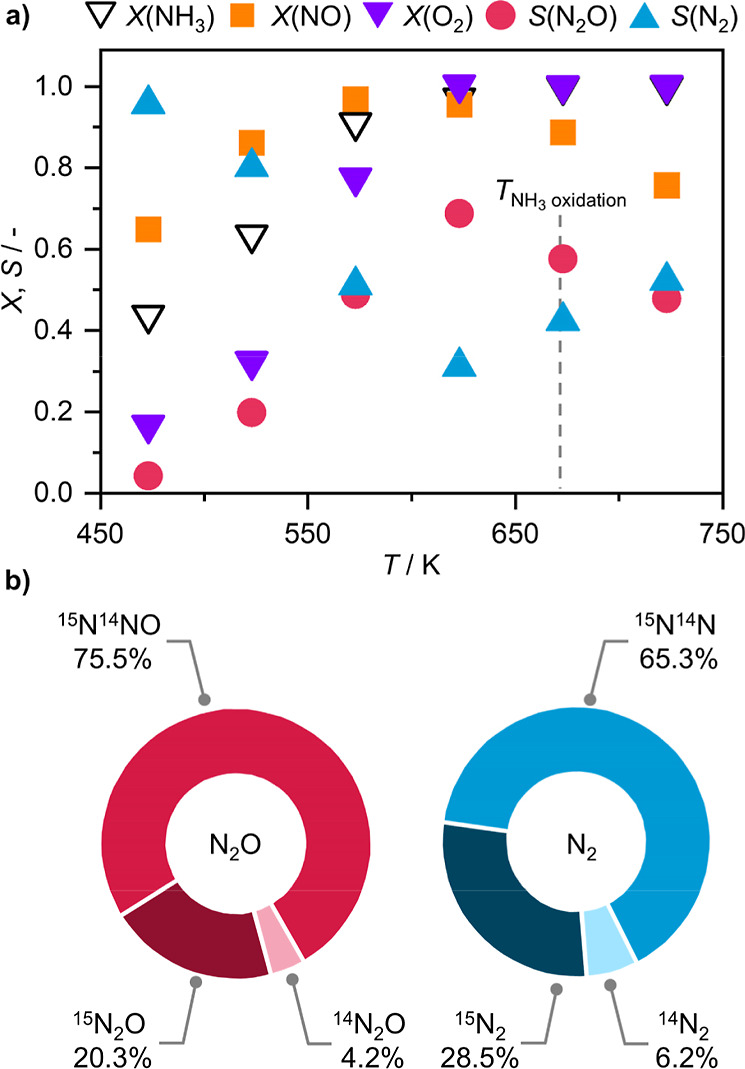 Figure 4
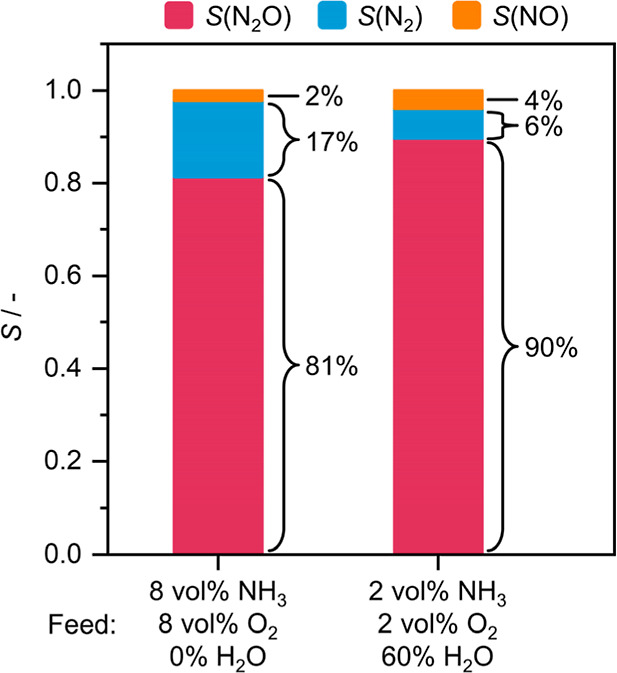 Figure 5
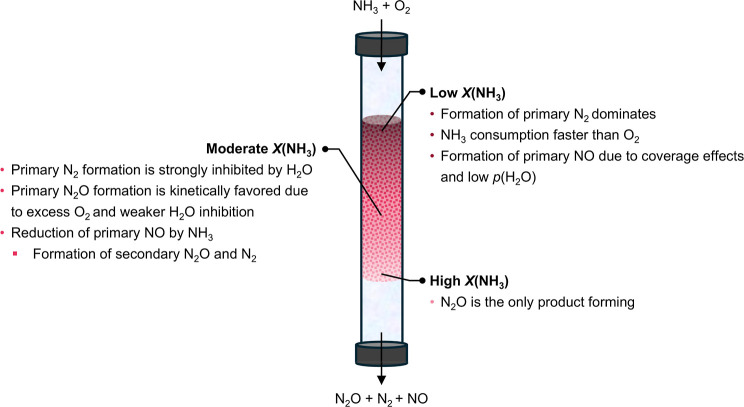 Figure 6
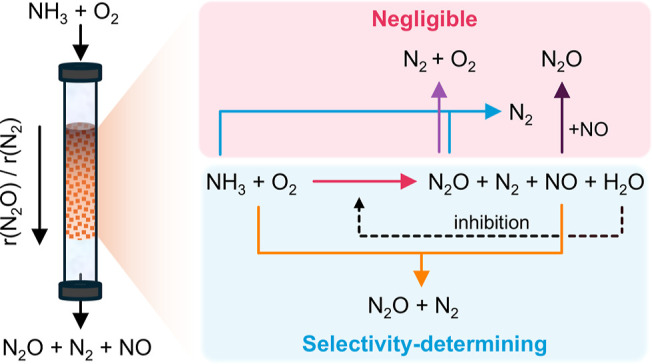 Figure 7
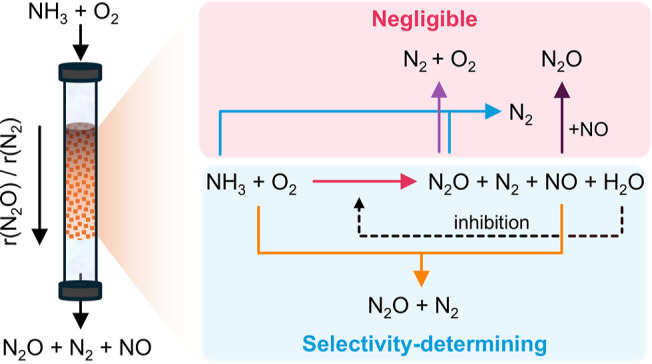 Figure 8
 Figure 9
 Figure 10
 Figure 11
 Figure 12
 Figure 13
 Figure 14
 Figure 15
 Figure 16
 Figure 17
 Figure 18
 Figure 19
 Figure 20
 Figure 21
 Figure 22
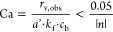 Figure 23
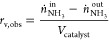 Figure 24
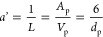 Figure 25
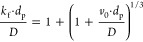 Figure 26
 Figure 27
 Figure 28
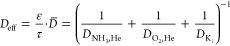 Figure 29
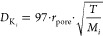 Figure 30
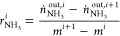 Figure 31
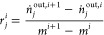 Figure 32
 Figure 33
 Figure 34
 Figure 35
 Figure 36
 Figure 37
 Figure 38
 Figure 39
 Figure 40
 Figure 41
 Figure 42
 Figure 43
Peer Reviews
No public reviews on file for this paper yet. If you reviewed it on a platform where reviews are public (OpenReview, ICLR, NeurIPS, ICML), you can paste yours below so the community can read it here.
Videos
No videos yet. Explain this paper in a talk, walkthrough, or lecture? Add one.
Taxonomy
TopicsAmmonia Synthesis and Nitrogen Reduction · Catalytic Processes in Materials Science · Advanced oxidation water treatment