Chromosome 3p Deletion Leads to Extensive Genomic Alterations in Diverse Cancers and Confers Synthetic Lethality in Uveal Melanoma
Mitchell C. Cutler, Porter B. Howland, Miroslav Hejna, Jun S. Song

TL;DR
Deleting part of chromosome 3p causes genomic instability in many cancers and creates a treatment target in uveal melanoma.
Contribution
The study reveals how chr3p deletion leads to isochromosomes and identifies MITF as a key driver in uveal melanoma with therapeutic implications.
Findings
SETD2 deletion or mutation on chr3p promotes isochromosome formation and genomic instability in diverse cancers.
MITF hemizygous deletion in uveal melanoma drives compensatory evolution and influences patient survival.
Combinatorial targeting of MITF and synthetic lethal genes may improve outcomes for uveal melanoma patients with chr3p deletion and 8q+ amplification.
Abstract
Isochromosomes are chromosomal aberrations consisting of two identical mirror-imaged arms and simultaneous deletion of the complementary arms. We show that SETD2 deleterious mutations or hemizygous deletion of chr3p containing the gene leads to isochromosomes in cancer patients. Dicentric isochromosomes, known to form a chromatin bridge between dividing cells, are prone to massive fragmentation, which can be modeled computationally. In uveal melanoma (UVM), chr3 deletion also includes MITF, but we show that MITF is a master regulator of key driver genes of UVM. We demonstrate how this accidental hemizygous deletion of MITF in UVM imposes a strong selection pressure on subsequent compensatory genome evolution, explains differences in patient survival, and provides therapeutic opportunities. Background: Chromosome 3p (chr3p) is frequently deleted in multiple cancers, indicating the…
Genes, proteins, chemicals, diseases, species, mutations and cell lines named across the full text — each resolved to its canonical identifier and authoritative record.
Click any figure to enlarge with its caption.
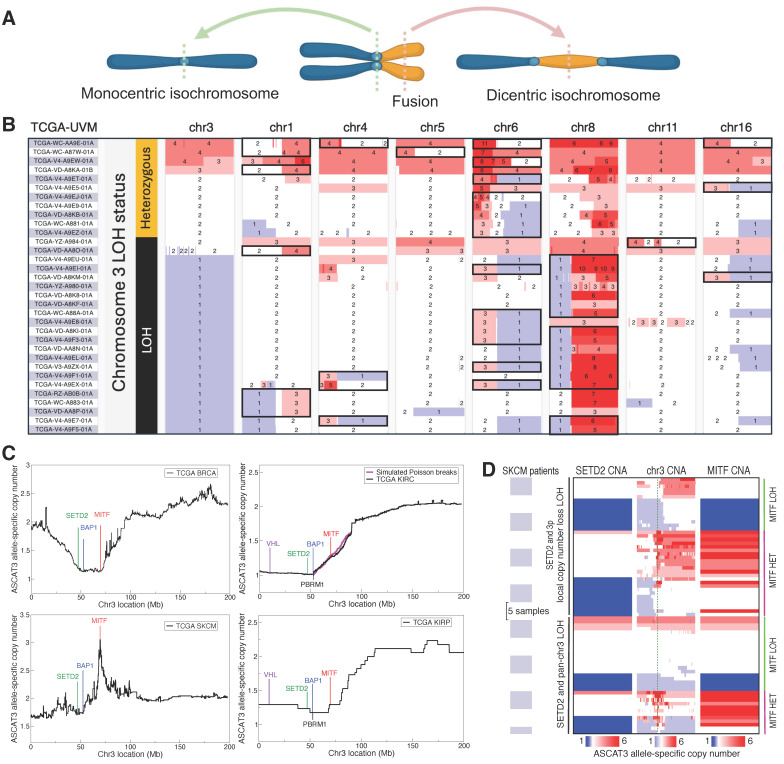 Figure 1
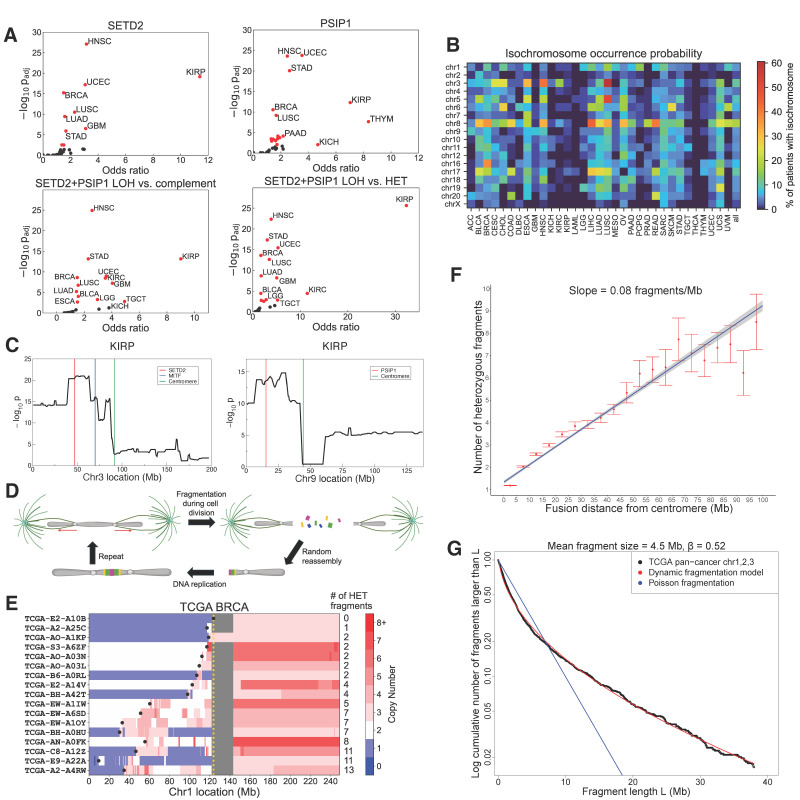 Figure 2
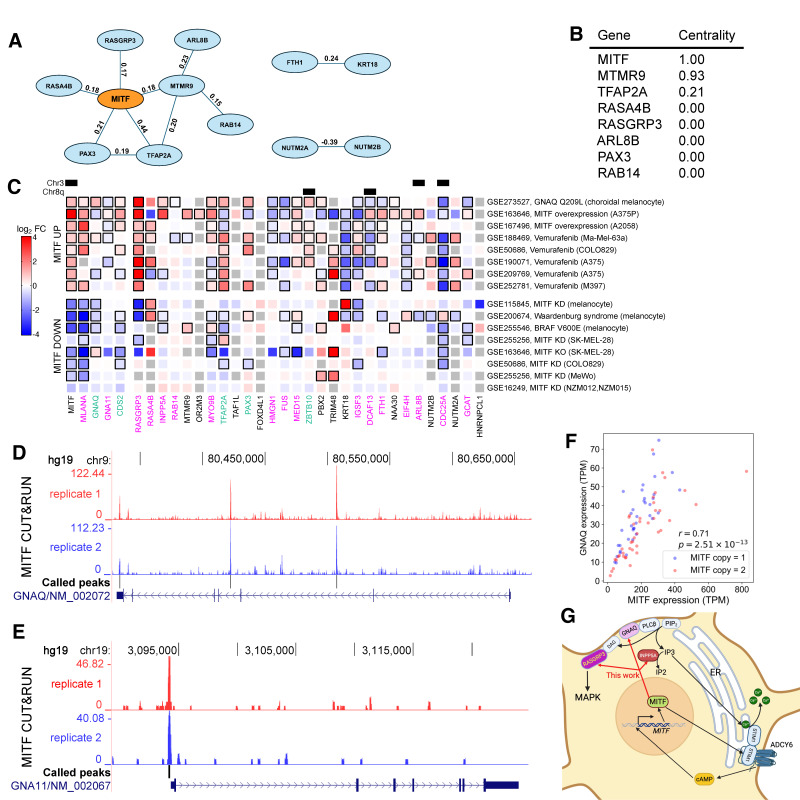 Figure 3
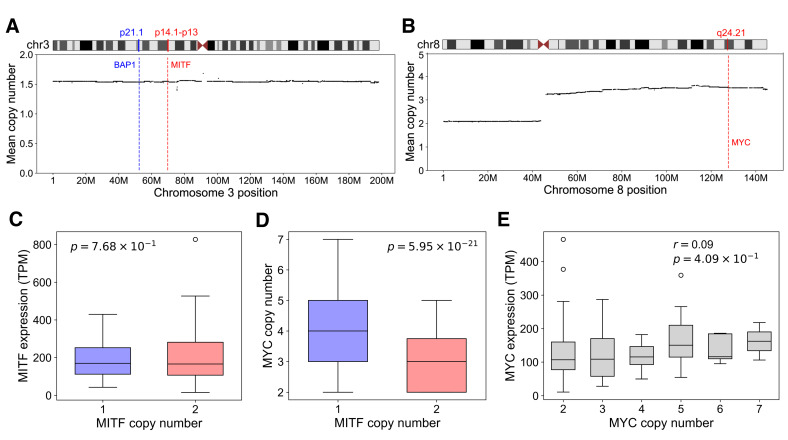 Figure 4
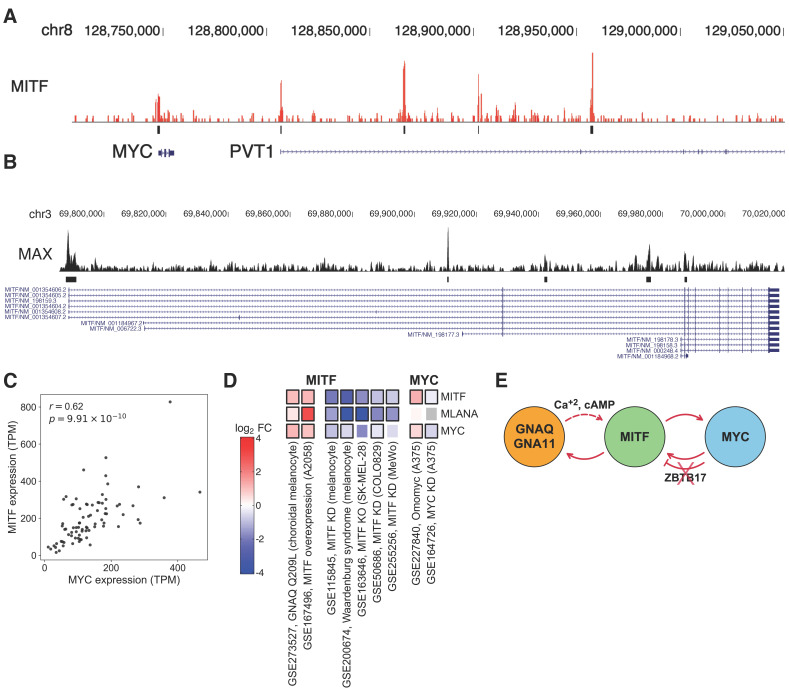 Figure 5
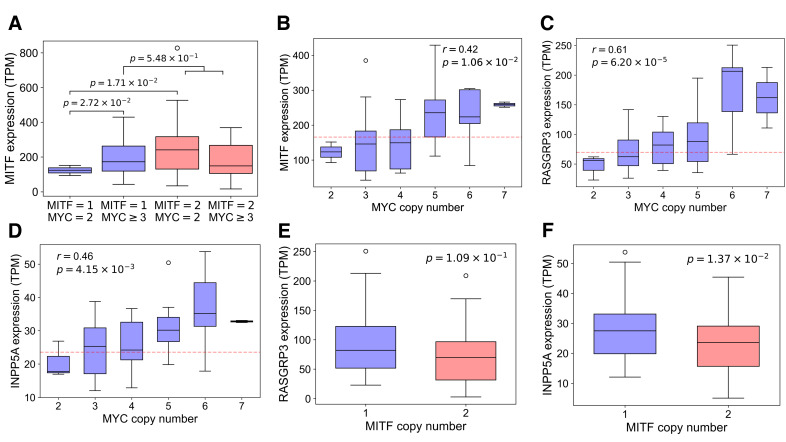 Figure 6
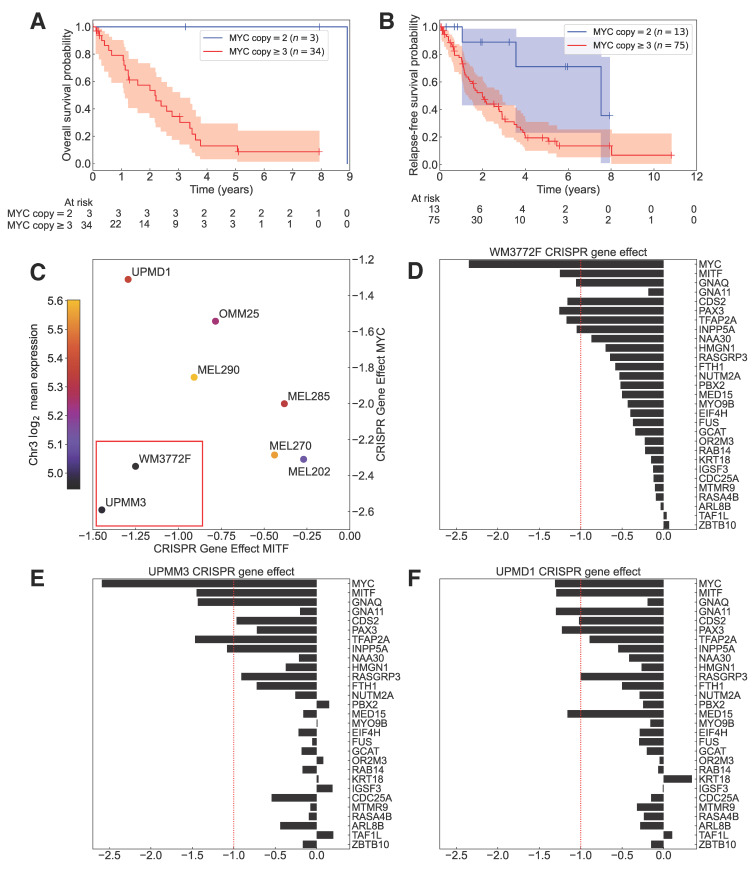 Figure 7
Peer Reviews
No public reviews on file for this paper yet. If you reviewed it on a platform where reviews are public (OpenReview, ICLR, NeurIPS, ICML), you can paste yours below so the community can read it here.
Videos
No videos yet. Explain this paper in a talk, walkthrough, or lecture? Add one.
Taxonomy
TopicsOcular Oncology and Treatments · melanin and skin pigmentation · Ocular Disorders and Treatments