Isometric muscle strength profile of lower limbs for children and adolescents between 7 and 15 years of age
Oscar Bustos-Moyano, Eduardo Guzmán-Muñoz, Pablo Valdes-Badilla, Diego Frugone-Zaror, Flor Miño-Cornejo, Felipe Araya-Quintanilla, Guillermo Mendez-Rebolledo

TL;DR
This study examines how lower limb muscle strength develops in Chilean children and adolescents aged 7 to 15, finding that boys outperform girls by age 15.
Contribution
The study identifies key developmental stages and sex-based differences in isometric lower limb strength among Chilean children.
Findings
Lower limb isometric strength increases from age 10, with boys outperforming girls by age 15.
Hip flexors, dorsiflexors, hip extensors, and knee extensors explain most of the variance in total lower limb strength.
Sex-based differences in strength first appear between ages 9 and 12.
Abstract
Muscle strength is a key determinant of health-related physical fitness and has become a significant biological predictor of overall health and lifespan. This study aimed to characterize the development of isometric strength in the lower limbs of Chilean schoolchildren and adolescents aged 7 to 15 years. Specifically, it sought to: (a) determine when sex-based differences in lower limb strength first appear; (b) identify key developmental stages where significant gains in muscle strength occur in boys and girls; and (c) analyze the contribution of individual muscle groups to total lower limb strength while accounting for sex and age differences. This cross-sectional study evaluated the maximum isometric strength of seven lower limb muscle groups in a sample of 302 Chilean children, divided into nine age groups at one-year intervals. Hand-held dynamometry was used for isometric strength…
Genes, proteins, chemicals, diseases, species, mutations and cell lines named across the full text — each resolved to its canonical identifier and authoritative record.
Click any figure to enlarge with its caption.
 Figure 1
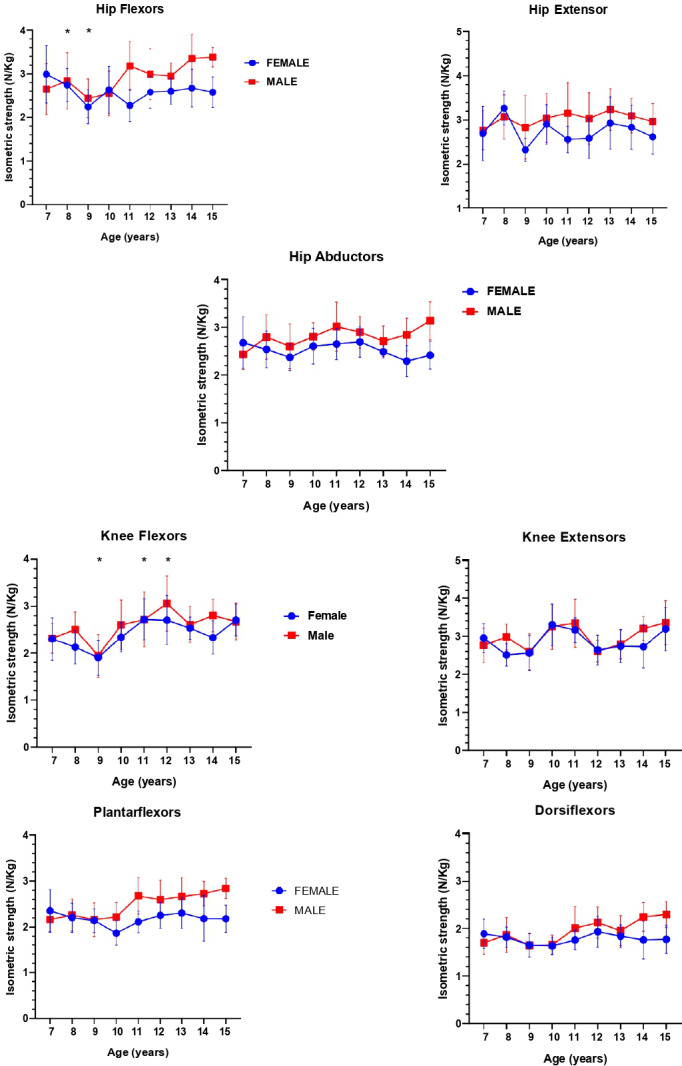 Figure 2
 Figure 3
 Figure 4
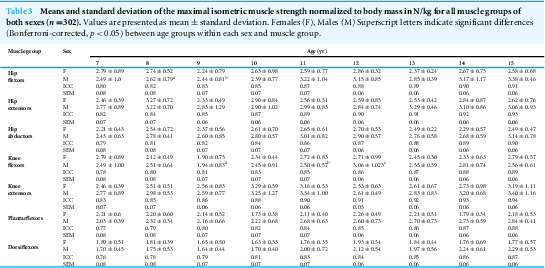 Figure 5
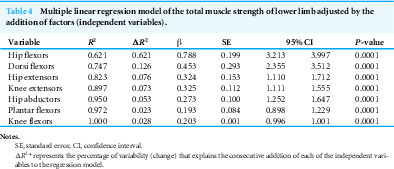 Figure 6
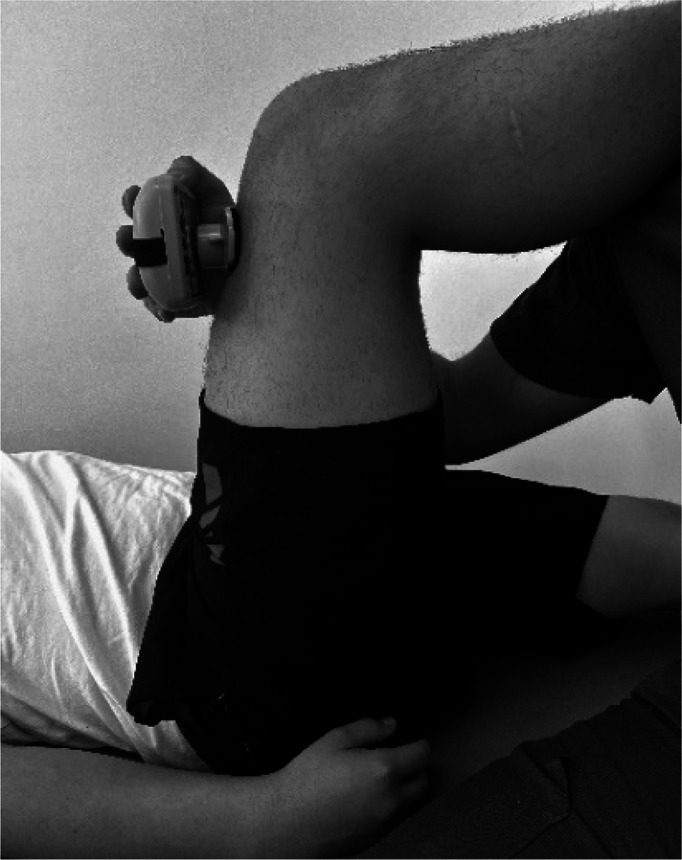 Figure 7
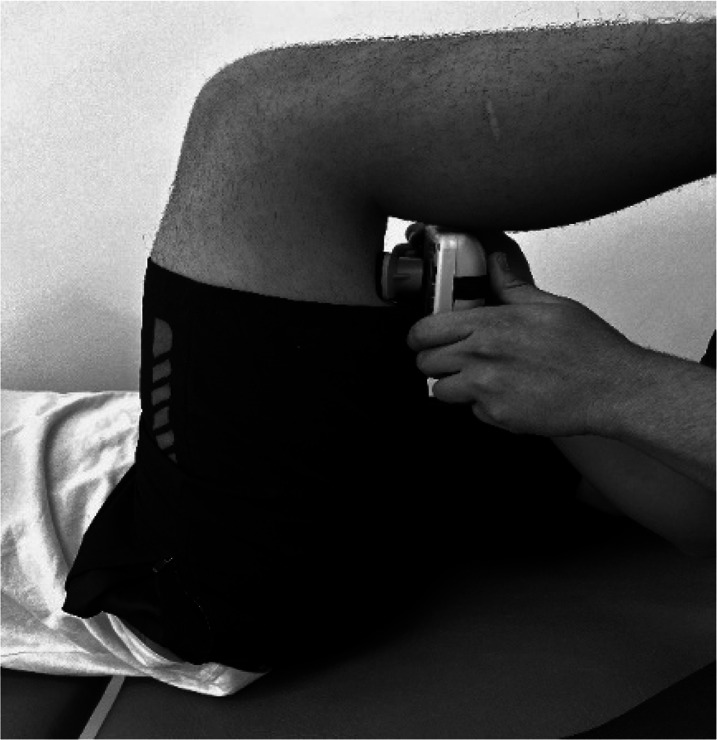 Figure 8
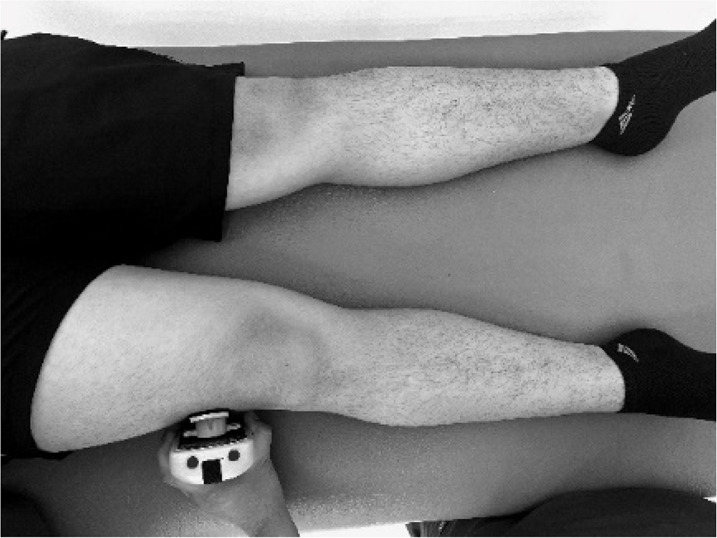 Figure 9
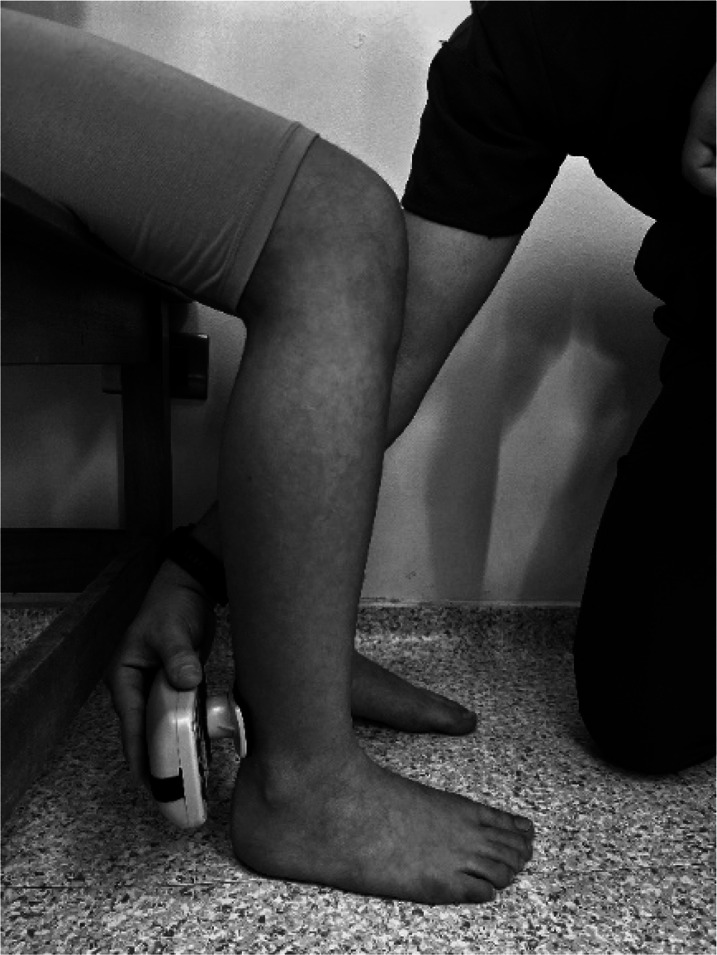 Figure 10
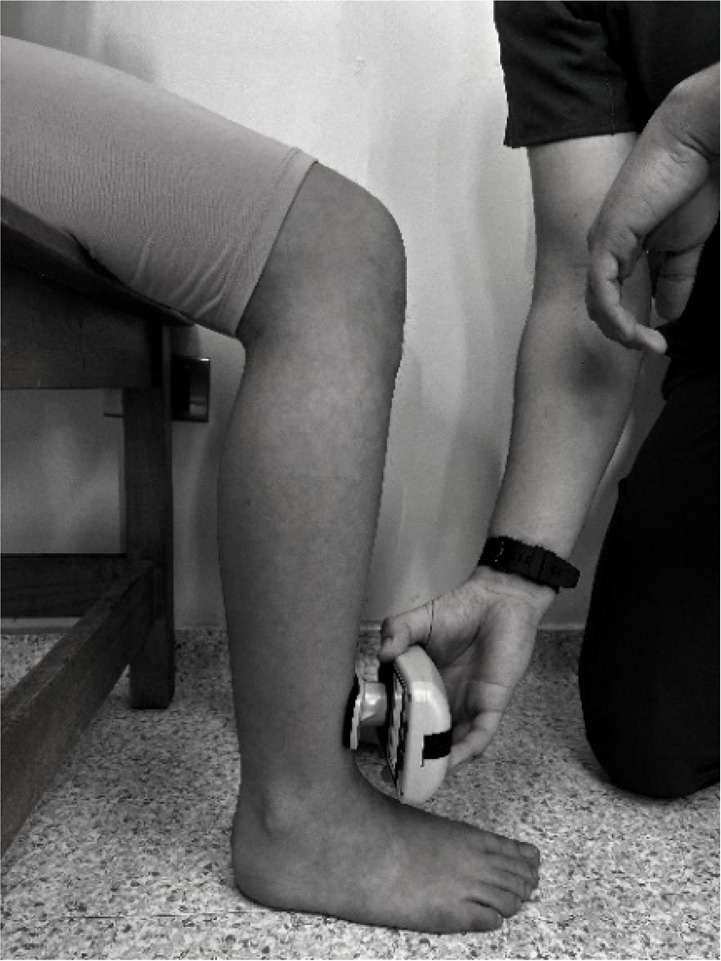 Figure 11
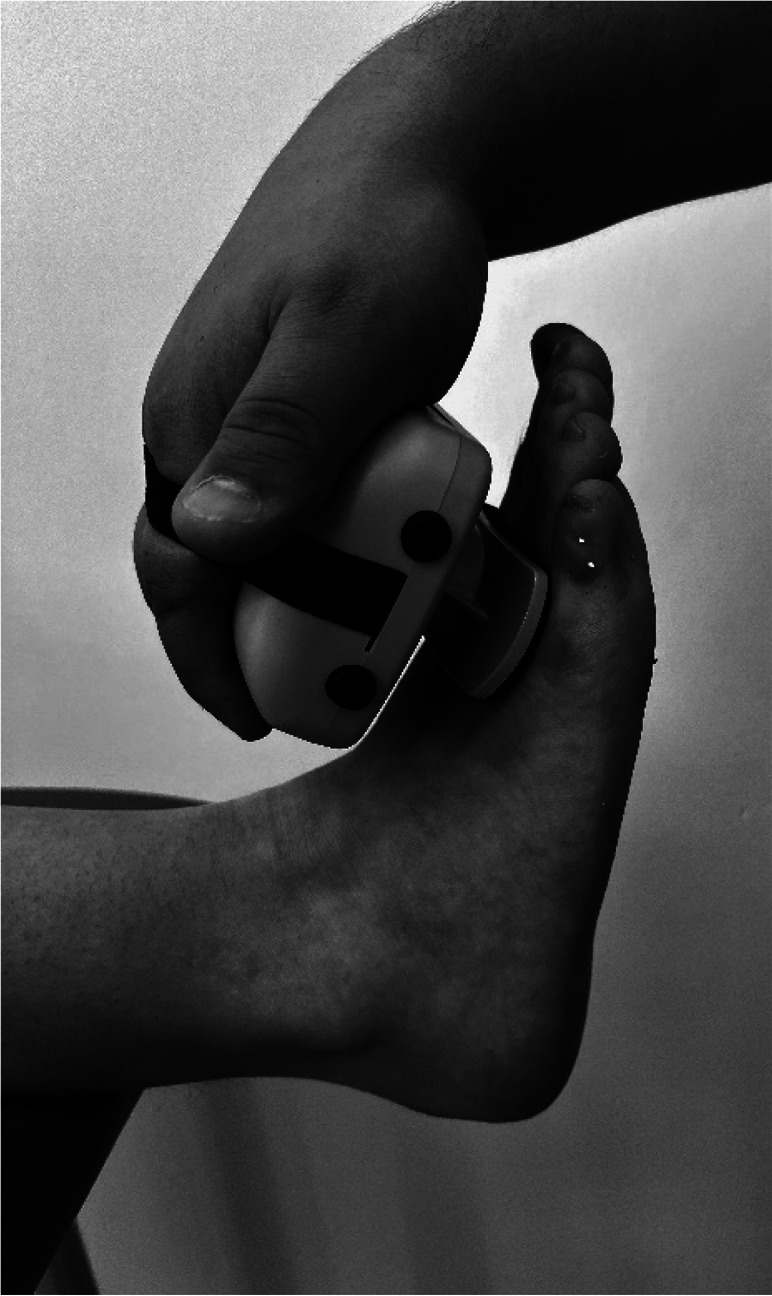 Figure 12
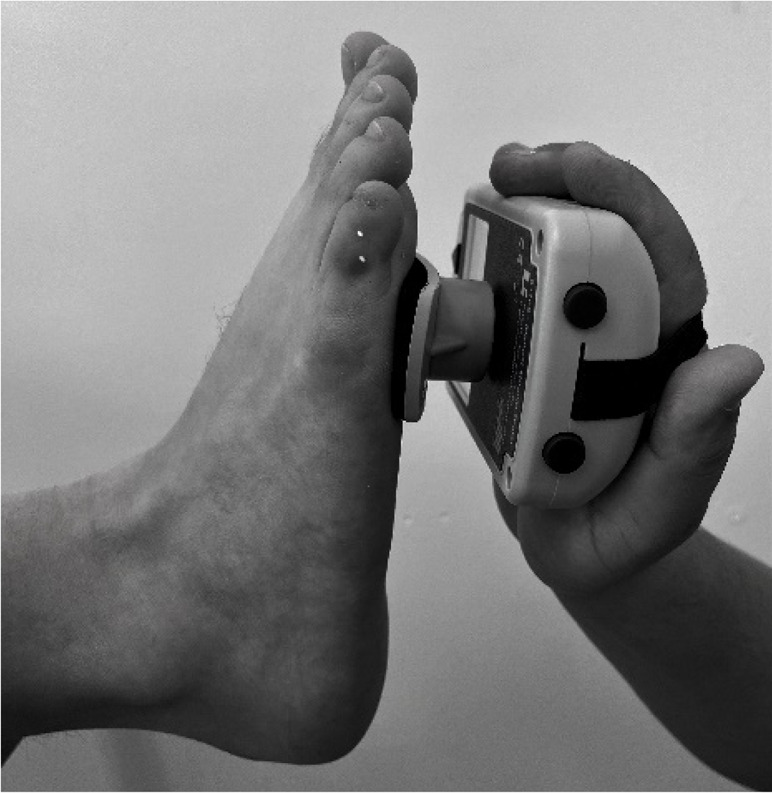 Figure 13
Peer Reviews
No public reviews on file for this paper yet. If you reviewed it on a platform where reviews are public (OpenReview, ICLR, NeurIPS, ICML), you can paste yours below so the community can read it here.
Videos
No videos yet. Explain this paper in a talk, walkthrough, or lecture? Add one.
Taxonomy
TopicsSports injuries and prevention · Obesity, Physical Activity, Diet · Children's Physical and Motor Development