Early Diagnosis of Parkinson’s Disease Through Lite HGWA-Net Model: A Hybrid CNN Based on Wavelet Transform and Attention Mechanism
Zohre Yaghoubi, Saeed Setayeshi, Sara Motamed, Malihe Sabeti

TL;DR
A new lightweight deep learning model improves early detection of Parkinson’s disease using MRI scans by capturing subtle brain changes.
Contribution
A novel hybrid CNN model combining wavelet transform and attention mechanisms for early PD diagnosis without manual image analysis.
Findings
The model achieved an F1-score of 0.8762 in distinguishing PD patients from healthy controls.
It outperformed existing models with fewer parameters and computational costs.
The model detected texture and frequency patterns in MRI scans that were previously inaccessible.
Abstract
Background/Objectives: Parkinson’s disease (PD) is a progressive neurodegenerative disorder in ageing populations, yet early diagnosis before motor symptoms remains critical. Reliable identification of subtle nigral alterations at early stages of the disease on magnetic resonance imaging (MRI) remains challenging. This limitation is mainly attributed to the subjective and low sensitivity of manual image interpretation in early PD. Here, we demonstrate a deep learning-based framework to enhance early PD detection. The study’s novelty is a lightweight deep learning framework that captures spatial, textural, and frequency-domain PD biomarkers without heavy network architectures or manual region delineation. Methods: The model integrates GhostNet with ensemble learning to combine local and global spatial information. This model employs wavelet-based frequency feature extraction rather than…
Genes, proteins, chemicals, diseases, species, mutations and cell lines named across the full text — each resolved to its canonical identifier and authoritative record.
Click any figure to enlarge with its caption.
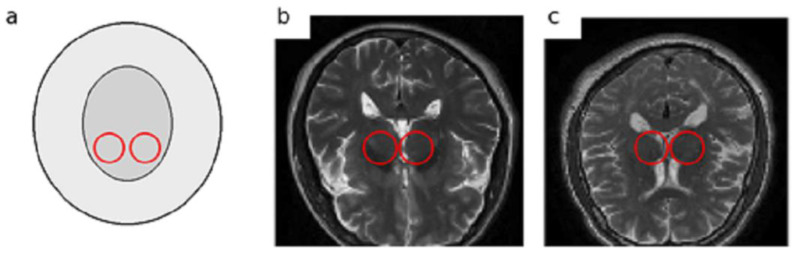 Figure 1
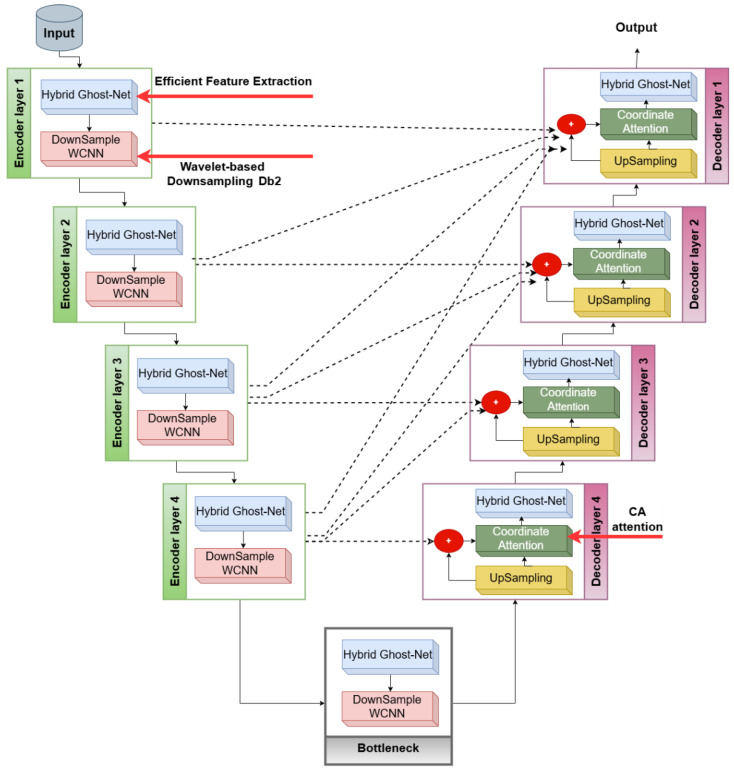 Figure 2
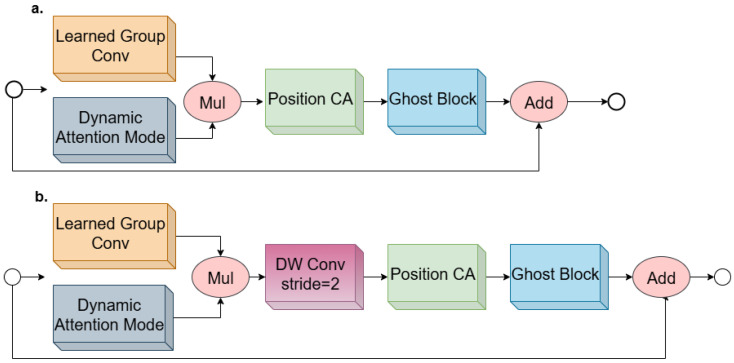 Figure 3
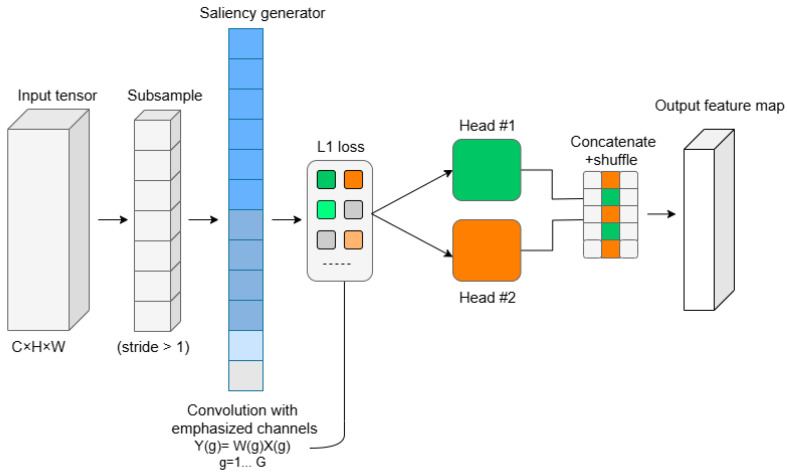 Figure 4
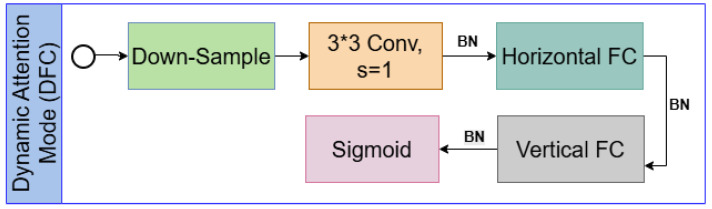 Figure 5
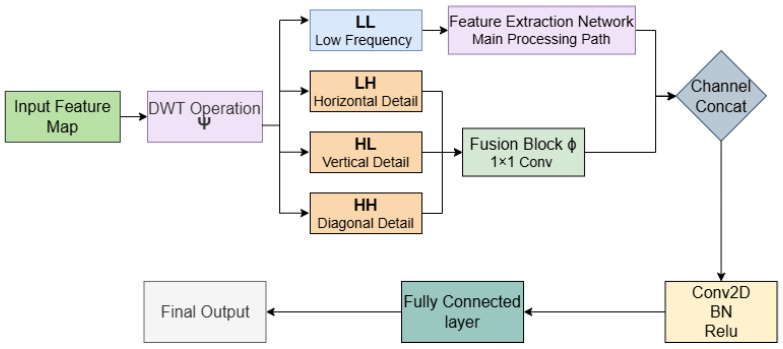 Figure 6
 Figure 7
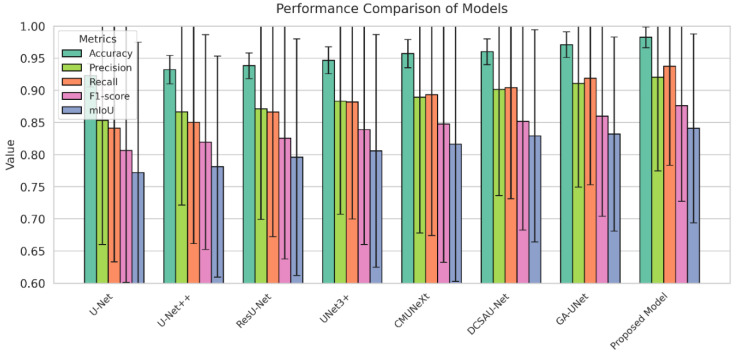 Figure 8
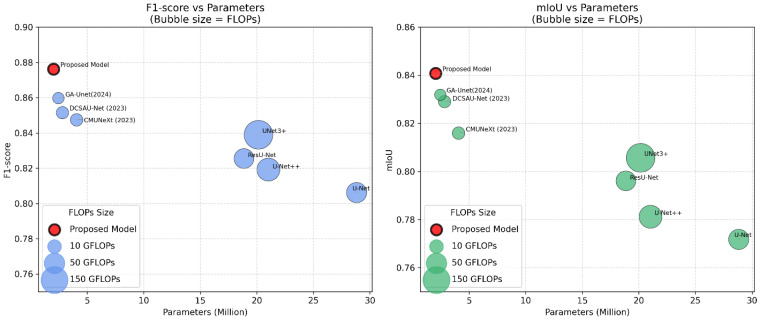 Figure 9
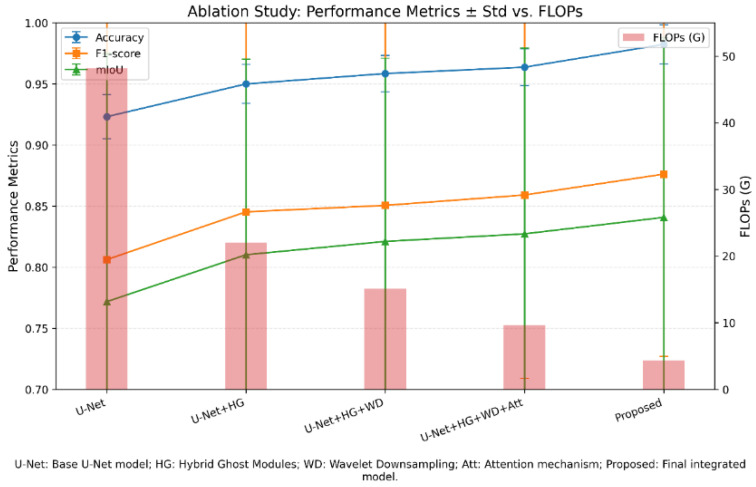 Figure 10
Peer Reviews
No public reviews on file for this paper yet. If you reviewed it on a platform where reviews are public (OpenReview, ICLR, NeurIPS, ICML), you can paste yours below so the community can read it here.
Videos
No videos yet. Explain this paper in a talk, walkthrough, or lecture? Add one.
Taxonomy
TopicsParkinson's Disease Mechanisms and Treatments · Voice and Speech Disorders · Neurological disorders and treatments