Mapping Heterogeneity in Psychological Risk Among University Students Using Explainable Machine Learning
Penglin Liu, Ji Tang, Hongxiao Wang, Dingsen Zhang

TL;DR
This paper introduces a new machine learning framework to identify distinct psychological risk subtypes among university students, aiming to improve mental health interventions.
Contribution
The novel 'predict-explain-discover' pipeline combines XAI and unsupervised learning to uncover heterogeneous risk mechanisms in student mental health.
Findings
Three distinct psychological risk subtypes were identified: academically-driven, socio-emotional, and internal regulatory risks.
Sensitivity analysis confirmed the structural stability of these subtypes based on core features.
The framework aligns with RDoC and supports precision interventions by bridging predictive accuracy with mechanistic understanding.
Abstract
In the post-pandemic era, student mental health challenges have emerged as a critical issue in higher education. However, conventional assessment approaches often treat at-risk populations as a monolithic entity, thereby limiting intervention effectiveness. This study proposes a novel computational framework that integrates explainable artificial intelligence (XAI) with unsupervised learning to decode the latent heterogeneity of psychological risk mechanisms. We developed a “predict-explain-discover” pipeline leveraging TreeSHAP and Gaussian Mixture Models to identify distinct risk subtypes based on a 2556-dimensional feature space encompassing lexical, linguistic, and affective indicators. Our approach identified three theoretically-grounded subtypes: academically-driven (28.46%), socio-emotional (43.85%), and internal regulatory (27.69%) risks. Sensitivity analysis using top-20 core…
Genes, proteins, chemicals, diseases, species, mutations and cell lines named across the full text — each resolved to its canonical identifier and authoritative record.
Click any figure to enlarge with its caption.
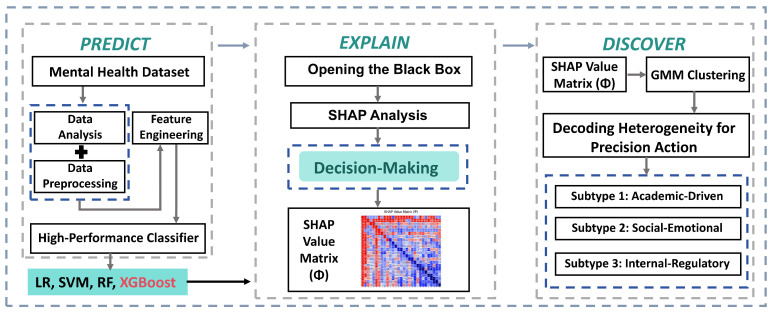 Figure 1
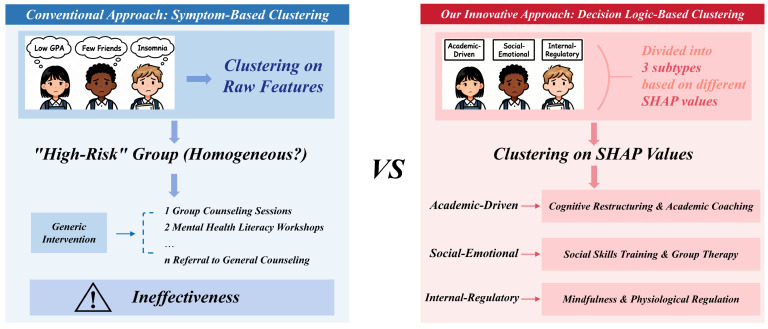 Figure 2
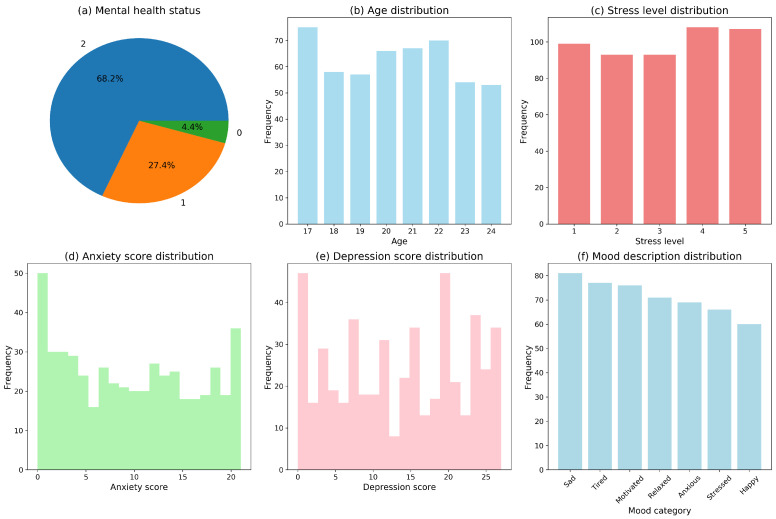 Figure 3
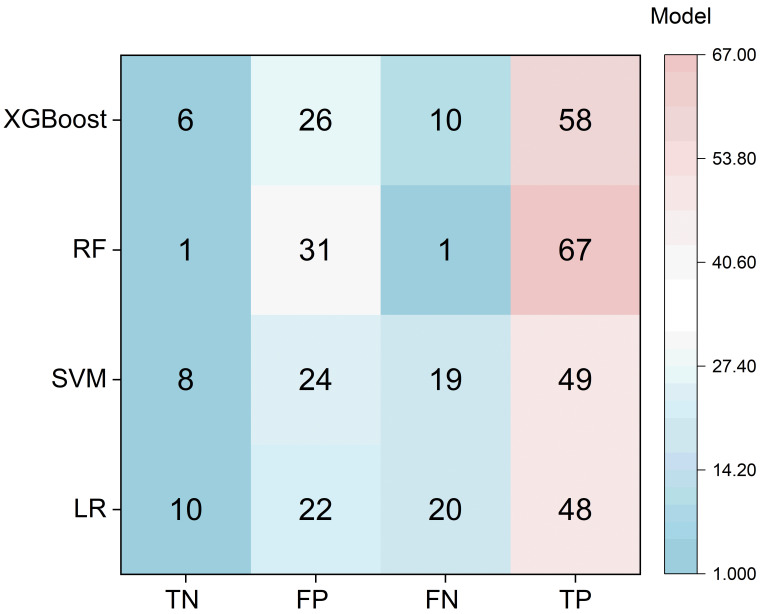 Figure 4
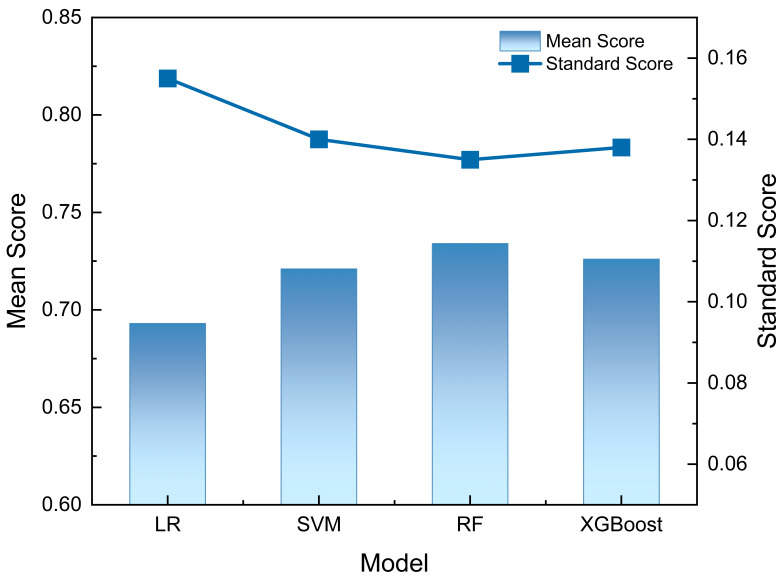 Figure 5
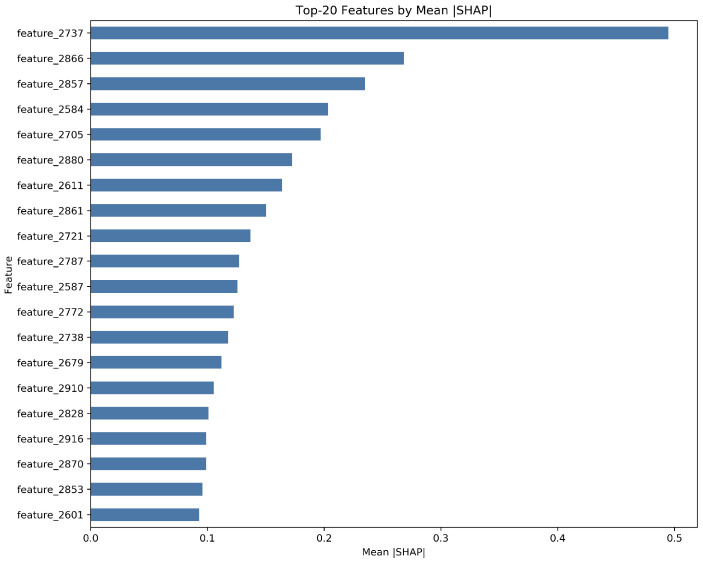 Figure 6
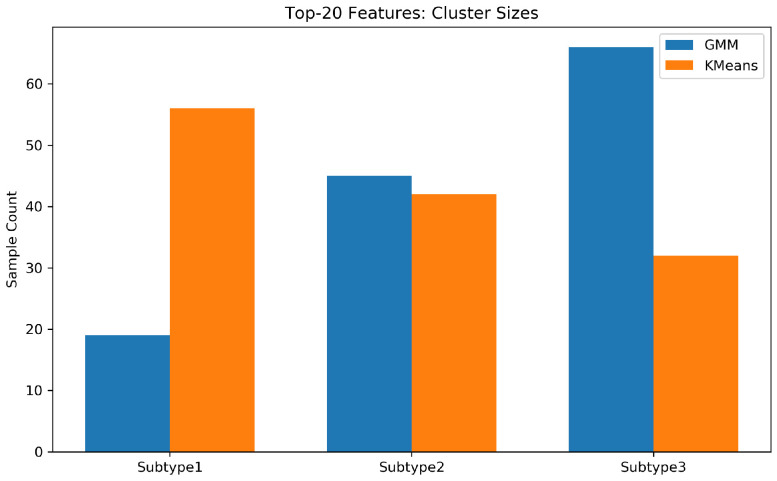 Figure 7
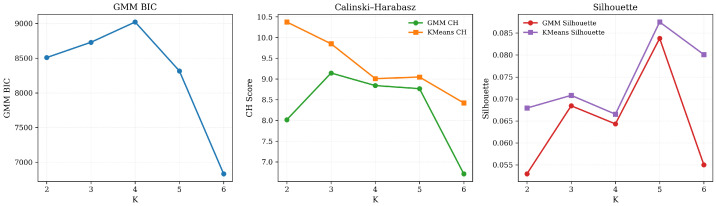 Figure 8
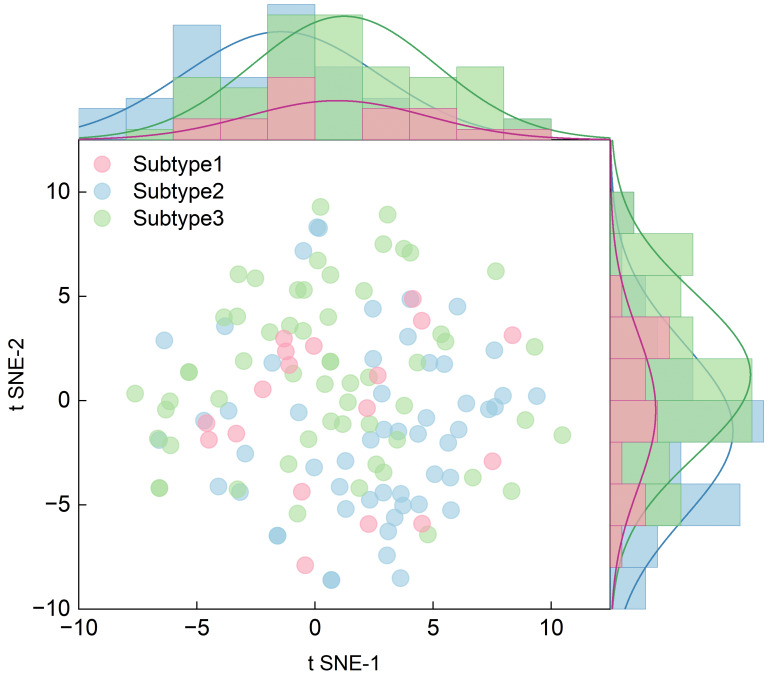 Figure 9
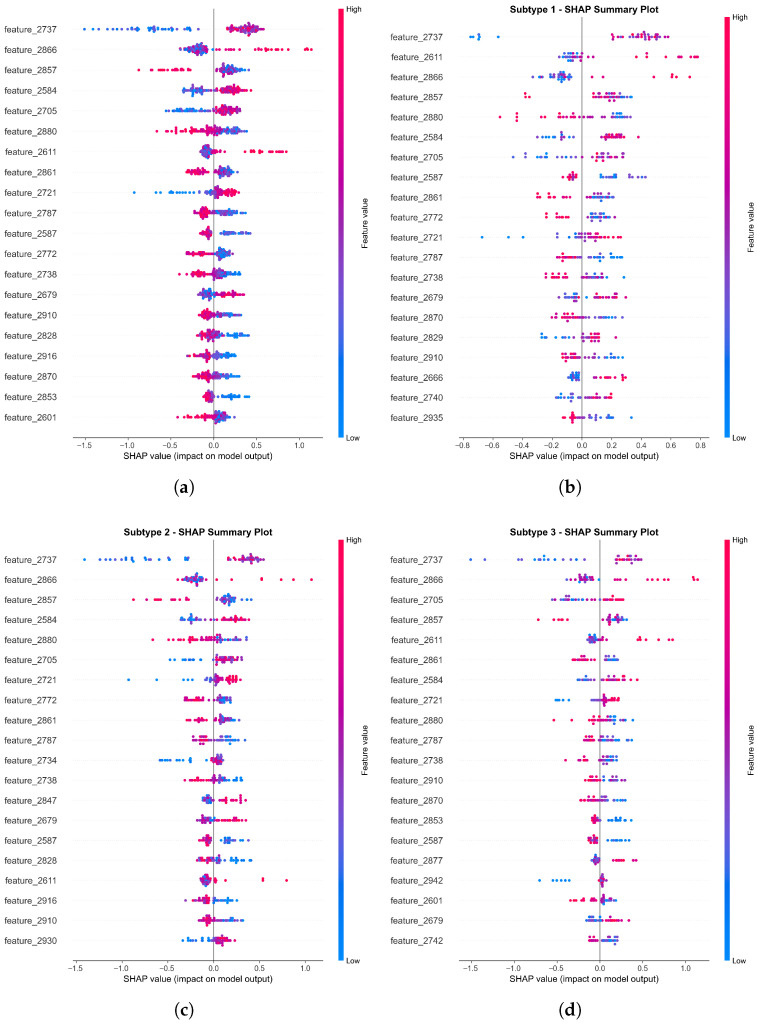 Figure 10
Peer Reviews
No public reviews on file for this paper yet. If you reviewed it on a platform where reviews are public (OpenReview, ICLR, NeurIPS, ICML), you can paste yours below so the community can read it here.
Videos
No videos yet. Explain this paper in a talk, walkthrough, or lecture? Add one.
Taxonomy
TopicsMental Health via Writing · Explainable Artificial Intelligence (XAI) · Intelligent Tutoring Systems and Adaptive Learning