Elucidating the PTK2-Targeted Anti-Hepatocellular Carcinoma Effects of Euphorbia helioscopia L. via Integrated Network Pharmacology, Mendelian Randomization, and Experimental Validation
Jianhua Zhu, Li Qian, Chuanjun Yuan, Jia Sun, Jie Pan, Ting Liu, Yang Jin, Yongjun Li, Lin Zheng, Chunhua Liu, Yuan Lu

TL;DR
This study explores how the traditional Chinese herb Euphorbia helioscopia fights liver cancer by identifying key compounds and biological pathways involved.
Contribution
The study identifies PTK2 as a key target of Euphorbia helioscopia in treating hepatocellular carcinoma using integrated pharmacological and experimental methods.
Findings
104 compounds were identified from Euphorbia helioscopia, with 18 targeting HCC-related proteins.
PTK2 was confirmed as a core target associated with HCC risk through bioinformatics and Mendelian randomization.
ZQ inhibited PTK2/PI3K/AKT phosphorylation and suppressed tumor growth in mice.
Abstract
Euphorbia helioscopia L. (Zeqi, ZQ) is a traditional Chinese herb used to treat various tumors, but its molecular mechanisms against hepatocellular carcinoma (HCC) remain unclear. This study aims to elucidate the anti-HCC mechanisms of ZQ using chemical profiling, bioinformatics, Mendelian randomization (MR), and experimental validation. A total of 104 compounds were identified from ZQ, with 18 targeting HCC-related proteins. Bioinformatics and MR analyses revealed PTK2 as a core target associated with HCC risk. ZQ significantly suppressed H22 tumor growth in male ICR mice and inhibited PTK2/PI3K/AKT phosphorylation. Molecular docking and dynamics simulations confirmed stable binding between key ZQ compounds and PTK2. These results suggest that ZQ exerts anti-HCC effects through PTK2 inhibition and modulation of the PI3K/AKT pathway, supporting its potential as a multi-targeted…
Genes, proteins, chemicals, diseases, species, mutations and cell lines named across the full text — each resolved to its canonical identifier and authoritative record.
Click any figure to enlarge with its caption.
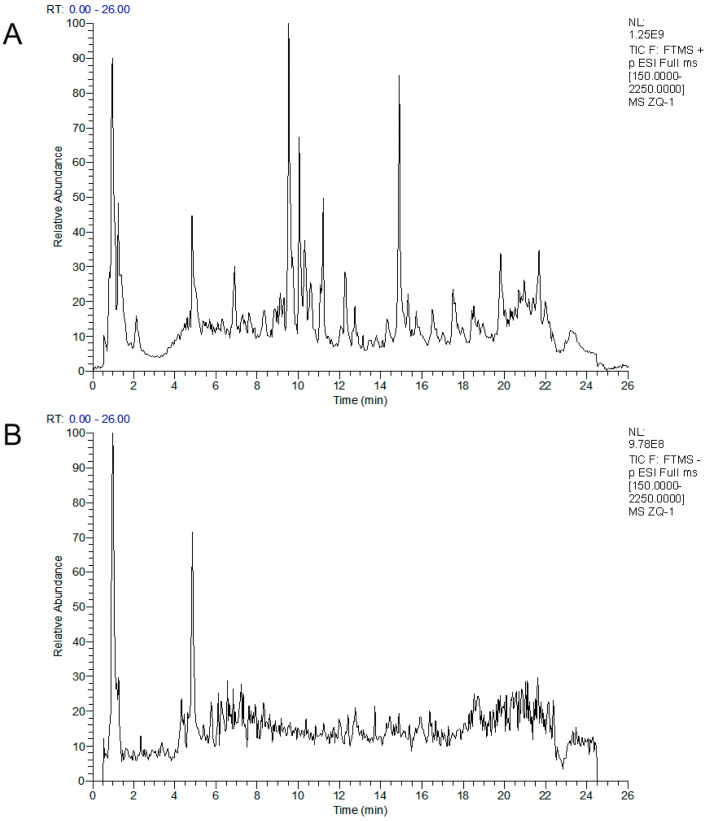 Figure 1
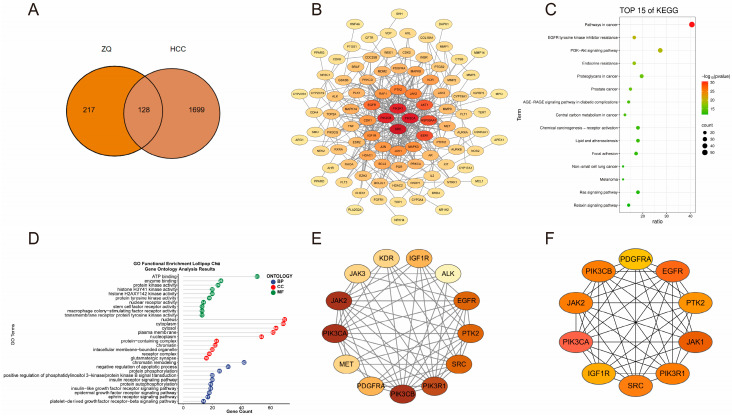 Figure 2
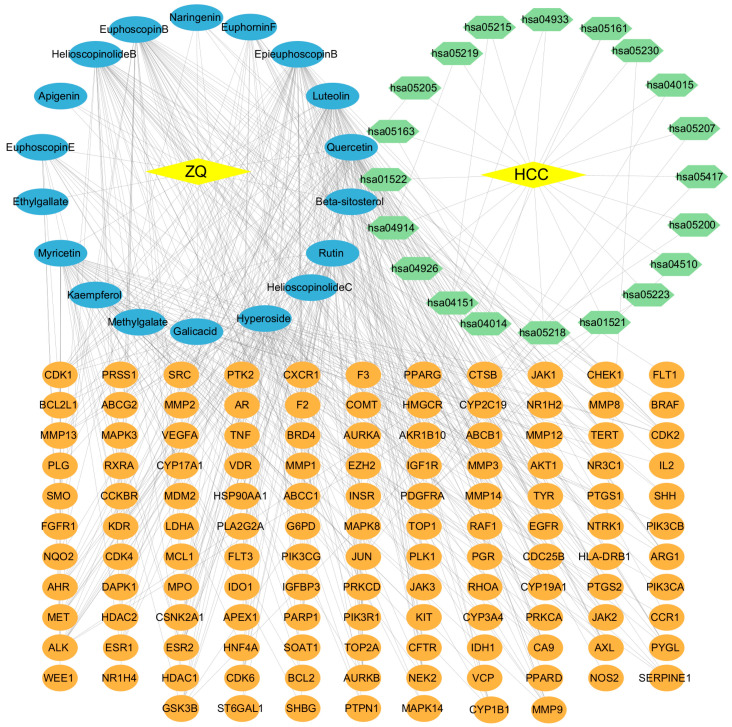 Figure 3
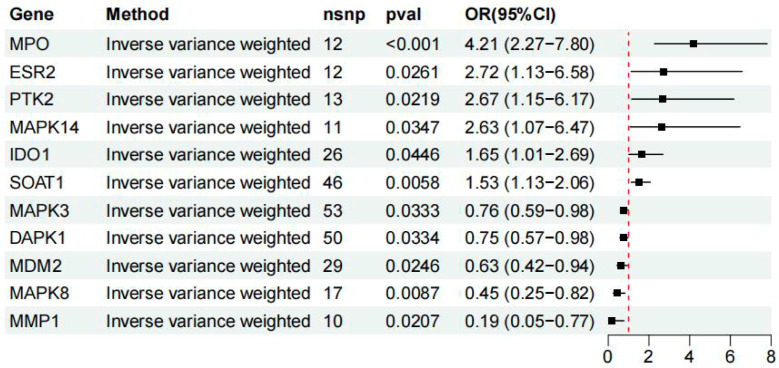 Figure 4
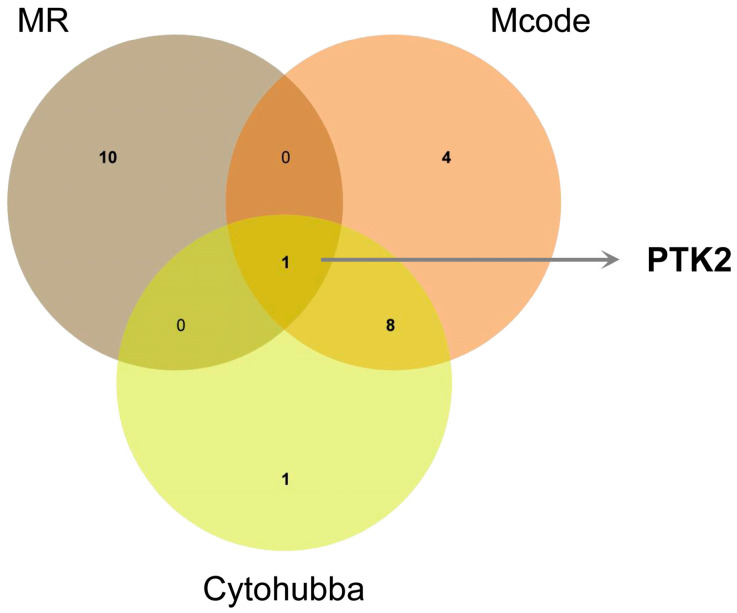 Figure 5
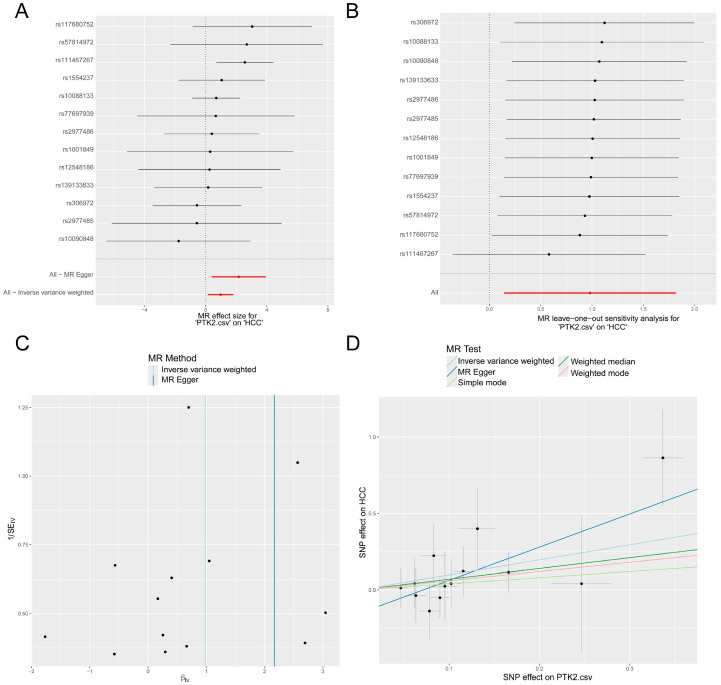 Figure 6
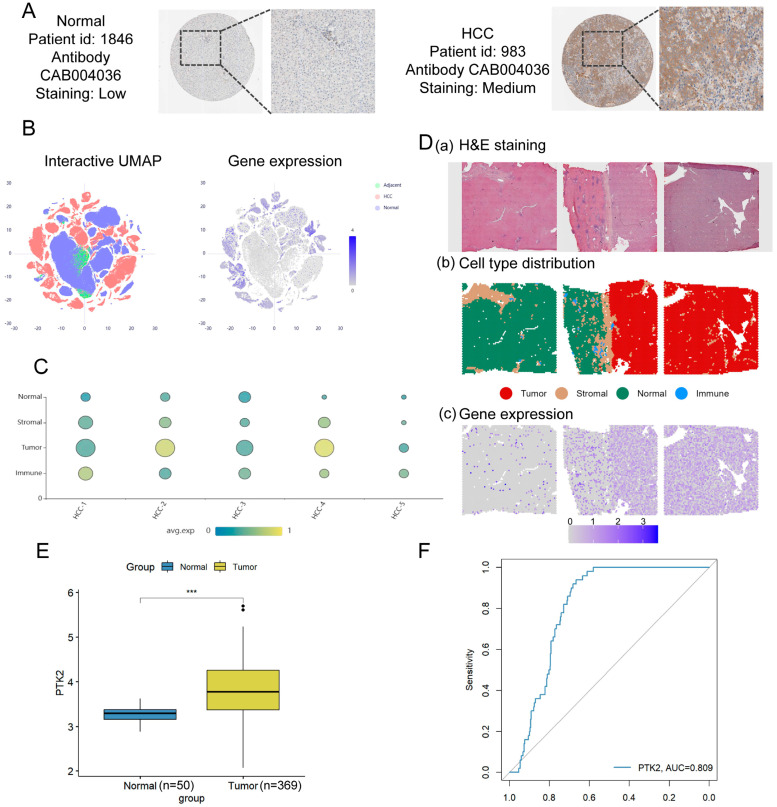 Figure 7
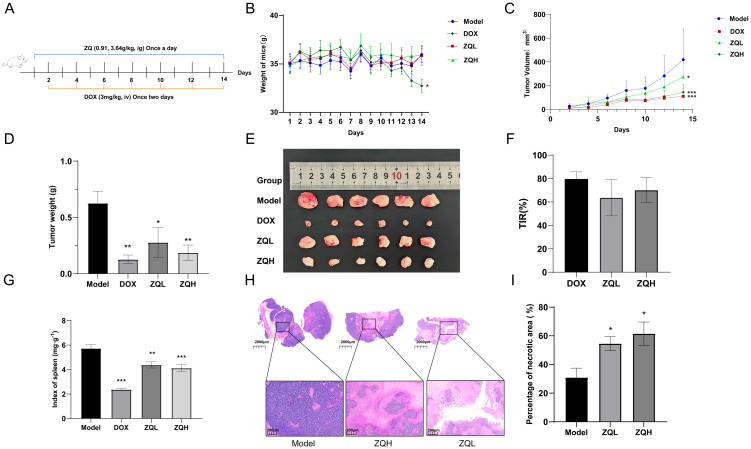 Figure 8
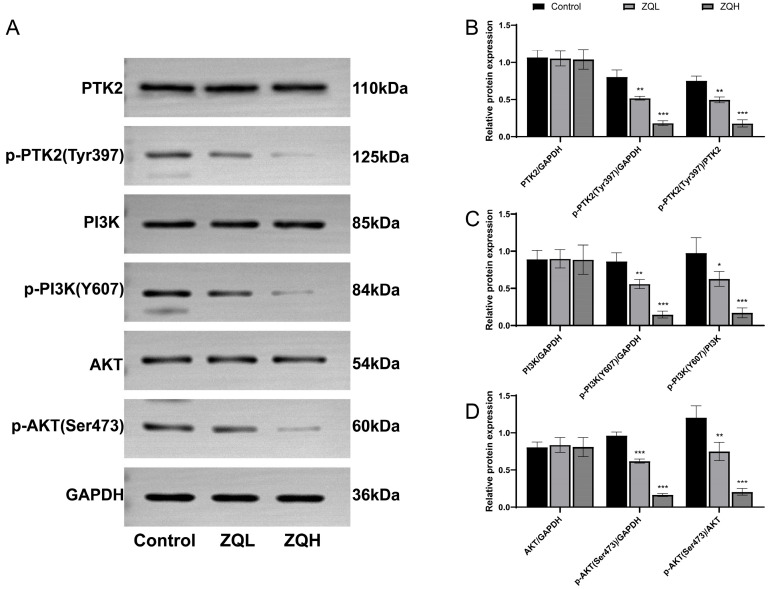 Figure 9
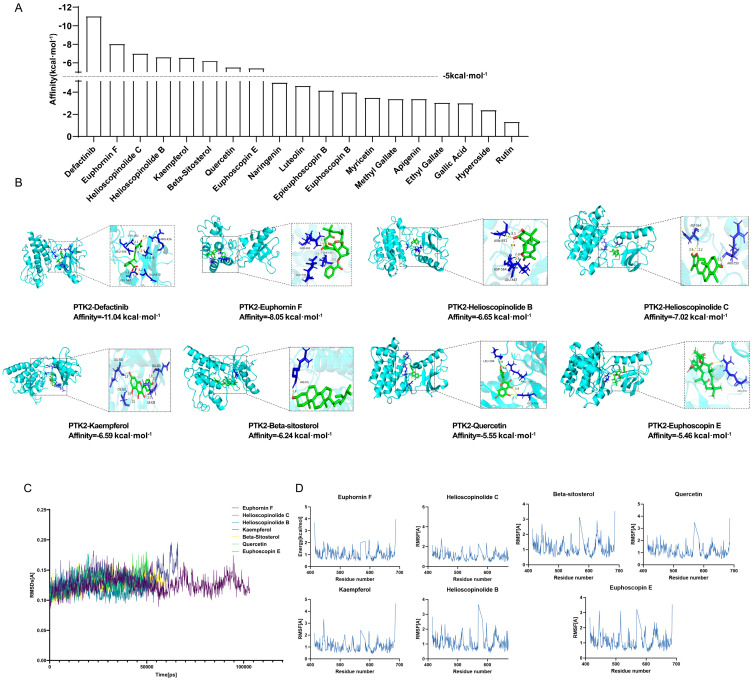 Figure 10
Peer Reviews
No public reviews on file for this paper yet. If you reviewed it on a platform where reviews are public (OpenReview, ICLR, NeurIPS, ICML), you can paste yours below so the community can read it here.
Videos
No videos yet. Explain this paper in a talk, walkthrough, or lecture? Add one.
Taxonomy
TopicsBioactive Natural Diterpenoids Research · Cell death mechanisms and regulation · Phytochemistry and Bioactive Compounds