Endoscopic One-Nostril Transseptal Transsphenoidal Approach for Pituitary Tumors: Back to the Past—A Multi-Center Preliminary Experience and Literature Review
Denis Aiudi, Alessio Iacoangeli, Andrea Mattioli, Simone Russo, Massimo Balbi, Stefano Vecchioni, Michele Luzi, Roberto Trignani, Alberto Califano, Ruggero Antonini, Mario Chiapponi, Fabio Greco, Fabrizio Salvinelli, Kenan Arnautovic, Maurizio Iacoangeli, Maurizio Gladi

TL;DR
This paper introduces a new minimally invasive surgical technique for pituitary tumors that reduces nasal complications while maintaining effectiveness.
Contribution
The study presents the Endoscopic One-Nostril Transseptal Transsphenoidal Approach (EONOTTA) as a novel alternative to traditional pituitary tumor surgery.
Findings
EONOTTA achieved comparable tumor resection rates to traditional methods with fewer nasal complications.
At one-year follow-up, no tumor recurrence was observed in the 40 patients studied.
Patients reported improved quality of life and functional outcomes post-surgery.
Abstract
This study presents the Endoscopic One-Nostril Transseptal Transsphenoidal Approach (EONOTTA) as a minimally invasive surgical technique for selected cases of pituitary macroadenomas. Derived from the classic endoscopic endonasal approach, EONOTTA allows excellent exposure of the sellar region while preserving nasal mucosa and olfactory function. The technique offers comparable disease control to standard endoscopic endonasal approaches, with reduced sinonasal morbidity and postoperative discomfort. Despite limitations such as retrospective design and small sample size, findings support EONOTTA as a safe, efficient alternative for non-extended pituitary tumors requiring limited surgical exposure. Objective: Endoscopic endonasal transsphenoidal pituitary surgery is a diffuse and well-established surgical technique: over the years, the transseptal approach via a nasal mucosal incision…
Genes, proteins, chemicals, diseases, species, mutations and cell lines named across the full text — each resolved to its canonical identifier and authoritative record.
Click any figure to enlarge with its caption.
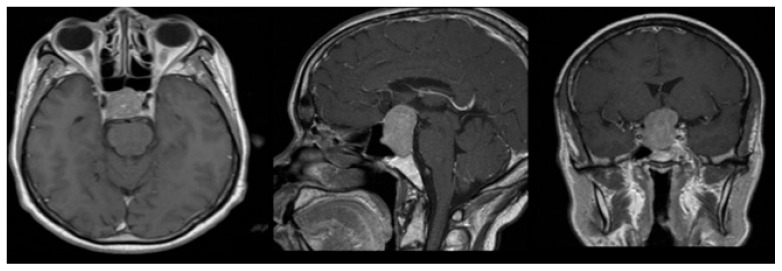 Figure 1
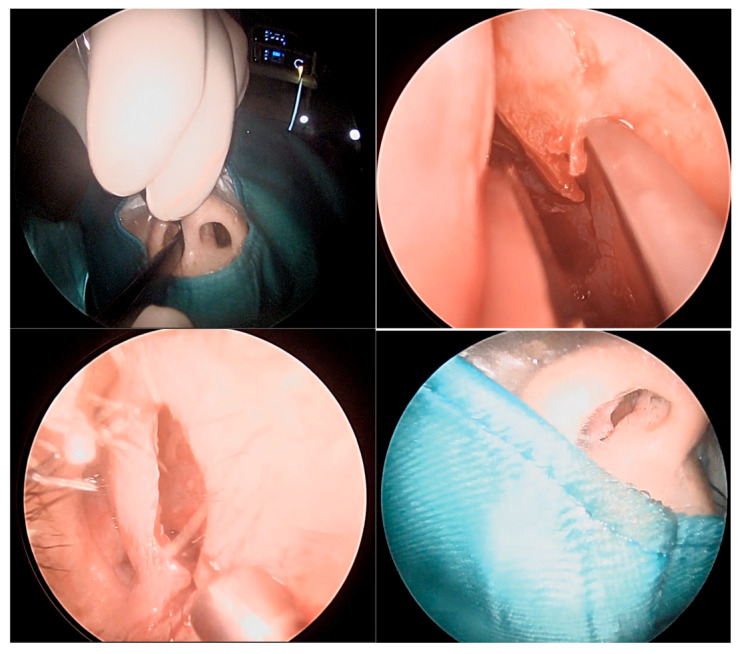 Figure 2
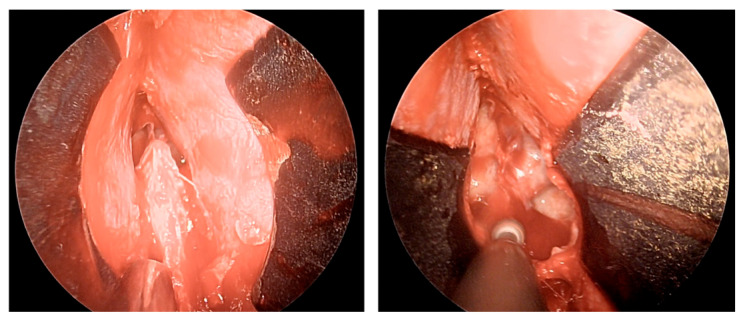 Figure 3
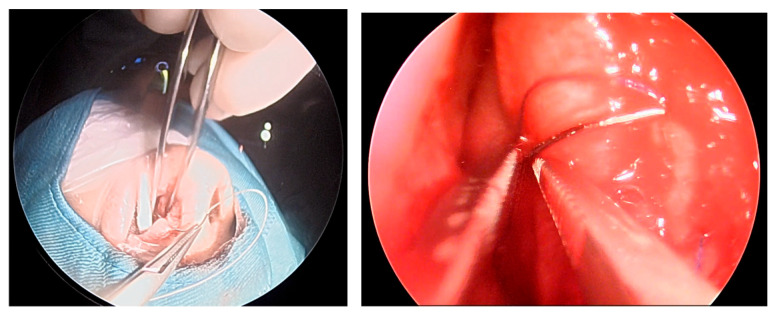 Figure 4
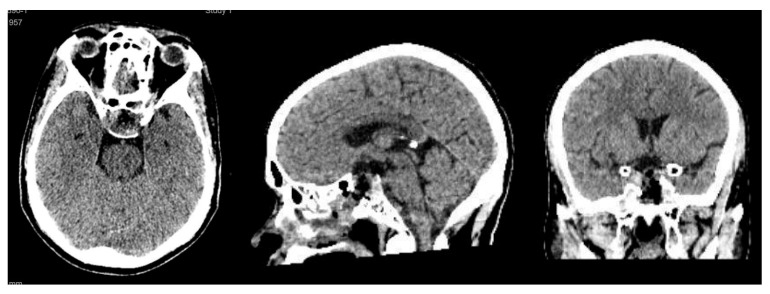 Figure 5
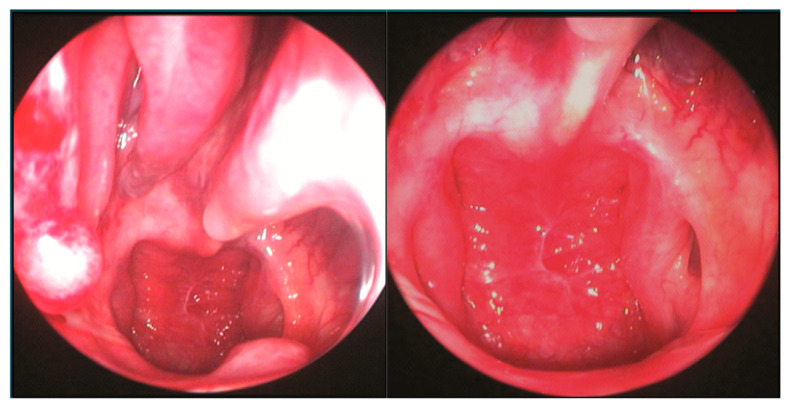 Figure 6
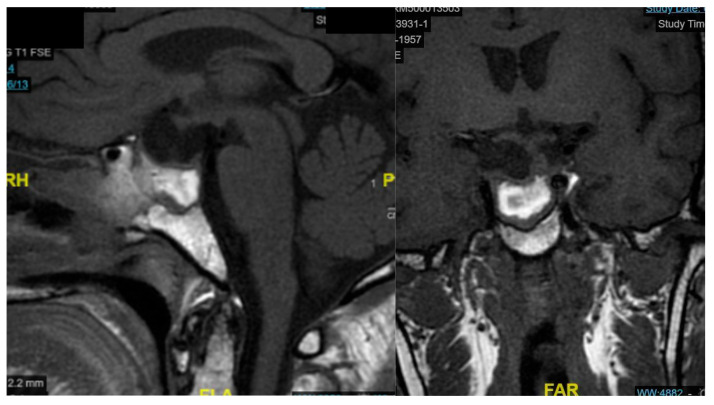 Figure 7
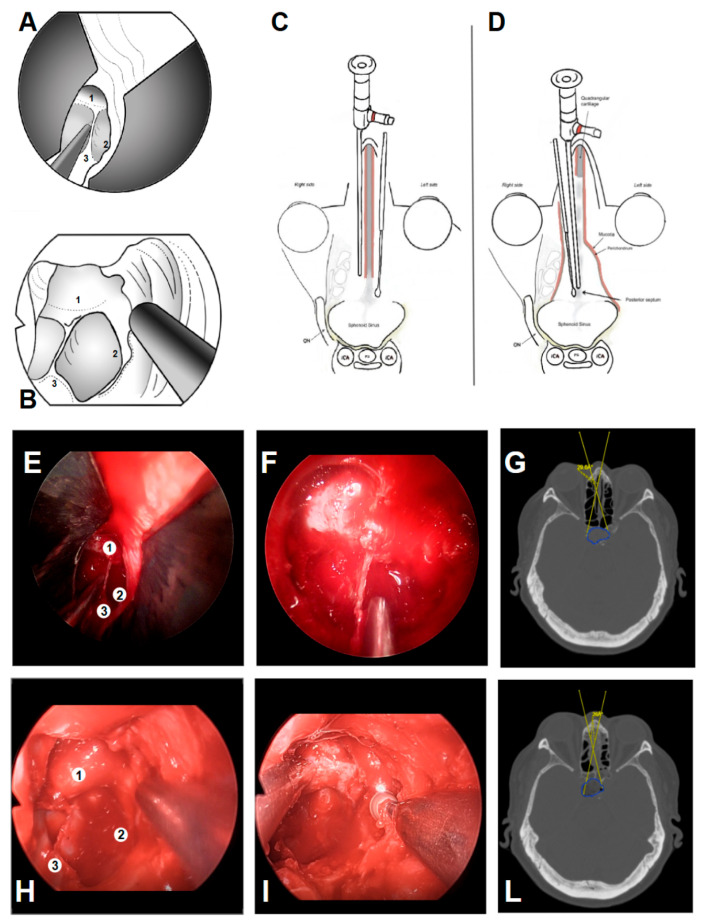 Figure 8
Peer Reviews
No public reviews on file for this paper yet. If you reviewed it on a platform where reviews are public (OpenReview, ICLR, NeurIPS, ICML), you can paste yours below so the community can read it here.
Videos
No videos yet. Explain this paper in a talk, walkthrough, or lecture? Add one.
Taxonomy
TopicsPituitary Gland Disorders and Treatments · Head and Neck Surgical Oncology · Sinusitis and nasal conditions