Structural Characterization, Constipation-Relieving, and Hypolipidemic Activity of Polysaccharides from Fresh and Processed Dendrobium officinale
Tingting Ding, Qingquan Ma, Xin Xu, Caiyue Chen, Ya Song, Xiang Zou, Shuqi Gao, Tingting Zhang, Fengzhong Wang, Jing Sun, Bei Fan

TL;DR
This study compares the structure and health benefits of polysaccharides from fresh and processed Dendrobium officinale, showing how processing affects their ability to relieve constipation and lower lipids.
Contribution
The study reveals how processing Dendrobium officinale alters polysaccharide structure and bioactivity, offering insights for functional food development.
Findings
FDOP has a higher mannose-to-glucose ratio and molecular weight compared to DDOP.
DDOP shows stronger constipation-relieving effects, while FDOP has more pronounced hypolipidemic effects.
Structural differences in polysaccharides correlate with their distinct bioactivities in zebrafish models.
Abstract
Dendrobium officinale (DO) is a traditional medicinal and edible plant whose polysaccharides help modulate gastrointestinal and metabolic functions. Fresh DO is commonly processed into “Fengdou” to prolong shelf life, but the effects of this processing on polysaccharide structure and bioactivity remain unclear. In this study, polysaccharides from fresh DO (FDOP) and Fengdou (DDOP) were isolated, purified, and comparatively characterized. Based on structural analyses, FDOP and DDOP have similar functional groups and O-acetylated pyranosyl structures in both polysaccharides, which are identified as mannose–glucose heteropolysaccharides. However, FDOP was characterized by a higher mannose-to-glucose ratio (79.77:19.57) and molecular weight (187.1 kDa), as well as a more structurally diversified →4-linked backbone. In contrast, DDOP contained more glucose (68.74:30.94) and exhibited a lower…
Genes, proteins, chemicals, diseases, species, mutations and cell lines named across the full text — each resolved to its canonical identifier and authoritative record.
Click any figure to enlarge with its caption.
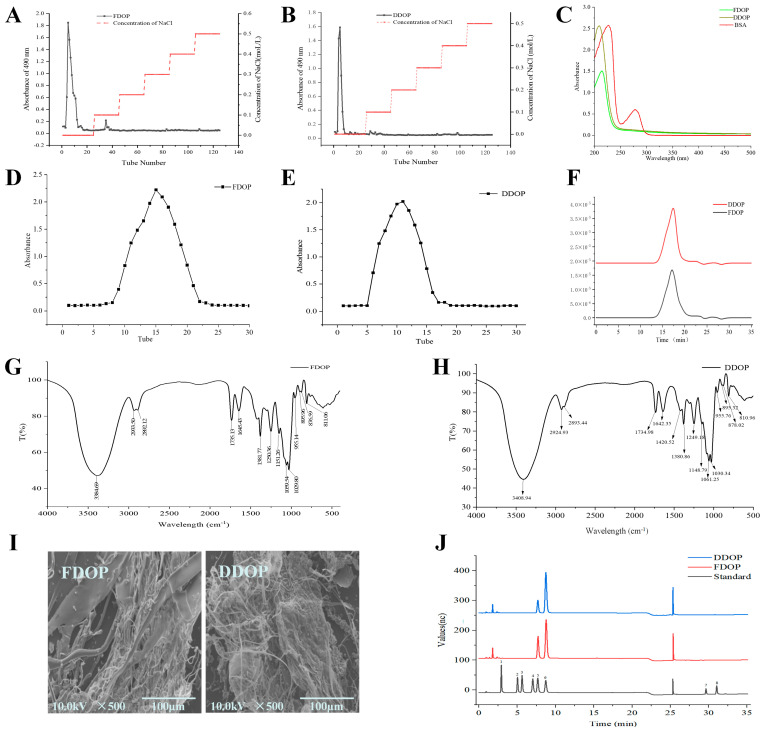 Figure 1
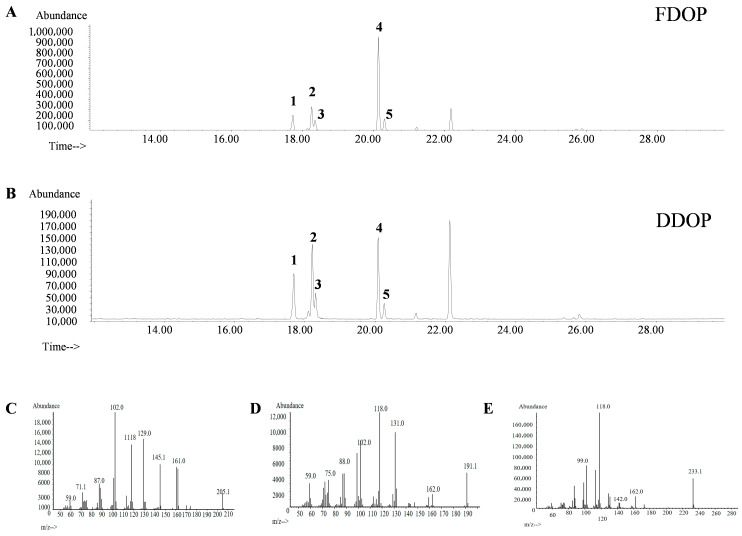 Figure 2
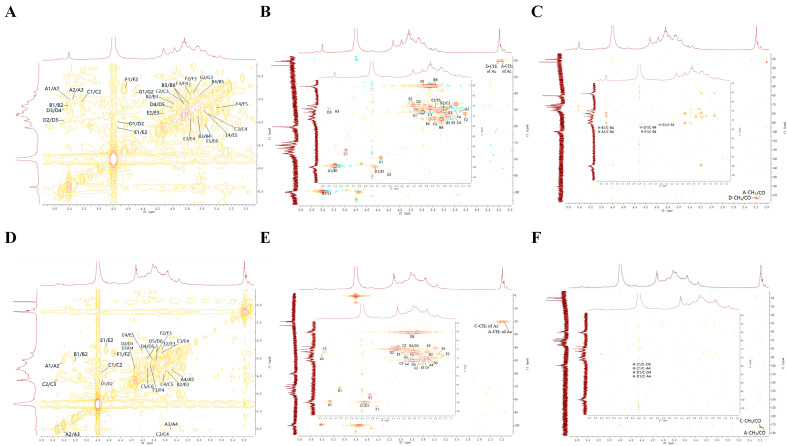 Figure 3
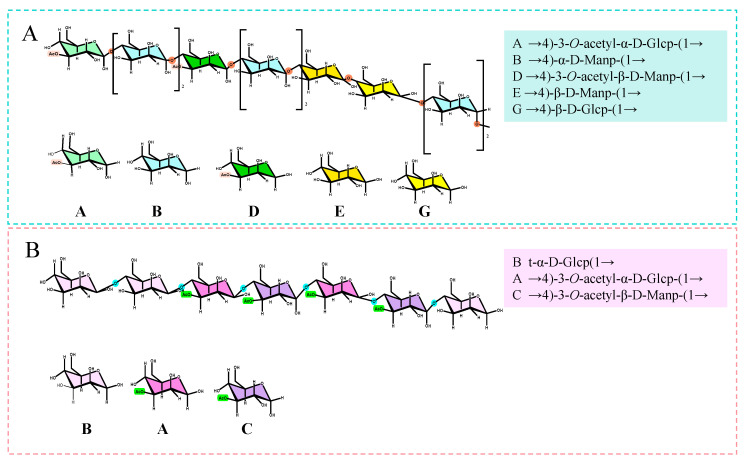 Figure 4
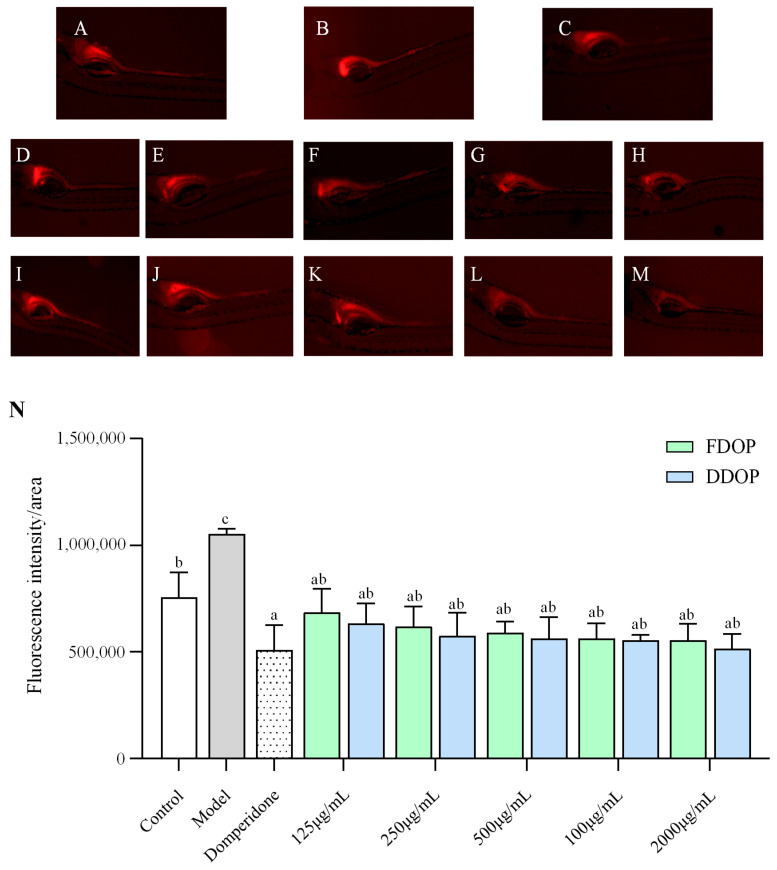 Figure 5
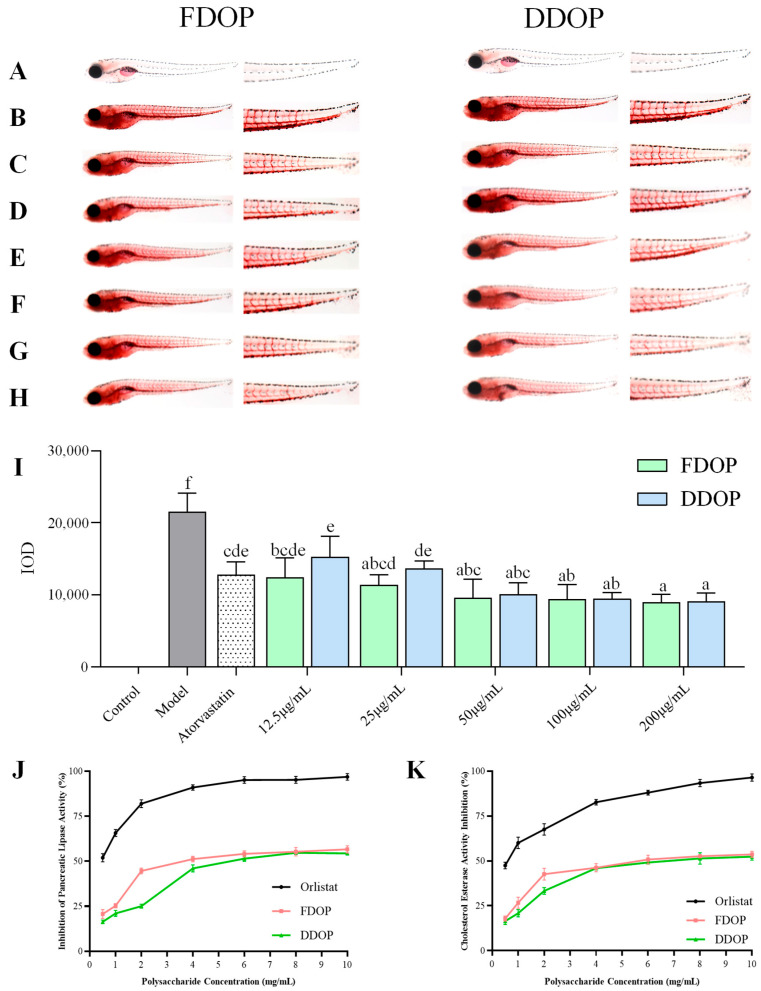 Figure 6
Peer Reviews
No public reviews on file for this paper yet. If you reviewed it on a platform where reviews are public (OpenReview, ICLR, NeurIPS, ICML), you can paste yours below so the community can read it here.
Videos
No videos yet. Explain this paper in a talk, walkthrough, or lecture? Add one.
Taxonomy
TopicsBiological and pharmacological studies of plants · Polysaccharides and Plant Cell Walls · Phytochemistry and biological activity of medicinal plants