Effects of Storage Temperature on the Microbial Flora, Odor, and Quality of Shucked Pacific Oysters Under Mimicked Commercial Shipping Conditions
Nao Watakabe, Kazuho Sakaguchi, Mikiko Tomatsu, Akane Matsumoto, Ayumi Furuta, Takashi Okazaki, Shota Tanimoto

TL;DR
Storing shucked oysters at 0°C instead of 3°C significantly reduces unpleasant odors and bacterial growth, improving overall quality during shipping.
Contribution
The study demonstrates that a slight temperature reduction during storage significantly suppresses odor development and microbial proliferation in shucked oysters.
Findings
Storing oysters at 0°C significantly reduces odor intensity compared to 3°C.
Low temperature inhibits the growth of Psychrilyobacter and Psychromonas and suppresses volatile organic compound production.
0°C storage reduces aldehyde and trimethylamine production in oyster meat and brine.
Abstract
The occurrence of unpleasant odors during the storage of shucked oysters shipped in brine is considered a critical issue in the improvement of oyster quality. This study focused on the storage temperature as a strategy to control odor development and assessed storage conditions at different temperatures. Analyses focused on the bacteria (total viable count and bacterial flora), biochemical induces (pH and total volatile basic nitrogen), and odor (sensory evaluation and volatile organic compounds) of oyster meat and brine. In sensory evaluation and odor sensor measurements, odor intensity remained unchanged at 0 °C but increased significantly at 3 °C. Odor generation was confirmed to be decreased at low temperatures. In addition, compared to 3 °C storage, 0 °C storage effectively suppressed the increase in viable bacterial count, the production of volatile organic compounds, the…
Genes, proteins, chemicals, diseases, species, mutations and cell lines named across the full text — each resolved to its canonical identifier and authoritative record.
Click any figure to enlarge with its caption.
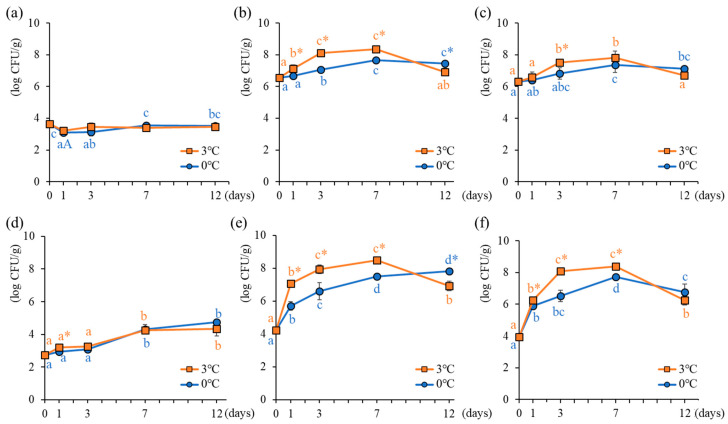 Figure 1
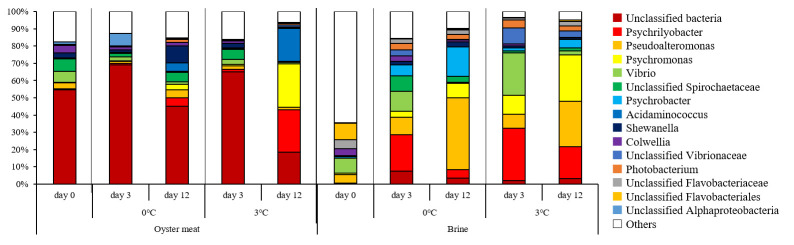 Figure 2
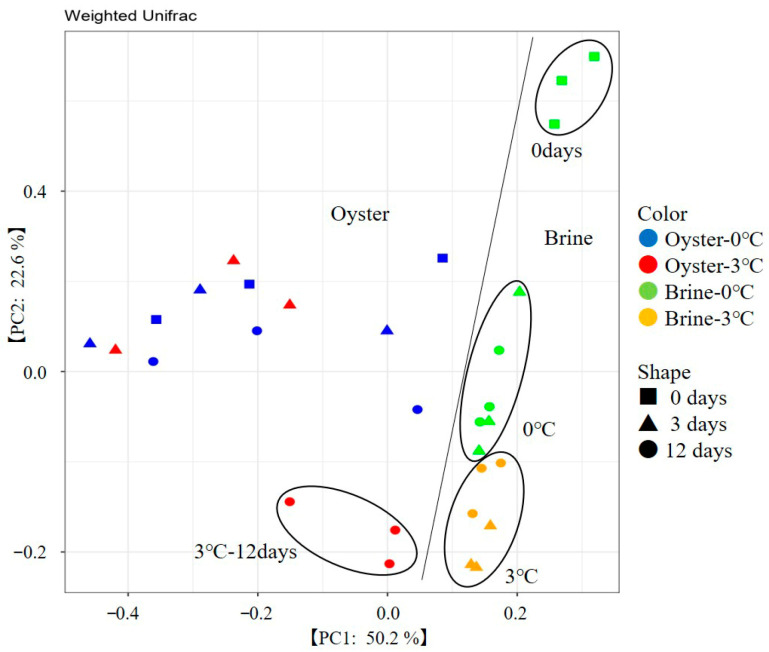 Figure 3
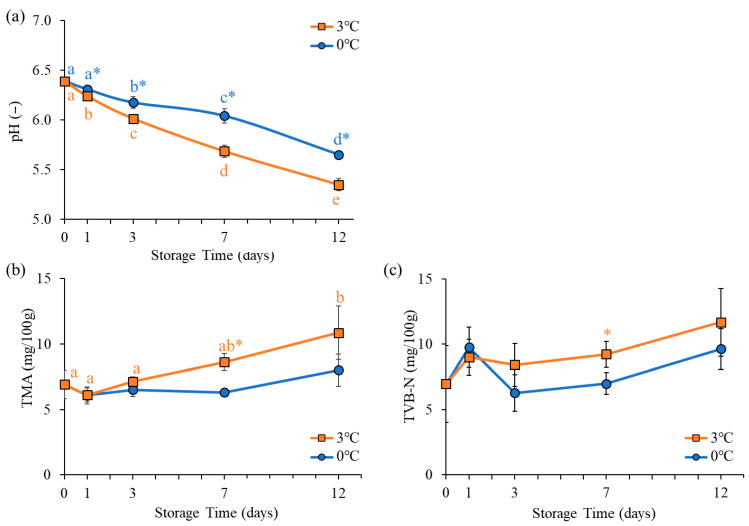 Figure 4
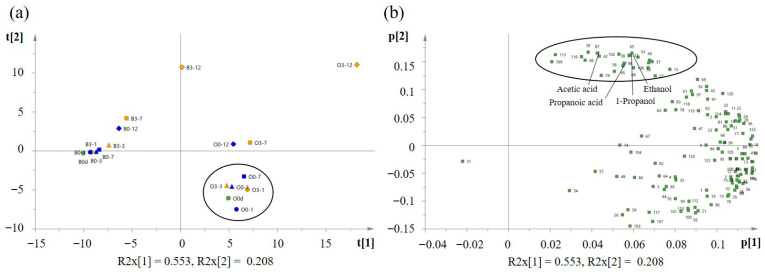 Figure 5
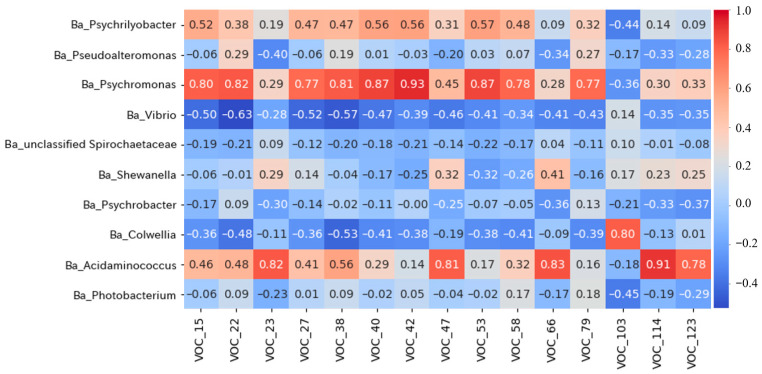 Figure 6
Peer Reviews
No public reviews on file for this paper yet. If you reviewed it on a platform where reviews are public (OpenReview, ICLR, NeurIPS, ICML), you can paste yours below so the community can read it here.
Videos
No videos yet. Explain this paper in a talk, walkthrough, or lecture? Add one.
Taxonomy
TopicsMarine Bivalve and Aquaculture Studies · Meat and Animal Product Quality · Listeria monocytogenes in Food Safety