The Effects of Vasoactive Medications on Mean Circulatory Filling Pressure, Venous Resistance, Systemic Vascular Resistance, Cardiac Index, and Oxygen Extraction After Pediatric Heart Transplant: Leveraging High-Fidelity Physiologic Data
Julia Behrend, George Hoffman, John N. Kheir, Wesam Sourour, Anna Joong, Rohit S. Loomba

TL;DR
This study shows how high-fidelity data can reveal how vasoactive drugs affect venous circulation in pediatric heart transplant patients, helping guide medication choices.
Contribution
The study introduces a method to estimate venous parameters at the bedside using high-fidelity data and demonstrates how vasoactive drugs affect venous tone.
Findings
Vasoactive medications like vasopressin and norepinephrine significantly influence mean circulatory filling pressure and venous resistance.
High-fidelity physiologic data can explain nearly 60% of the variance in venous resistance and mean circulatory filling pressure.
Venous parameters derived from these data can guide the selection and titration of vasoactive medications in clinical settings.
Abstract
What are the main findings? High-fidelity physiologic data can help estimate venous parameters such as mean circulatory filling pressure, venous resistance, and venous return.Vasoactive medications have different effects on the arterial and venous systems. High-fidelity physiologic data can help estimate venous parameters such as mean circulatory filling pressure, venous resistance, and venous return. Vasoactive medications have different effects on the arterial and venous systems. What is the implication of the main finding? Venous parameters can be estimated at the bedside and can help clarify the physiology.Venous parameters can help select appropriate vasoactive medications. Venous parameters can be estimated at the bedside and can help clarify the physiology. Venous parameters can help select appropriate vasoactive medications. Background: The physiologic effects of…
Genes, proteins, chemicals, diseases, species, mutations and cell lines named across the full text — each resolved to its canonical identifier and authoritative record.
Click any figure to enlarge with its caption.
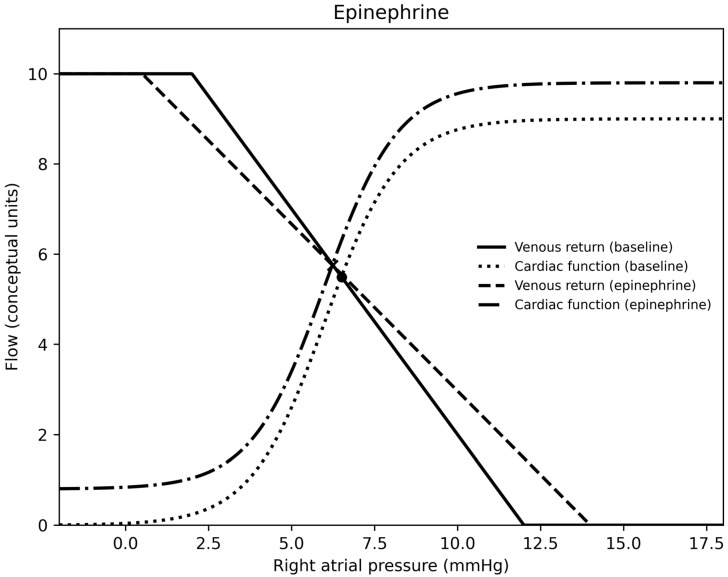 Figure 1
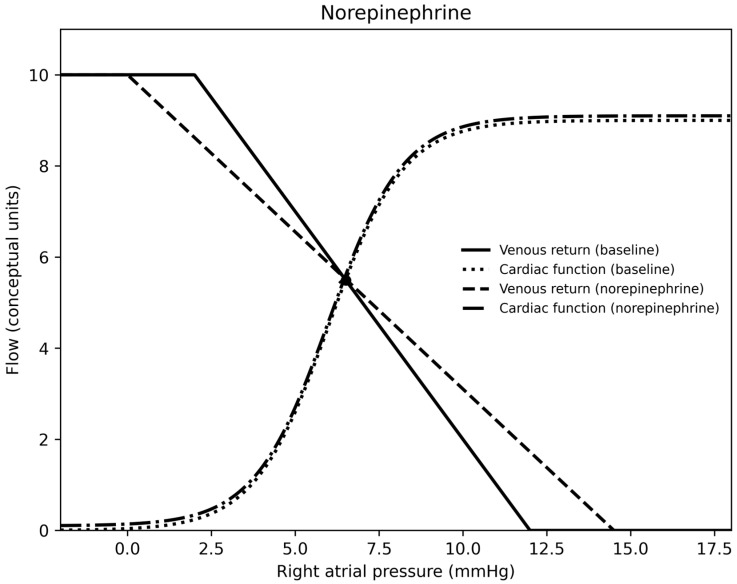 Figure 2
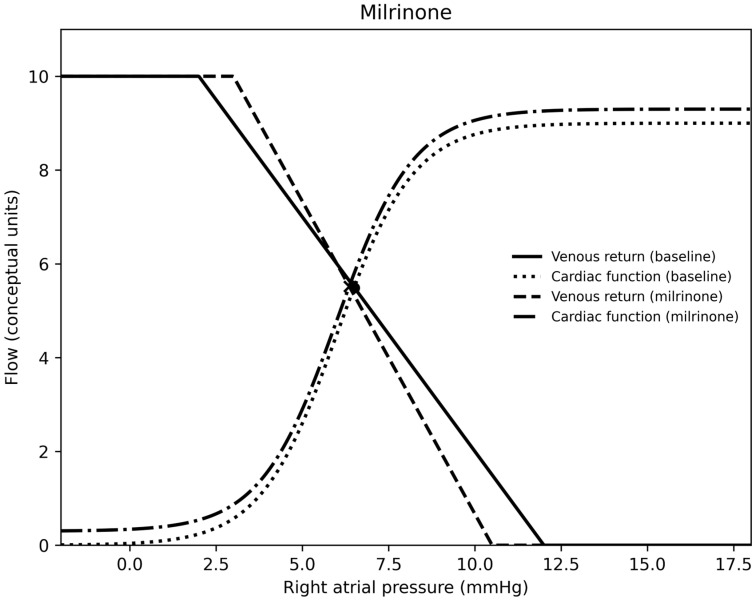 Figure 3
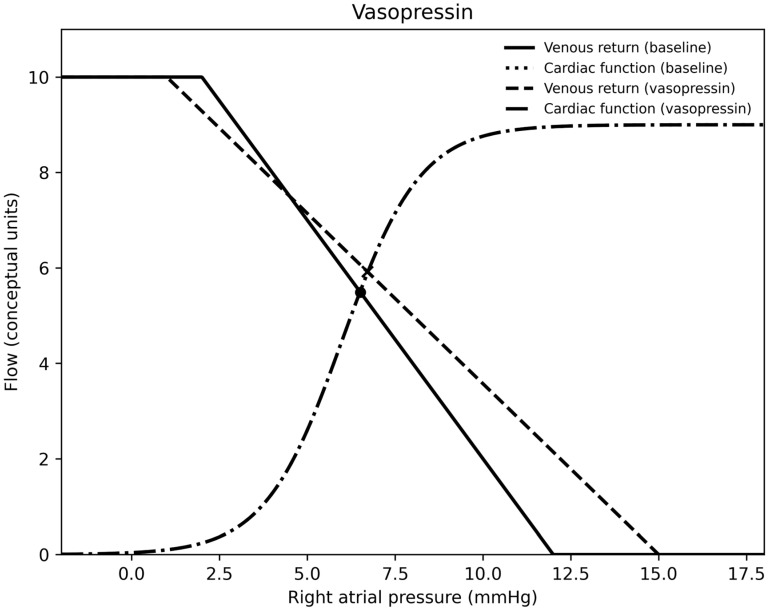 Figure 4
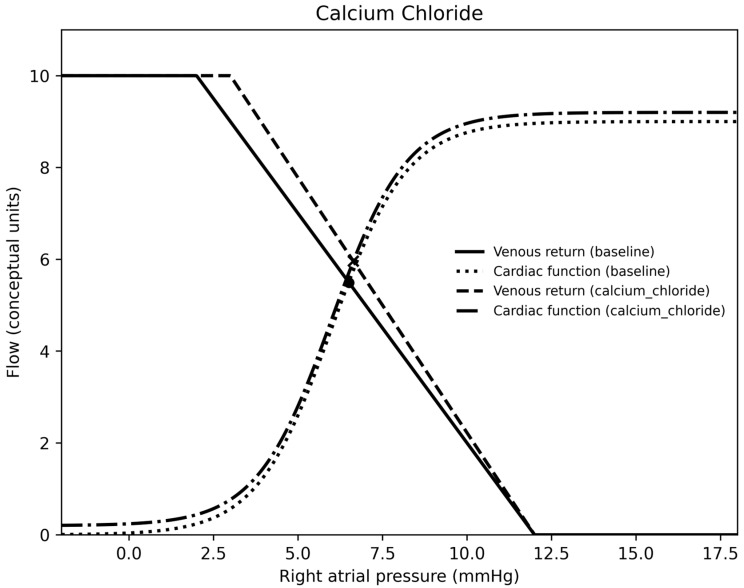 Figure 5
Peer Reviews
No public reviews on file for this paper yet. If you reviewed it on a platform where reviews are public (OpenReview, ICLR, NeurIPS, ICML), you can paste yours below so the community can read it here.
Videos
No videos yet. Explain this paper in a talk, walkthrough, or lecture? Add one.
Taxonomy
TopicsHemodynamic Monitoring and Therapy · Acute Kidney Injury Research · Organ Donation and Transplantation