Restricted Network Reconstruction from Time Series via Dempster–Shafer Evidence Theory
Cai Zhang, Yishu Xian, Xiao Yuan, Meizhu Li, Qi Zhang

TL;DR
This paper introduces a new method for reconstructing complex networks from limited time series data using epidemic dynamics and Dempster–Shafer theory.
Contribution
The novel framework combines epidemic simulations with Dempster–Shafer evidence theory for robust network reconstruction under sparse observations.
Findings
The method achieves high reconstruction accuracy on both synthetic and real-world networks.
It successfully scales to large-scale networks with an average accuracy of 0.85.
The dual-fusion design effectively handles uncertainty and conflict in sparse data.
Abstract
As a fundamental mathematical model for complex systems, complex networks describe interactions among social, infrastructural, and biological systems. However, the complete connection structure is often unobservable, making topology reconstruction from limited data—such as time series of unit states—a crucial challenge. To address network reconstruction under sparse local observations, this paper proposes a novel framework that integrates epidemic dynamics with Dempster–Shafer (DS) evidence theory. The core of our method lies in a two-level belief fusion process: (1) Intra-node fusion, which aggregates multiple independent SIR simulation results from a single seed node to generate robust local evidence represented as Basic Probability Assignments (BPAs), effectively quantifying uncertainty; (2) Inter-node fusion, which orthogonally combines BPAs from multiple seed nodes using DS theory…
Genes, proteins, chemicals, diseases, species, mutations and cell lines named across the full text — each resolved to its canonical identifier and authoritative record.
Click any figure to enlarge with its caption.
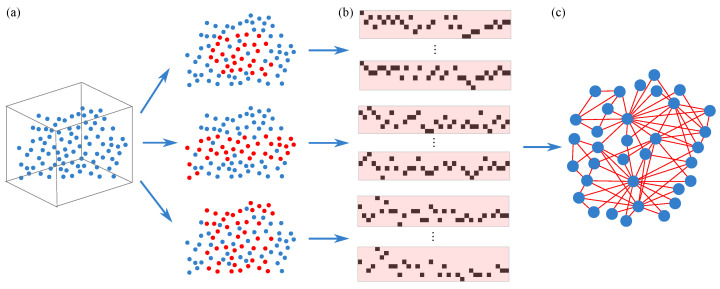 Figure 1
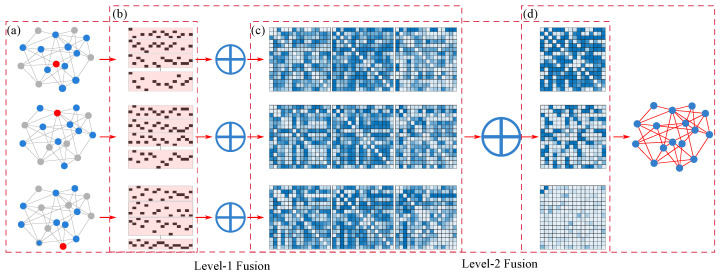 Figure 2
 Figure 3
 Figure 4
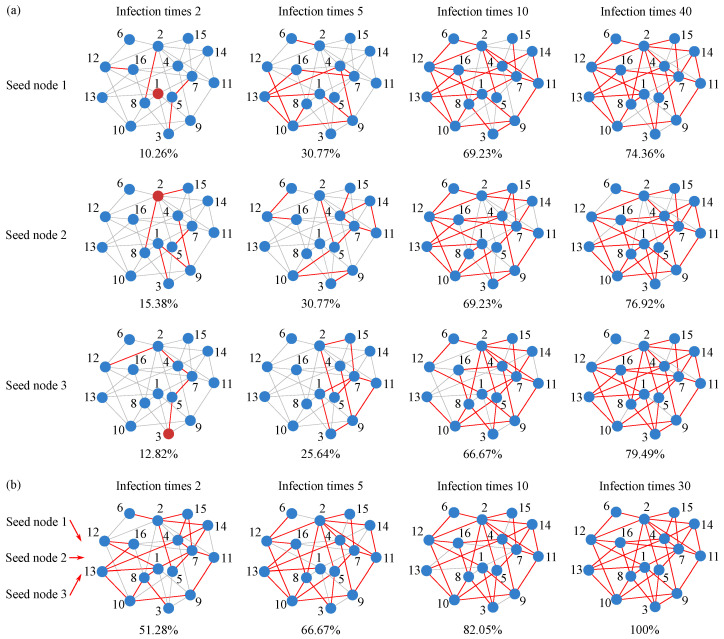 Figure 5
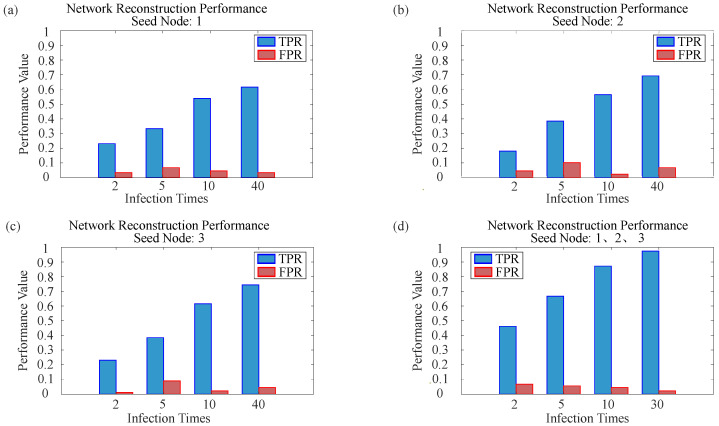 Figure 6
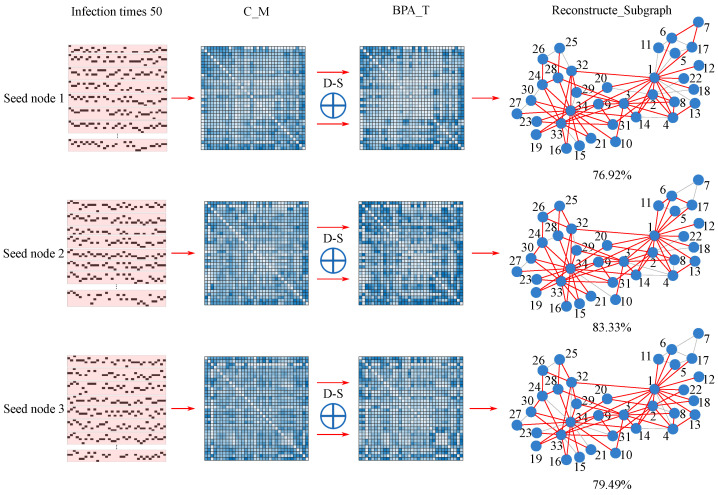 Figure 7
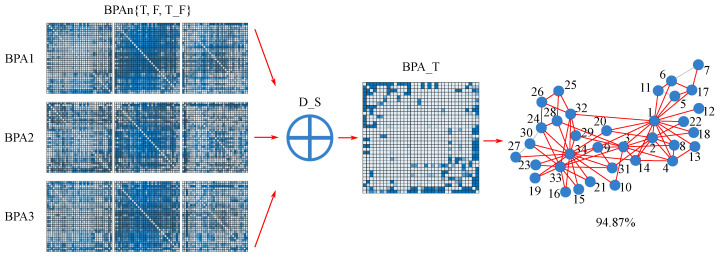 Figure 8
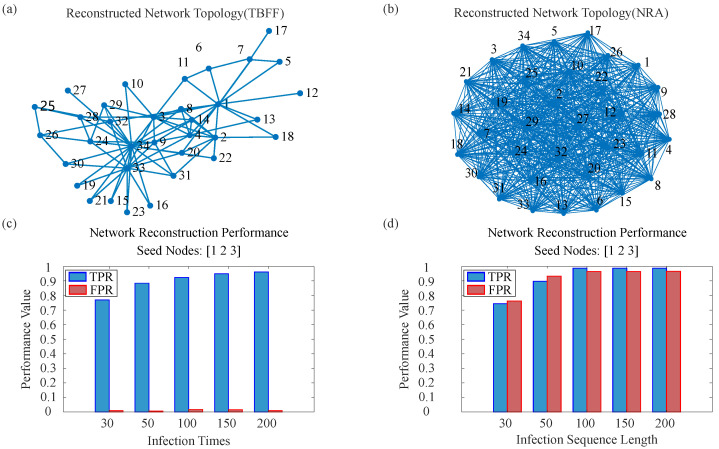 Figure 9
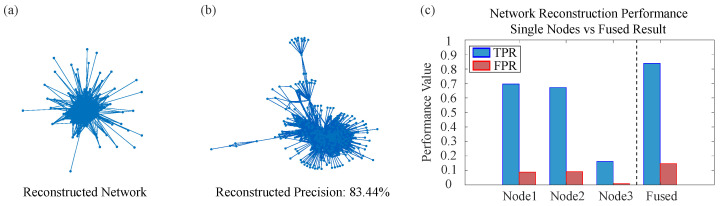 Figure 10
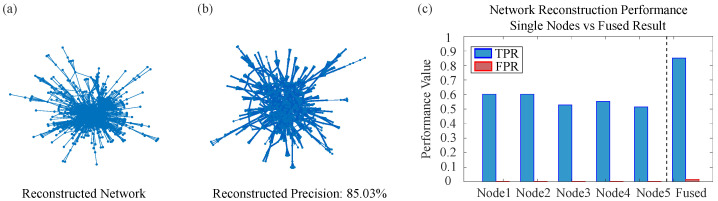 Figure 11
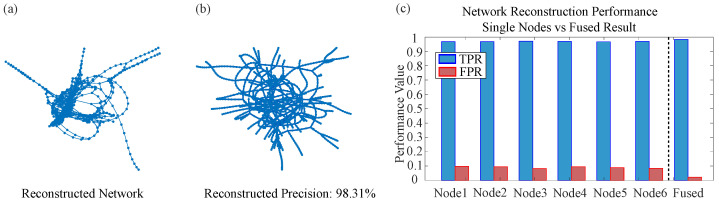 Figure 12
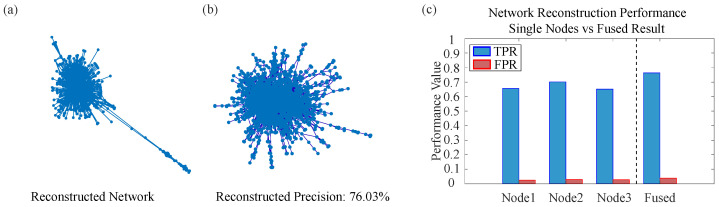 Figure 13
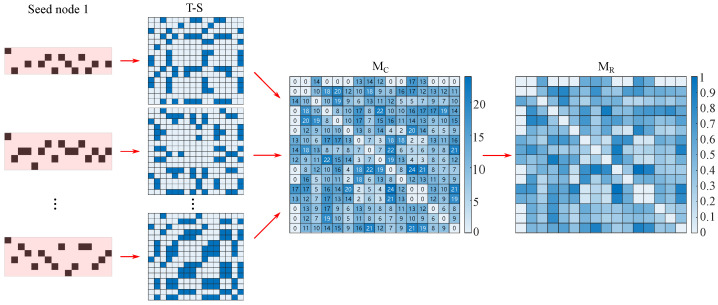 Figure 14
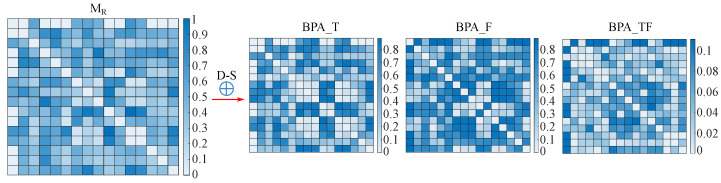 Figure 15
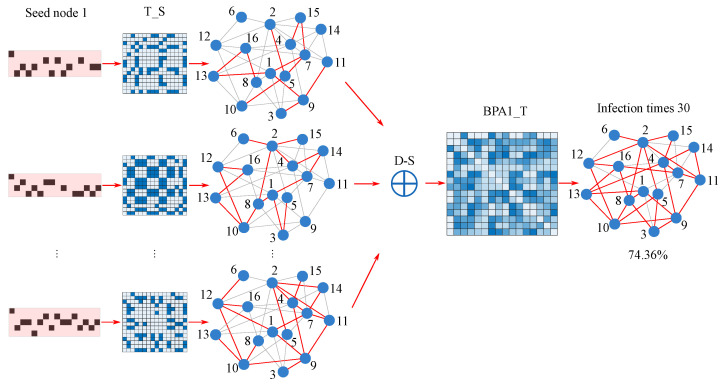 Figure 16
Peer Reviews
No public reviews on file for this paper yet. If you reviewed it on a platform where reviews are public (OpenReview, ICLR, NeurIPS, ICML), you can paste yours below so the community can read it here.
Videos
No videos yet. Explain this paper in a talk, walkthrough, or lecture? Add one.
Taxonomy
TopicsComplex Network Analysis Techniques · Mental Health Research Topics · Advanced Graph Neural Networks