Exome Sequencing Resolving a Complex Pediatric Neurodevelopmental Disorder After Inconclusive Prenatal Testing: A Case Report
Margarita Panova, Hristo Ivanov, Iglika Sotkova-Ivanova

TL;DR
Whole-exome sequencing diagnosed a rare neurodevelopmental disorder in a child after prenatal tests failed to identify the cause.
Contribution
Demonstrates the diagnostic value of trio-based exome sequencing in resolving complex pediatric neurodevelopmental disorders after inconclusive prenatal testing.
Findings
Standard prenatal chromosomal testing failed to detect a monogenic cause of fetal CNS anomalies.
Trio-based whole-exome sequencing identified a de novo pathogenic missense variant in the DDX3X gene.
Earlier use of exome sequencing in complex CNS anomalies could improve diagnostic yield and counseling.
Abstract
What are the main findings? Prenatal chromosomal testing (karyotype, MLPA, and chromosome sequencing) may fail to detect monogenic causes of fetal central nervous system anomalies, even in the presence of ventriculomegaly.Trio-based whole-exome sequencing enabled the definitive postnatal diagnosis of a DDX3X-related neurodevelopmental disorder caused by a de novo pathogenic missense variant. Prenatal chromosomal testing (karyotype, MLPA, and chromosome sequencing) may fail to detect monogenic causes of fetal central nervous system anomalies, even in the presence of ventriculomegaly. Trio-based whole-exome sequencing enabled the definitive postnatal diagnosis of a DDX3X-related neurodevelopmental disorder caused by a de novo pathogenic missense variant. What are the implications of the main findings? Earlier selective implementation of prenatal exome sequencing in fetuses with complex…
Genes, proteins, chemicals, diseases, species, mutations and cell lines named across the full text — each resolved to its canonical identifier and authoritative record.
Click any figure to enlarge with its caption.
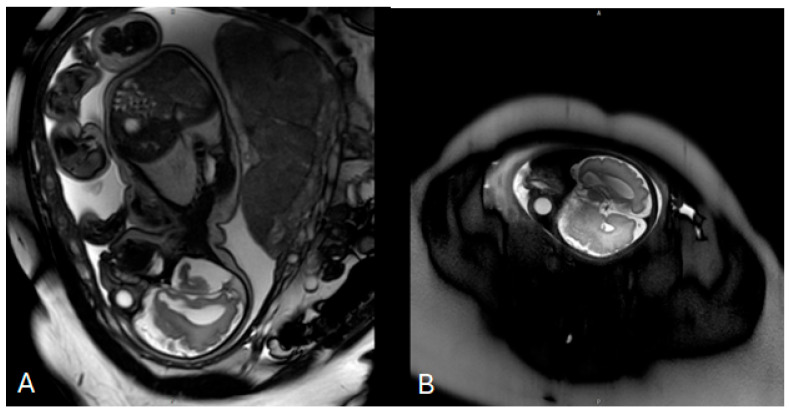 Figure 1
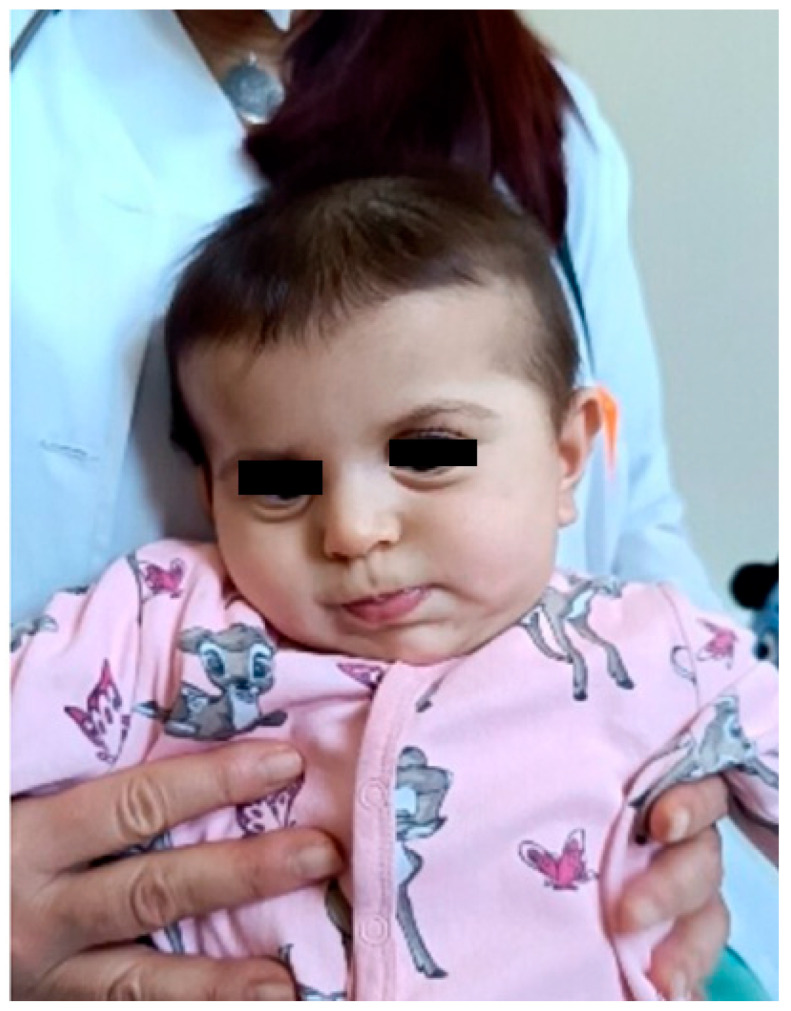 Figure 2
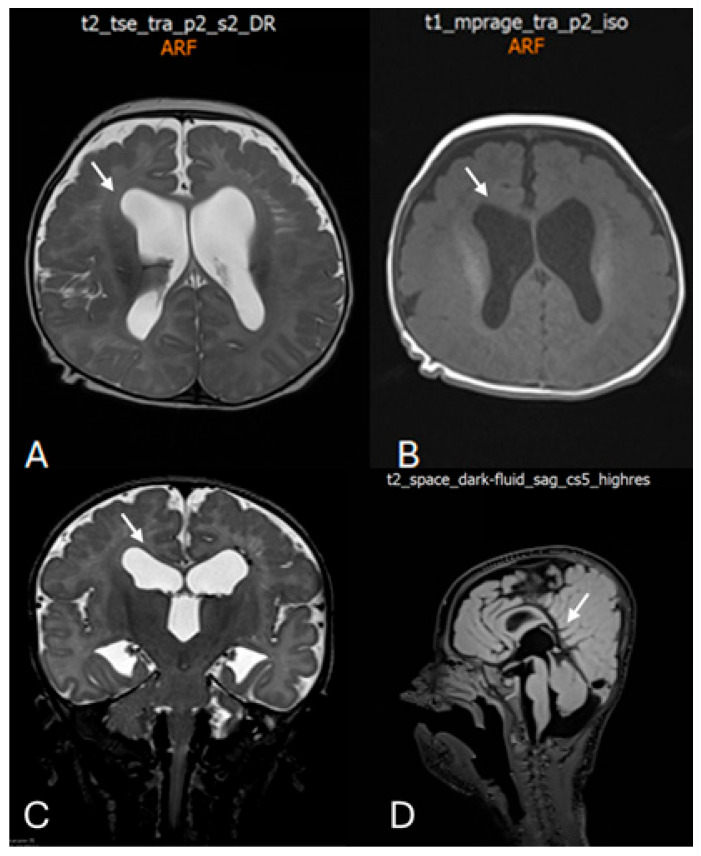 Figure 3
 Figure 4
Peer Reviews
No public reviews on file for this paper yet. If you reviewed it on a platform where reviews are public (OpenReview, ICLR, NeurIPS, ICML), you can paste yours below so the community can read it here.
Videos
No videos yet. Explain this paper in a talk, walkthrough, or lecture? Add one.
Taxonomy
TopicsGenomics and Rare Diseases · Genomic variations and chromosomal abnormalities · Neurogenetic and Muscular Disorders Research