From Gas Chromatography–Mass Spectrometry (GC–MS) to Network Pharmacology: System-Level Insights into the Multi-Target Biological Potential of Flaveria trinervia (Spreng.) C. Mohr
Christopher Torres Flores, Eduardo Pérez-Campos, Laura Pérez-Campos Mayoral, Luis Ángel Laguna-Barrios, Karen Beatriz Méndez-Rodríguez, Francisco Javier Pérez-Vázquez, Eduardo Pérez Campos-Mayoral, Carlos Mauricio Lastre-Domínguez, Efrén Emmanuel Jarquín González

TL;DR
This study explores the chemical compounds in Flaveria trinervia and their potential effects on inflammation and cancer through a combination of chemical analysis and network modeling.
Contribution
The study introduces a novel integration of GC–MS and network pharmacology to uncover the multi-target biological potential of Flaveria trinervia compounds.
Findings
Eleven bioactive compounds were identified, including phytol and germacrene D, with potential anti-inflammatory and anti-cancer properties.
Network analysis revealed key molecular targets like ESR1 and RXRA/B/G linked to apoptosis and immune modulation pathways.
Functional enrichment analysis showed significant associations with cancer-related and neuroendocrine pathways.
Abstract
Flaveria trinervia (Spreng) C. Mohr is a plant traditionally used in Mexican medicine. In this study, gas chromatography–mass spectrometry (GC–MS) combined with network pharmacology was employed to characterize volatile and semi-volatile metabolites from F. trinervia leaves and to explore their potential system-level mechanisms of action in inflammatory and tumor-related disorders. A dual extraction strategy (hexane/dichloromethane and acetone/chloroform) was applied, followed by GC–MS-based compound identification. Putative molecular targets were predicted using established pharmacological databases, and protein–protein interaction networks were constructed to identify topological features and enriched biological pathways. A total of 11 bioactive compounds were tentatively identified with an identity level of ≥80%, with seven shared between both extracts, including phytol, germacrene…
Genes, proteins, chemicals, diseases, species, mutations and cell lines named across the full text — each resolved to its canonical identifier and authoritative record.
Click any figure to enlarge with its caption.
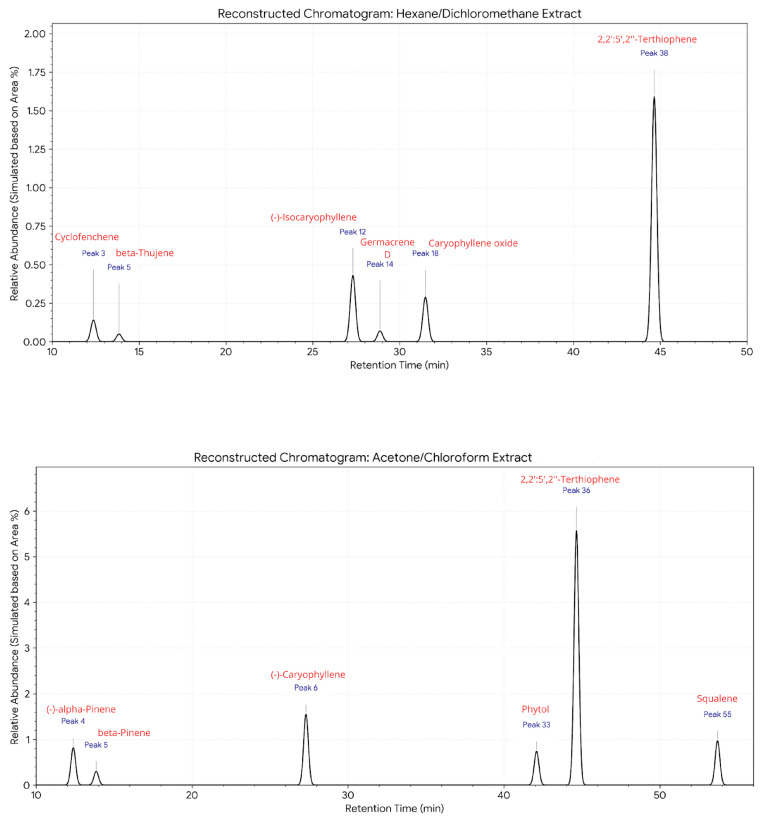 Figure 1
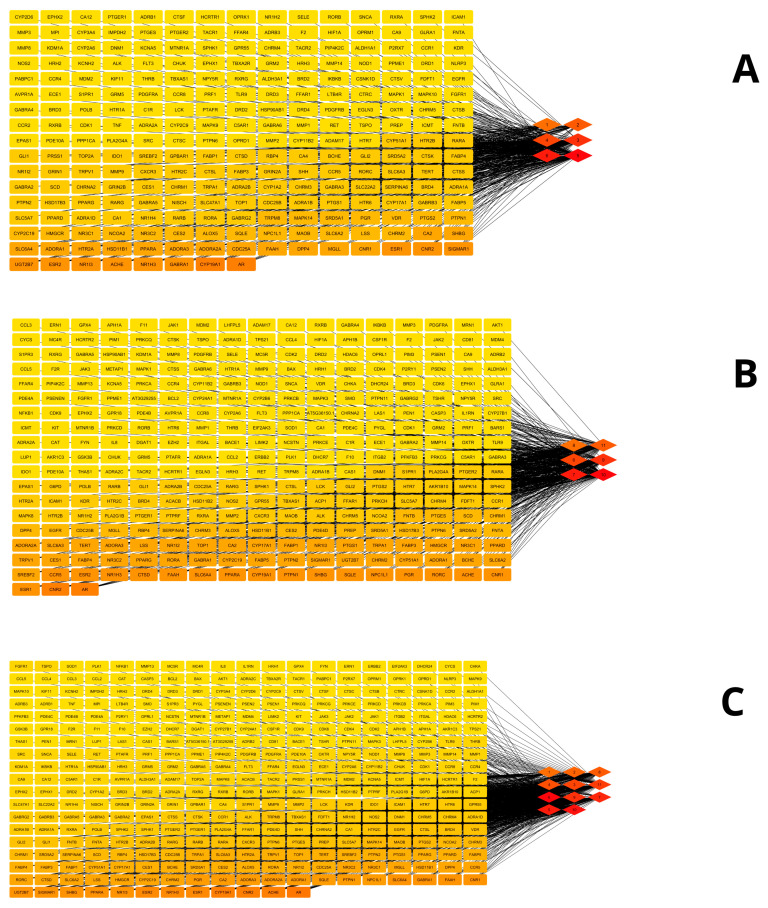 Figure 2
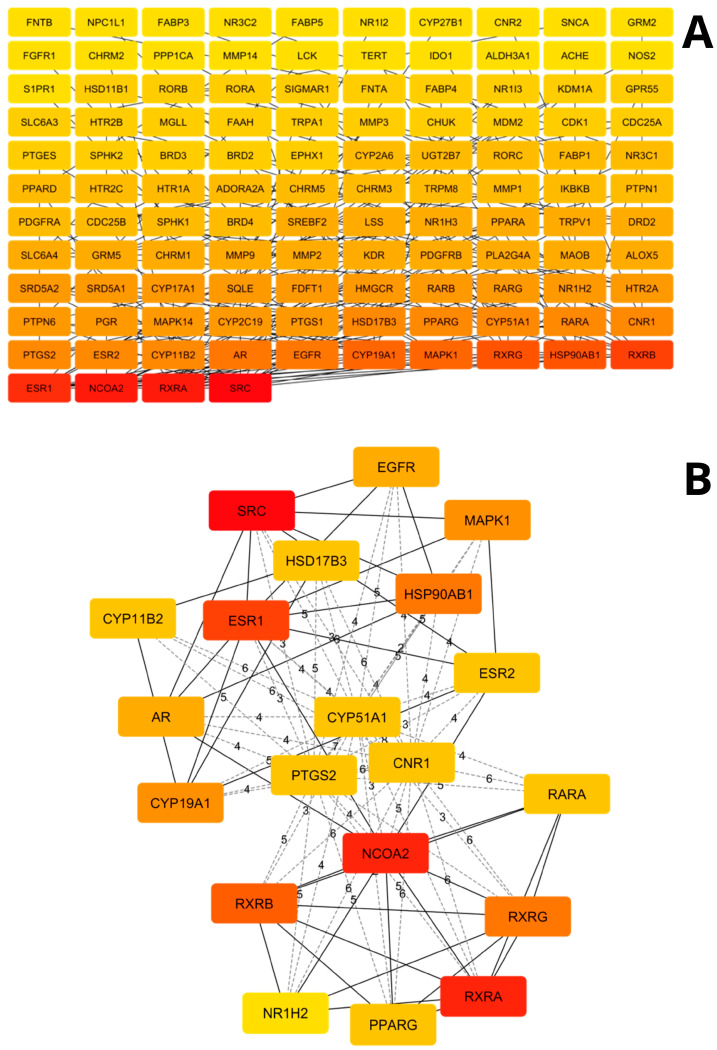 Figure 3
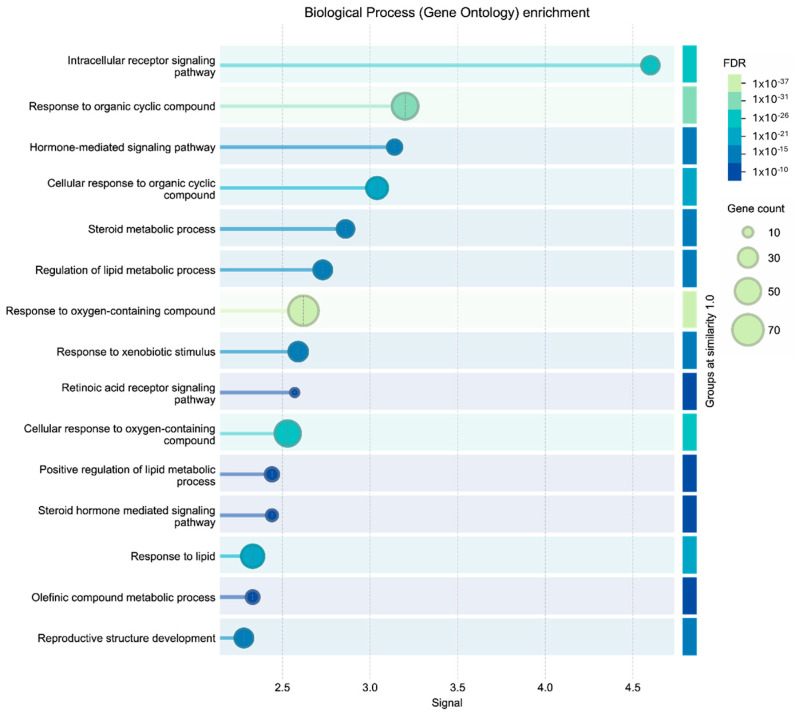 Figure 4
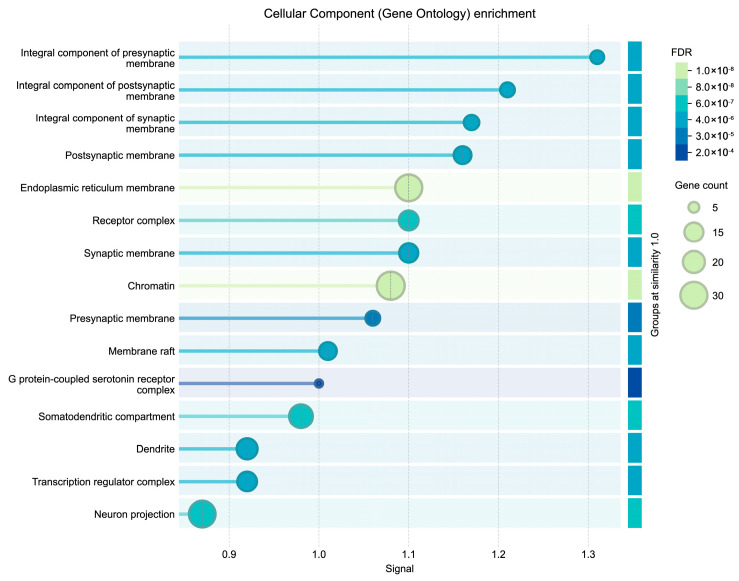 Figure 5
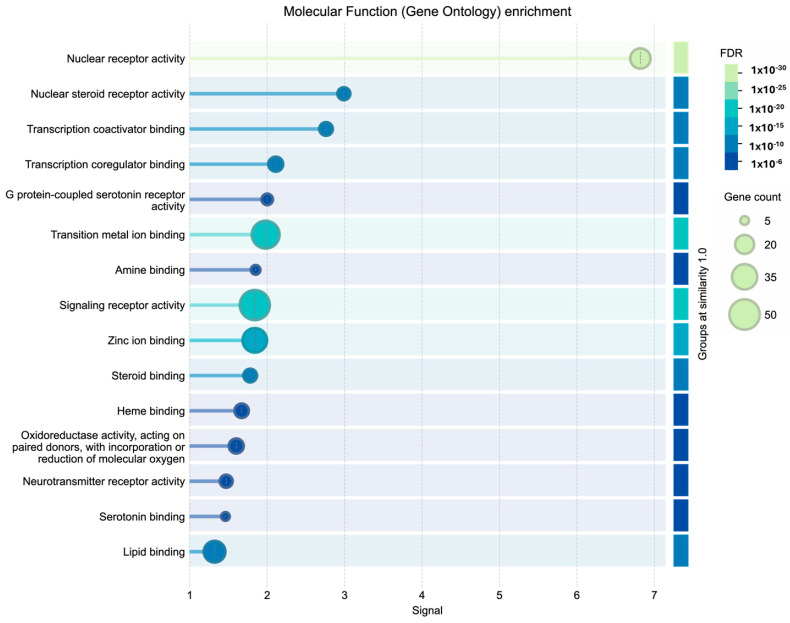 Figure 6
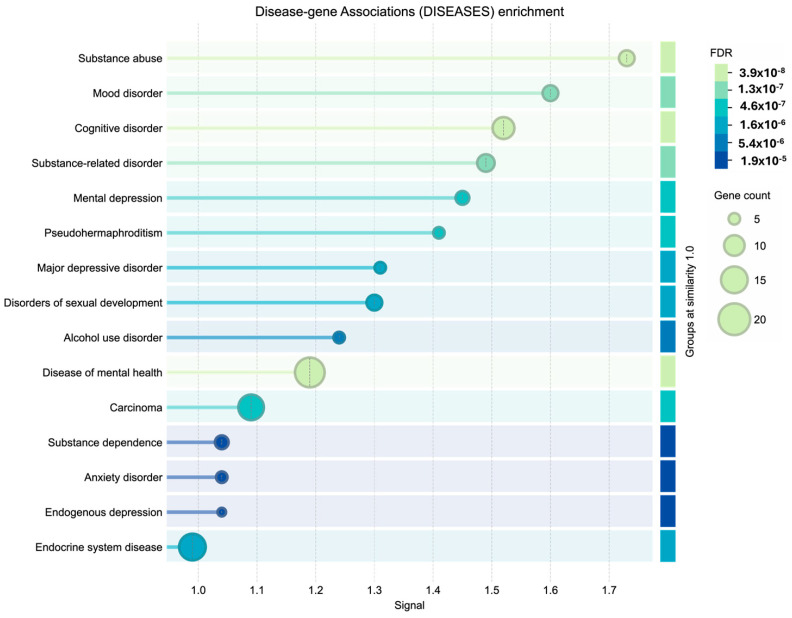 Figure 7
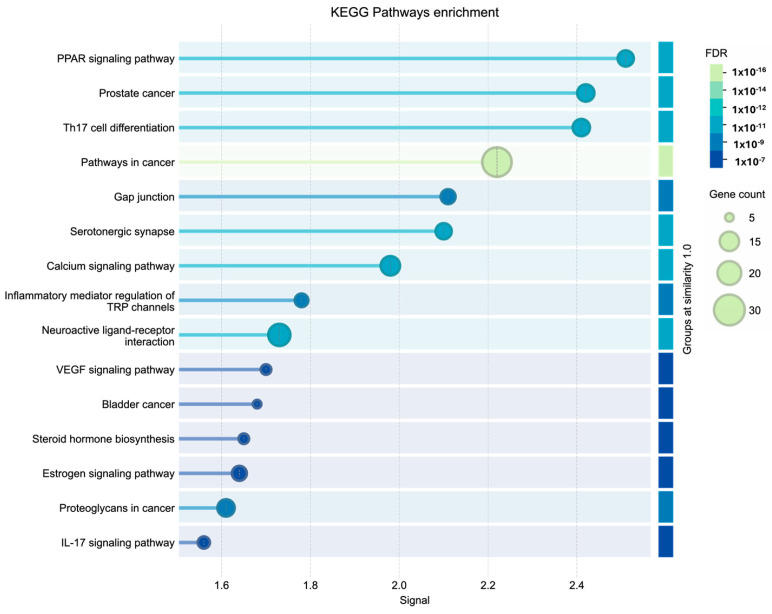 Figure 8
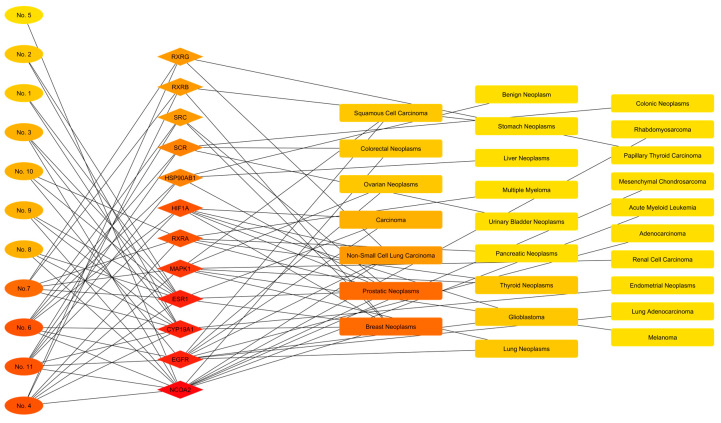 Figure 9
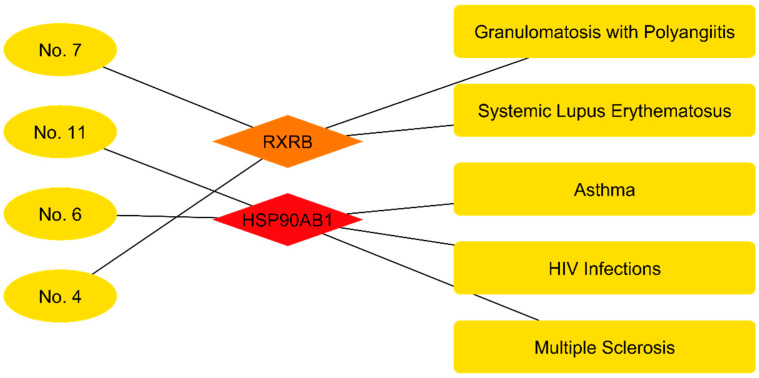 Figure 10
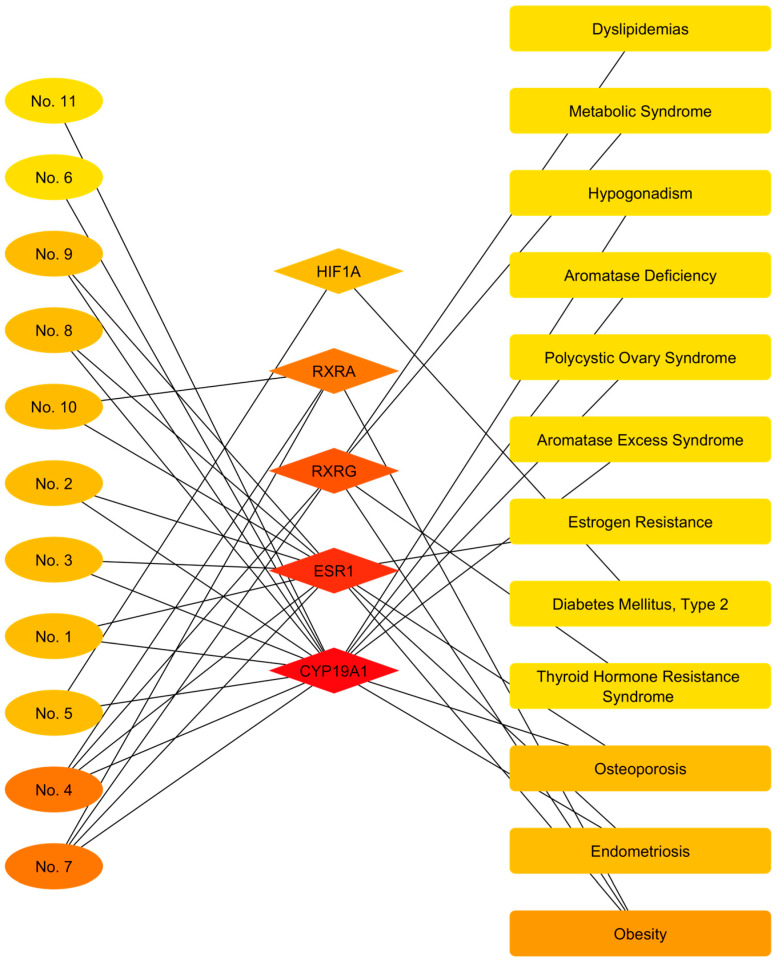 Figure 11
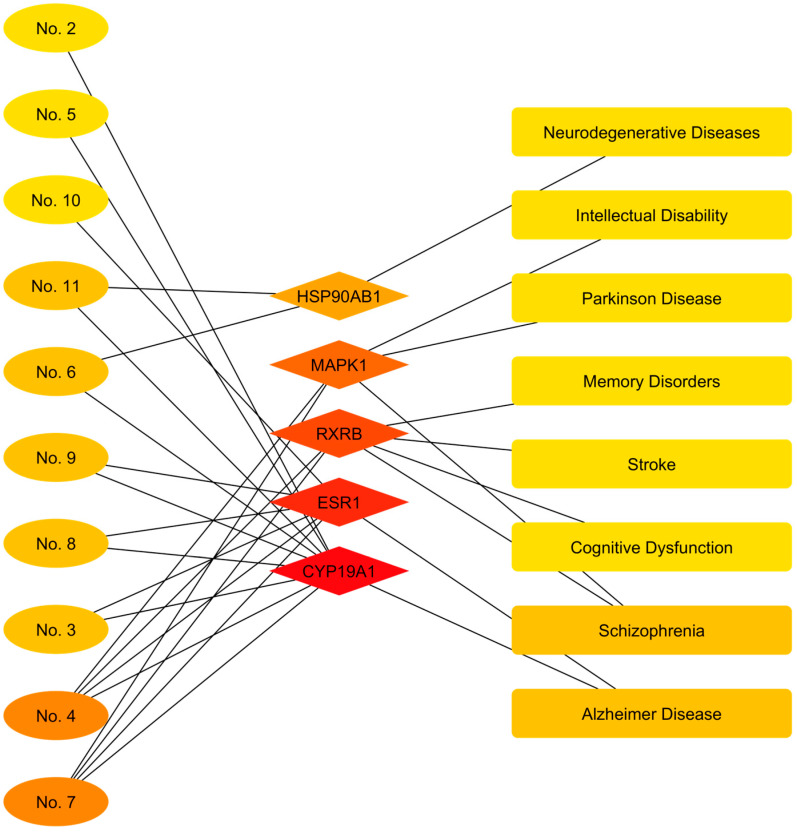 Figure 12
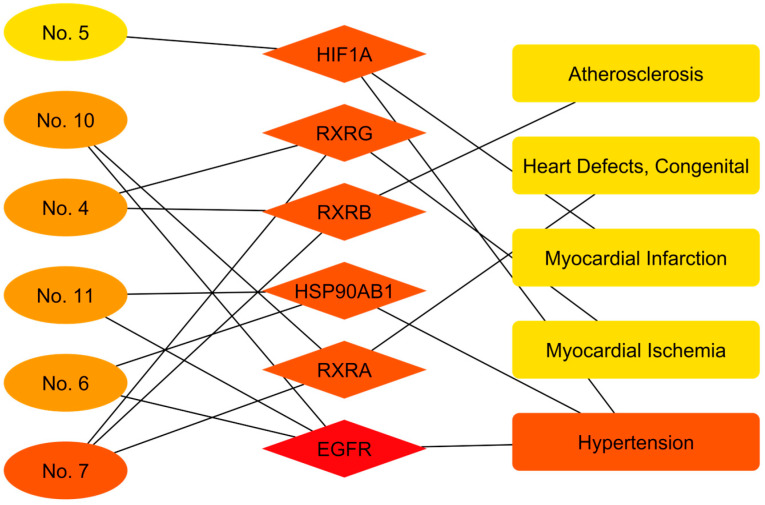 Figure 13
Peer Reviews
No public reviews on file for this paper yet. If you reviewed it on a platform where reviews are public (OpenReview, ICLR, NeurIPS, ICML), you can paste yours below so the community can read it here.
Videos
No videos yet. Explain this paper in a talk, walkthrough, or lecture? Add one.
Taxonomy
TopicsChromatography in Natural Products · Botanical Research and Chemistry · Biochemical Analysis and Sensing Techniques