An Information–Theoretic Model of Abduction for Detecting Hallucinations in Explanations
Boris Galitsky

TL;DR
This paper introduces a new model that detects hallucinations in AI-generated explanations by combining information theory and abductive reasoning.
Contribution
The novel contribution is a neuro-symbolic framework using entropy-based inference and abductive reasoning for hallucination detection.
Findings
The model outperforms existing neural and symbolic methods in hallucination detection accuracy and interpretability.
It successfully identifies hallucinations in GPT-5.1 outputs through abductive reasoning and information divergence.
Discourse structure integration improves differentiation between valid and unsupported claims.
Abstract
We present an Information–Theoretic Model of Abduction for Detecting Hallucinations in Generative Models, a neuro-symbolic framework that combines entropy-based inference with abductive reasoning to identify unsupported or contradictory content in large language model outputs. Our approach treats hallucination detection as a dual optimization problem: minimizing the information gain between source-conditioned and response-conditioned belief distributions, while simultaneously selecting the minimal abductive hypothesis capable of explaining discourse-salient claims. By incorporating discourse structure through RST-derived EDU weighting, the model distinguishes legitimate abductive elaborations from claims that cannot be justified under any computationally plausible hypothesis. Experimental evaluation across medical, factual QA, and multi-hop reasoning datasets demonstrates that the…
Genes, proteins, chemicals, diseases, species, mutations and cell lines named across the full text — each resolved to its canonical identifier and authoritative record.
Click any figure to enlarge with its caption.
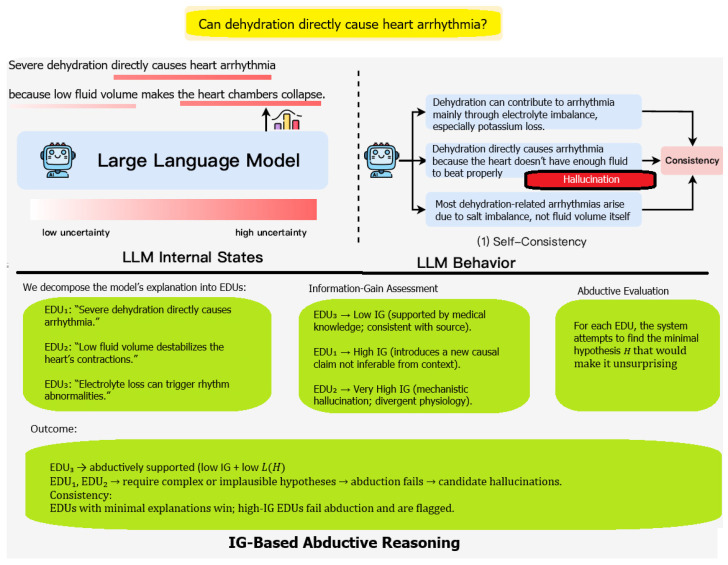 Figure 1
 Figure 2
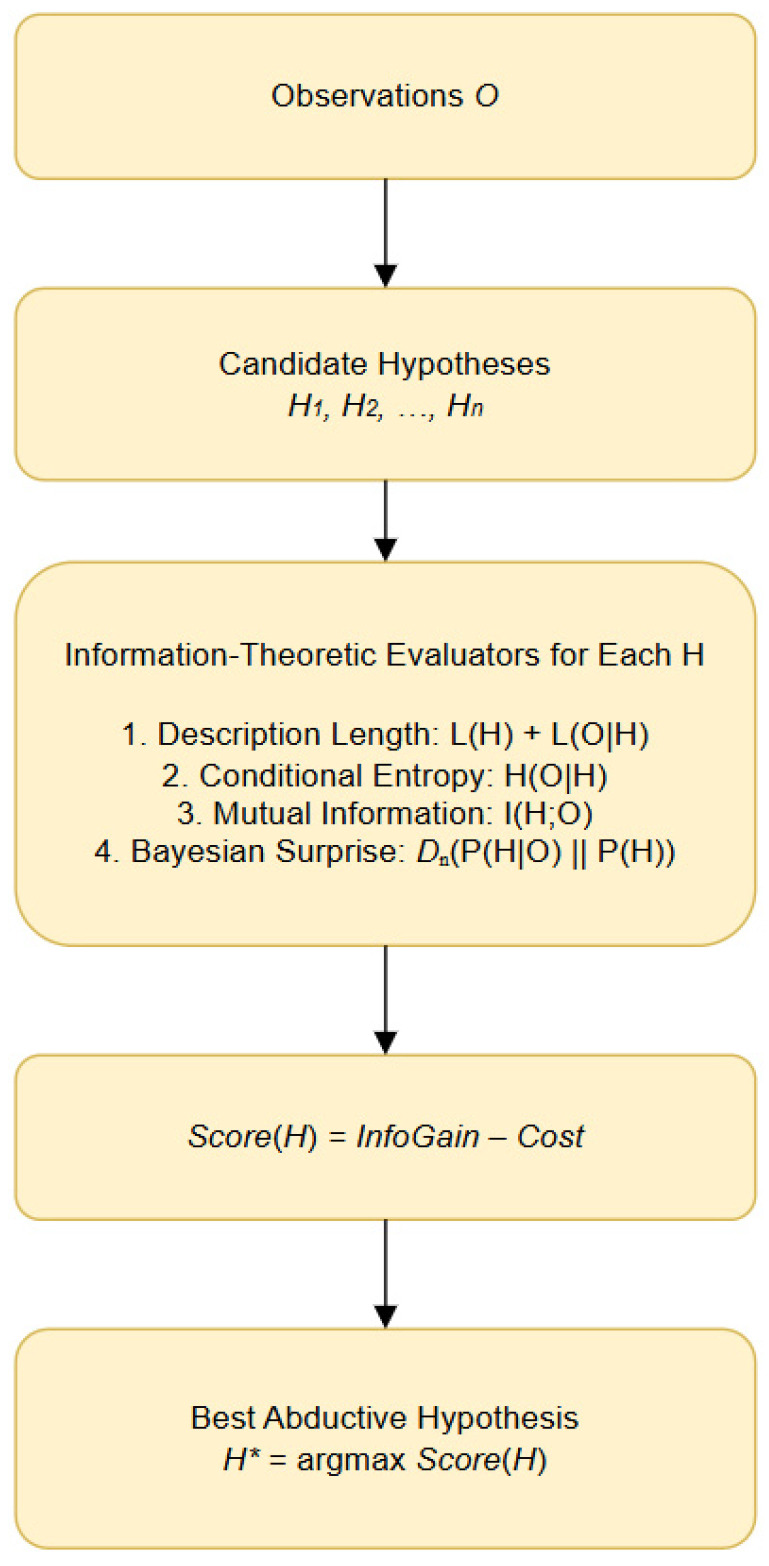 Figure 3
 Figure 4
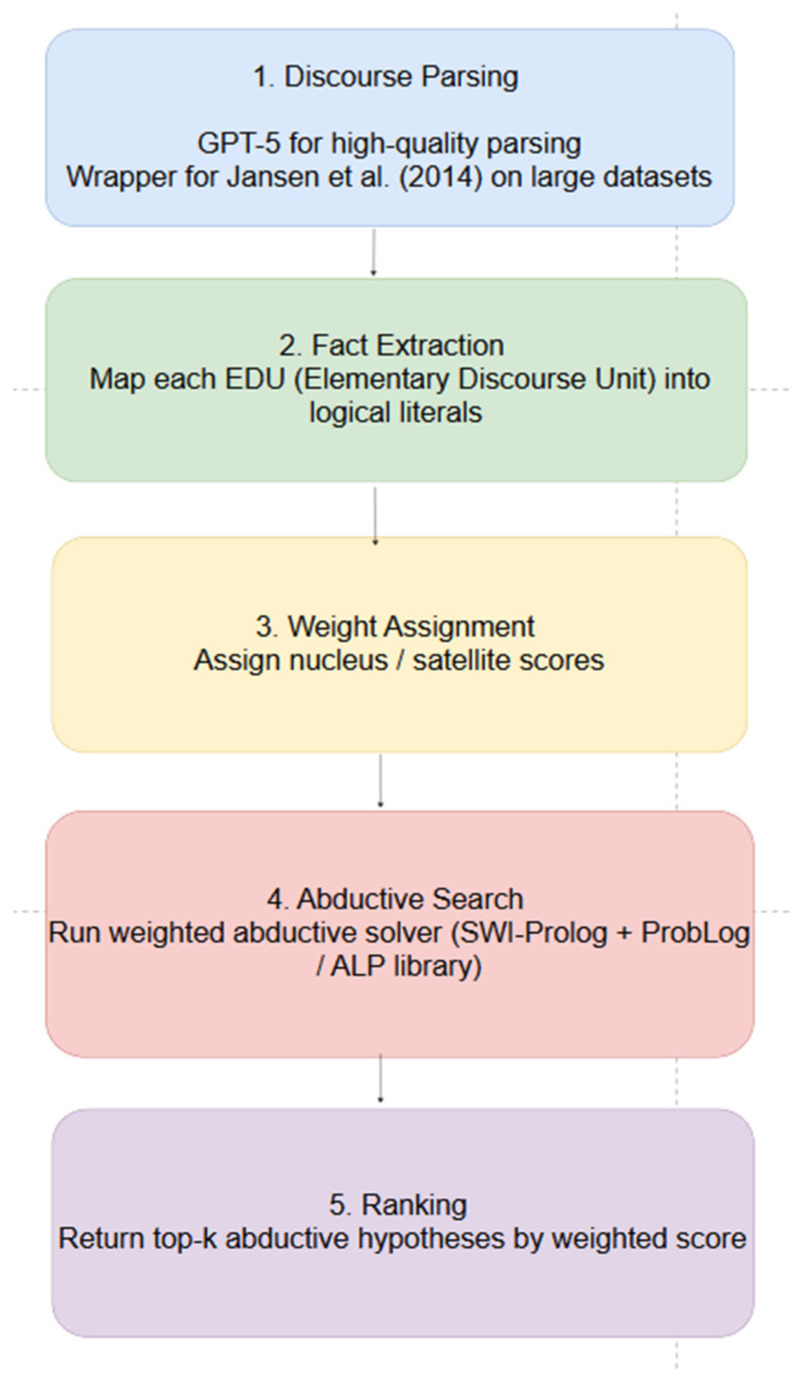 Figure 5
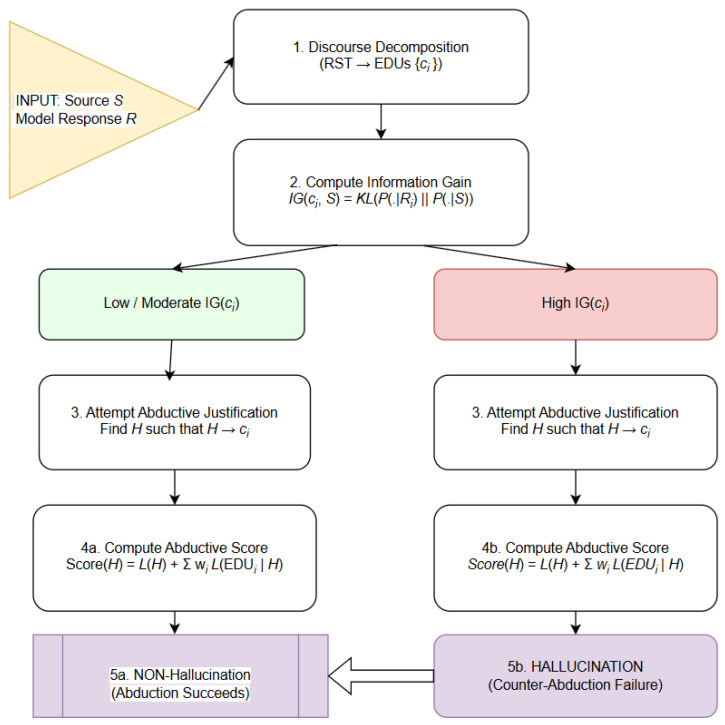 Figure 6
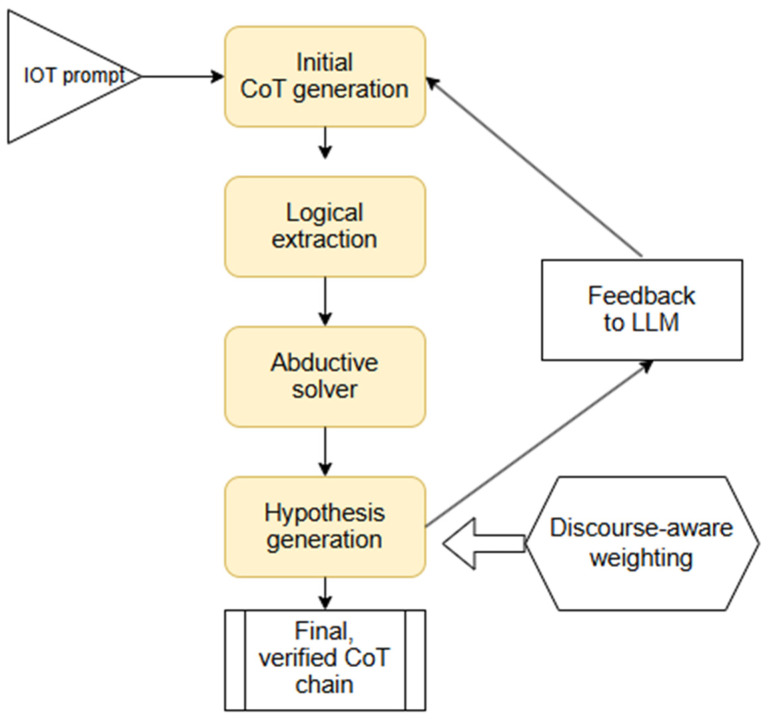 Figure 7
Peer Reviews
No public reviews on file for this paper yet. If you reviewed it on a platform where reviews are public (OpenReview, ICLR, NeurIPS, ICML), you can paste yours below so the community can read it here.
Videos
No videos yet. Explain this paper in a talk, walkthrough, or lecture? Add one.
Taxonomy
TopicsExplainable Artificial Intelligence (XAI) · Generative Adversarial Networks and Image Synthesis · Adversarial Robustness in Machine Learning