Identification and Characterization of Novel Umami and Umami-Enhancing Peptides from Soy Sauce Using an In Silico Approach and Electronic Tongue
Ting Cai, Zhiqing Lin, Tianliang Wu, Ying Su, Huan Liu, Shiqi Chen, Long Ding

TL;DR
This study identifies and characterizes new umami and umami-enhancing peptides from soy sauce using virtual tools and an electronic tongue.
Contribution
The study introduces a novel in silico approach combined with electronic tongue analysis to identify and explain the umami-enhancing effects of soy sauce peptides.
Findings
Four peptides (GAAGAAD, HQADGKS, GDDDEVEAAM, MPPTEPECEK) were predicted to have umami taste.
GAAGAAD showed the strongest umami taste and enhanced umami intensity by 22.3% in sodium glutamate solution.
GAAGAAD's lower binding energy and increased hydrogen bonds with the T1R1/T1R3–Glu complex explain its umami-enhancing effect.
Abstract
The objective of the study was to discover novel umami and umami-enhancing peptides in soy sauce and to elucidate the molecular mechanism underlying their umami-enhancing effect. Soy sauce peptides were isolated by resin adsorption and ethanol elution, identified by UPLC-MS/MS, and screened with multiple virtual tools. Results showed that 159 peptides were identified, and four of them, GAAGAAD, HQADGKS, GDDDEVEAAM, and MPPTEPECEK, were predicted to have a potential umami taste. Subsequently, the electronic tongue results suggested GAAGAAD having the strongest umami taste, followed by MPPTEPECEK, GDDDEVEAAM, and HQADGKS. Moreover, GAAGAAD, HQADGKS, and MPPTEPECEK all enhanced umami in sodium glutamate solution, with GAAGAAD showing the most potent effect, increasing umami intensity by 22.3%. Molecular docking revealed that GAAGAAD exhibited a lower binding energy when docked to the…
Genes, proteins, chemicals, diseases, species, mutations and cell lines named across the full text — each resolved to its canonical identifier and authoritative record.
Click any figure to enlarge with its caption.
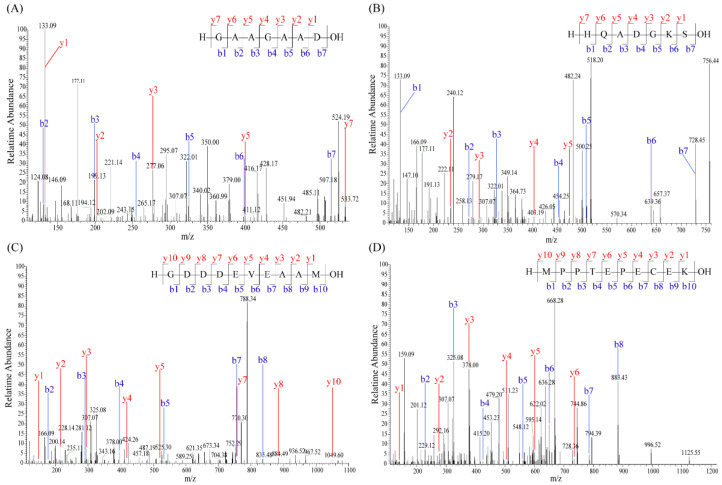 Figure 1
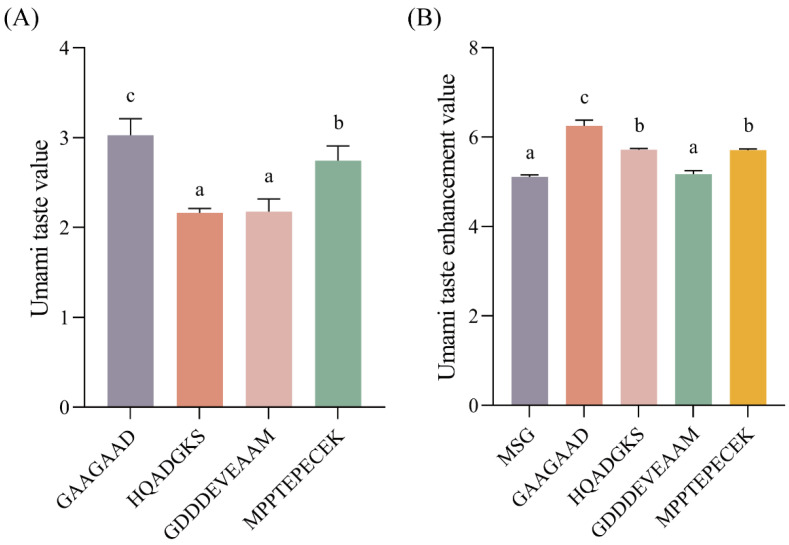 Figure 2
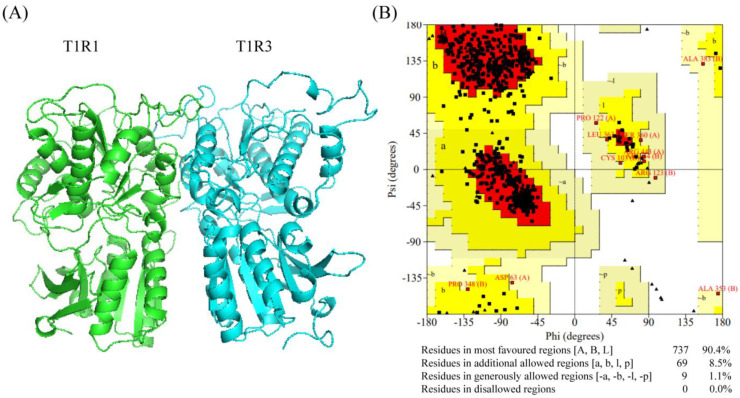 Figure 3
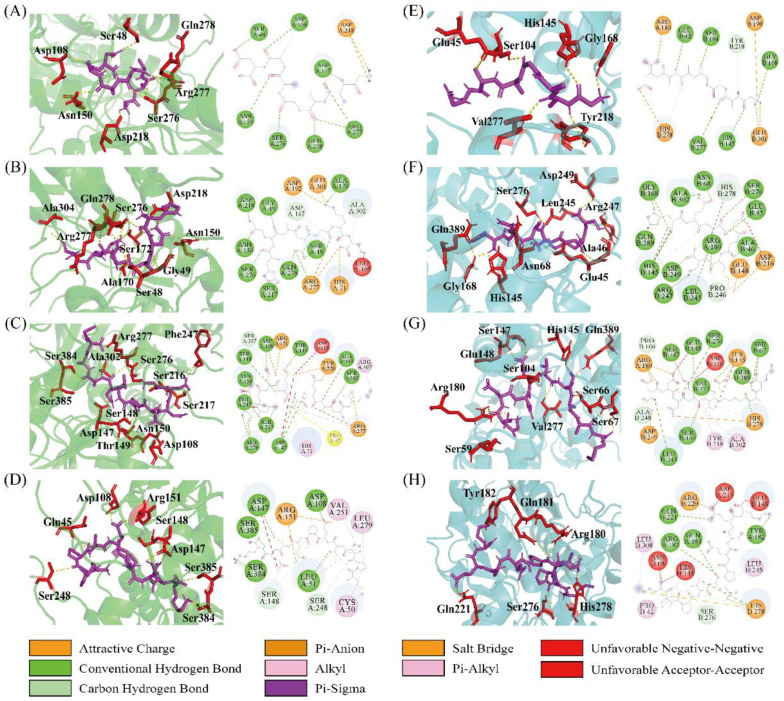 Figure 4
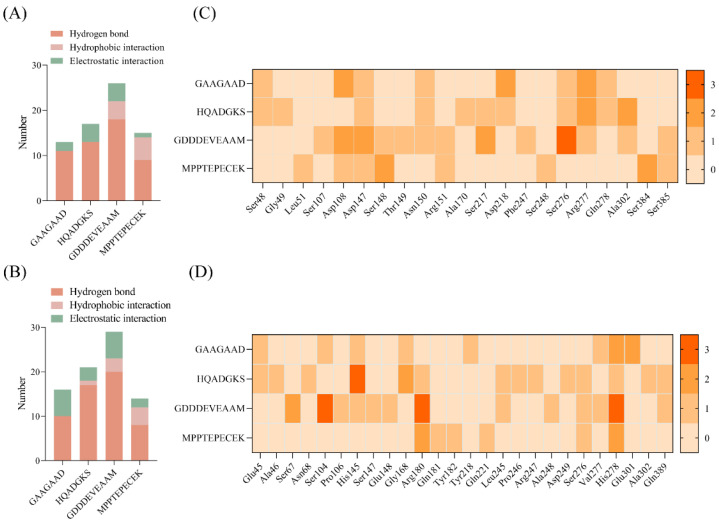 Figure 5
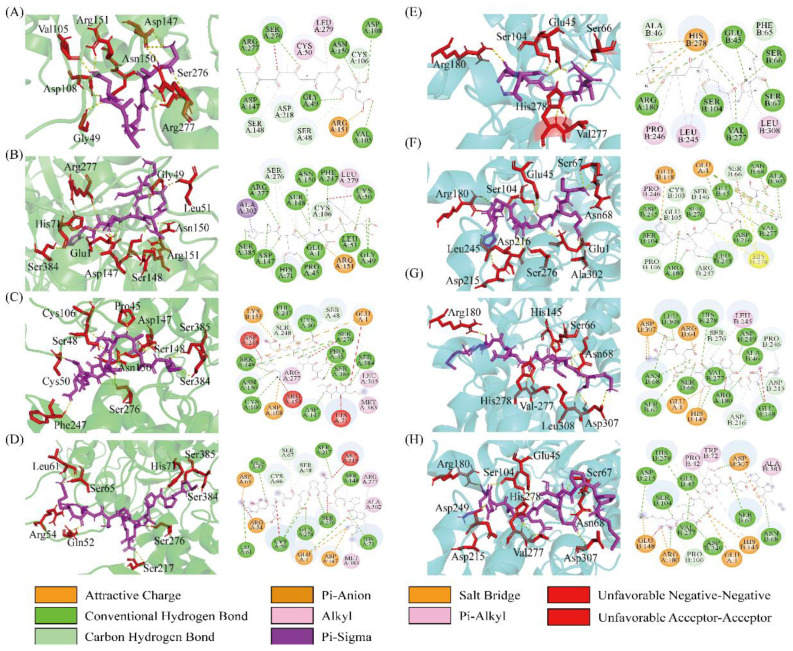 Figure 6
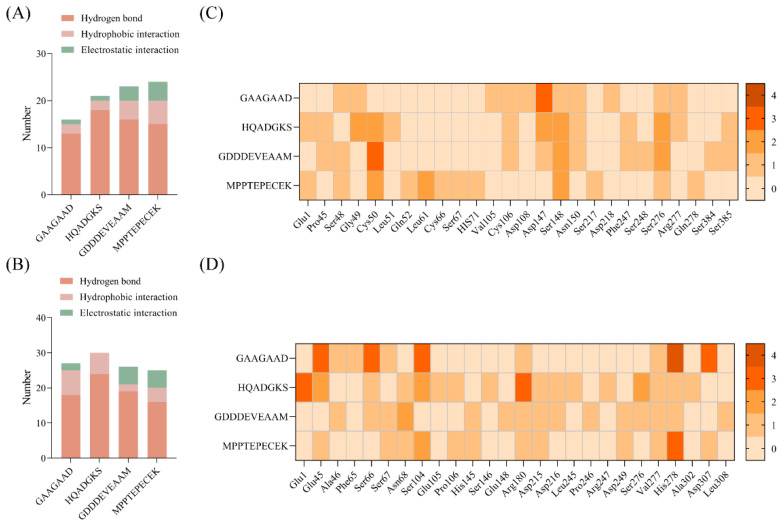 Figure 7
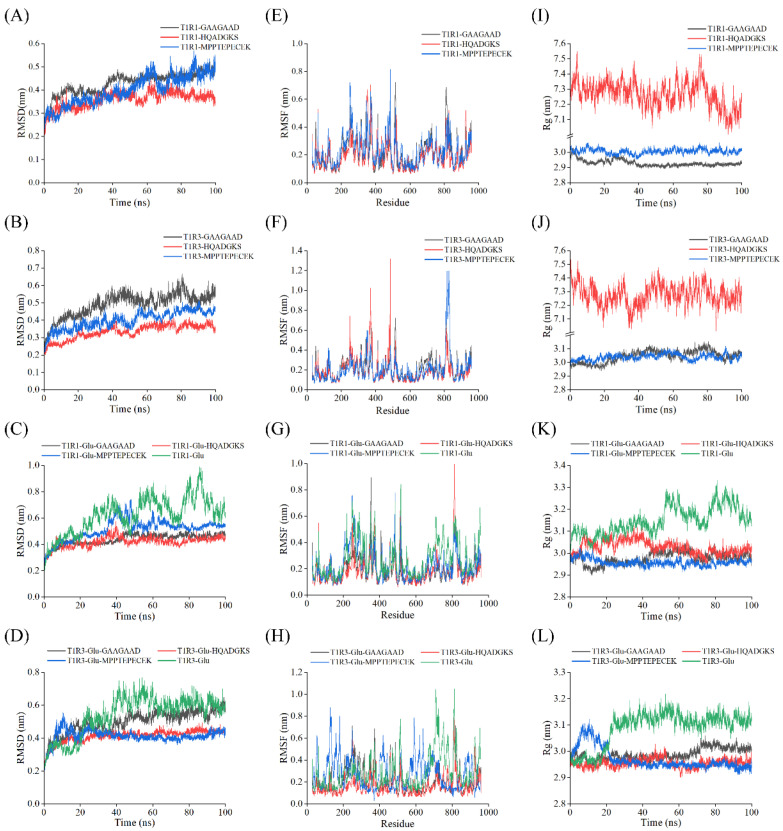 Figure 8
Peer Reviews
No public reviews on file for this paper yet. If you reviewed it on a platform where reviews are public (OpenReview, ICLR, NeurIPS, ICML), you can paste yours below so the community can read it here.
Videos
No videos yet. Explain this paper in a talk, walkthrough, or lecture? Add one.
Taxonomy
TopicsBiochemical Analysis and Sensing Techniques · Advanced Chemical Sensor Technologies · Food Allergy and Anaphylaxis Research