Predictive Role of Pre-Radiotherapy D-Dimer and Inflammatory Markers in Monitoring Outcomes After Treatment in Hormone-Positive Breast Cancer: A Retrospective Cohort Study
Kimia Cepni, Tugce Hilal Ucgun, Tugce Dursun Ucar, Bahar Cepni, Abdulkerim Uygur, Ebru Sen, Hilal Ozkaya, Huriye Senay Kiziltan

TL;DR
This study shows that high D-dimer levels before radiotherapy predict worse outcomes in hormone-positive breast cancer patients.
Contribution
The study identifies D-dimer as a novel, non-invasive prognostic biomarker for HR-positive breast cancer treatment outcomes.
Findings
Elevated pre-radiotherapy D-dimer levels correlate with worse survival and progression-free survival in HR-positive breast cancer.
D-dimer cutoffs of 0.3, 0.5, and 0.65 µg/mL significantly predict survival outcomes in multivariate analysis.
High D-dimer levels are linked to advanced disease, lower lymphocyte counts, and higher inflammatory markers.
Abstract
Background/Objectives: D-dimer, a fibrin degradation product, is associated with tumor growth and metastasis. In breast cancer, high concentrations of D-dimer are linked to more advanced disease stages and metastatic spread. This research aimed to examine the relevance of D-dimer levels in estrogen and progesterone hormone receptor (HR)-positive breast cancer. Methods: This retrospective single-center cohort study included patients with HR-positive breast carcinoma who underwent adjuvant or palliative radiotherapy in Türkiye. Pre- and post-radiotherapy blood test results, including D-dimer levels, were required. D-dimer, lymphocyte percentage, and interleukin-6 levels were measured for evaluation. All statistical analyses were performed using R software (version 4.4.2) to evaluate associations between D-dimer levels and other laboratory parameters. Univariate and multivariate Cox…
Genes, proteins, chemicals, diseases, species, mutations and cell lines named across the full text — each resolved to its canonical identifier and authoritative record.
Click any figure to enlarge with its caption.
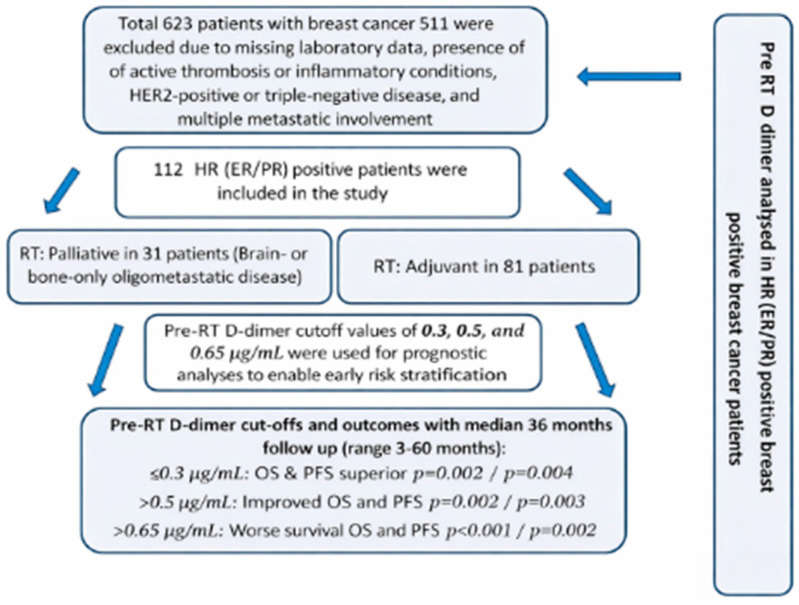 Figure 1
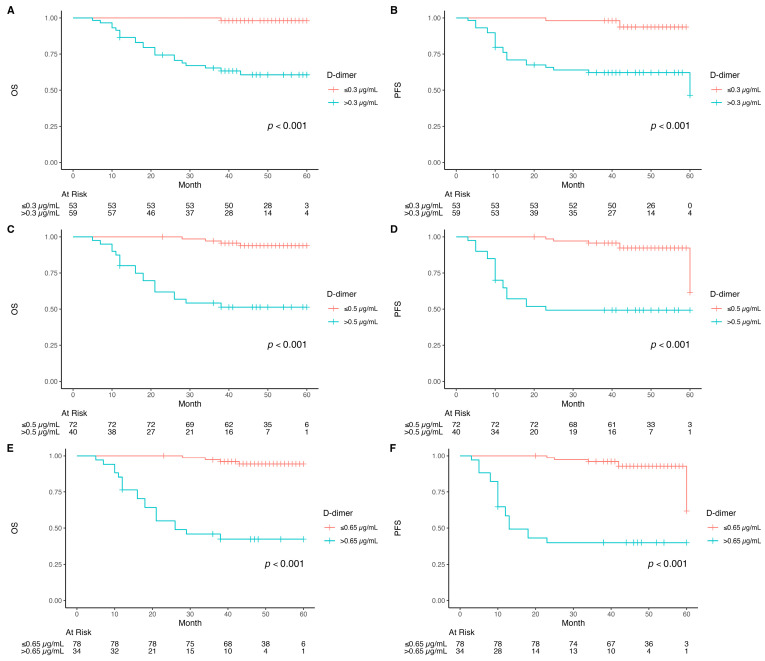 Figure 2
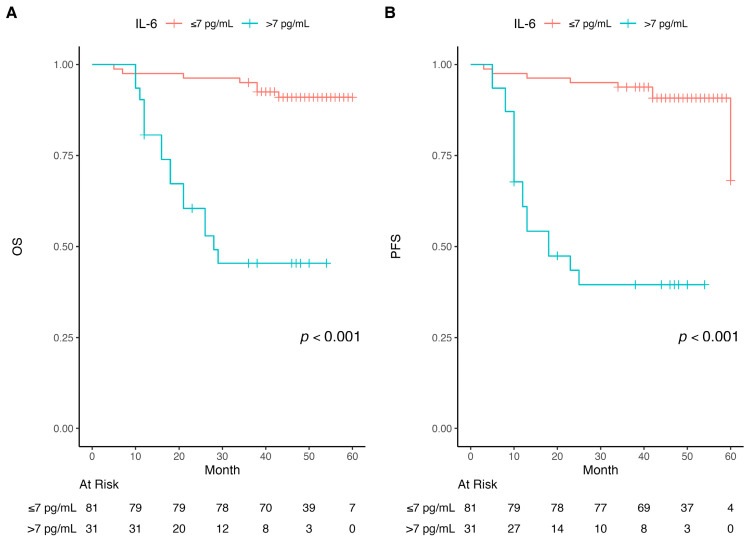 Figure 3
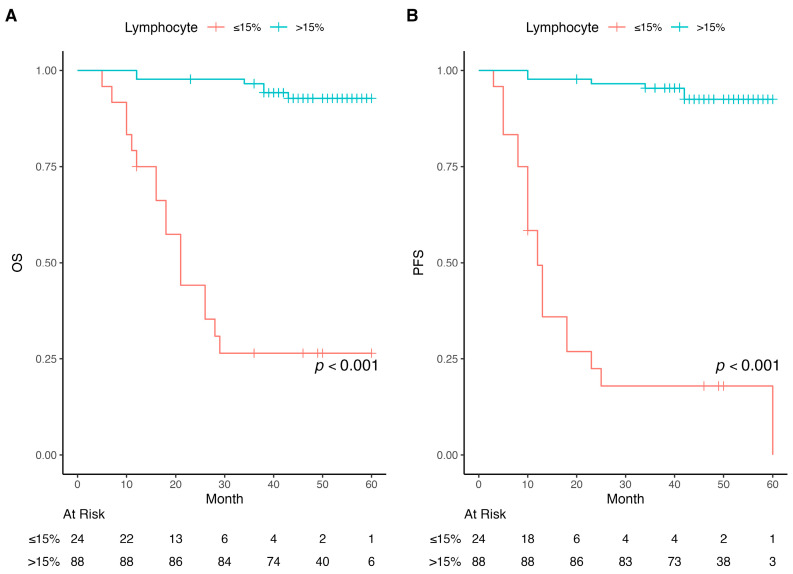 Figure 4
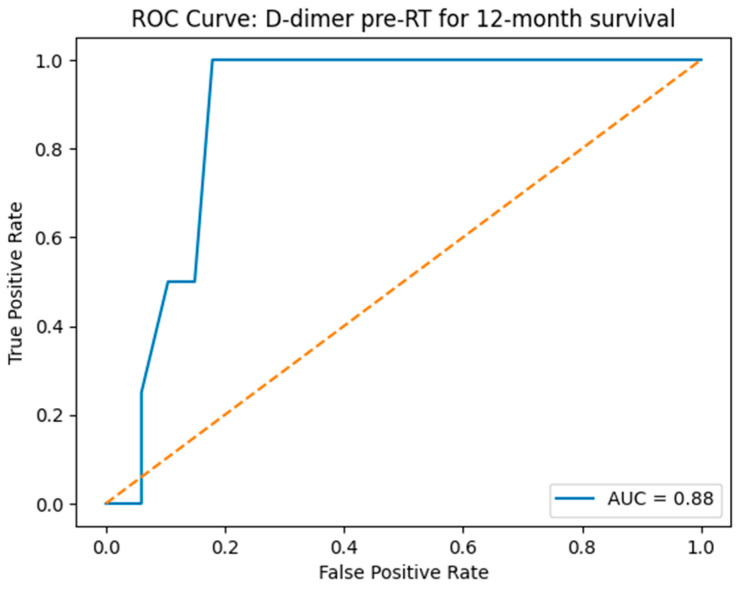 Figure 5
Peer Reviews
No public reviews on file for this paper yet. If you reviewed it on a platform where reviews are public (OpenReview, ICLR, NeurIPS, ICML), you can paste yours below so the community can read it here.
Videos
No videos yet. Explain this paper in a talk, walkthrough, or lecture? Add one.
Taxonomy
TopicsInflammatory Biomarkers in Disease Prognosis · Breast Lesions and Carcinomas · Breast Cancer Treatment Studies