Linking Cancer Pain Features and Biosignals for Automatic Pain Assessment
Marco Cascella, Francesco Perri, Alessandro Ottaiano, Mariachiara Santorsola, Maria Luisa Marciano, Fabiana Raffaella Rampetta, Monica Pontone, Anna Crispo, Francesco Sabbatino, Gianluigi Franci, Walter Esposito, Gennaro Cisale, Maria Romano, Francesco Amato, Amalia Scuotto

TL;DR
This study shows that electrodermal activity can help assess cancer pain intensity and type, offering a potential objective complement to self-reported pain scales.
Contribution
The study identifies specific electrodermal activity parameters as novel objective markers for cancer pain assessment.
Findings
Electrodermal activity parameters like MaxCDA differ significantly across pain intensity levels.
EDA features such as number and amplitude of skin conductance responses distinguish mixed pain from other types.
Heart rate variability did not show significant associations with pain intensity or type.
Abstract
Although pain is a frequent and burdensome symptom in people with cancer, it is commonly evaluated using self-reported scales that may be unreliable in patients with cognitive, communicative, or clinical limitations. This study explored whether objective physiological signals could enhance cancer pain assessment. We analyzed electrodermal activity and heart rate variability recorded in cancer patients and examined their relationships with pain intensity and pain type. The results indicate that specific electrodermal activity parameters are associated with both pain intensity and distinct pain phenotypes (mainly mixed pain). In contrast, heart rate variability failed to provide meaningful discrimination in this context. Despite limitations, these findings suggest that electrodermal activity may represent a valuable objective marker to complement conventional pain scales and support the…
Genes, proteins, chemicals, diseases, species, mutations and cell lines named across the full text — each resolved to its canonical identifier and authoritative record.
Click any figure to enlarge with its caption.
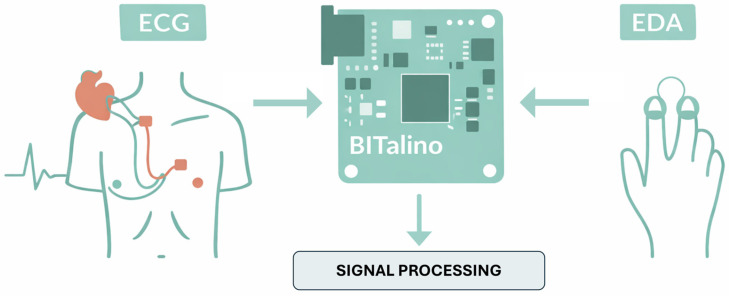 Figure 1
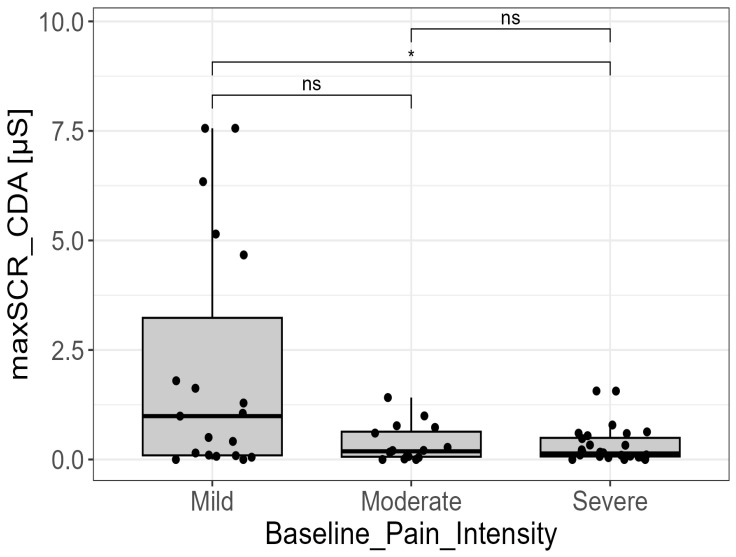 Figure 2
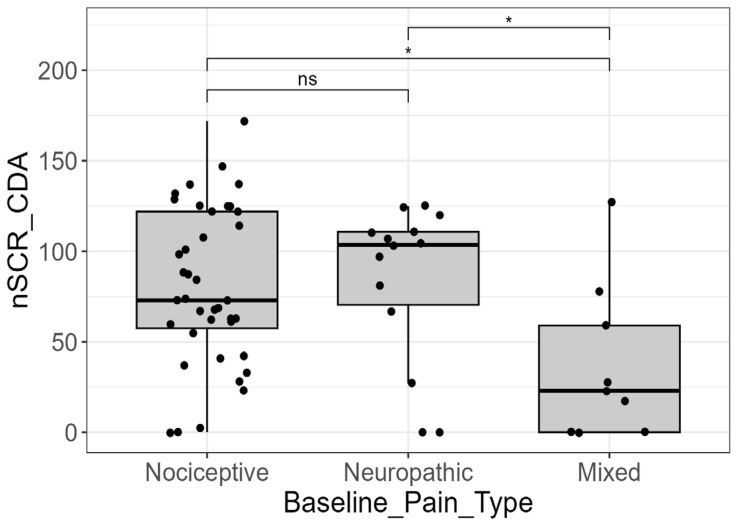 Figure 3
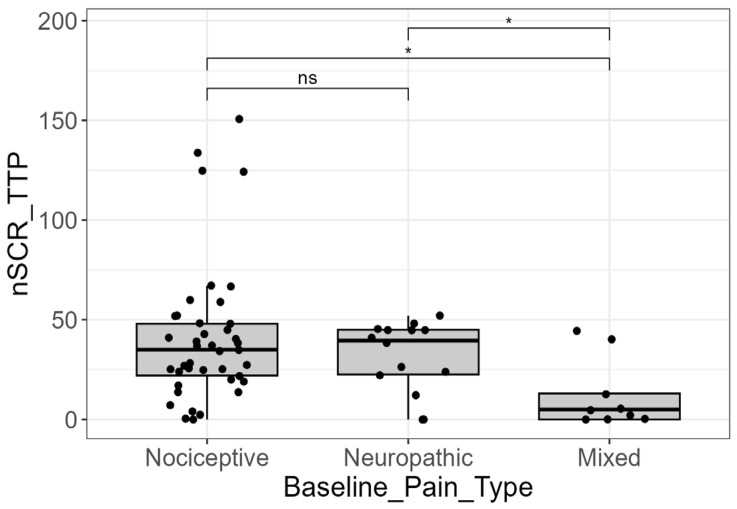 Figure 4
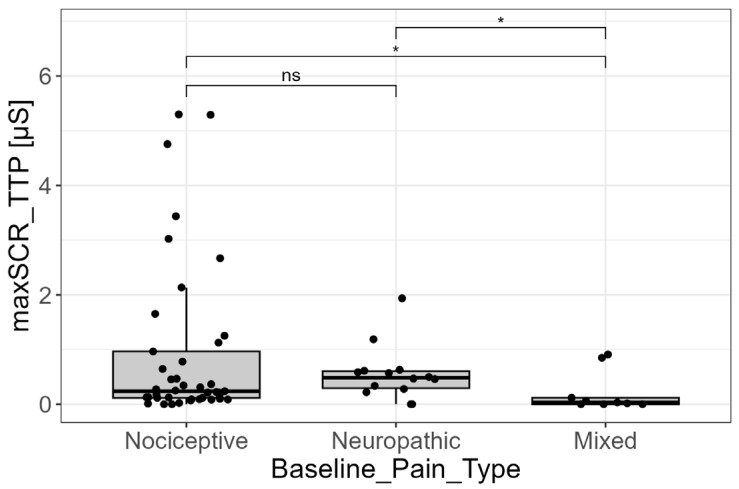 Figure 5
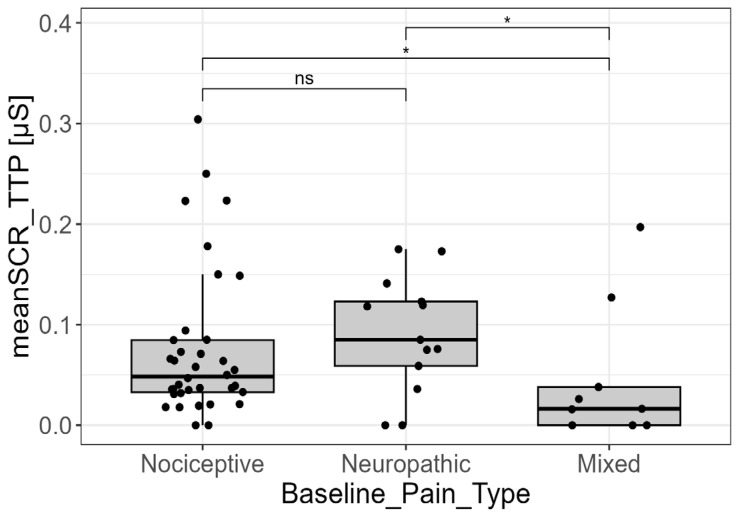 Figure 6
Peer Reviews
No public reviews on file for this paper yet. If you reviewed it on a platform where reviews are public (OpenReview, ICLR, NeurIPS, ICML), you can paste yours below so the community can read it here.
Videos
No videos yet. Explain this paper in a talk, walkthrough, or lecture? Add one.
Taxonomy
TopicsEmotion and Mood Recognition · Pain Mechanisms and Treatments · Pain Management and Opioid Use