Rapid Drug Sensitivity Profiling via a Novel High-Success-Rate Culture Method for Patient-Derived Pancreatic Cancer: An Exploratory Preclinical Platform for Advancing Clinical Applications and Drug Development
Yu Kato, Naoki Yamamoto, Yuichiro Uchida, Noriko Hiramatsu, Takato Ozeki, Yukari Minobe, Yukika Hasegawa, Sho Kawabe, Hikaru Yabuuchi, Seiji Yamada, Yuko Hata, Eiji Sugihara, Tetsuya Takimoto, Kuniaki Saito, Takeshi Takahara, Koichi Suda, Osamu Nagano, Hideyuki Saya

TL;DR
A new high-success-rate culture method for pancreatic cancer cells enables drug sensitivity profiling and personalized treatment strategies.
Contribution
A cost-effective, hydrogel-free culture system with over 90% success rate for patient-derived pancreatic cancer cells is introduced.
Findings
The culture system maintains oncogenic KRAS mutations and a six-gene malignancy signature.
Drug sensitivity profiling shows interpatient heterogeneity and potential clinical associations.
The platform supports biomarker validation and testing of novel therapeutics like antibody–drug conjugates.
Abstract
What are the main findings? A cost-effective, hydrogel-free adherent culture system for patient-derived pancreatic cancer cells was established with a high success rate exceeding 90%.The cultured cells maintain essential oncogenic KRAS mutations and exhibit a consistent six-gene malignancy signature, including fibroblast activation protein (FAP) and WNT5A. A cost-effective, hydrogel-free adherent culture system for patient-derived pancreatic cancer cells was established with a high success rate exceeding 90%. The cultured cells maintain essential oncogenic KRAS mutations and exhibit a consistent six-gene malignancy signature, including fibroblast activation protein (FAP) and WNT5A. What are the implication of the main findings? This platform enables rapid and accurate drug sensitivity profiling that shows potential associations with clinical trends, serving as a practical tool for…
Genes, proteins, chemicals, diseases, species, mutations and cell lines named across the full text — each resolved to its canonical identifier and authoritative record.
Click any figure to enlarge with its caption.
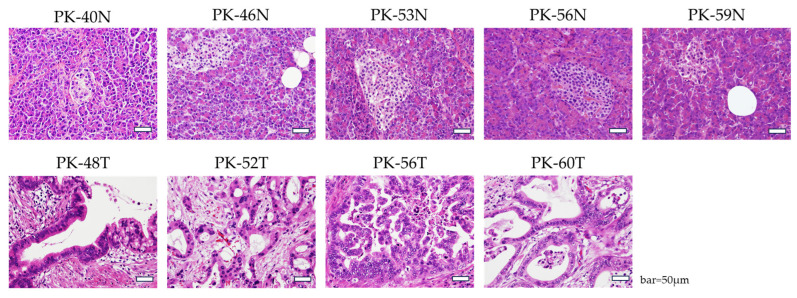 Figure 1
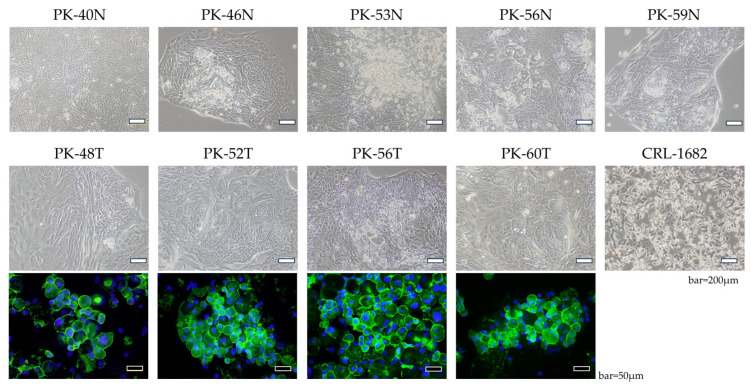 Figure 2
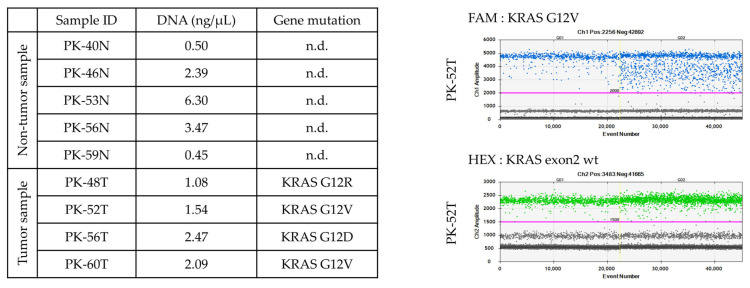 Figure 3
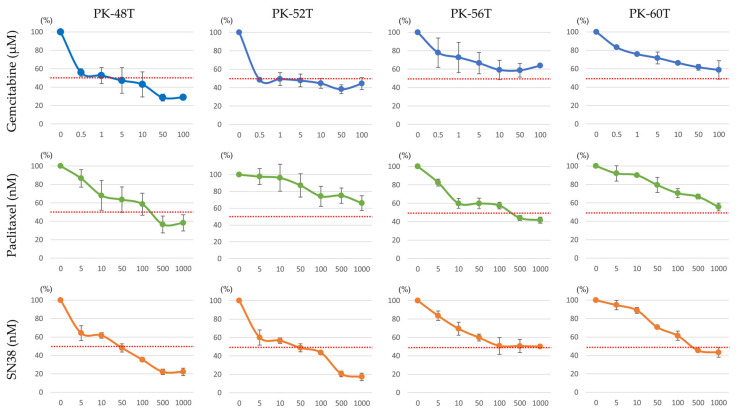 Figure 4
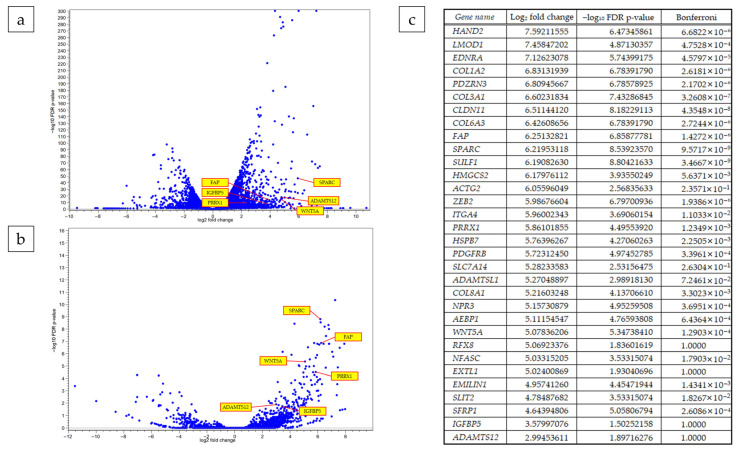 Figure 5
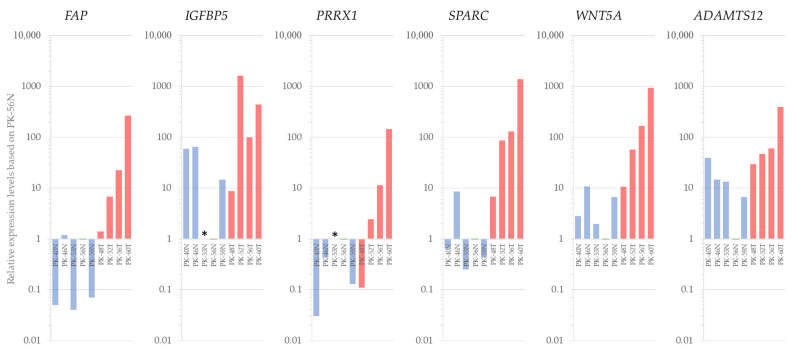 Figure 6
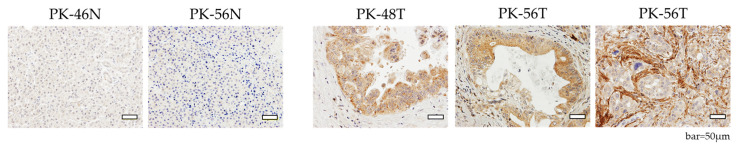 Figure 7
Peer Reviews
No public reviews on file for this paper yet. If you reviewed it on a platform where reviews are public (OpenReview, ICLR, NeurIPS, ICML), you can paste yours below so the community can read it here.
Videos
No videos yet. Explain this paper in a talk, walkthrough, or lecture? Add one.
Taxonomy
TopicsCancer Cells and Metastasis · Pancreatic and Hepatic Oncology Research · 3D Printing in Biomedical Research