Transcervical vs. Transcervical-Combined Surgical Approaches for Primary Parapharyngeal Space Tumors: A Systematic Review of Surgical and Functional Outcomes
Volodymyr Mavrych, Saniyah Shaikh, Hafsah Tajammul Khalifey, Safwaan Shaikh, Luqman Siddique, Thaabit Raziq, Anam Hashmi, Farah Abul Rub, Olena Bolgova

TL;DR
This study compares two surgical methods for removing rare neck tumors, finding that a simpler neck-only approach is generally safer and effective, while combined methods are needed for more complex cases.
Contribution
The paper provides the first systematic review comparing surgical outcomes of transcervical and transcervical-combined approaches for parapharyngeal space tumors.
Findings
Both surgical approaches achieved high complete tumor resection rates (95–100%).
Transcervical approaches had lower complication rates compared to combined approaches, though rates varied by tumor type.
Combined approaches were necessary for tumors extending to difficult-to-reach areas like the skull base.
Abstract
Tumors that grow in the parapharyngeal space, a small area deep in the neck near important blood vessels and nerves, are very rare but challenging to remove surgically. Surgeons can access these tumors through different routes, with the most common being a neck incision alone or a neck incision combined with additional cuts through other structures for better access. This study reviewed all available research comparing these two surgical approaches to determine which is safer and more effective. We analyzed 10 studies involving 505 patients to compare success rates, complications, and tumor recurrence between the approaches. Both methods successfully removed tumors in almost all cases. The simpler neck-only approach caused fewer complications overall, though complication rates varied depending on tumor characteristics. The main complications for both approaches involved injury to nerves…
Genes, proteins, chemicals, diseases, species, mutations and cell lines named across the full text — each resolved to its canonical identifier and authoritative record.
Click any figure to enlarge with its caption.
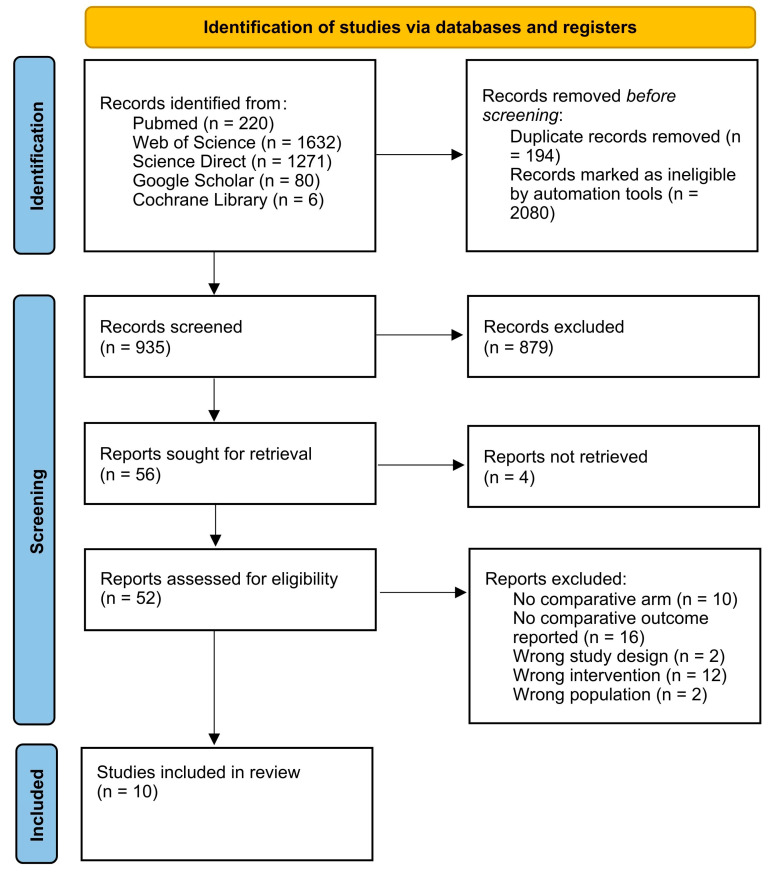 Figure 1
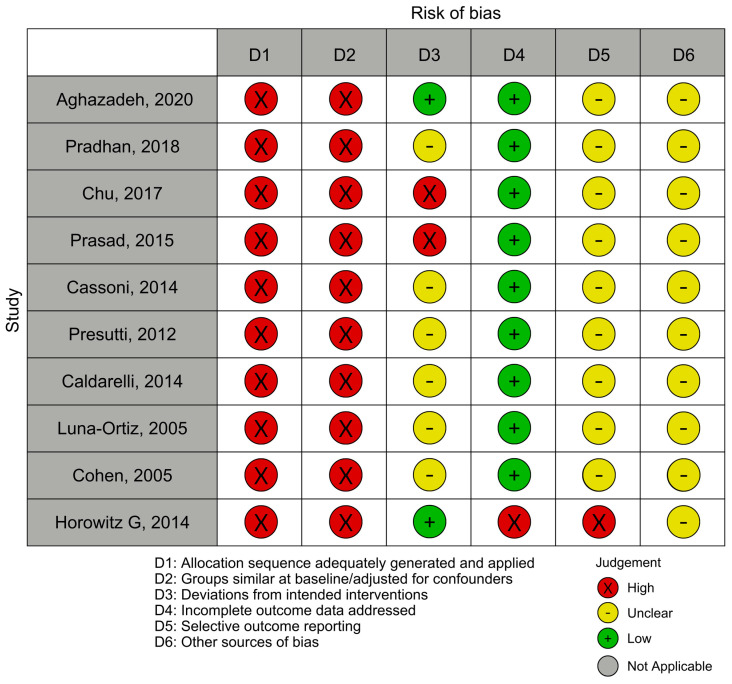 Figure 2
Peer Reviews
No public reviews on file for this paper yet. If you reviewed it on a platform where reviews are public (OpenReview, ICLR, NeurIPS, ICML), you can paste yours below so the community can read it here.
Videos
No videos yet. Explain this paper in a talk, walkthrough, or lecture? Add one.
Taxonomy
TopicsSalivary Gland Tumors Diagnosis and Treatment · Head and Neck Surgical Oncology · Head and Neck Cancer Studies