Red Yeast Rice-Driven Kombucha Fermentation: A Novel Strategy for Developing Functional Beverages with Enhanced Hypoglycemic and Hypolipidemic Properties
Kai Tong, Yuxue Liao, Yongqing Tang, Yaxin Luo, Xuan Liu, Dan Yu, Jingxuan Zhou, Chenjin Hou, Zhaoling Li

TL;DR
This study explores using red yeast rice in kombucha fermentation to create a functional beverage with improved blood sugar and cholesterol-lowering properties.
Contribution
The novel use of red yeast rice in kombucha fermentation enhances functional properties like hypoglycemic and hypolipidemic effects.
Findings
KRY showed the highest enzyme inhibition rates for hypoglycemic and hypolipidemic activities.
KRY contained 7 key volatile flavor compounds that improved sensory qualities like aroma and clarity.
Microbial communities like Komagataeibacter and Saccharomyces correlated with flavor and functional properties.
Abstract
To address the limited functional diversity of traditional kombucha, this study utilized red yeast rice (RYR) as an alternative substrate and prepared three samples: black tea kombucha (KBT), black tea-red yeast rice mixed kombucha (KBL, at a 1:1 ratio), and red yeast rice kombucha (KRY). After 9 days of fermentation, KRY exhibited the lowest pH, the highest total acidity, and notable sugar metabolic activity. It exhibited in vitro inhibition rates of 82.8%, 78.2%, 70.3%, and 76.9% against cholesterol esterase, pancreatic lipase, α-glucosidase, and α-amylase, respectively, indicating potential hypoglycemic and hypolipidemic activities. In contrast, KBT maintained the strongest antioxidant capacity, with scavenging rates exceeding 90% against both 2,2-diphenyl-1-picrylhydrazyl (DPPH) and 2,2′-Azinobis-(3-ethylbenzthiazoline-6-sulphonate) (ABTS). A total of 72 volatile flavor compounds…
Genes, proteins, chemicals, diseases, species, mutations and cell lines named across the full text — each resolved to its canonical identifier and authoritative record.
Click any figure to enlarge with its caption.
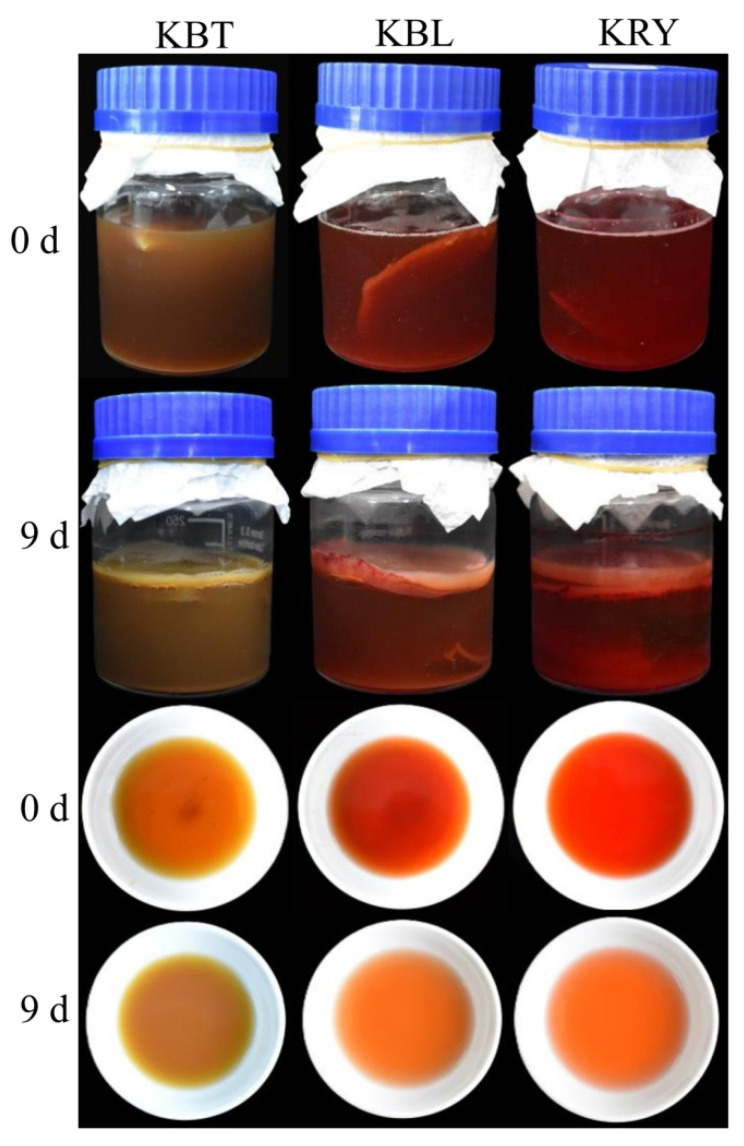 Figure 1
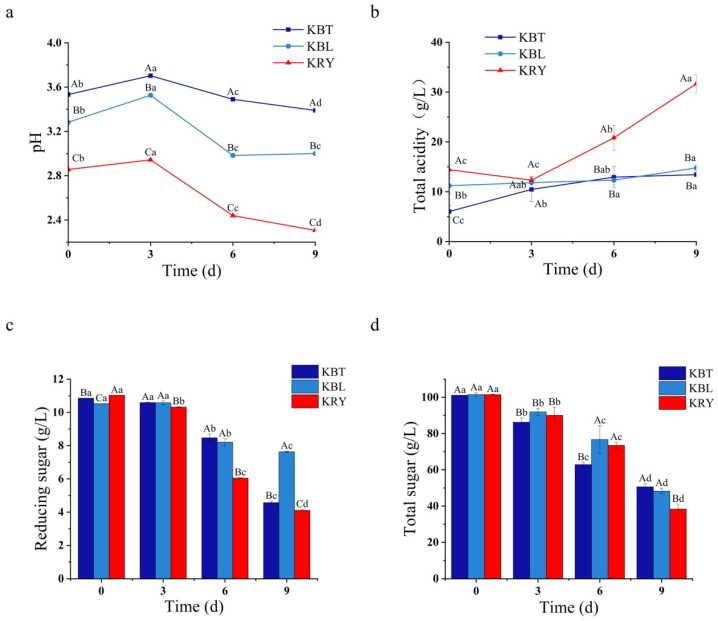 Figure 2
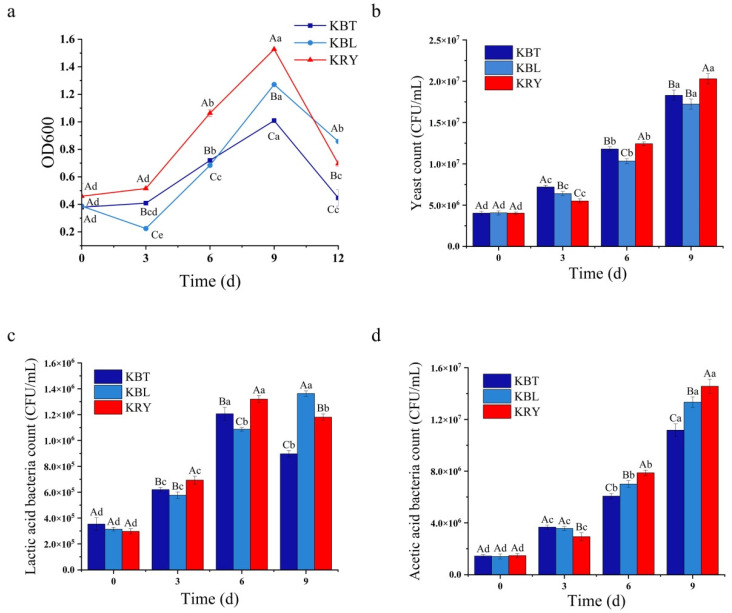 Figure 3
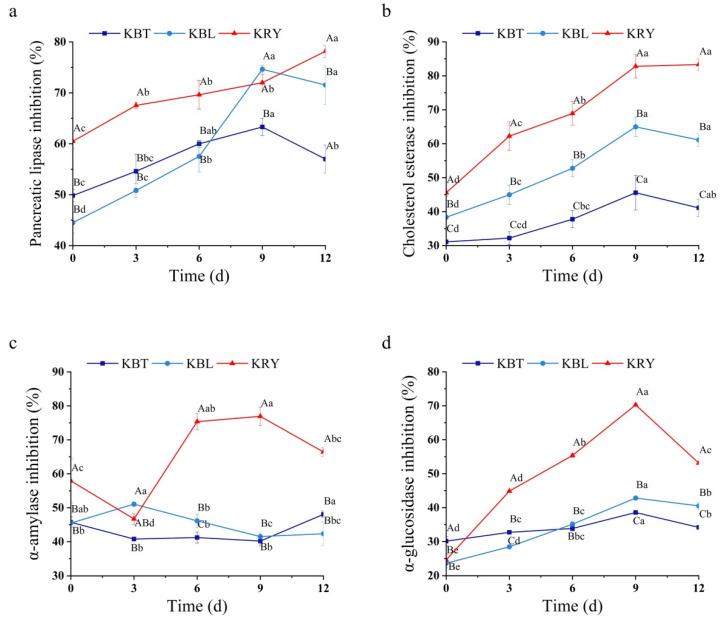 Figure 4
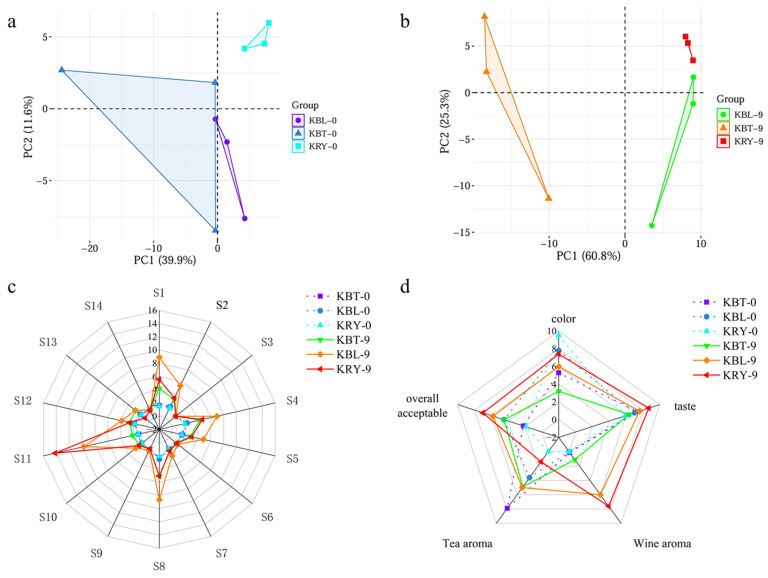 Figure 5
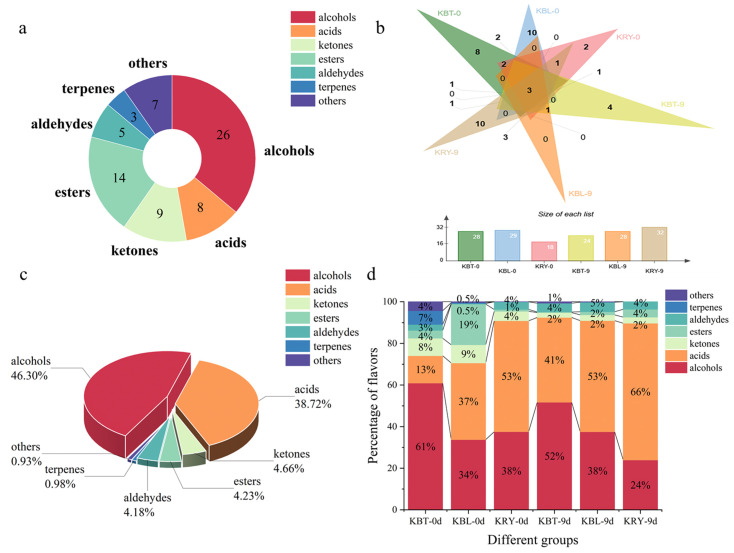 Figure 6
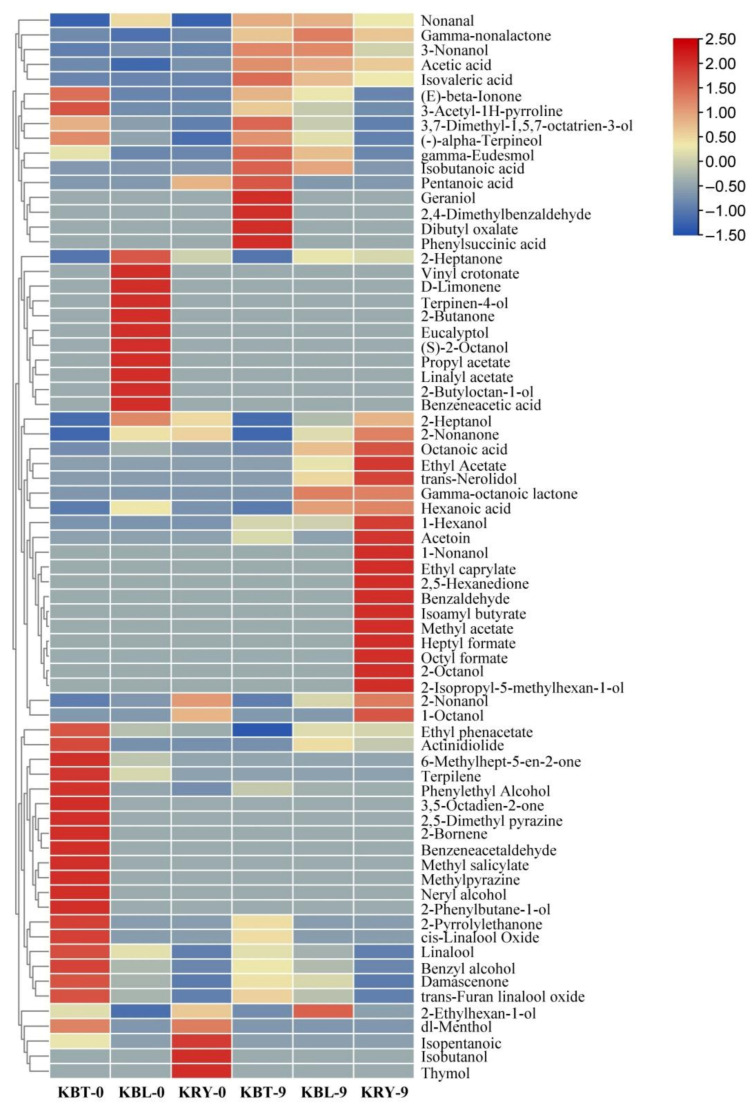 Figure 7
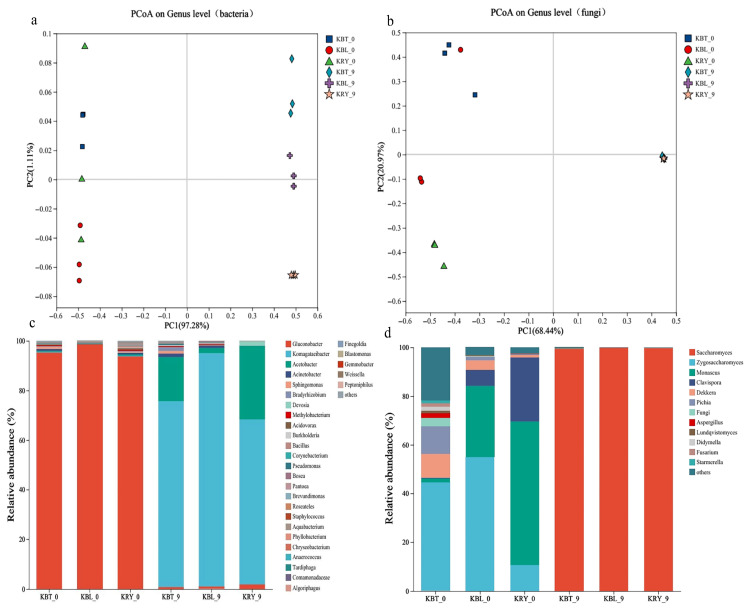 Figure 8
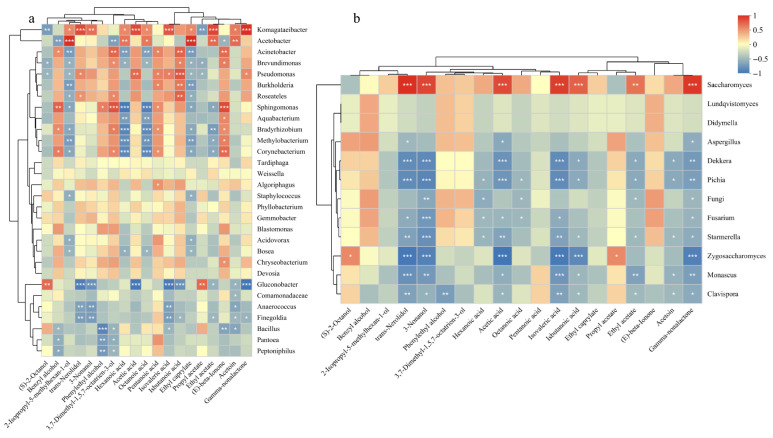 Figure 9
Peer Reviews
No public reviews on file for this paper yet. If you reviewed it on a platform where reviews are public (OpenReview, ICLR, NeurIPS, ICML), you can paste yours below so the community can read it here.
Videos
No videos yet. Explain this paper in a talk, walkthrough, or lecture? Add one.
Taxonomy
TopicsTea Polyphenols and Effects · Microbial Metabolism and Applications · GABA and Rice Research