Texture Phenotypes of Fiber-Enriched Extruded Snacks Revealed by Mechanical–Acoustic Analysis, Tribology, and Sensory Mapping
Aunchalee Aussanasuwannakul, Hataichanok Kantrong

TL;DR
This study explores how adding soybean residue to snacks changes their texture, using mechanical, acoustic, and sensory methods to better understand and improve their texture for consumers.
Contribution
The study introduces a new framework combining mechanical, acoustic, and sensory data to characterize texture in fiber-enriched extruded snacks.
Findings
Higher okara content leads to less crisp and louder snacks with smoother force profiles and lower acoustic amplitudes.
Okara-rich snacks are perceived as harder and grittier, with reduced crunchiness and sound intensity.
Tribology shows okara snacks require higher lubrication to transition from boundary to mixed lubrication during mastication.
Abstract
Texture perception in extruded snacks is commonly evaluated using force-based measurements, although crispness-related oral sensations arise from fracture, sound emission, and lubrication during mastication. This study developed a mechanistically grounded framework for texture characterization of fiber-enriched extruded snacks by integrating instrumental and sensory analyses within an oral-processing context. Extruded snack samples containing soybean residue (okara; 0%, 29%, and 40%) and commercial benchmarks were evaluated using synchronized mechanical–acoustic testing (five-blade Allo-Kramer shear and three-point bending tests), oral tribology, and sensory evaluation combining intensity rating and ranking. Increasing okara content shifted fracture behavior from brittle, sound-emitting failure toward damped, progressive deformation with approximately 3–5-fold lower acoustic envelope…
Genes, proteins, chemicals, diseases, species, mutations and cell lines named across the full text — each resolved to its canonical identifier and authoritative record.
Click any figure to enlarge with its caption.
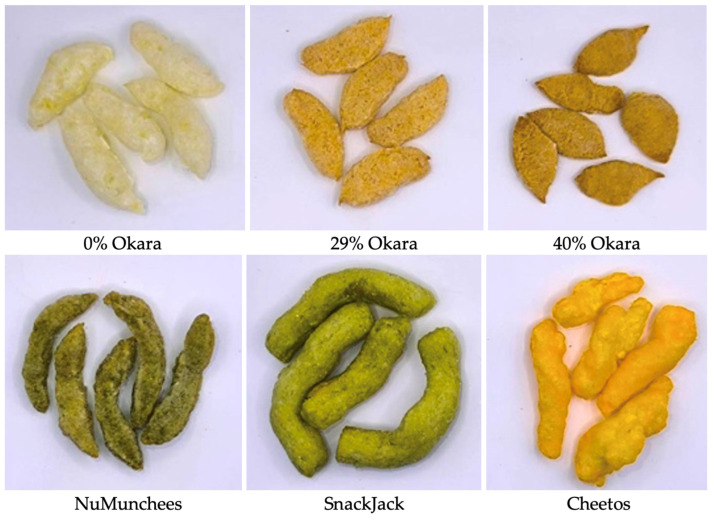 Figure 1
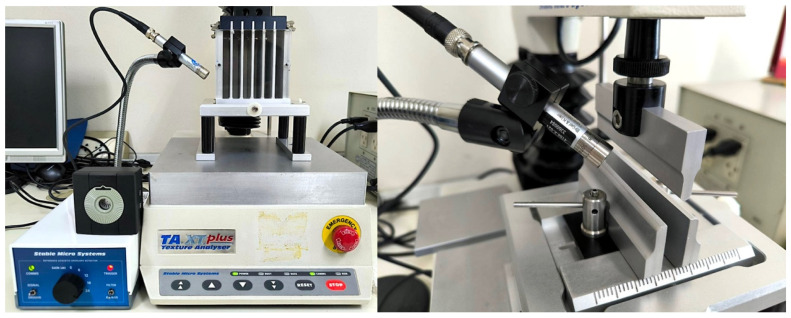 Figure 2
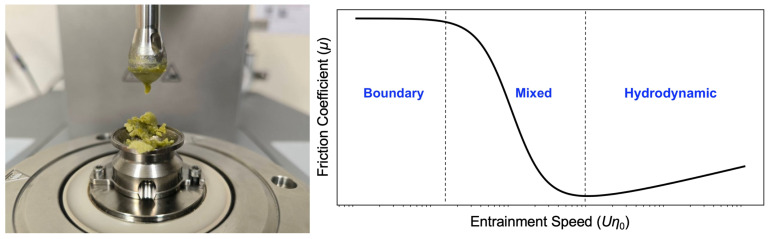 Figure 3
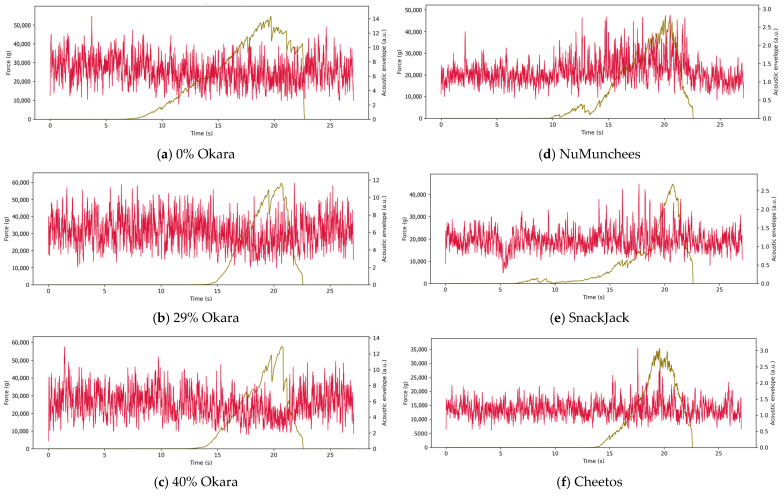 Figure 4
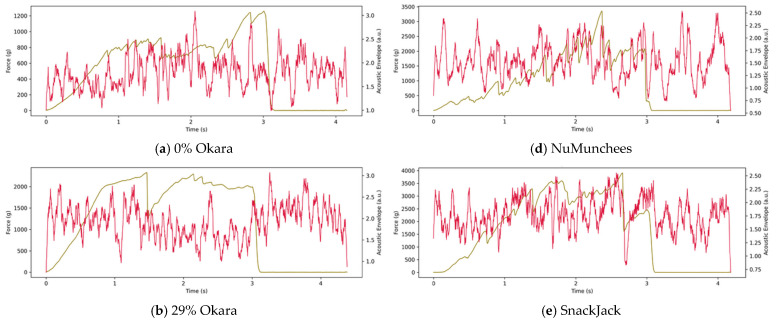 Figure 5
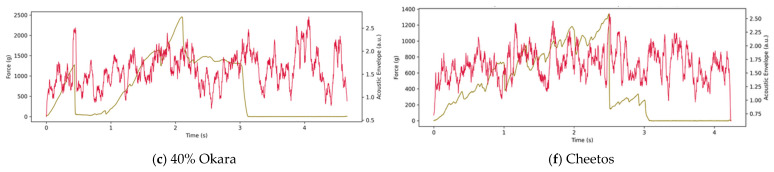 Figure 6
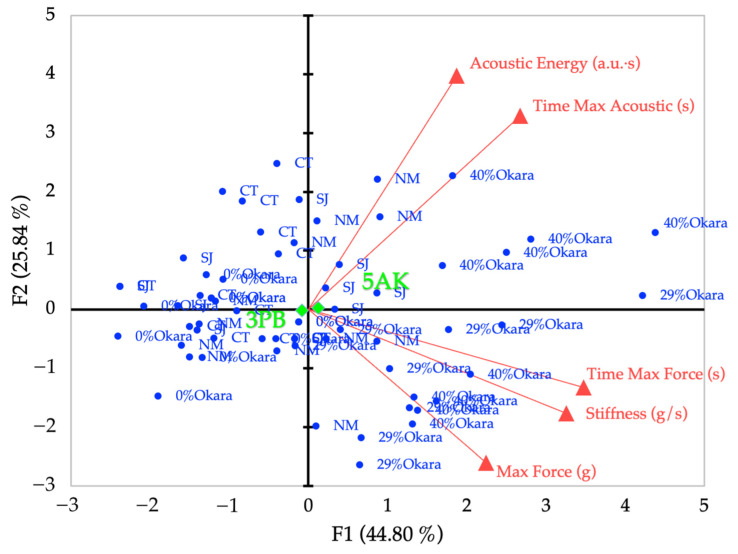 Figure 7
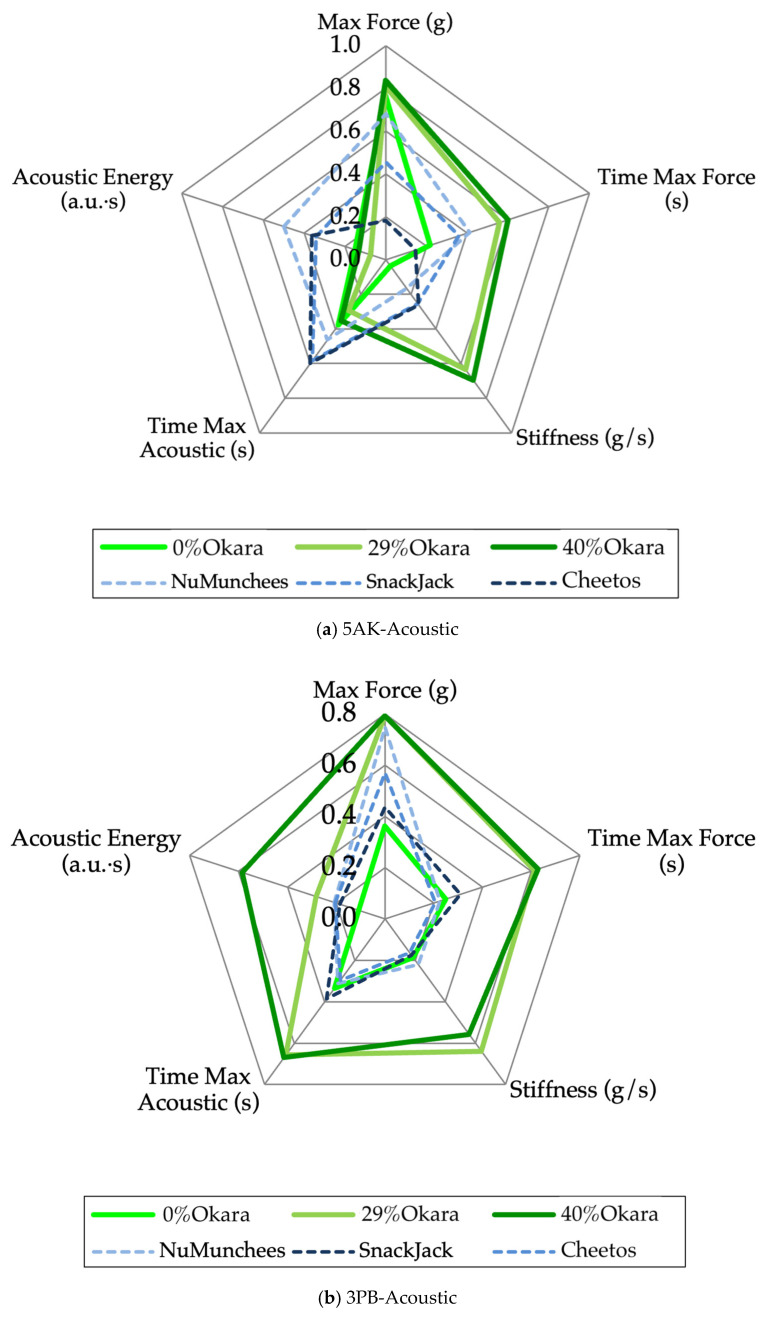 Figure 8
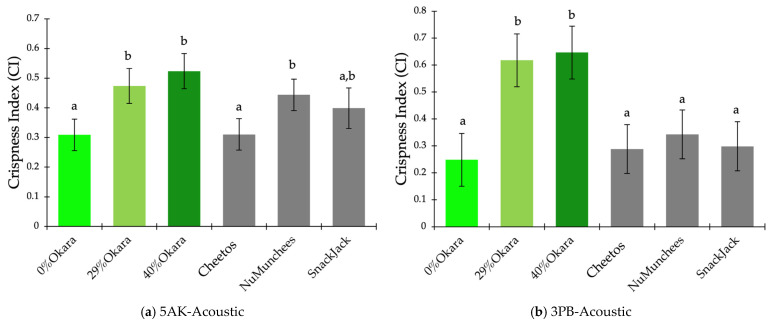 Figure 9
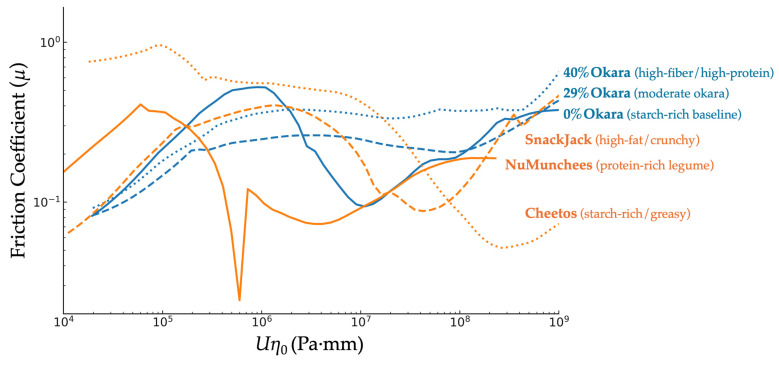 Figure 10
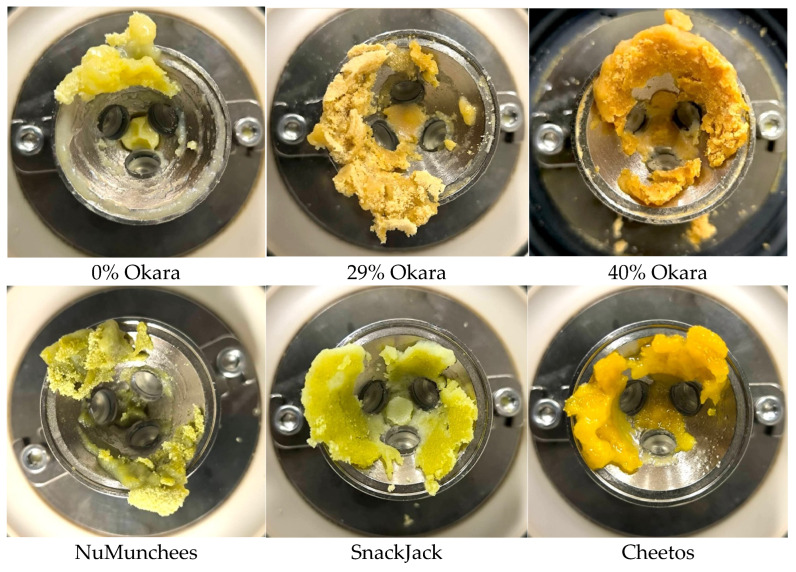 Figure 11
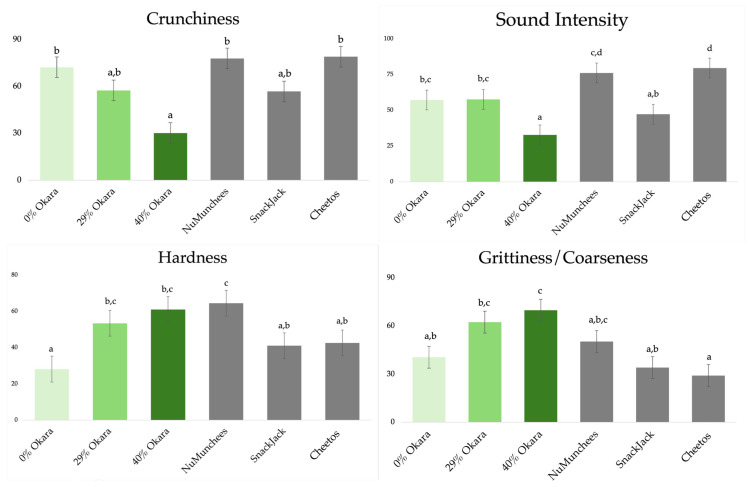 Figure 12
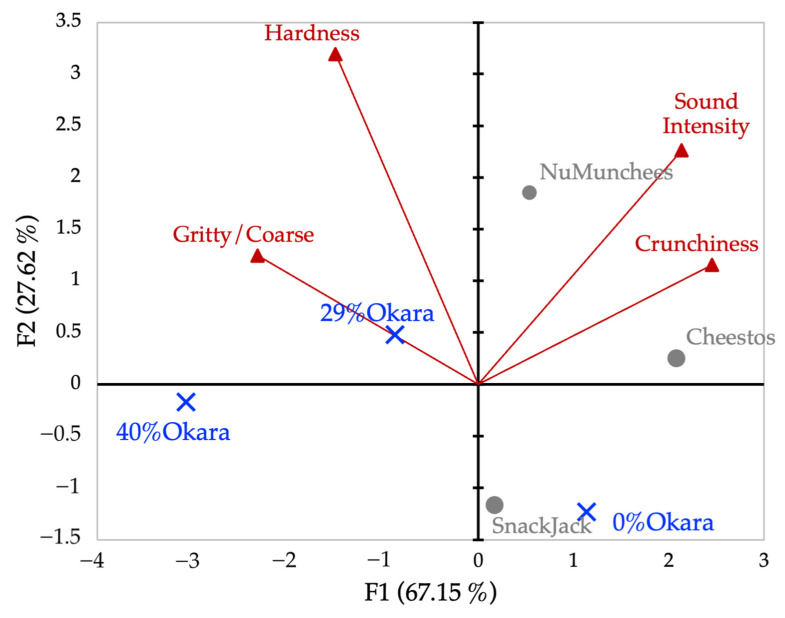 Figure 13
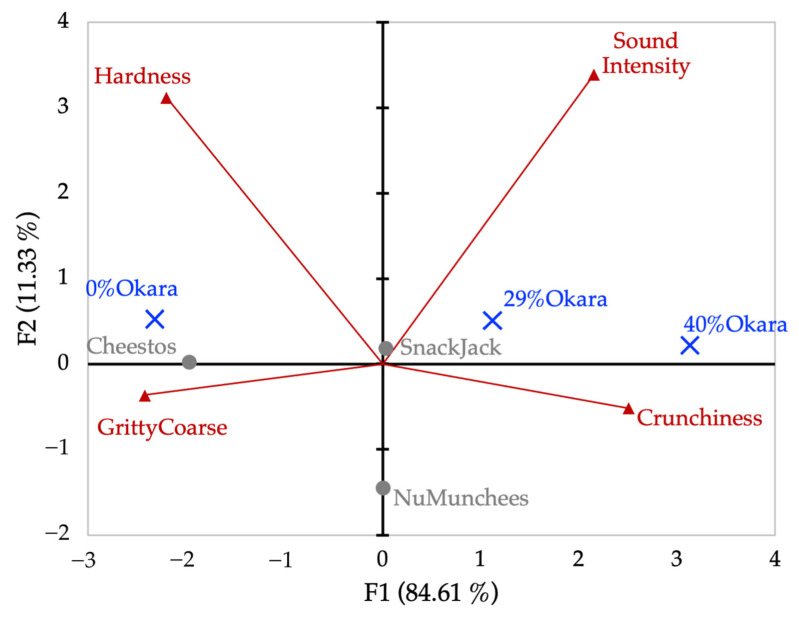 Figure 14
Peer Reviews
No public reviews on file for this paper yet. If you reviewed it on a platform where reviews are public (OpenReview, ICLR, NeurIPS, ICML), you can paste yours below so the community can read it here.
Videos
No videos yet. Explain this paper in a talk, walkthrough, or lecture? Add one.
Taxonomy
TopicsFood composition and properties · Proteins in Food Systems · Food Drying and Modeling