Wigner Distribution Sets Universal Lower Bound for Quantum Advantage in Gaussian Boson Sampling
Vitaly V. Kocharovsky, Kunwar Kalra

TL;DR
This paper shows how the Wigner distribution helps determine the minimum quantum advantage in Gaussian boson sampling.
Contribution
The paper introduces a new universal lower bound for quantum advantage based on the Wigner distribution.
Findings
The Wigner distribution's squeezing determines the quantum complexity resource.
The derived lower bound is close to the exact complexity dimension from numerical optimization.
Abstract
The computational complexity, or quantum advantage, of Gaussian boson sampling is ascribed to squeezing of the Wigner quasiprobability distribution. This approach reveals the physical origin of the quantum complexity resource. This approach sets an easy-to-compute universal lower bound for the complexity dimension determined by the boson number in the quantum complexity resource. It is shown that the Wigner lower bound is close to the exact value of the complexity dimension obtained via numerical convex optimization. Our analytical and numerical results disclose a series of remarkable properties of quantum advantage.
Genes, proteins, chemicals, diseases, species, mutations and cell lines named across the full text — each resolved to its canonical identifier and authoritative record.
Click any figure to enlarge with its caption.
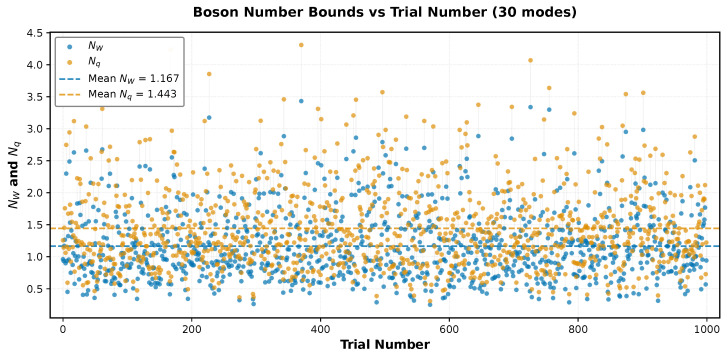 Figure 1
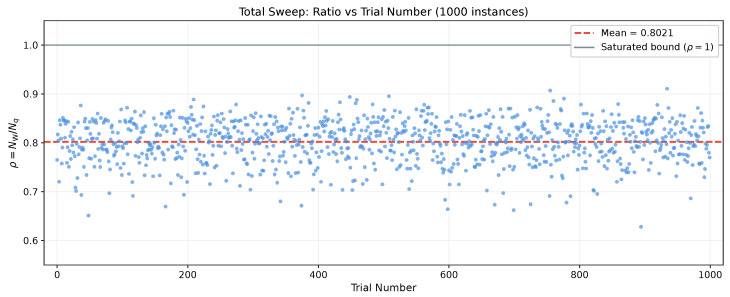 Figure 2
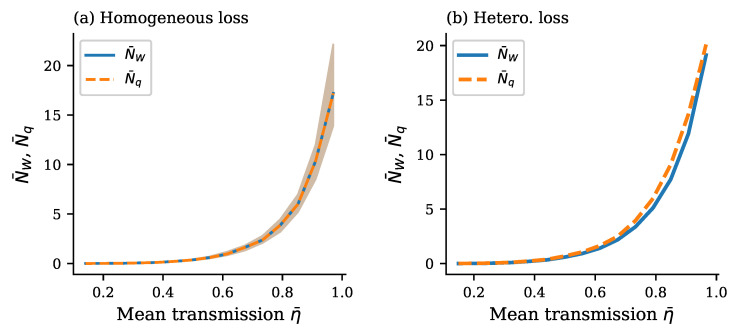 Figure 3
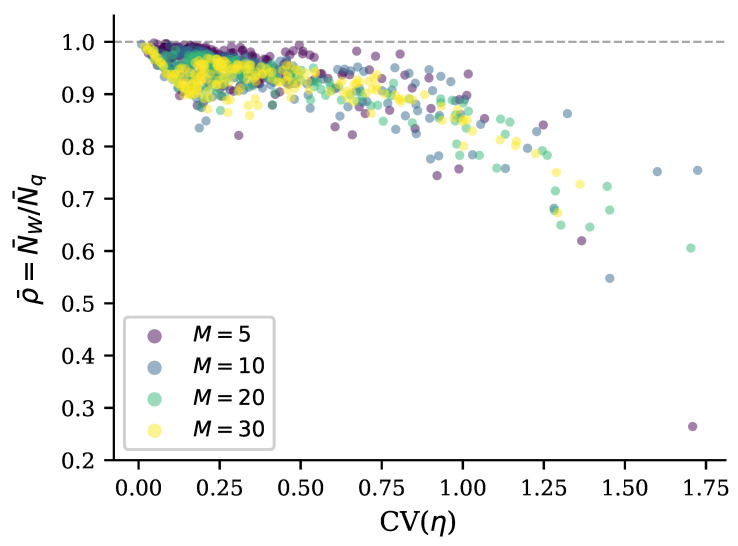 Figure 4
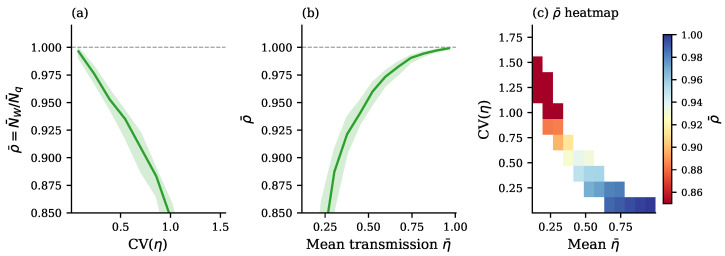 Figure 5
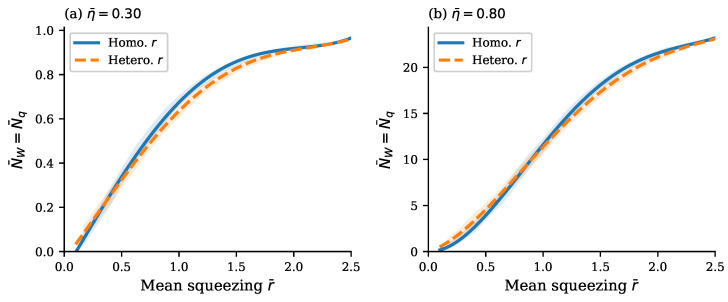 Figure 6
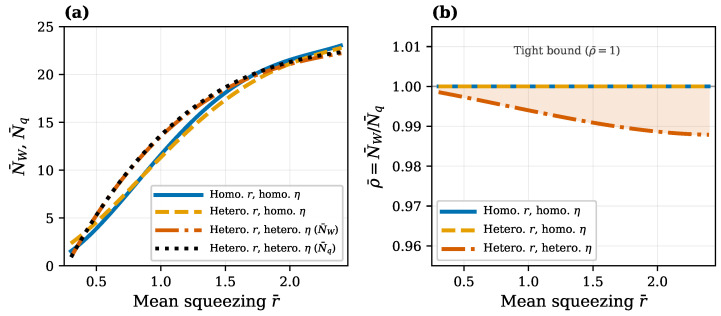 Figure 7
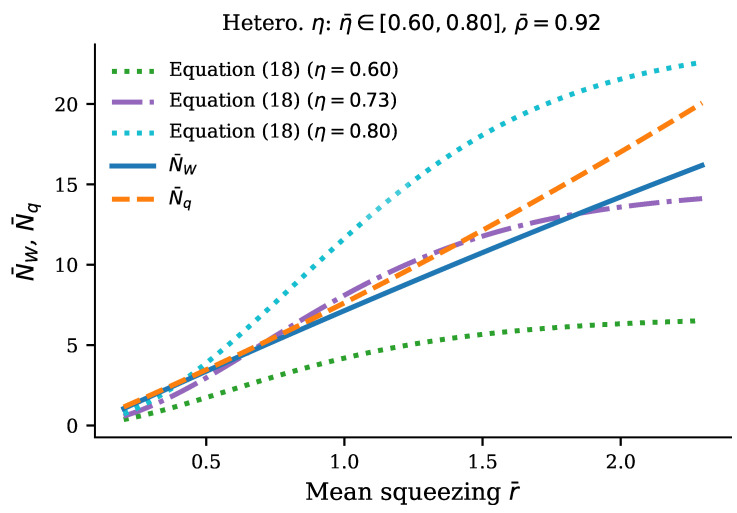 Figure 8
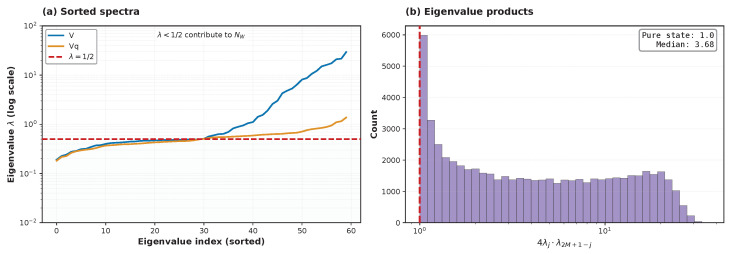 Figure 9
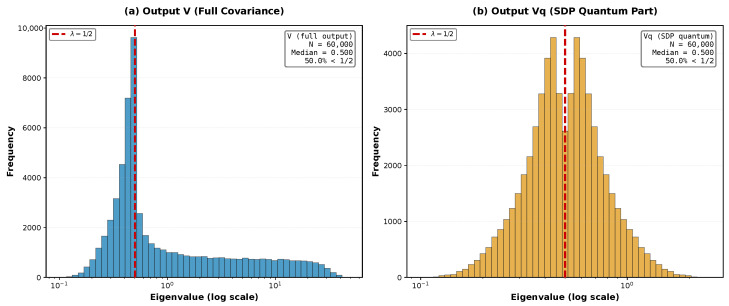 Figure 10
Peer Reviews
No public reviews on file for this paper yet. If you reviewed it on a platform where reviews are public (OpenReview, ICLR, NeurIPS, ICML), you can paste yours below so the community can read it here.
Videos
No videos yet. Explain this paper in a talk, walkthrough, or lecture? Add one.
Taxonomy
TopicsQuantum Information and Cryptography · Quantum Computing Algorithms and Architecture · Quantum Mechanics and Applications