The Hitchhiker’s Guide to the Surface Code
Fang Zhang, Jianxin Chen

TL;DR
This paper provides a modern introduction to fault-tolerant quantum computation using the surface code and lattice surgery.
Contribution
It introduces a modern and practical approach to quantum error correction using surface code and lattice surgery.
Findings
The surface code and lattice surgery are presented as a modern framework for fault tolerance.
The paper assumes basic quantum computation knowledge but no prior error correction expertise.
Abstract
Error correction is an essential part of the theory of quantum computation. However, new quantum computation students may find the theories of error correction and fault tolerance daunting, or they may be stuck with theoretical/outdated schemes (such as the one in the original proof of the threshold theorem by Aharonov and Ben-or) with unrealistically low thresholds and/or high overhead. In this article, we describe an adequately modern approach to fault-tolerant quantum computation based on the surface code and lattice surgery. The reader is assumed to have a basic understanding of quantum computation (state vectors, unitary gates, and measurements, etc.), but no prior knowledge about quantum codes or quantum error correction is needed.
Genes, proteins, chemicals, diseases, species, mutations and cell lines named across the full text — each resolved to its canonical identifier and authoritative record.
Click any figure to enlarge with its caption.
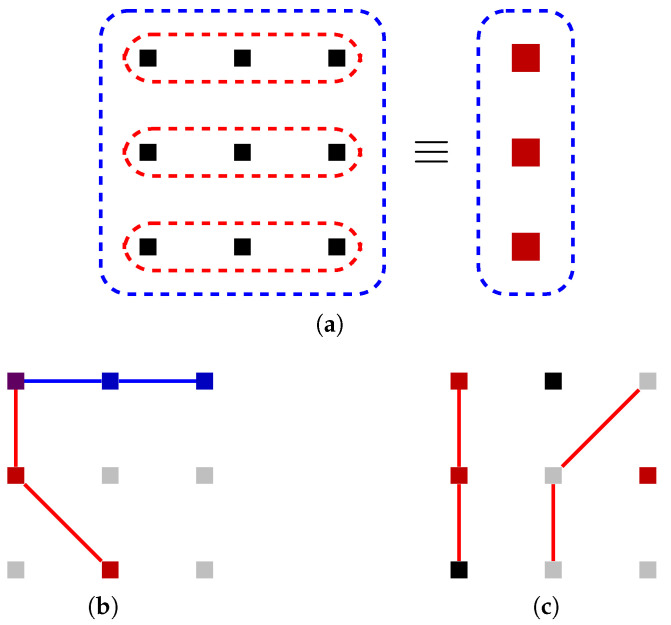 Figure 1
 Figure 2
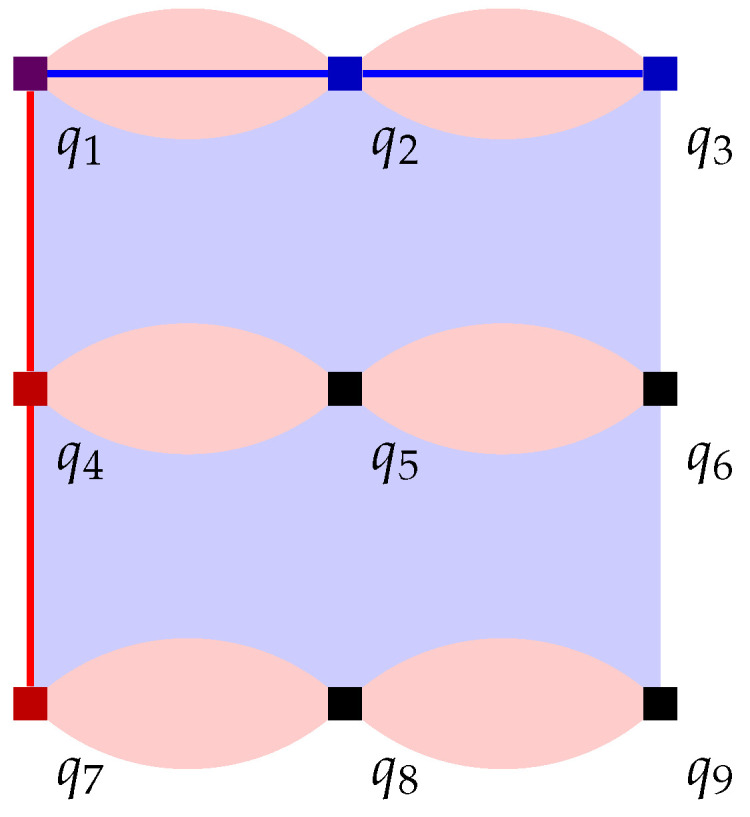 Figure 3
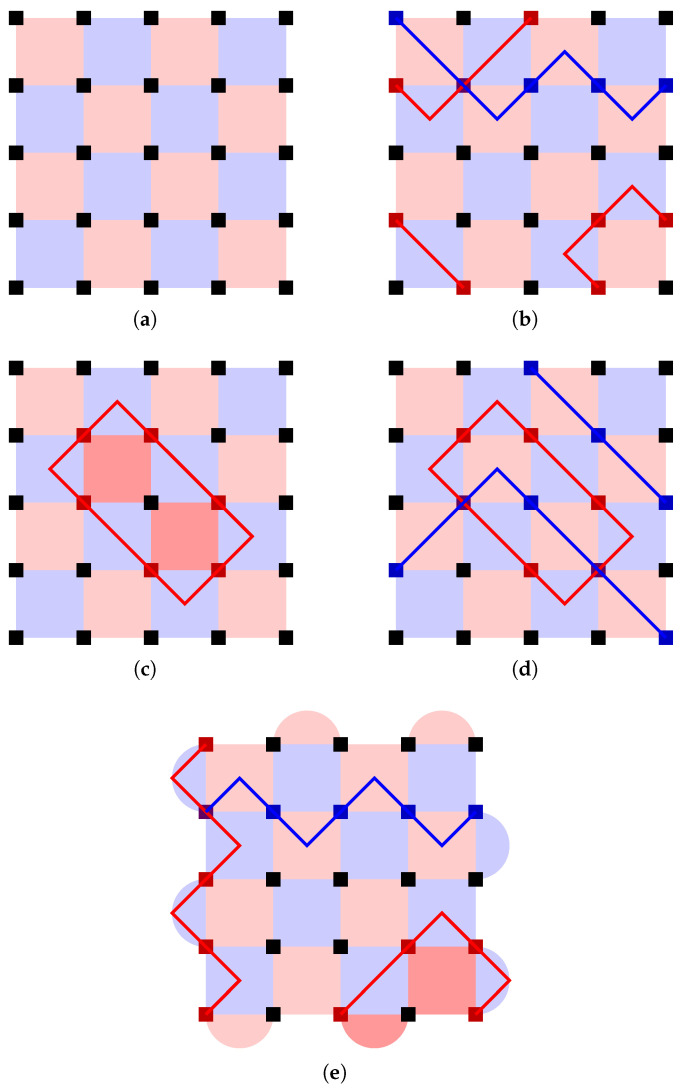 Figure 4
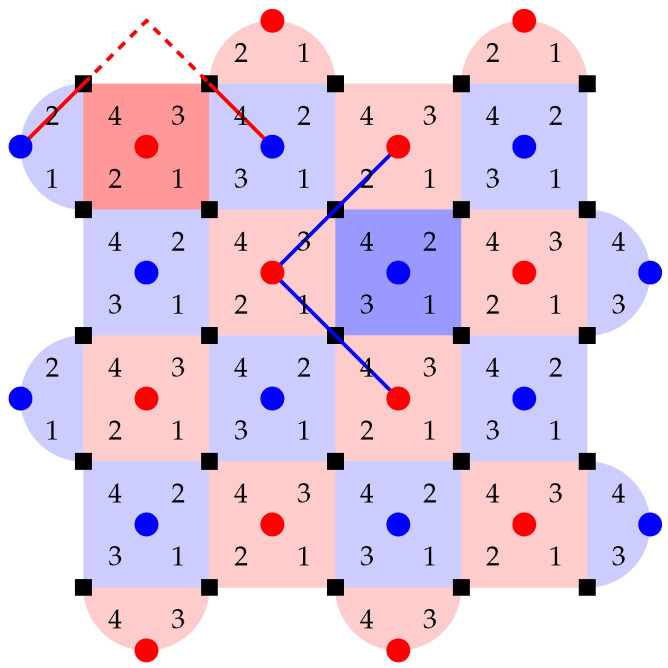 Figure 5
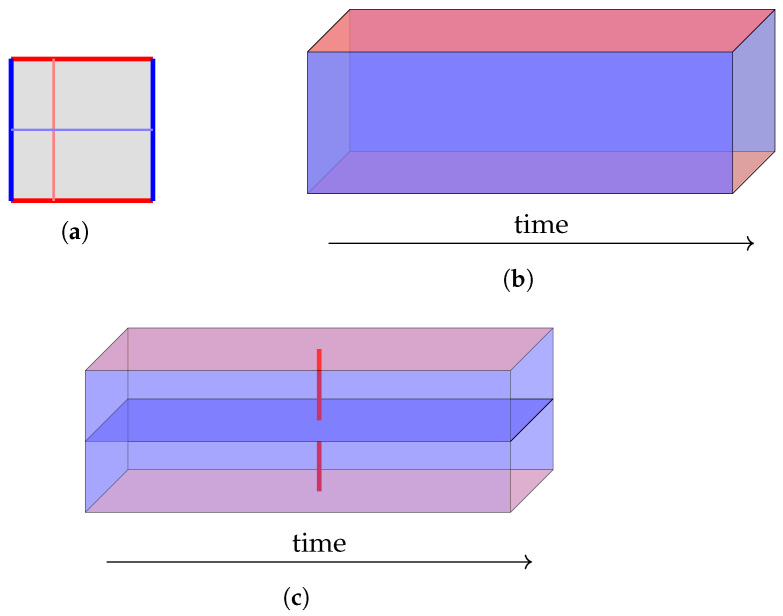 Figure 6
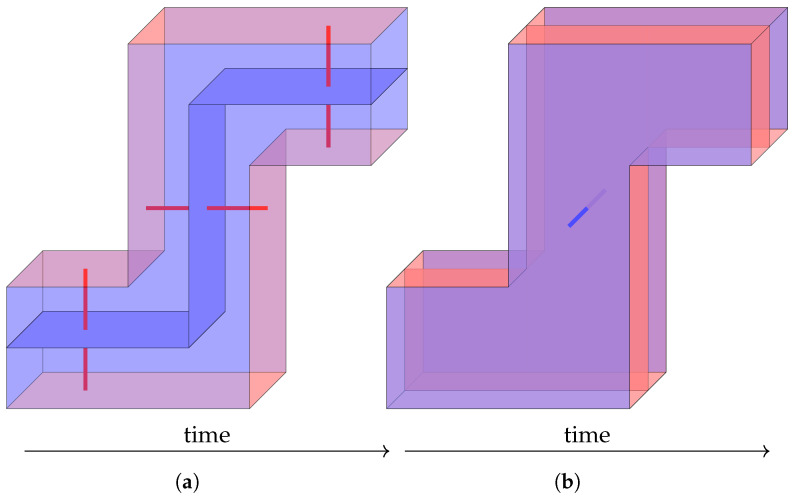 Figure 7
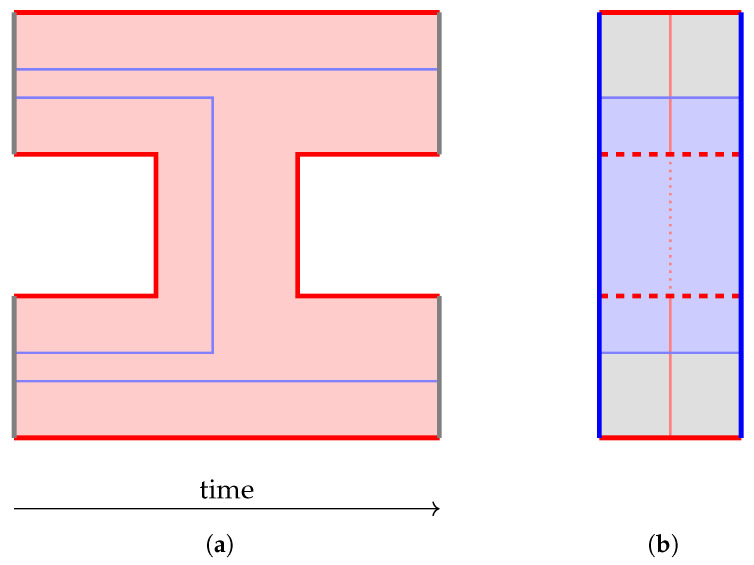 Figure 8
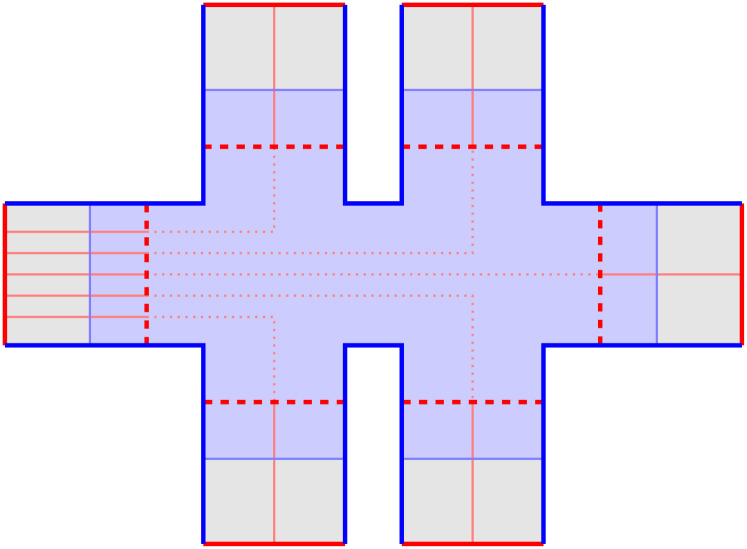 Figure 9
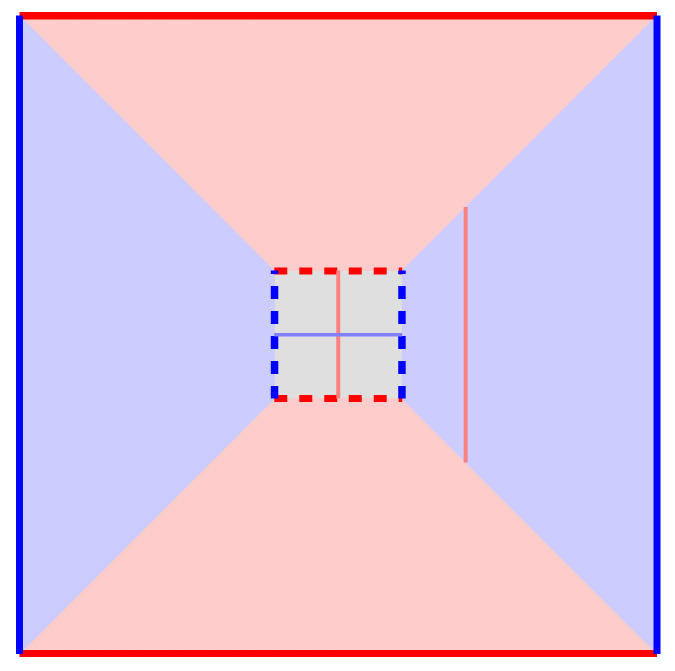 Figure 10
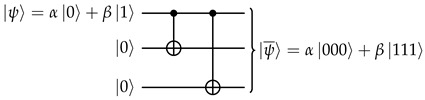 Figure 11
 Figure 12
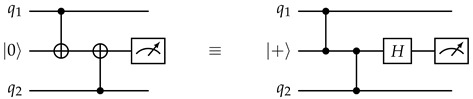 Figure 13
 Figure 14
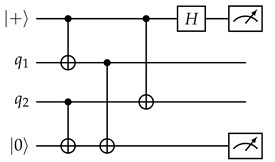 Figure 15
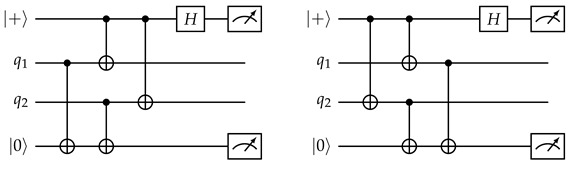 Figure 16
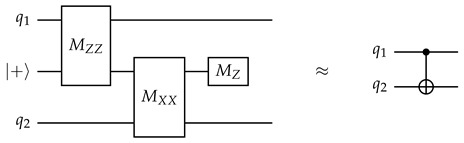 Figure 17
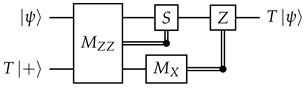 Figure 18
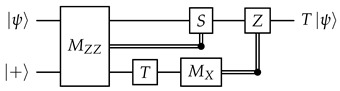 Figure 19
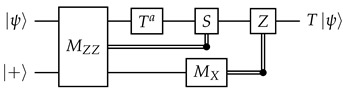 Figure 20
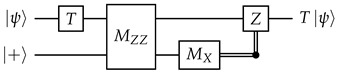 Figure 21
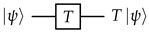 Figure 22
Peer Reviews
No public reviews on file for this paper yet. If you reviewed it on a platform where reviews are public (OpenReview, ICLR, NeurIPS, ICML), you can paste yours below so the community can read it here.
Videos
No videos yet. Explain this paper in a talk, walkthrough, or lecture? Add one.
Taxonomy
TopicsQuantum Computing Algorithms and Architecture · Quantum Information and Cryptography · Quantum Mechanics and Applications