Indium phosphide quantum dots: advanced synthesis, surface engineering, and biomedical applications in imaging, sensing, and therapy
A. K. Kareem, Musallam Ahmed Salim Tabook, Esraa H. J. Mahdi, Ahmed Said Badawy, M. M. Rekha, Laxmidhar Maharana, P. Grace Kanmani Prince, Gaganjot Kaur, Hamza Fadhel Hamzah, Nadia Sarhan

TL;DR
Indium phosphide quantum dots are promising non-toxic nanomaterials for biomedical imaging, sensing, and therapy due to their near-infrared properties and biocompatibility.
Contribution
The paper introduces advanced synthesis and surface engineering methods that enhance the safety and performance of InP QDs for biomedical use.
Findings
InP QDs exhibit low cytotoxicity and superior near-infrared emission for high-sensitivity bioimaging.
Surface engineering techniques like ligand exchange and polymer coatings improve stability and reduce indium release.
InP QDs enable applications in photodynamic therapy, drug delivery, and neural prosthetics.
Abstract
Indium phosphide quantum dots (InP QDs) are emerging as non-toxic, tunable, and biocompatible semiconductor nanomaterials with transformative potential in biomedical applications. This review highlights cutting-edge synthesis methods, including nonclassical nucleation and scalable production, alongside innovative surface engineering techniques such as ligand exchange, polymer coatings, and inorganic passivation to overcome challenges like surface defects and indium release. We explore their superior near-infrared (NIR) emission and low cytotoxicity, enabling high-sensitivity NIR bioimaging, resonance energy transfer-based biosensing, photodynamic therapy, drug delivery, and neural prosthetics. Compared to other nanoparticles, InP QDs offer enhanced NIR performance and regulatory compliance, making them economically viable for diagnostics and therapeutics. By addressing safety concerns…
Genes, proteins, chemicals, diseases, species, mutations and cell lines named across the full text — each resolved to its canonical identifier and authoritative record.
Click any figure to enlarge with its caption.
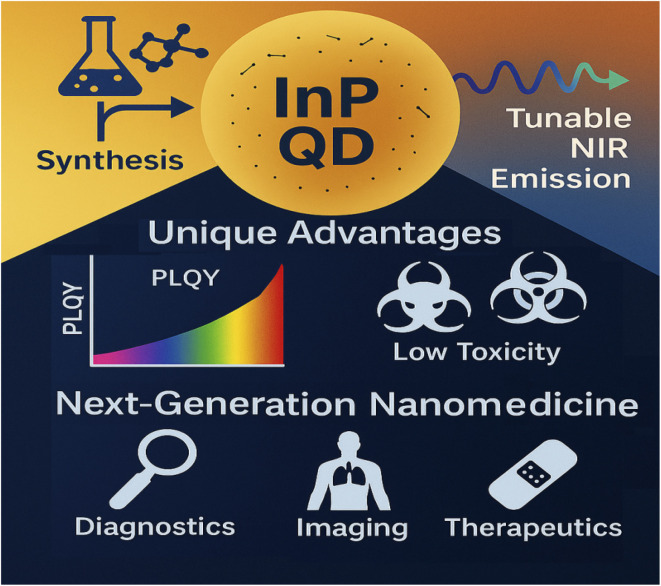 Figure 1
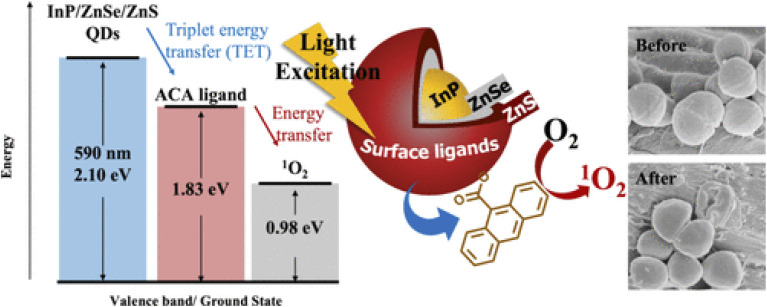 Figure 2
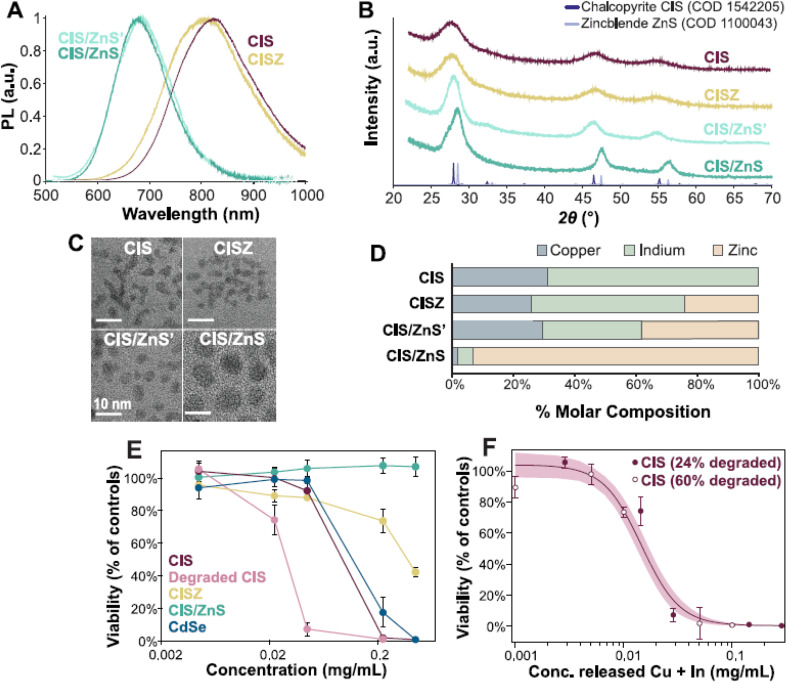 Figure 3
 Figure 4
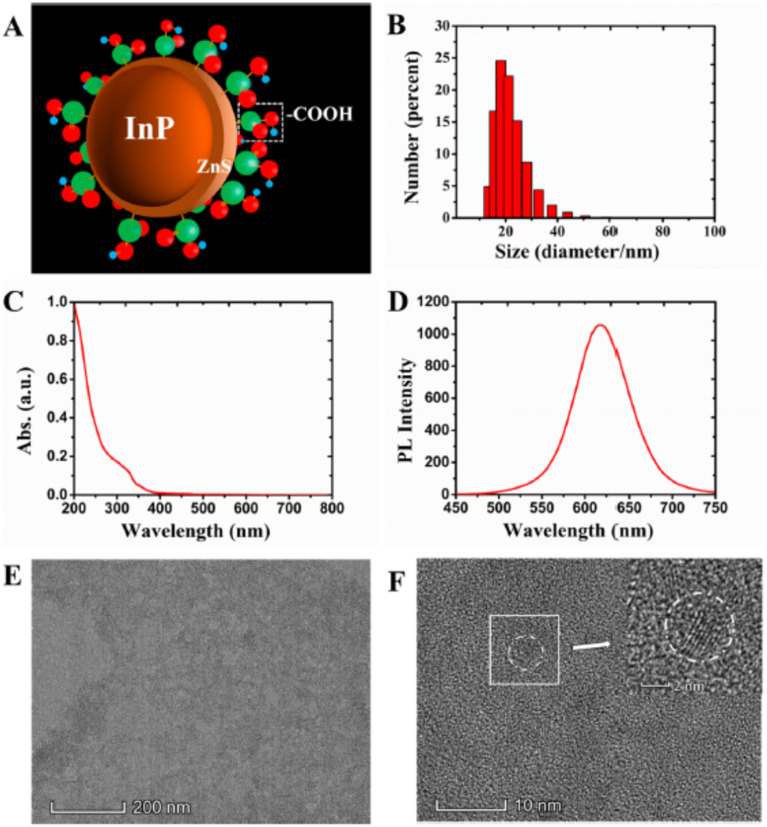 Figure 5
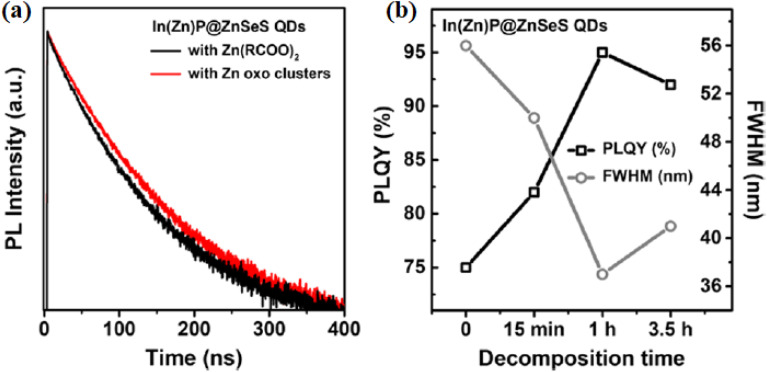 Figure 6
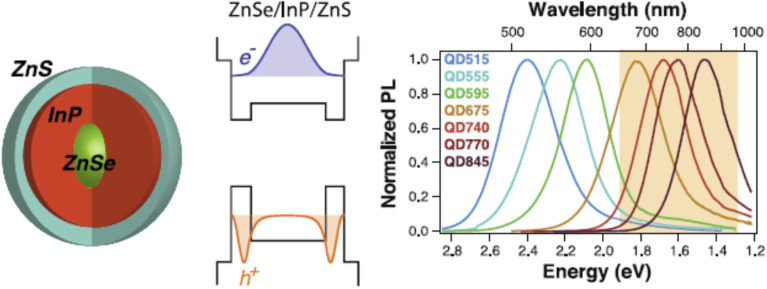 Figure 7
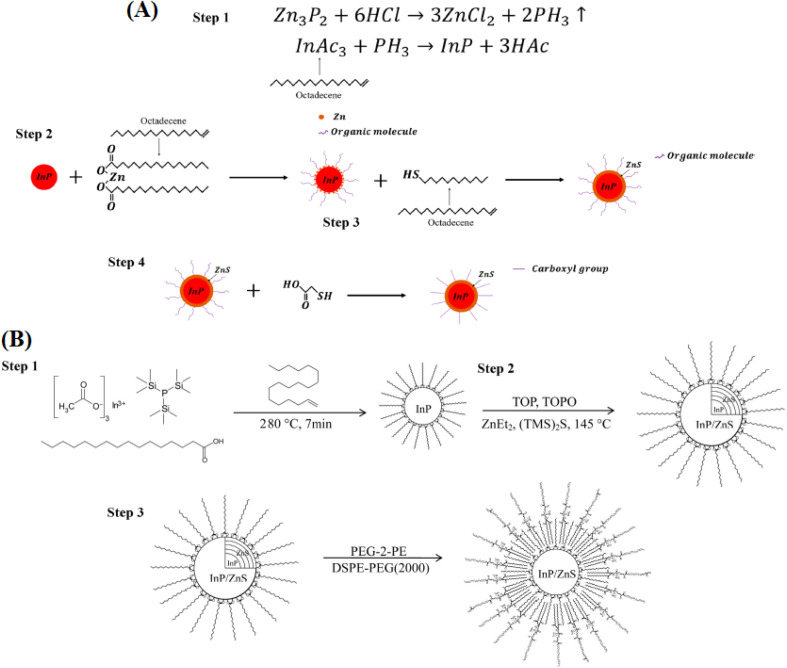 Figure 8
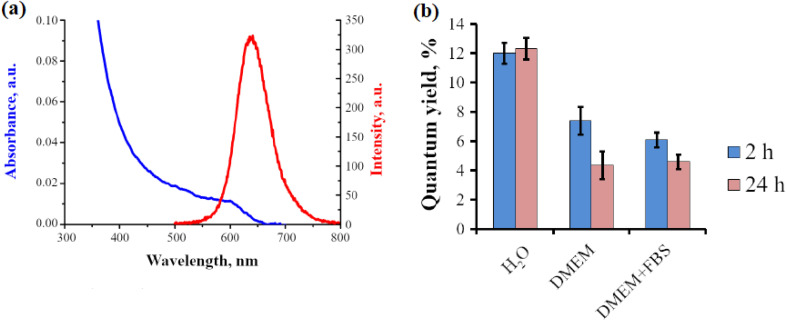 Figure 9
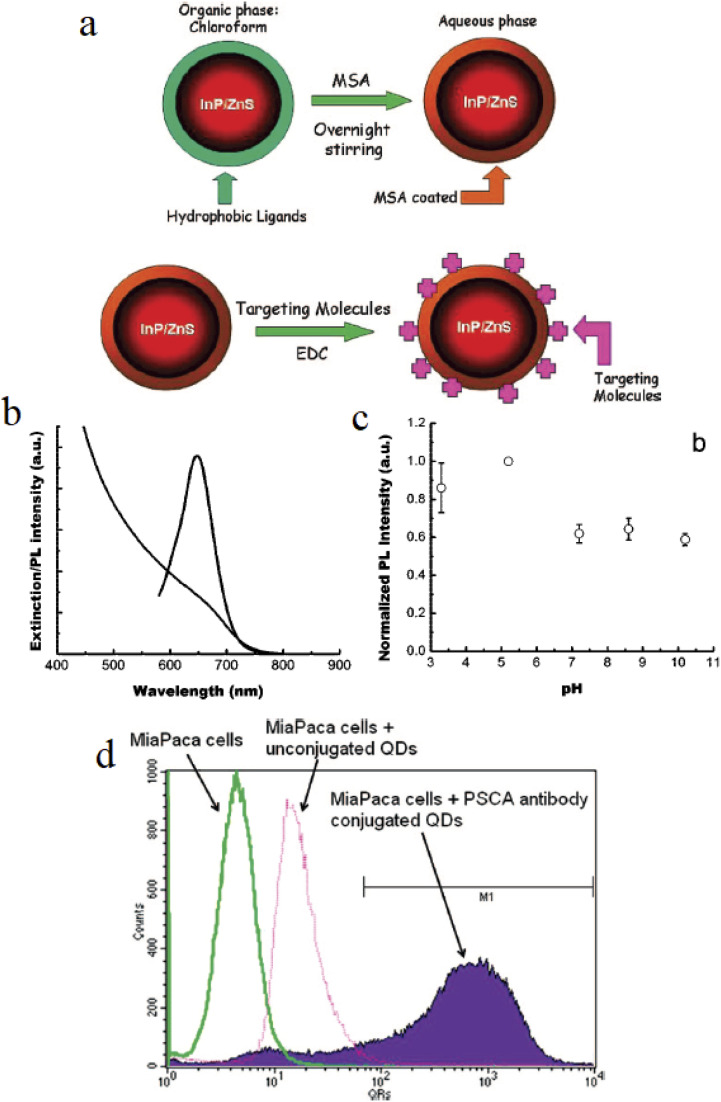 Figure 10
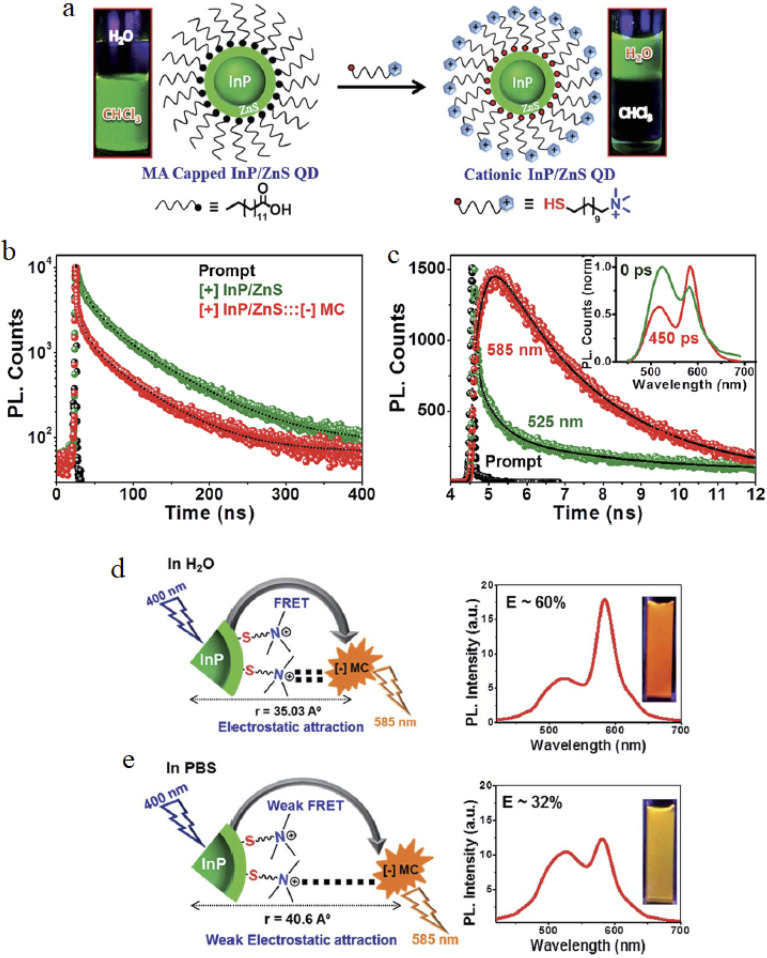 Figure 11
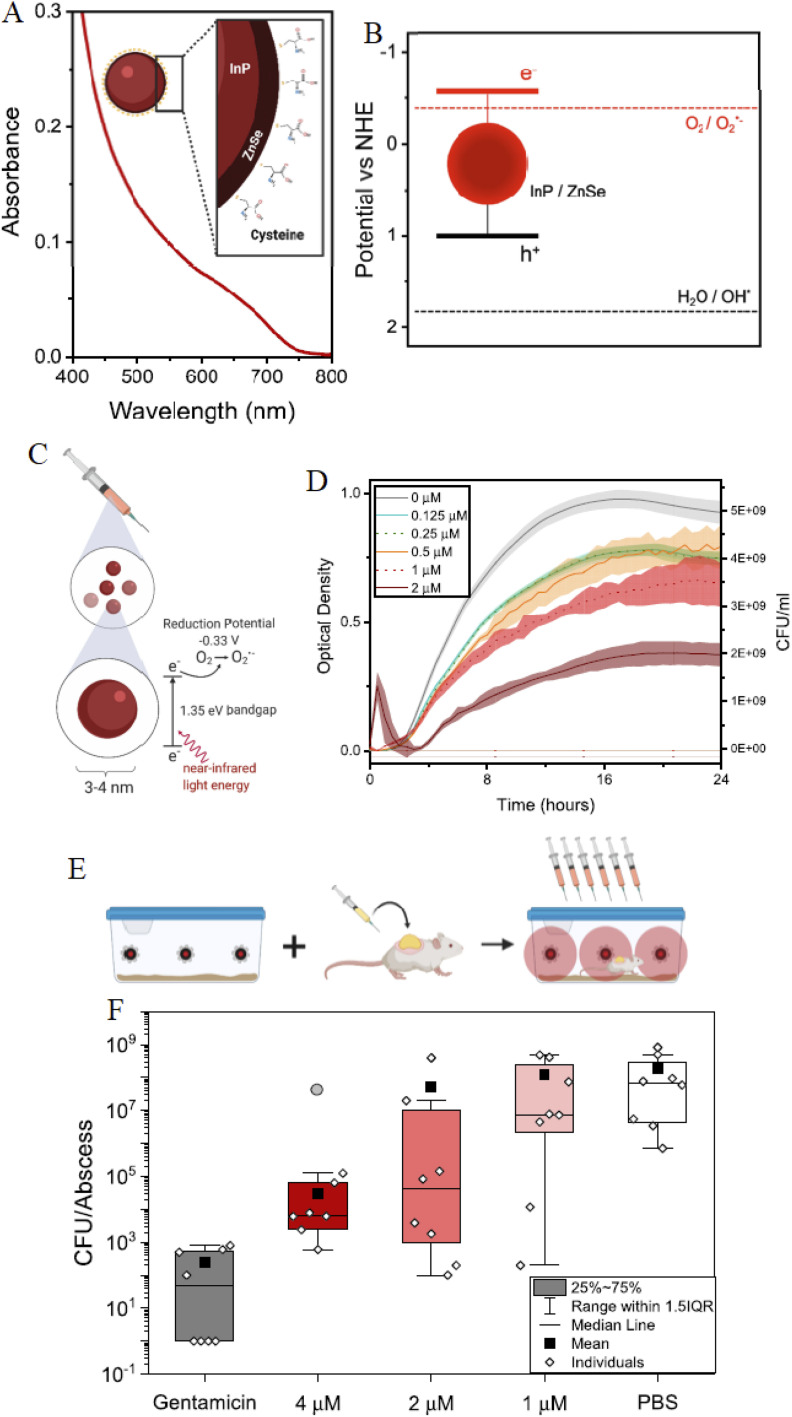 Figure 12
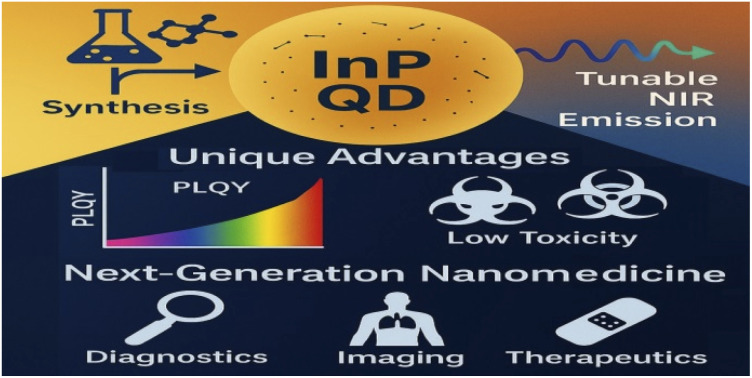 Figure 13
Peer Reviews
No public reviews on file for this paper yet. If you reviewed it on a platform where reviews are public (OpenReview, ICLR, NeurIPS, ICML), you can paste yours below so the community can read it here.
Videos
No videos yet. Explain this paper in a talk, walkthrough, or lecture? Add one.
Taxonomy
TopicsQuantum Dots Synthesis And Properties · Silicon Nanostructures and Photoluminescence · Carbon and Quantum Dots Applications