Why does pulsed laser-deposited amorphous NiOx serve as an excellent electrode material for revolutionizing glucose detection?
Akshay Parab, Suhas M. Jejurikar, Jash Salunke, Dattatray Late

TL;DR
Amorphous NiOx shows unique electrochemical properties for glucose detection, with surface changes linked to improved performance.
Contribution
The paper reveals a novel charge transfer mechanism and surface phase evolution in amorphous NiOx for glucose sensing.
Findings
Amorphous NiOx exhibits a high diffusion coefficient for glucose detection in alkaline medium.
Oxidation potential shifts correlate with surface nickel hydroxide phases during glucose oxidation.
Pulsed laser-deposited amorphous NiOx shows negligible current variation with glucose concentration.
Abstract
Amorphous materials offer distinct properties, such as specific electronic states, a multitude of surface dangling bonds, unsaturated coordination, and enhanced charge transfer, that may improve their electrochemical performance compared with their nano and bulk counterparts. Given their intriguing characteristics, herein, we report a revolutionary electrochemical response of amorphous NiOx to glucose, which is confirmed through cyclic voltammetry measurements in an alkaline medium. To investigate this, amorphous NiOx was grown on a commercially available screen-printed electrode using pulsed laser deposition. The amorphous nature of NiOx was confirmed using transmission electron microscopy, while nickel with multi valances was confirmed using an X-ray photoelectron microscopy. As the glucose concentration varied in the alkaline medium, a negligible change in current values is observed,…
Genes, proteins, chemicals, diseases, species, mutations and cell lines named across the full text — each resolved to its canonical identifier and authoritative record.
Click any figure to enlarge with its caption.
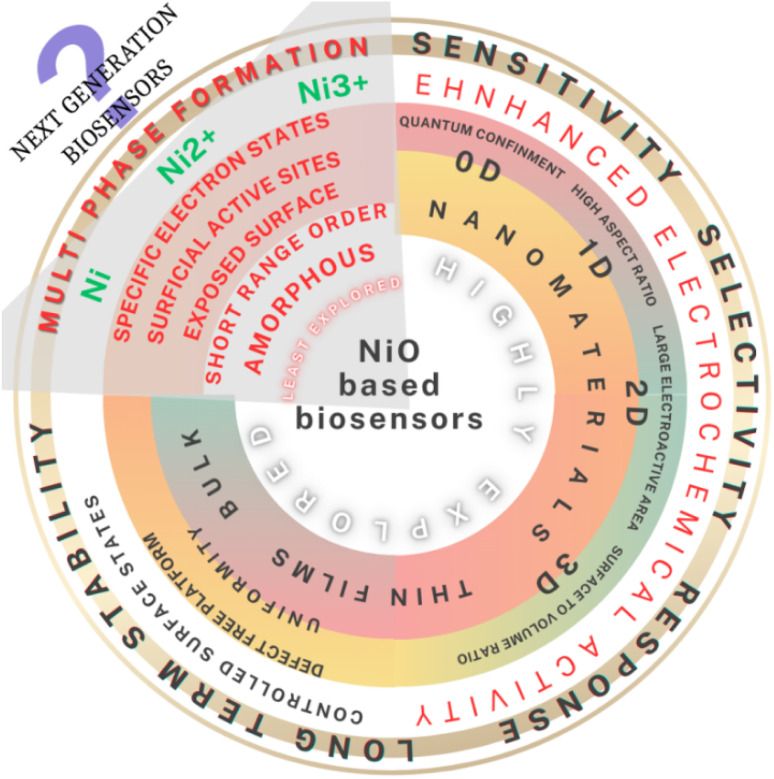 Figure 1
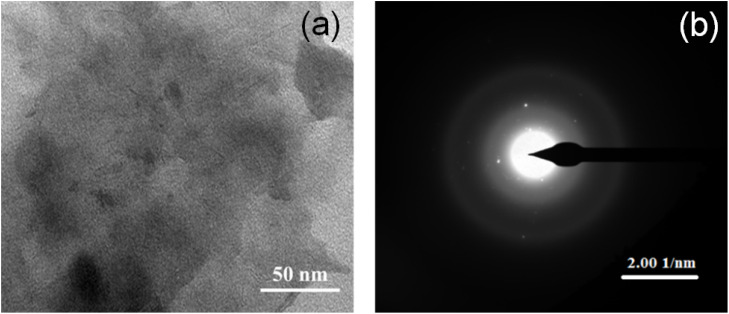 Figure 2
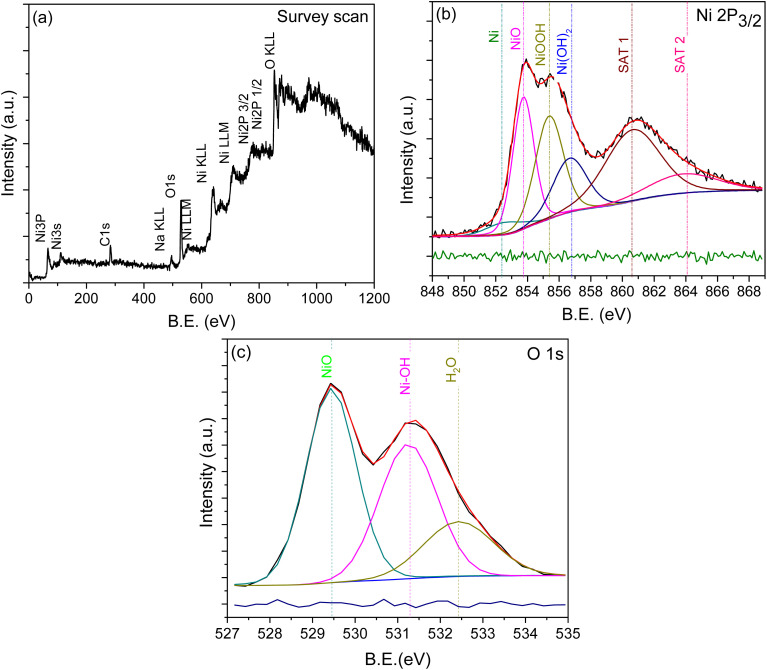 Figure 3
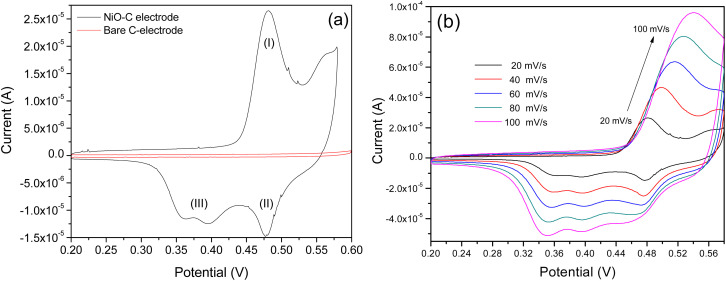 Figure 4
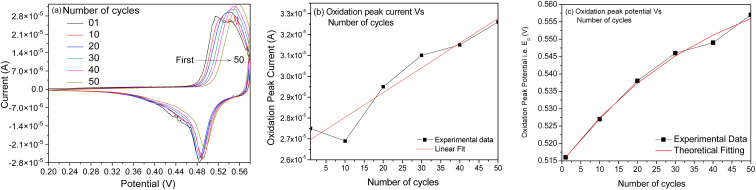 Figure 5
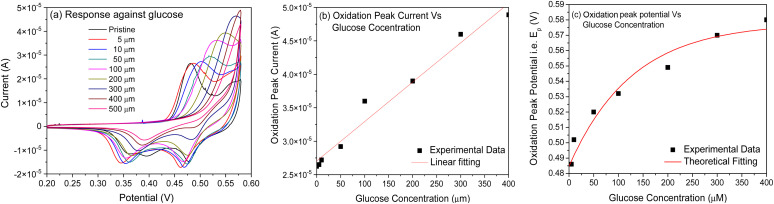 Figure 6
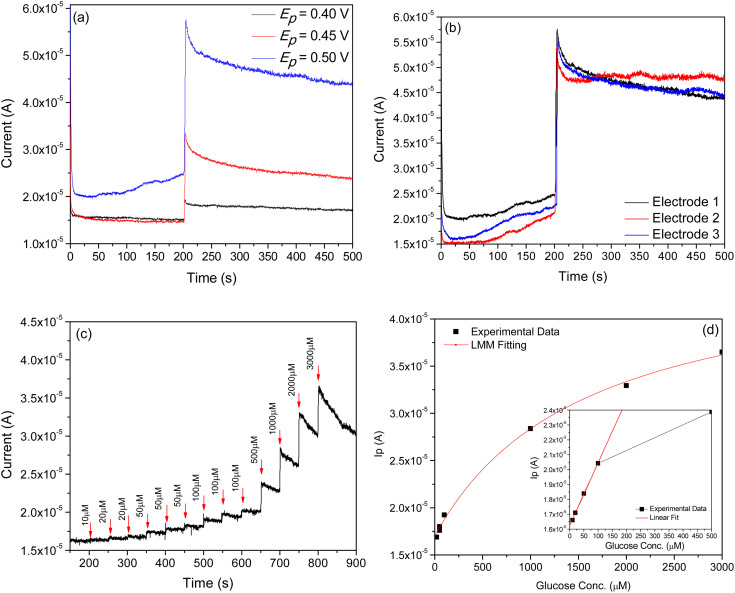 Figure 7
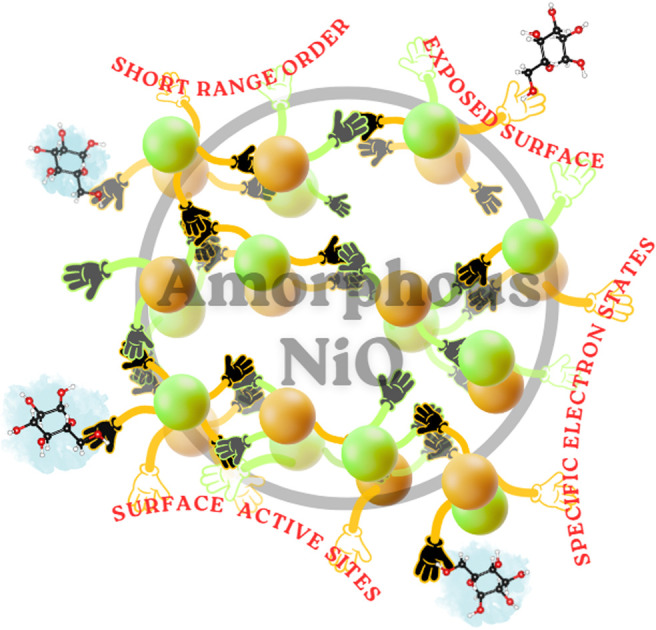 Figure 8
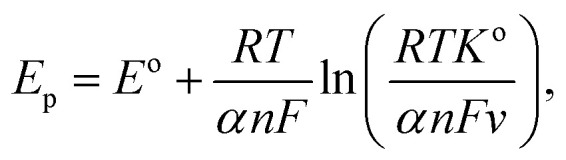 Figure 9
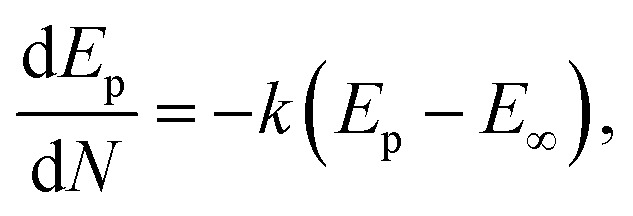 Figure 10
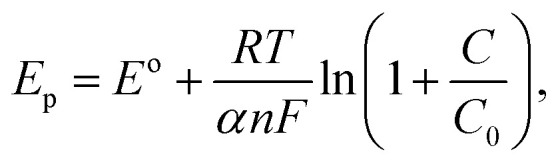 Figure 11
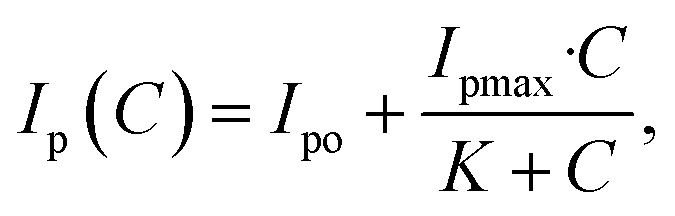 Figure 12
Peer Reviews
No public reviews on file for this paper yet. If you reviewed it on a platform where reviews are public (OpenReview, ICLR, NeurIPS, ICML), you can paste yours below so the community can read it here.
Videos
No videos yet. Explain this paper in a talk, walkthrough, or lecture? Add one.
Taxonomy
TopicsElectrochemical sensors and biosensors · Supercapacitor Materials and Fabrication · Conducting polymers and applications