Consumer Preferences and Assortment in Large-Scale Retail of Lamb Meat: A Comparative Study in the Metropolitan Area of Turin (North-West Italy)
Chiara Costamagna, Valentina Maria Merlino, Danielle Borra, Stefano Massaglia, Gullì Carmine Giuseppe, Antonio Mimosi, Paolo Cornale

TL;DR
This study compares consumer preferences for lamb meat with what is offered in large retail stores in Turin, Italy, revealing mismatches that could improve marketing strategies.
Contribution
The study uniquely combines consumer preference data with retail product analysis to identify supply-demand mismatches in lamb meat retailing.
Findings
Consumer preferences for lamb meat are only partially reflected in large-scale retail offerings.
Retailers increase lamb availability during festive periods, despite non-seasonal consumer consumption patterns.
Consumer interest in organic lamb is not met by current large-scale retail product certifications.
Abstract
This study introduced two distinct investigations conducted in a specific area of Italy (North-West) in order to analyses and compare the supply and demand of lamb meat. The first involved a survey using a questionnaire administered to 135 consumers in the metropolitan area of Turin, examining their choices and preferences, as well as the reasons why 212 non-consumers avoid lamb meat. Concurrently, a study was carried out in the sales points of large-scale retail (LSR) in Turin, focusing on the attributes used to market lamb meat. By comparing the results of the consumer survey, conducted using the Best-Worst Scaling method, with the analysis of LSR offerings, it was found that consumer preferences are only partially aligned with the product offerings. The mismatch between LSR supply and demand is significant in highlighting potential inefficiencies along the supply chain and…
Genes, proteins, chemicals, diseases, species, mutations and cell lines named across the full text — each resolved to its canonical identifier and authoritative record.
Click any figure to enlarge with its caption.
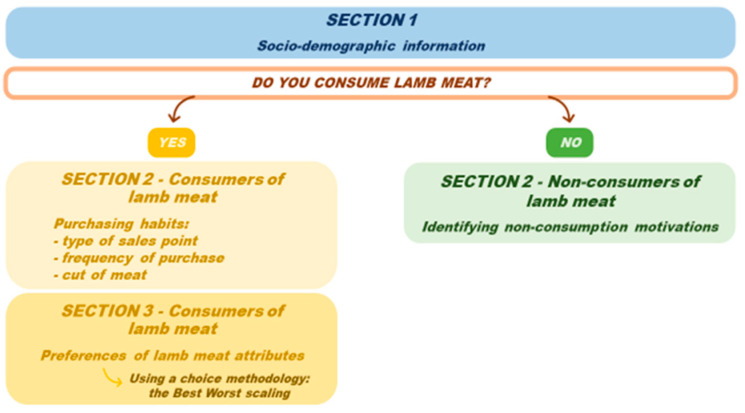 Figure 1
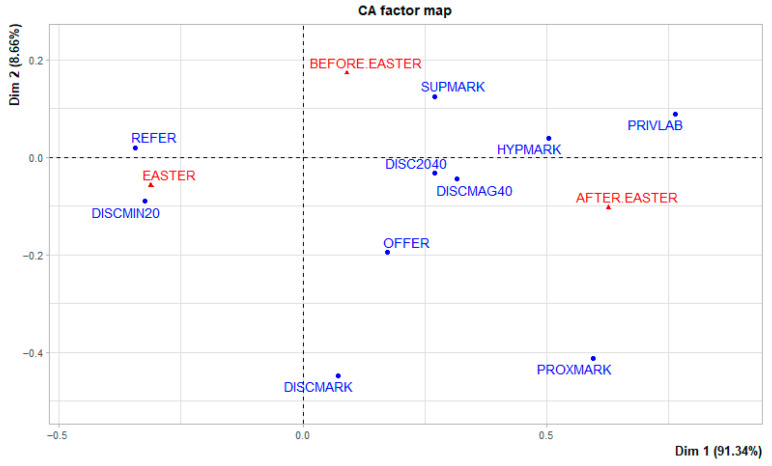 Figure 2
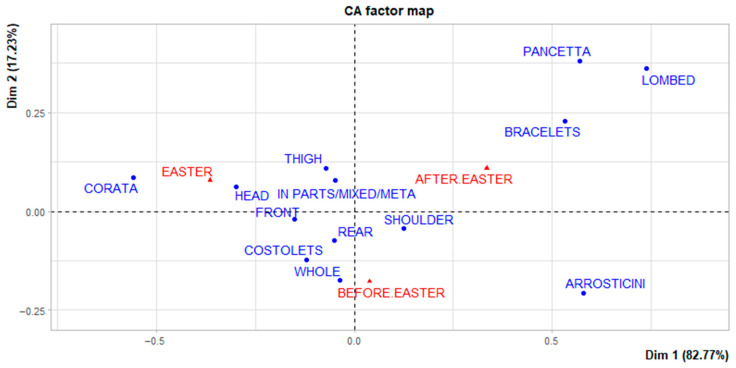 Figure 3
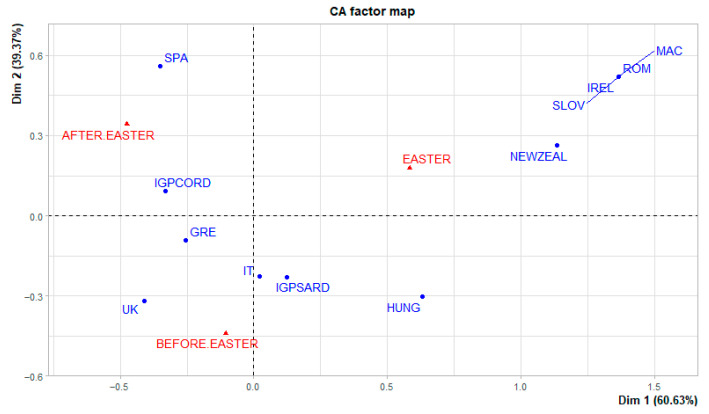 Figure 4
Peer Reviews
No public reviews on file for this paper yet. If you reviewed it on a platform where reviews are public (OpenReview, ICLR, NeurIPS, ICML), you can paste yours below so the community can read it here.
Videos
No videos yet. Explain this paper in a talk, walkthrough, or lecture? Add one.
Taxonomy
TopicsOrganic Food and Agriculture · Agriculture Sustainability and Environmental Impact · Wine Industry and Tourism
1. Introduction
In recent years, the market and production trends for sheep meat have shown a consistent decline across Europe and Italy [1,2]. This decrease is characterized by a reduction in the number of animals and farming enterprises, leading to increased imports of live animals from countries such as Hungary, Romania, and Spain [3]. Concurrently, consumption and purchasing of sheep meat have also decreased, relegating lamb meat to the status of a niche product compared to more commonly consumed meats [4]. In fact, as reported in [4], the global small ruminant sector comprised approximately 1209 million sheep and 1046 million goats, accounting for slightly less than 12% of total livestock units worldwide. Lamb is often associated with religious celebrations and traditional events [5], rendering it a seasonal food in specific geographic contexts. In Italy, lamb consumption is particularly linked to Christian festivities such as Easter and Christmas [6], with this pattern being more pronounced in certain northern regions compared to the south, where lamb traditions extend beyond festive occasions [7].
The declining trend in lamb meat consumption can be attributed to several factors [8]. First, growing consumer awareness of animal welfare and ethical concerns regarding the consumption of animal-derived products have influenced purchasing behaviors, often favoring plant-based alternatives [9,10] over cultural and culinary traditions. In the specific case of lamb, the slaughter of young animals is particularly impactful on public sentiment [11], a concern exacerbated by animal rights campaigns.
Other contributing factors include the high price of lamb meat, challenges in sourcing and preparing it, and the limited availability of processed and ready-to-eat lamb products [5]. According to [12], purchasing behavior is influenced by socio-demographic factors: younger individuals and those with lower incomes are less willing to pay a premium price, while women prioritize ease of preparation, especially cooking time [13]. Developing processed lamb-based products could address the preparation challenges and potentially stimulate consumption. However, these products remain scarce and less well-known compared to processed products from veal, pork, and chicken, with the exception of baby food [14].
Sheep production—including meat, dairy, and wool—represents a vital part of the environmental, cultural, and culinary heritage of Mediterranean regions [15]. The European Union has recognized this importance by granting Protected Geographical Indication (PGI) status to three types of Italian lamb meat: Agnello Sardo, Abbacchio Romano, and Agnello del Centro Italia [16]. PGI certification can play a pivotal role in boosting consumption by certifying the superior quality of these products [17]. A study of Spanish consumers by [18] found that the PGI label is particularly influential among occasional consumers, though product origin remains the primary determinant of purchase decisions. Consumers often prefer locally sourced products for qualitative reasons (fresher and tastier meat) and moral considerations (supporting the domestic economy) [19].
In addition to origin, other product attributes such as shelf life, cut type, and nutritional information play a significant role in consumer decision-making [20]. Modern consumers are increasingly attentive to the nutritional composition of food due to a focus on healthy lifestyles [21,22] while also valuing the sensory pleasure of meat consumption [23]. Lamb meat is distinguished by its unique organoleptic qualities flavor, taste, and aroma as well as its nutritional profile, which includes essential proteins and fatty acids [24]. Pasture-fed lamb meat has a more intense flavor than that of lambs raised on concentrate or milk, and the slaughter age further affects tenderness and aroma [25]. Lamb is also a rich source of polyunsaturated fatty acids (PUFAs), including conjugated linoleic acid (CLA), arachidonic acid, Omega-3 fatty acids, and essential minerals like iron and zinc [26,27], all of which contribute to human health [28]. Grazing-based production systems, in particular, yield lamb meat with a PUFA-rich fatty acid profile [29].
In an era where red meat consumption is increasingly discouraged for environmental and health reasons [30], the traditional lamb production system, which is largely pasture-based and reliant on transhumance, should not be overlooked. This system produces high-quality food from limited natural resources, supports sustainable land management, and functions as a multifunctional system [31]. However, understanding the offer composition and planning is also important to depict a holistic view of the lamb market in a particular geographic area, characterized by located production areas and seasonal consumption [32].
To provide actionable insights and marketing strategies for sustaining these production systems and addressing the decline in lamb consumption, this research aims to:
- Identify the profiles of lamb meat consumers (and buyers) and non-consumers, analyzing preferences and purchasing behaviors as well as reasons for non-consumption.
- Describe and analyze product attributes in large-scale retail (LSR) settings across three time periods: before, during, and after Easter holidays.
- Examine the relationship between supply and demand to assess whether the production chain aligns with consumer intentions.
In order to reach the latter research aims the Best-Worst Scaling (BWS) methodology was employed to investigate consumer preferences. While this approach has been applied in other agri-food sectors [33,34,35,36,37], its use in lamb consumer research is, to the best of our knowledge, unprecedented. Similarly, studies comparing simultaneously the supply and demand dynamics in the lamb sector are underrepresented in recent literature.
In regions such as the one analyzed, where lamb consumption is historically rooted, data generated by these surveys provide valuable information to operators in the lamb meat supply chain, enabling them to better understand consumer preferences and effectively fill gaps in supply.
2. Materials and Methods
2.1. Part 1: Analysis of Lamb Meat Demand
2.1.1. Data Collection (Demand Analysis)
A face-to-face consumer survey was conducted at two points of sale of LSR in the metropolitan area of Turin (Piedmont—Northwest Italy) from September 2022 to July 2023 using a structured questionnaire. The two interview collection points correspond to two hypermarkets, chosen for their availability of lamb meat and high visitor numbers. Prior to participation, respondents were presented with an introductory document outlining the purpose of the research and the structure of the questionnaire. Participants were recruited using a non-probabilistic convenience sampling approach at selected large-scale retail outlets. The only inclusion criterion was being at least 18 years old. No a priori age stratification was applied; age was collected as a socio-demographic variable and used ex post to describe the sample composition rather than to ensure representativeness of the target population. The online survey was conducted anonymously, and respondents were required to provide their consent before participating. This consent came after they had read a disclosure sheet describing the project and survey aims. The questionnaire was developed in Italian. The research adhered to the principles outlined in the Declaration of Helsinki. It took about 8–10 minutes to complete the questionnaire.
The questionnaire was structured in three sections (Figure 1). Questions (pathways) were differentiated according to respondents’ declaration of consumption or non-consumption of lamb meat.
The first section, common for both types of interviewees, included the socio-demographic variables of individuals (age, gender, family size, education, religion, employment status, annual income). Subsequently, respondents were asked whether they consumed lamb meat, dividing the survey into two questionnaires: one for non-consumers and one for consumers/responsible for meat purchasing. For the non-consumers, the reasons why they do not consume lamb were investigated using a multiple choice (CATA) question (Table 1).
For the lamb meat consumer, the questionnaire continued by defining their purchasing habits (place and time of purchase, preference of cut of meat) [40].
In the last section, the stated preferences of consumer towards a set of lamb meat attributes were collected using the Best-Worst scaling approach. BWS is a methodology used to directly evaluate individual preferences for a set of attributes related to a specific topic [41]. The choice of this methodology over the traditional Likert scale, typically used to gauge agreement or disagreement with specific product attributes, stems from the superior accuracy of responses obtained through BWS. Unlike the Likert scale, which often suffers from respondents’ reluctance to select extreme positive or negative options, BWS effectively mitigates this issue, providing more precise and actionable data [42]. It involves selecting the best and worst options from a proposed list of attributes [43]. In accordance with the experimental design already employed by [35], 12 attributes characterizing lamb meat were identified. These attributes were selected based on an extensive literature review and are detailed in Table 2 [35,43,44].
Beyond their technical construction, the developed scale should be interpreted as analytical tools aimed at capturing underlying consumer perceptions rather than as absolute measures. Higher scores reflect stronger relative importance or agreement with the investigated dimensions, allowing meaningful comparison across attributes and consumer heterogeneity. Therefore, the interpretative value of the scales lies primarily in their ability to reveal preference structures and trade-offs, rather than in the numerical magnitude of the scores themselves.
The balanced incomplete block design (BIBD) was used to equally distribute the various attributes in random combinations within the choice tasks. Each participant had to complete a total of 9 sets (BW questions), each of which contained a subset of 4 (b) attributes randomly selected from the original list of 12 (n) attributes [56]. Each item appeared 3 times in the dedicated section, and 4 different versions of the questionnaire were developed in which the order of the attributes within each set changed in order to increase the number of possible pairs of items that respondents could select. For each BW question, was asked to the respondent to select the one alternative they considered the “best” and the one they considered the “worst” in each set (pair of items with maximum preference difference). The repeated choice of the couple of maximum difference of preferences for each BW question allowed for a nuanced understanding of consumer preferences and the relative importance assigned to each meat attribute. The experimental design was generated using Sawtooth experimental design software (SSI version 8.4.6, Orem, UT, USA; http://www.sawtoothsoftware.com/), which maximized statistical efficiency and reduced presentation order bias.
2.1.2. Data Analysis of Consumer Preferences
The whole sample of the respondents was divided in two clusters: consumers (responsible for meat purchasing) and non-consumers [32,57]. The descriptive analysis of socio-demographic characteristics was made comparing the two individuals’ groups.
For lamb meat consumers, the BWS responses were analysed to identify the most significant attributes of lamb meat.
The data gathered from the BWS questions were analysed using Sawtooth Software (SSI-version 8.4.6, Sawtooth Software, Orem, UT, USA) using a discrete choice model. The input matrix for the software was organized as a matrix with n rows, where each row corresponds to a respondent (n = sample size), and 18 columns arranged in 9 pairs. Each pair of columns represents one BWS question: the first column in each pair shows the position (from 1 to 4) of the attribute chosen as “BEST” in that particular set (or question), while the second column shows the position of the attribute chosen as “WORST” (also from 1 to 4) [41]. This pattern continues for the remaining 8 pairs, corresponding to the other BWS questions. The matrix also includes an additional column indicating the version (from 1 to 4) of the questionnaire completed by each respondent. The Hierarchical Bayesian (HB) approach was used to analyze the Best-Worst Scaling responses employing a logit model, commonly used in the HB context, in order to estimate preferences. Within the Hierarchical Bayesian framework, preferences are modeled at two levels. At the individual level, each respondent is characterized by a vector of utility parameters reflecting their specific preference structure. These individual-level parameters are assumed to be random draws from a population-level multivariate distribution, which represents overall preferences in the sample. Overall preferences are then derived by aggregating individual posterior utility estimates, and summarized through the Average Raw Score (ARS), which represents the mean importance of each attribute at the population level [58]. The HB algorithm employs an iterative sampling procedure known as Monte Carlo Markov Chain (MCMC) to generate samples from a posteriori distribution of individual preferences. At each iteration, individual preferences and the overall population distribution are estimated, continuously refining the estimates until convergence is reached. After MCMC sampling convergence, we obtain individual utility estimates for each attribute or alternative [59]. These utility scores represent individual preferences and can be aggregated to obtain a sample-level estimate average raw score (ARS). This aggregation makes it possible to identify overall trends in the sample in relation to the expressed preferences. The ARS could be negative and positive. This first result then provides an individual preference index, as well as an average preference index calculated over the entire population that was used to rank the preferences of the 12 selected items.
2.2. Part 2: Analysis of Lamb Meat Supply
2.2.1. Data Collection (Supply Analysis)
For the study of the attributes of lamb meat in the LSR, an exploration of the lamb meat supply was conducted directly in the 56 points of sales of the metropolitan area of Turin (Piedmont—North-West Italy), the same research area as the demand survey. The 56 sales outlets included in the supply analysis were selected using a purposive, non-probabilistic sampling approach. Selection criteria were defined ex ante to ensure coverage of the main large-scale retail formats (hypermarkets, supermarkets, discount stores, and proximity outlets) and the major retail chains operating in the metropolitan area of Turin. The same outlets were monitored across the three survey periods to ensure temporal comparability of supply characteristics. Therefore, the sample is not statistically representative of all LSR outlets, but it allows for an in-depth and consistent analysis of supply dynamics within the study area. In particular from studies of the supply chain [60], 7 attributes with different levels were selected and explored (Table 3).
Data collection was conducted by checking the products displayed in large retail chains during three different periods. The decision to compare and study the temporal evolution of the selected variables is linked to the seasonality of lamb consumption in Italy, which is highest during the Easter holidays. Each period corresponds to 20 days of research, carried out during 2023: (a) pre-Easter (February-March), (b) Easter (April) and (c) post-Easter (May).
2.2.2. Data Analysis of Lamb Meat Supply
The statistical analysis of the attributes relating to the supply of lamb in the LSR was carried out in two elaborations: a Correspondence analysis (CA) and a Univariate analysis of variance (general linear ANOVA-GLM models). Table 4 summaries which variables were used for the first and second statistical models.
Correspondence Analysis
The Correspondence analysis (CA) was conducted to explore the association between the levels of the product attributes (Table 4) with the three selected periods of the year.
CA was already used to analyze the relationship by the characteristics of a product and the consumer preferences [32]. However, to the best of our knowledge, it has not yet been used in the case of lamb. This analysis first involves the creation of a contingency table whose rows correspond to the levels of each attribute (categorical variables), while the columns were the three levels (Before-Easter, Easter and After-Easter) of the period variable (nominal variables) [63]. The CA uses the frequencies emerging from the contingency table as graphical points in a geometric space: based on Chi-square distances and whose axes correspond to the identified principal components [64,65]. In the graph, therefore, the points that are closer together will indicate a stronger connection between variables from both rows and columns [66]. CA was carried out using R studio software version 4.3.2.
Univariate Analysis of Variance
Some of the selected variables already used in the CA (Table 4) were analysed by comparing the groups of variables according to price using the analysis of variance [67]. This elaboration was conducted using general linear ANOVA models. Price was used as dependent variable, while the variables period, shop format, origin and Protected Geographical Indication (PGI) were used as independent variables. These variables were thus analysed to test the main effect and interaction effects between the independent variables on average prices [63]. The ANOVA was performed using SPSS 27.0 for Windows.
3. Results
3.1. Part 1: Evidences About Lamb Meat Demand Characterization
3.1.1. Socio-Demographic Description
The Table 5 shows the socio-demographic characteristics of the total of 347 individuals interviewed for this research. Of the total, 135 respondents (39%) declared themselves to be consumers of lamb. On the contrary, 212 (61%) were non-consumers of lamb.
Table 5 highlights notable differences in socio-demographic characteristics between the total sample, lamb consumers, and non-consumers. The sample is predominantly male (75.4%), with men more likely to be lamb consumers (77.7%) compared to women (22.3%). This imbalance is likely related to the survey setting and to the focus on individuals responsible for meat purchasing. Most respondents identify as Christian (68.8%), with higher proportions among consumers (76.2%) and non-consumers (80.6%). Notably, a significant share of atheists is observed in the total sample (28.1%), though fewer atheists are consumers (21.4%) than non-consumers (15.5%).
Higher educational levels are prevalent among lamb consumers, with 44.2% holding a master’s degree and only 2.4% with post-graduate qualifications. This contrasts with non-consumers, where 39.8% hold a master’s degree, but more (7.5%) have post-graduate degrees. Younger individuals (18–25 years) dominate the consumer group (48.3%), suggesting stronger interest in lamb among students or young adults. Conversely, older age groups (>65 years) are more represented among non-consumers (16.9%).
Lamb consumption appears higher among larger households, as 38.7% of consumers live in households with four members, compared to 30.2% of non-consumers.
Students are the largest group among consumers (46.2%), highlighting a younger demographic, while employees dominate the non-consumer group (31.3%). Retirees also represent a higher share of non-consumers (18.8%). Consumers are concentrated in the lower income brackets (<€25,000, 38.8%), with relatively few earning >€60,000 (2.4%). Non-consumers exhibit a more balanced income distribution, with notable representation in the €25,000–40,000 range (28.3%).
A significant portion of consumers (21.6%) and non-consumers (17.1%) prefer not to disclose their annual income, indicating a potential sensitivity or hesitancy in sharing financial information.
3.1.2. Motivations for Non-Consumption
The perception of an unpleasant taste was the main reason (47.6%) for non-consumption of lamb among the selected individuals’ sample. The low familiarity (28.3%) and the ethic motivations (22.1%) represented other important drivers for the not-consumption of lamb meat.
3.1.3. Lamb Consumption and Purchasing Style
The consumer survey also explored lamb purchasing and consumption patterns, focusing on three key aspects: the main purchasing channels, the preferred periods for lamb consumption, and the most commonly chosen meat formats.
Preferred Purchasing Channels
The results revealed that butcher shops are the most popular purchasing channel for lamb, with 42.9% of consumers selecting their trusted local butcher. However, supermarkets and hypermarkets were nearly as popular, accounting for 38.5% of responses. These findings suggest a balance between the convenience offered by large retailers and the perceived quality and trust associated with local butcher shops.
Seasonality of Lamb Consumption
Regarding the periods during which lamb is consumed or purchased, the frequency analysis indicates that, contrary to traditional expectations, consumers in the study area do not predominantly associate lamb consumption with holidays and festivities. Instead, 31.8% of respondents reported consuming lamb throughout the year. This shift in consumption patterns may reflect changing consumer habits, including a departure from traditional seasonal norms towards more flexible and year-round preferences for lamb. Further analysis could investigate whether these trends are linked to cultural changes, availability, or evolving dietary habits.
Preferred Meat Formats
Consumer preferences for lamb meat formats are diverse, but bracelets (35.5%), lombed (30.3%), and whole (22.2%) emerged as the most popular choices. The remaining meat formats showed relatively similar frequencies, indicating a wide range of preferences among consumers. These results align with existing studies on meat consumption, which suggest that cuts offering versatility and ease of preparation tend to be favored by consumers.
3.1.4. Best-Worst Scaling
To address the first research question regarding consumer preferences, the degree of importance attributed to 12 specific product attributes (Table 2) was analyzed. As shown in Table 6, ‘Origin’ emerged as the most influential attribute, with the highest ARS (1.918). This attribute was selected as “Best” the highest number of times (206) and as “Worst” the fewest times (39). The second most influential attribute was ‘Cut of Meat’, with an ARS of 1.629, followed by ‘Price’, which had an ARS of 0.864.
Conversely, the attributes considered least influential, as indicated by the lowest ARS values, were Ease of Preparation (−0.971), Promotional Offers (−1.227) and Occurrence of Religious Holiday (−1.227).
These attributes were most frequently selected as “Worst” by respondents, indicating their minimal influence on purchasing decisions.
3.2. Part 2: Lamb Meat Market
3.2.1. Correspondence Analysis
A total of 449 references were obtained from 56 points of sale of 21 different large retail chains. During each survey period—Before, During and After Easter—data were collected from the same sales locations. This allowed an early analysis to discover that in many shops the product was only present during the festive period.
Marketing Attributes: Number of References, Retail Outlet Format, Private Label, Price Discount, and Offer
The results of the Correspondence analysis of marketing attributes with the three periods (Before Easter, Easter, After Easter) in which the case study was focused are shown in Figure 2.
The graph highlights that in the pre-Easter period lamb is mainly found in hypermarkets and supermarkets while in the post-Easter period the product is located in discount and proximity shops. During the Easter period, the product is present in all types of LSR sales points and the number of references, the number of products detected, is the highest.
In terms of price discounting, a 20% discount was most associated with the festive period. Discounts above 20% are associated with the last survey period. In fact, this is confirmed by the fact that product offers were found in the period after Easter.
Finally, the private label attribute was detected more during the first survey period.
Lamb Cuts Variety
In the case of the types of meat cuts, some differences related to the period of detection can also be seen from the graph (Figure 3). In particular, the arrosticini format was detected more during the pre-Easter period. The corata, on the other hand, is more associated with the Easter period. While after the festive season, the cuts pancetta, lombed and bracelets were more present.
Origin and PGI
The graph in Figure 4 reports the correspondence analysis of product origin attributes and Protected Geographical Indication (PGI) certification. The results indicate that during the Easter period there is the greatest presence of imported products from abroad, in particular from: Eastern Europe (Romania, Macedonia, Slovenia), Ireland and New Zealand. Hungarian lamb, on the other hand, can be associated with both the Easter period and the previous period.
The origin of the Italian, Greek and British product is associated with the first survey period while the Spanish product with the third period.
The PGI attribute confirms what was found for the product origin: the PGI of Sardinian lamb corresponds to Italian origin and the PGI of Cordero De Extremadura is associated with Spanish origin.
3.2.2. Univariate Analysis of Variance
Descriptive statistics, carried out prior to the univariate analysis, provide an overview of average product prices according to the period of research, shop format, origin and the presence of PGI certification (table in Appendix A). In general, the total average price is highest in the period after Easter (13.64 euro), followed by the period before Easter (13.38 euro). The lowest average price emerged in the festive period (11.82 euro).
Table 7 shows some significant differences between the average prices found for lamb: in the different sales outlets, of different origins, and with PGI certification. In particular, the average price of lamb at the discount shop is significantly different from the same product in the other LSR outlets. Similarly, origin showed significant differences in the average prices of products from: Italy, the UK, New Zealand and Ireland. Finally, products without PGI certification showed a significantly different average price than products with certification.
The univariate analysis was composed of additional data, which for the sake by completeness are listed in Appendix B.
4. Discussion
This research provides valuable insights into consumer behaviour and supply dynamics within the large-scale retail (LSR) sector, specifically about lamb meat. Specifically, in the metropolitan area of Turin. By analysing consumer preferences and comparing them with the attributes of products available in LSR, the study reveals areas of alignment and mismatch between demand and supply.
4.1. Consumer Preferences
The analysis of consumer preferences revealed that origin is the most important attribute influencing lamb meat purchases, followed by the cut of meat and price. This aligns with previous studies suggesting that consumers value locally sourced products for their perceived quality, freshness, and cultural relevance [74,75,76,77]. The preference for high-quality cuts reflects a general trend in meat consumption, where consumers seek versatility and ease of preparation [78]. In addition, the consumer sample was characterized by a higher proportion of male subjects. Previous studies indicate that men tend to exhibit higher meat consumption and lower ethical sensitivity than women [79,80].
Interestingly, attributes such as ease of preparation, promotional offers and seasonality were less influential. This suggests that, although lamb is often associated with festive occasions, regular consumers view it as a year-round product and prioritize intrinsic qualities over external factors such as price discounts or seasonal promotions. These findings challenge the traditional perception of lamb as a niche product associated with specific events [81].
4.2. Supply Dynamics in LSR
The supply analysis revealed that the availability of lamb in LSR is strongly influenced by the holiday season, with a significant variety and quantity of products, including an increase in meat from non-European countries, during Easter. This probably results in a lower average product price during the festive season compared to the periods before and after. The focus on festive periods may be driven by the seasonal nature of sheep farming, with production cycles traditionally aligning with demand spikes during holidays [82]. However, the growing trend toward de-seasonalization in livestock production offers opportunities to better meet consumer expectations [83].
The study also found that imported lamb dominates during the holiday season, while products of Italian origin, including those with PGI certification, are more prevalent outside of this period. This could indicate logistical challenges in meeting peak demand with domestic supply, or it could suggest that PGI-certified products are positioned as a niche market [74]. Furthermore, promotional offers and private-label products, primarily used to drive sales post-holiday, appear to have limited influence on consumer purchasing decisions, underscoring the importance of aligning supply strategies with consumer priorities.
4.3. Mismatch Between Demand and Supply
There is a mismatch between consumer preferences and LSR supply. LSR focuses on holiday availability and promotions, but consumers want consistent, year-round access to high-quality lamb. Retailers can adjust supply chains and marketing to focus on attributes like origin, sustainability and traceability, which resonate more strongly with consumers [54,84].
Additionally, the underrepresentation of organic certifications in LSR, despite their moderate importance to consumers, suggests a potential area for product diversification. Enhancing the visibility and availability of certified organic lamb could appeal to environmentally conscious consumers and address growing concerns about sustainability in meat production [85,86]. However, there are several economic barriers limiting the development of certified organic lamb production: (a) low initial profitability [87] and (b) high consumer cost [86].
5. Limitations and Future Research
This study has some limitations:
The sample size is small and is not representative of either the Italian population or the population of Piedmont. It should be noted that lamb consumers account for approximately 39% of the total number of individuals involved. However, this is a non-probabilistic sample of customers from two hypermarkets who were willing to participate in the survey. In particular, a further limitation of this study is the gender imbalance of the sample, with males being overrepresented compared to the regional population; this may have influenced the observed preference structure, particularly with respect to ethical and animal welfare-related attributes, and therefore results should be interpreted with caution and not generalized to the entire population.
Furthermore, the study area was concentrated in the Turin metropolitan area, making it possible to compare a sample of consumers in the same area where the stores involved in the second part of the survey are located. This limits the study, confining it to a single area of Italy.
In the future, it will be necessary to expand the sample of respondents, through interviews conducted not only face to face but also with the support of provider companies, and the study area in order to determine whether the misalignment of supply and demand is widespread throughout Italy or limited to certain areas. Furthermore, following the results obtained, it would be useful to involve all stakeholders in the supply chain through a participatory approach to find practical strategic solutions to align the supply and demand of lamb meat.
6. Conclusions
This research underscores the importance of aligning lamb meat supply strategies with evolving consumer preferences. While LSR effectively addresses certain consumer demands, such as variety and origin labeling, there is significant room for improvement in providing year-round availability and catering to preferences for sustainably produced and certified products. Bridging these gaps could enhance consumer satisfaction, drive sales, and support the sustainability of the lamb production chain.
Future studies should explore regional variations in consumer behavior, the role of digital marketing in promoting lamb meat attributes, and the economic feasibility of adapting supply chains to meet year-round demand. These insights will be essential for stakeholders aiming to balance consumer needs with sustainable production practices.
The reference list from the paper itself. Each links out to its DOI / PubMed record.
- 1Theodoridis A. Vouraki S. Morin E. Rupérez L.R. Davis C. Arsenos G. Efficiency Analysis as a Tool for Revealing Best Practices and Innovations: The Case of the Sheep Meat Sector in Europe Animals 202111324210.3390/ani 1111324234827974 PMC 8614382 · doi ↗ · pubmed ↗
- 2Popescu A. Dinu T.A. Stoian E. Şerban V. Livestock Decline and Animal Output Growth in the European Union in the Period 2012–2021 FAO Rome, Italy 2022 Volume 22
- 3Ismea Mercati Carni—Ovicaprini—News e Analisi—Tendenze Ovicaprini—n.1/2023 Available online: https://www.ismeamercati.it/flex/cm/pages/Serve BLOB.php/L/IT/ID Pagina/12631(accessed on 16 December 2025)
- 4Mandolesi S. Naspetti S. Arsenos G. Caramelle-Holtz E. Latvala T. Martin-Collado D. Orsini S. Ozturk E. Zanoli R. Motivations and Barriers for Sheep and Goat Meat Consumption in Europe: A Means–End Chain Study Animals 202010110510.3390/ani 1006110532604945 PMC 7341299 · doi ↗ · pubmed ↗
- 5Bernués A. Ripoll G. Panea B. Consumer Segmentation Based on Convenience Orientation and Attitudes towards Quality Attributes of Lamb Meat Food Qual. Prefer.20122621122010.1016/j.foodqual.2012.04.008 · doi ↗
- 6Mazzone G. Giammarco M. Vignola G. Sardi L. Lambertini L. Effects of the Rearing Season on Carcass and Meat Quality of Suckling Apennine Light Lambs Meat Sci.20108647447810.1016/j.meatsci.2010.05.03720570623 · doi ↗ · pubmed ↗
- 7Mefleh M. Vurro F. Summo C. Pasqualone A. Traditional Italian Flatbreads: Cultural Diversity, Processing Technology and Future Perspectives J. Ethn. Food 2024112410.1186/s 42779-024-00238-2 · doi ↗
- 8Rabadán A. Martínez-Carrasco L. Brugarolas M. de Vera C.N.-R. Sayas-BarberáE. Bernabéu R. Differences in Consumer Preferences for Lamb Meat before and during the Economic Crisis in Spain. Analysis and Perspectives Foods 2020969610.3390/foods 906069632486028 PMC 7353620 · doi ↗ · pubmed ↗