Improved rehydration characteristic of micellar casein powder by electrostatic spray drying
Kerong Wang, Yun Chen, Qianyu Le, Shengbo Yu, Xuhui Fan, Yang Song, Shuang Wang, Weibo Zhang, Pengjie Wang, Fang Wang, Chong Chen, Zhishen Mu

TL;DR
This study shows that electrostatic spray drying improves the rehydration of micellar casein powder compared to other drying methods.
Contribution
Electrostatic spray drying is shown to enhance micellar casein powder hydration and stability.
Findings
ESD powder dissolved 96% within 16 hours with minimal sediment.
ESD powder had higher solubility and smaller particle size than freeze and spray drying.
ESD improved hydration efficiency and reduced hydrophobic exposure.
Abstract
Micellar casein (MC), a key protein derived from milk, is extensively utilized in the food sector. Nevertheless, the practical application of MC powder is constrained by its inadequate rehydration performance. This study investigated the effect of electrostatic spray drying (ESD) on the rehydration properties of MC powder, as well as compared its performance with those of freeze drying (FD) and spray drying (SD). ESD powder showed a quick dissolution and dissolved nearly 96% within 16 h, showing a higher stability of MC solution without sediment. In contrast, FD and SD powders showed lower solubility (85% and 75%). ESD-produced MC powder exhibited higher κ-casein and faster water erosion, leading to rapid size reduction (< 200 nm) upon rehydration minimal hydrophobic exposure, and improved hydration efficiency. This study demonstrates that ESD can effectively improve the hydration…
Genes, proteins, chemicals, diseases, species, mutations and cell lines named across the full text — each resolved to its canonical identifier and authoritative record.
Click any figure to enlarge with its caption.
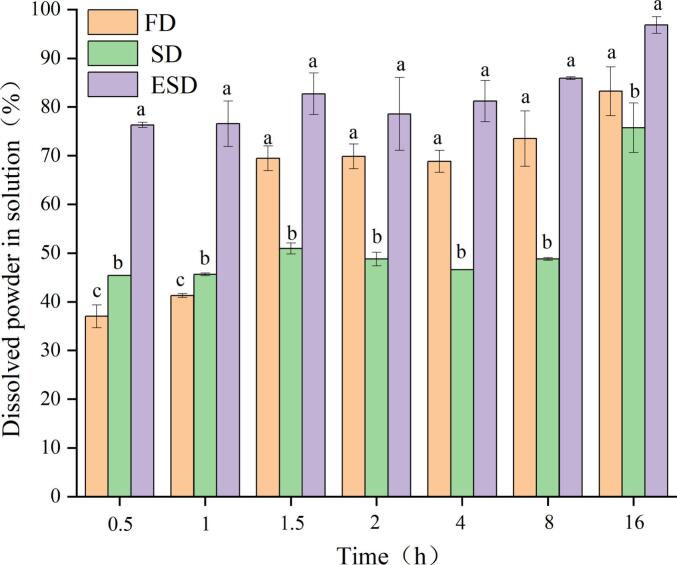 Figure 1
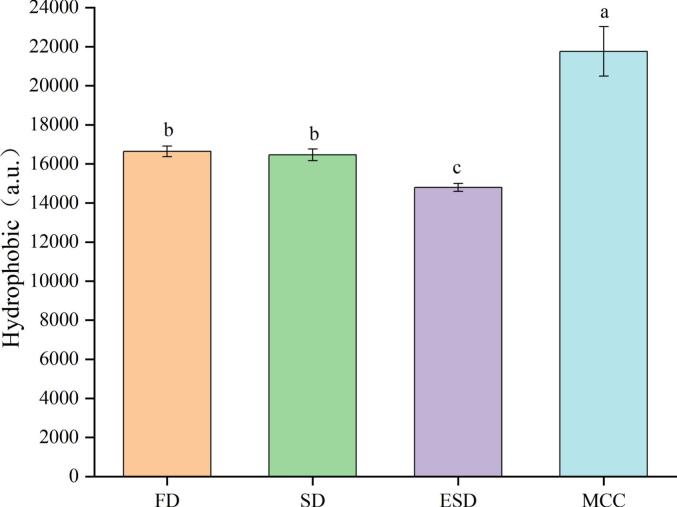 Figure 2
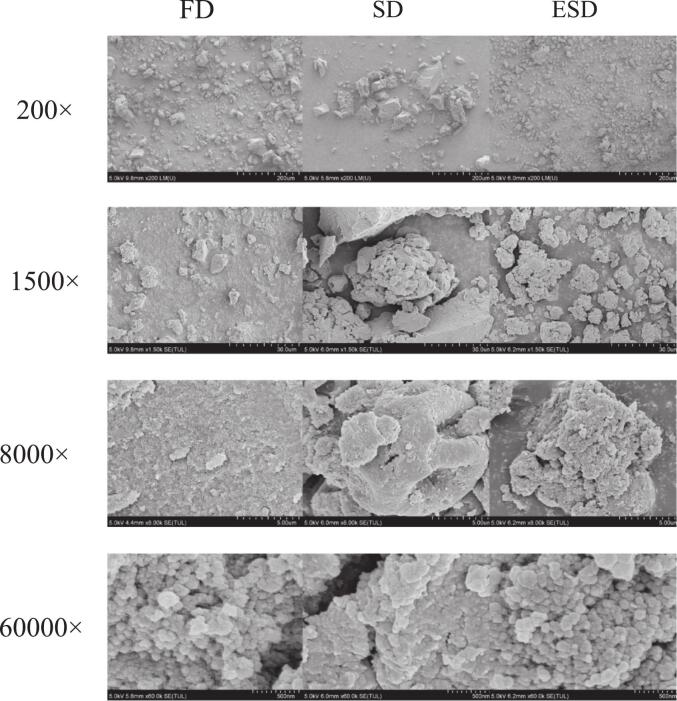 Figure 3
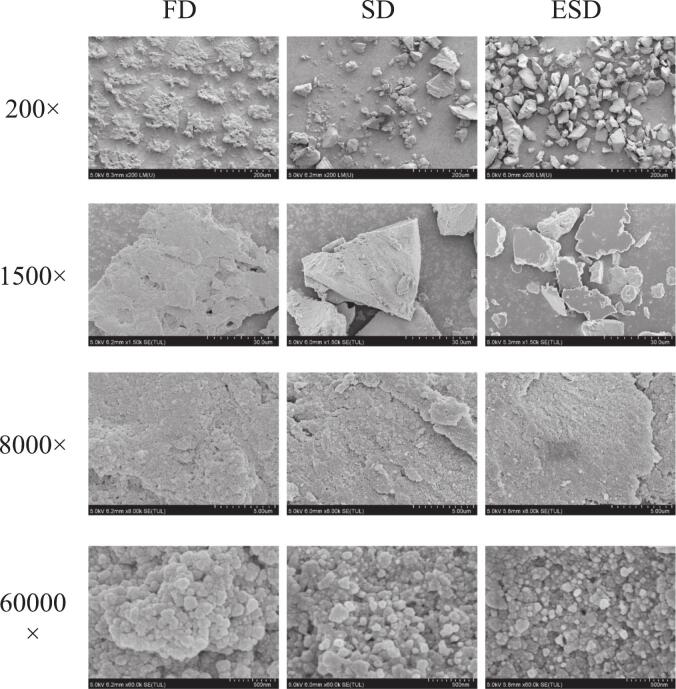 Figure 4
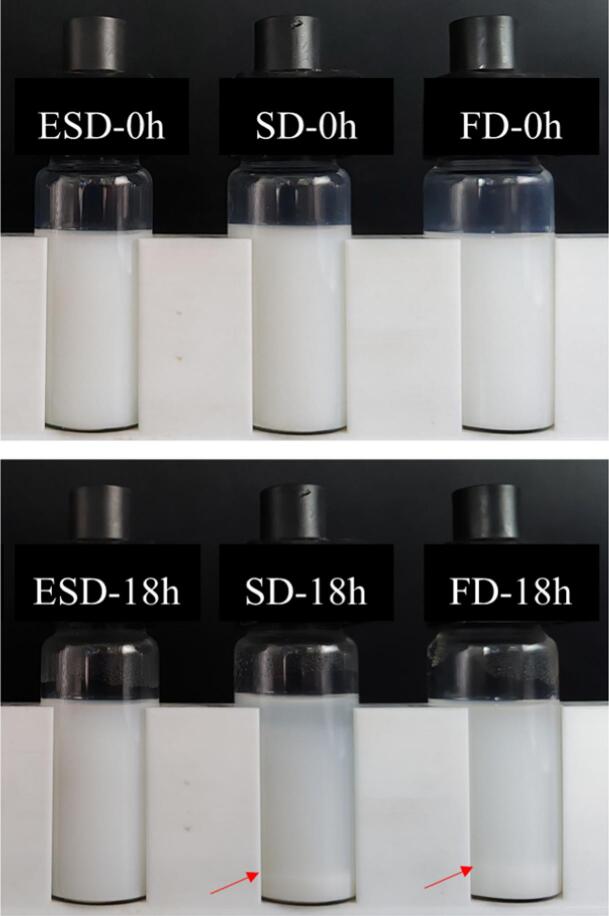 Figure 5
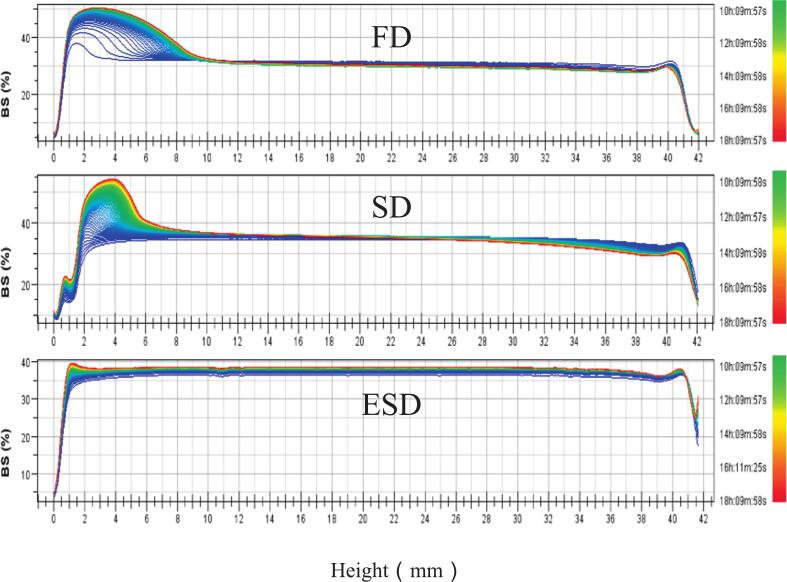 Figure 6
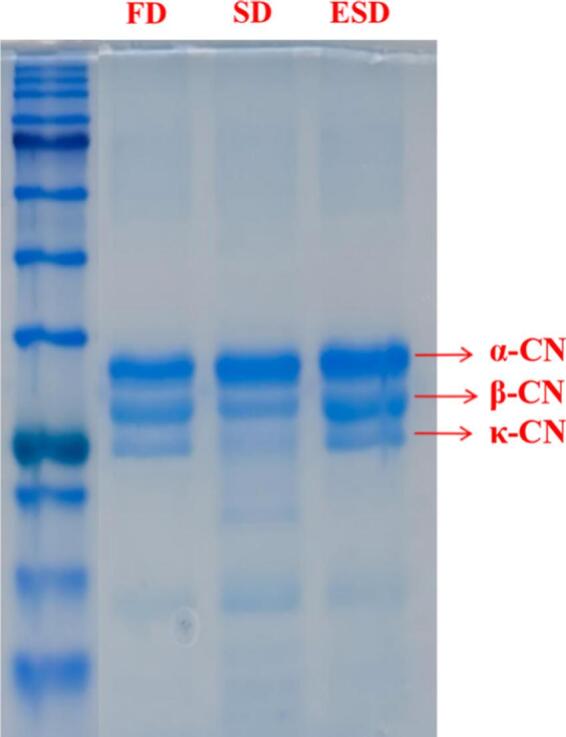 Figure 7
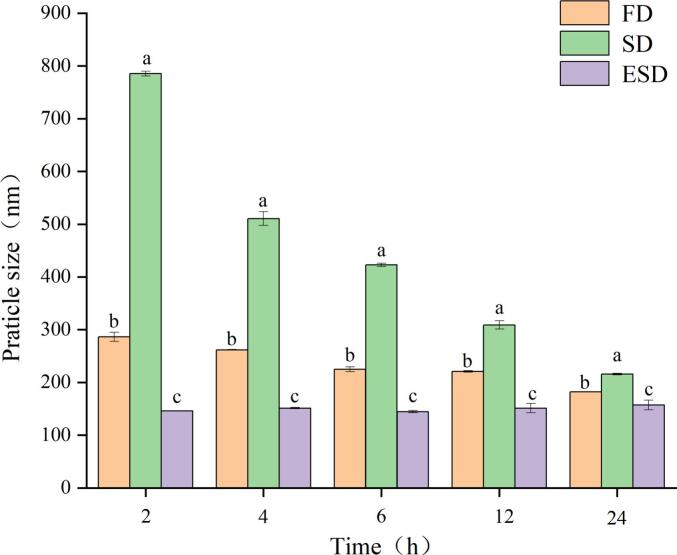 Figure 8
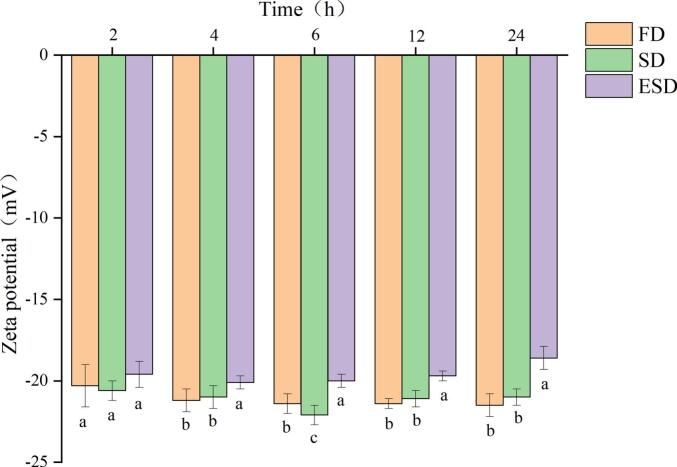 Figure 9
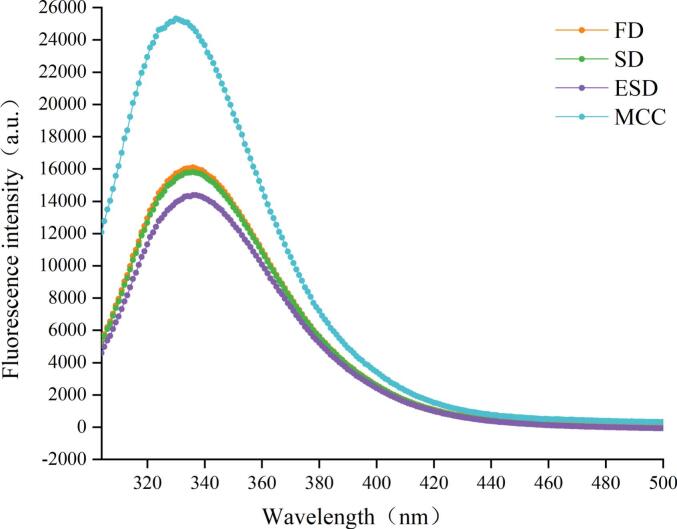 Figure 10
Peer Reviews
No public reviews on file for this paper yet. If you reviewed it on a platform where reviews are public (OpenReview, ICLR, NeurIPS, ICML), you can paste yours below so the community can read it here.
Videos
No videos yet. Explain this paper in a talk, walkthrough, or lecture? Add one.
Taxonomy
TopicsMicroencapsulation and Drying Processes · Food Drying and Modeling · Proteins in Food Systems
Introduction
1
Casein (CN), one of the main proteins of milk (Vadi & Rizvi, 2001), is widely used as a protein supplement and functional ingredient in the food industry and daily diet (Hammam et al., 2021). Micellar casein (MC) is the natural form of casein, of which structure arises from the aggregation of four distinct casein molecules—namely α_s1_-CN, α_s2_-CN, β-CN, and κ-CN. Their association into supramolecular complexes, known as micelles, is primarily mediated and stabilized by nanoclusters of colloidal calcium phosphate (CCP) (Hemar et al., 2020). In the food industry, MC is commonly used in powdered form because it is easy to store, resistant to spoilage, and cost-effective to transport. MC powder is typically produced from skim milk by membrane filtration followed by spray drying. Due to these advantages, MC powder serves a critical function in the food industry. However, the poor hydration properties of MC powder limit its applications. How to improve its solubility is a critical research focus.
The rehydration of MC powders depends on several factors, including powder composition, density, structure and temperature (Crowley et al., 2016; Felix Da Silva et al., 2018; Ni et al., 2021). Numerous strategies have been developed to enhance the rehydration performance of powders through modification in composition, adjustments to physical characteristics, or optimization of processing conditions (Wang et al., 2025). For instance, introducing carbon dioxide gas prior to spray drying improves the hydration properties of MC powders by dissolving calcium phosphate in skim milk, resulting in a more porous structure. Udabage et al. reported that high-pressure treatment at 200 MPa and 40 °C significantly altered the structure of MC by promoting calcium ion dissociation, increasing the solubility of MC powder from 66% to 85% (Udabage et al., 2012). However, introducing carbon dioxide gas in large-scale production presents technical complexity and safety concerns, while MC's instability and aggregation propensity can cause pressure-induced denaturation (Marella et al., 2015; Cadesky et al., 2017). Panthi. (Panthi, 2021) improved powder dispersion by raising the pH of the microfiltration fixative from 6.9 to 7.3 or 7.9, followed by adjusting it back to 6.9 before freeze-drying. Similarly, adding calcium chelators (e.g., trisodium citrate, sodium pyrophosphate, sodium phosphate) before membrane filtration significantly reduced the calcium content and enhanced solubility (Sun et al., 2017). However, these methods rely on chemical reagents, which conflict with the growing demand for clean-label and green food processing. Consequently, there is an urgent need for environmentally friendly technologies that improve the rehydration properties of MC powders without chemical additives (Tran et al., 2021).
Drying serves not only as a post-processing step in MC powder but also a critical factor influencing the solubility of the final product. Spray drying (SD) is widely regared as the predominant technique employed in the production of protein powders. Its basic principle involves atomizing concentrated dairy products into fine droplets, which are rapidly dried in a stream of hot air. The resulting powder formed has a large specific surface area, which improves solubility. However, SD produces smooth, spherical particles that are prone to aggregation and denaturation, ultimately reducing the solubility of MC (Meena et al., 2018). Freeze-drying (FD), another common method for preparing MC powder, involves freezing the material at low temperatures to form ice crystals. During sublimation, these ice crystals leave pores in the powder, increasing its specific surface and water contact, thereby improving solubility. FD also preserves the native conformation of the protein but is limited by long processing times and low throughput. Recently, freeze spray drying (FSD) has emerged as an alternative, combining the advantages of SD and FD. In FSD, the solution is sprayed into a cold medium to form fine ice crystals, which are then freeze-dried to produce porous particles with improved solubility. However, the complexity of the process and its low production efficiency currently limit its large-scale application.
Electrostatic spray drying (ESD) has recently emerged and has been applied to the food and pharmaceutical fields. ESD combines gas-liquid atomization with electrostatic charging to produce high-quality powders. In ESD, the liquid is pumped to through a nozzle into a high-voltage electric field (1–30 kV), where it forms uniformly distributed fine droplets. These droplets, which maintain the integrity of sensitive components, are dried by passing through a stream of hot air, form a powder (Jayaprakash et al., 2023). ESD operates at lower temperatures (< 90 °C), making it suitable for heat-sensitive products, and it offers lower energy consumption, reduced environmental impact, and improved sustainability compared with conventional drying methods (Beaupeux et al., 2024). Consequently, ESD is regarded as a highly promising approach for the sustainable production of high-quality powders. However, the rehydration properties of MC powder by ESD have not been extensively investigated.
This study aimed to examine how ESD influences the rehydration characteristics of MC powder. The protein composition, particle size, and structural characteristics of MC powders produced by ESD were also determined and compared with MC powder produced by SD and FD.
Materials and methods
2
Materials
2.1
MC powder was sourced from Mengniu Dairy (Group) Co., Ltd. (Hohhot, China). All other chemicals were analytical grade and commercially procured. Specifically, absolute ethanol was supplied by Tianjin Zhiyuan Chemical Reagent Co., Ltd. (Tianjin, China); β-mercaptoethanol was obtained from Macklin Biochemical Technology Co., Ltd. (Shanghai, China); Tris-HCl buffer was purchased from Shanghai Aladdin Biochemical Technology Co., Ltd. (Shanghai, China); and sodium dodecyl sulfate (SDS) was acquired from Beijing Lanbolide Commerce Co., Ltd. (Beijing, China).Additionally, glutaraldehyde and bovine serum albumin (BSA)were provided by Solarbio Science & Technology Co., Ltd. (Beijing, China), while anilino-naphthalene-8-sulfonic acid (ANS) was sourced from Sigma-Aldrich (Shanghai) Trading Co., Ltd. (Shanghai, China).
Sample preparation
2.2
For the experiment, casein concentrate was processed using three different drying methods to produce micellar casein powder in Mengniu Dairy (Group) Co., Ltd. The preparation procedures were as follows:
SD was conducted using a GEA Niro Mobile minor spray drier (Shanghai, China) with the feed concentration of 15%. The inlet and outlet air temperature were 190 °C and 100 °C, respectively.
FD was performed on a Christ Epsilon 2-10D lyophilizator (Jiangsu, China) at −50 °C for 72 h with the feed concentration was 15%.
ESD was carried out using an electrostatic spray dryer (ESP-5, Tianjin, China). The feed concentration was 20%. The feed temperature was 70 °C, and the inlet and outlet air temperature was 80 °C and 50 °C, respectively.
Rehydration of MC powder
2.3
Solubility and microstructure
2.3.1
MC powder samples were dispersed in 50 mL of deionized water to achieve a final concentration of 2% and continuously mixed under ambient temperature conditions with a magnetic sitter. Samples were stirred at different durations (0.5, 1, 1.5, 2, 4, 8, and 16 h) and centrifuged at 3000 ×g for 10 min at room temperature. The resulting pellets were dried to a constant weight to calculate the solubility as follows (Ji et al., 2015).
here, m0 is the initial mass of the powder dissolved in deionized water, md is the mass of the dried precipitate.
For morphological analysis, samples dissolved for 1 and 6 h were placed in centrifuge tubes, and immobilized using a 2.5% glutaraldehyde solution and subjected to a fixation period of 6 h. Following centrifugation at 3000 ×g for 10 min, the samples were washed with distilled water, eluted sequentially with 30%, 50%, 70%, 90%, and 100% ethanol, and placed in a desiccator until dry. The dried samples were observed by scanning electron microscopy (Ren et al., 2022).
Stability
2.3.2
The MC solutions, after being stored for different periods, were transferred into stability analyzer vials and analyzed using a stability analyzer. A near-infrared light source (λ = 880 nm) scanned vertically from the bottom to the top of each vial, while two synchronous optical detectors simultaneously measured the transmitted light passing through the sample and the backscattered light reflected by the sample. Each scan generated transmitted light (TS) and backscattered light (BS) curve. Successive scans generated curves over time, reflecting changes in the stability of the MC solution. The measurement conditions were as follows: scans were conducted at 25 °C for 18 h, with a scanning frequency of one scan every 10 min. Photographs of the freshly prepared MC solution and the solution after were taken for visual comparison (Wang et al., 2018).
Composition and structure of MC powder
2.4
Protein of MC powder
2.4.1
SDS-PAGE was carried out following the experimental procedure described by Zhou et.al (Zhou et al., 2014). First, MC powder samples were dissolved and mixed with loading buffer solution (pH 6.8, 5×, with DTT) at a 4:1 (v/v) ratio, boiled for 5–8 min, and cooled in an ice bath(Wang et al., 2024). A discontinuous gel system was assembled, consisting of a 12% resolving gel overlayed with a 6% stacking gel. Five microliters of sample and molecular weight marker were loaded per well. Electrophoresis was carried out under constant voltage, 80 V for 30 min during stacking, followed by 120 V for 1 h after the samples entered the separating gel. Following electrophoresis, the gel was subjected to staining using Coomassie Brilliant Blue R-250 solution for a duration of 30 min, followed by destaining in water to remove background dye. The relative proportion of each protein in the samples was quantified using image analysis software.
Moisture distribution
2.4.2
Low-field nuclear magnetic resonance (NMR) was used to rapidly, non-destructively, and accurately characterize the state and flow characteristics of water molecules in MC powder based on relaxation time separation, thereby directly reflecting water distribution and its dynamic changes within the samples. Approximately 1.0 g of each sample was transferred into an NMR glass tube with a diameter of 25 mm for subsequent analysis using the Carr-Purcell-Meiboom-Gill (CPMG) pulse sequence. The acquisition parameters were as follows echo time, 0.2 ms; RF delay 0.07 ms, and waiting time, 700 ms. Following the measurement, the CPMG data underwent inversion analysis via specialized software to ascertain the moisture distribution within each sample (Chen et al., 2017).
Calcium and phosphorus content
2.4.3
The calcium and phosphorous content in the MC powder was quantified using inductively coupled plasma optical emission spectrometry (ICP-OES). Following the method by Mizuno and Lucey (Mizuno & Lucey, 2005), 0.5 g of powder was completely dissolved in 50 mL of deionized water, slightly vortexed, and immediately centrifuged at 10,000 ×g in a standard centrifuge tube. The concentrations of calcium and phosphorus content in the filtrate were measured and considered to represent the serum-phase calcium and phosphorus content. The total content of calcium and phosphorus content in MC powder can be directly determined by ICP-OES.
Particle size and zeta potential
2.4.4
The particle size and zeta potential of the MC powder were characterized with a Malvern Zetasizer instrument (Nano-ZS3600, Malvern, UK) (Luo et al., 2019). Briefly, 1.0 g of the powder was dissolved in 50 mL of deionized water and stirred at 300 rpm at 25 °C using a magnetic stirrer. Samples with different durations (2, 4, 6, 12, 24 h) were diluted 100-fold with distilled water, transferred to a sample cell, and analyzed for particle size and zeta potential.
Fluorescence spectroscopy
2.4.5
Endogenous fluorescence spectra: Samples were diluted to a concentration of 0.2 mg/mL using buffer and subjected to intrinsic fluorescence spectroscopy analysis under temperature conditions. The excitation wavelength was set to 290 nm, while emission spectra were collected from 300 to 500 nm using a slit width of 5.0 nm and a scan rate of 600 nm/min.
Exogenous fluorescence spectra: Samples were diluted with buffer solution a series of concentrations at 0.01, 0.05, 0.1, 0.5 and 1 mg/mL. For each 1 mL diluted sample, 10 μL of the fluorescent reagent ANS (8.0 × 10^−3^ mol/L) was added before scanning. The excitation wavelength was 380 nm, and the emission spectra were acquired over the range of 390 to 650 nm with a slit width of 5.0 nm. The fluorescence intensity of ANS increases markedly when it binds in aqueous solutions; therefore ANS fluorescence can be used to characterize changes in the hydrophobicity of proteins. A plot of relative fluorescence intensity versus protein concentration was generated, and the initial slope of this curve was employed as indicator of hydrophobicity (Li et al., 2014).
Statistical analysis
2.5
All measurements were performed at least in triplicate, and the results were expressed as the mean ± standard deviation. An analysis of variance with Duncan's test was performed using SPSS 25. Statistical differences were considered significant as p < 0.05.
Results and discussion
3
Rehydration of MC powder
3.1
Solubility and microstructure
3.1.1
The solubility profiles of the MC powder are shown in Fig. 1. The ESD-produced MC powder had the highest dissolution rate, with more than 70% of the solids dissolving within 30 min, outperforming the dissolution rates of FD- and SD-produced powders. The FD-produced MC powder achieved 69.44% solubility after 90 min, and the SD-produced MC powders showed the lowest dissolution rate. The rapid dissolution of powders generated by static electricity may be due to the reduction in particle size during electrostatic discharge, forming smaller particles. This sharply increases the total surface area (i.e., specific surface area). Water molecules can ‘attack’ the surfaces of countless small particles simultaneously, greatly accelerating the wetting and contact speed. ESD is used for drying complex agglomerates (e.g., flaxseed oil and quercetin), which dissolve twice as fast when processed by ESD compared to freeze-drying (Comunian et al., 2024). Notably, after 16 h of dissolution, the ESD-produced MC powder reached 96% solubility, the highest among the three powders. These findings demonstrated that the drying method significantly influences MC powder solubility, with ESD showing the most favorable rehydration characteristics. This is consistent with previous findings where electrospray technology produced highly uniform cellulose nanocrystalline coatings (Ee et al., 2023).Fig. 1. Solubility of MC powders.Fig. 1
Microstructure during dissolution
3.1.2
Fig. 2, Fig. 3 present scanning electron microscopy (SEM) images of MC powder at 1 h and 6 h of dissolution, respectively. The morphological changes observed during dissolution provide insights into the solubility characteristics of MC powders produced by different drying methods (Felix Da Silva et al., 2018). After 1 h, the SD sample partially retained its original shape, suggesting slower water penetration and dissolubility kinetics (Ho et al., 2021). In contrast, the FD and ESD samples displayed greater surface roughness. The original morphology of the ESD-produced powder has disintegrated, with its outer layer eroded by water, leaving only a topographic profile. This breakdown indicates superior wettability and faster dissolution compared to SD and FD samples. After 6 h of stirring, the original morphologies of all samples were no longer distinguishable. Higher-magnification imaging revealed that the ESD sample formed smaller and more uniform micelle particles in solution. The findings support that the solubility of the ESD sample was great, which was consistent with the results of the solubility experiment.Fig. 2SEM image of MC powders after 1 h during dissolution.Fig. 2. Fig. 3SEM image of MC powders after 6 h during dissolution.Fig. 3
Stability
3.1.3
The great stability of MC powder after dissolution is crucial to its application in the food field (Yuan et al., 2022). Therefore, the solution stability of MC obtained by different treatments was determined after different dissolution times. Fig. 4, Fig. 5 show the stability of MC powder after 6 h of dissolution. Initially, all MC solutions appeared uniform and stable. However, after 18 h of storage at room temperature (25 °C), significant casein precipitation was observed in the FD and SD samples (Fig. 4). In contrast, the ESD-produced MC powder exhibited not only superior solubility but also excellent stability compared to the other MC powders.Fig. 4. Appearance of MC solutions.Fig. 4. Fig. 5Backscattered light curves of MC solutions over time.Fig. 5
To monitor the destabilization process, a stability analyzer was used to obtain the backscattering profiles. The concentration of the particles can be directly determined based on the intensity of the backscattered light,as both exhibit a proportional relationship (Yang et al., 2015). The x-axis of the curve represents the height of the sample bottle, the backscattering curves at the bottom of the samples over time can be observed in Fig. 5. The FD sample exhibits the fast change rate in backscattering, followed by the SD sample, whereas the ESD sample maintained a stable backscattering profile even after 18 h of storage. These results demonstrate that ESD constitutes an efficient method for producing MCpowder with enhanced solubility and superior stability.
Composition and structure of MC powder
3.2
Protein content
3.2.1
The ratio of casein monomers in micelles was determined by SDS-gel electrophoresis (Fig. 6). The κ-casein in micelles formed by ESD has the darkest color, while the κ-casein in micelles formed by SD has the lightest color. Therefore, it can be concluded the ESD-produced micelles contained the highest content of κ-casein, whereas the SD-produced micelles had the lowest content. κ-casein is the only hydrophilic casein monomer. And its content is inversely proportional to the micelle particle size and positively correlated with colloidal stability (Vinceković et al., 2014). Its hydrophilic nature enhances water interaction and dissolution. Therefore, the high proportion of κ-casein in ESD micelles likely contributed to their superior solubility and stability compared to SD and FD micelles.Fig. 6SDS-PAGE of MC powders prepared by different drying methods.Fig. 6
Moisture content
3.2.2
The solubility of powders is affected by various factors, among which moisture content plays a critical role (Ji et al., 2016). Excessively low moisture content can lead to electrostatic interactions between particles, reducing fluidity and impairing solubility (Chen et al., 2017). Conversely, when moisture is present at optimal levels, it primarily exists as surface-adsorbed water, which minimally affects fluidity and promotes wetting and dissolution. However, excessive moisture can form a water film around particles, increasing interparticle resistance, reducing fluidity, and ultimately decreasing solubility. The moisture of MC powders exists as bound water, immobile water, and free water, with their proportions summarized in Table 1. Compared with MC powders, MC typically contain a greater share of immobile water (87.17%, data not shown) and a reduced share of bound water, the former being weakly associated with proteins (Zhang, 2019). Furthermore, ESD powder exhibited the highest proportion of bound water and the lowest proportion of free water, indicating that the protein conformation was well preserved with the uniform surface hydration layer after drying (Haque et al., 2010). This facilitated the water penetration, thereby promoting solubility, which was confirmed by the SEM observation (Fig. 2, Fig. 3).Table 1. Moisture distribution of different MC powders.Table 1. GroupBound water (%)Immobile water (%)Free water (%)FD86.63 ± 0.78^b^12.67 ± 0.5^a^0.70 ± 0.28^a^SD88.31 ± 0.53^b^8.68 ± 1.52^b^3.01 ± 2.05^a^ESD92.46 ± 0.07^a^6.19 ± 0.01^c^1.36 ± 0.08^a^
Calcium and phosphorus content
3.2.3
Colloidal calcium phosphate acts as a bridge linking casein monomers and stabilizing nanoclusters. The calcium and phosphorus content of different MC powders and MC are shown in Table 2. The calcium content in all MC powders was higher than the phosphorus content, resulting in a calcium-to‑phosphorus ratio greater than that of natural casein micellar (approximately 1.65) (Ahmadi et al., 2024).Colloidal Ca^2+^ and PO_4_^3−^ are commonly used as indicators for evaluating the integrity of casein micelles (Møller et al., 2024). In this study, the calcium-to‑phosphorus ratios of the FD-, SD-, and ESD-produced MC powders that their micelle structure were altered compared to MC. This structural change may be attributed to the drying process following membrane filtration, which is known to better preserve the integrity of micelles compared to other methods (Yang et al., 2025).Table 2. Calcium and phosphorus content in different MC powders.Table 2. GroupCa (g/kg)P (g/kg)Ca/PFD29.53 ± 0.55^b^16.23 ± 0.05^a^1.82SD33.66 ± 0.20^a^16.67 ± 0.00^a^2.02ESD34.12 ± 0.05^a^16.47 ± 0.20^a^2.07
Even though studies have shown that reducing calcium content in casein-based milk concentrates improves the solubility of the resulting powder, the ESD-produced powder in this study exhibited superior solubility despite its relatively high calcium content. This finding suggests that calcium ions were not the primary factor affecting solubility of MC powder of three drying methods in this study. Instead, the superior solubility and stability of the ESD powder are likely due to the ESD process, thereby more effectively retaining the structural integrity and functional characteristics of the casein micelles.
Particle size & zeta potential
3.2.4
The observed changes in particle size of casein micellar powder during dissolution, as depicted in Fig. 7, reveal significant insights into the dissolution behavior of different samples. After 2 h, all MC powders showed a reduction in particle size to the nanometer level. Notably, the ESD-produced reached the size of native casein micelles within this timeframe, and its particle size remained stable thereafter, indicating complete dissolution after 2 h. In contrast, the particle sizes of the SD- and FD-produced MC powder continued to decrease gradually, with the order of particle size being SD > FD.Fig. 7. Particle size changes of MC powder during dissolution.Fig. 7
Interestingly, this particle size reduction does not align with the solubility results. Solubility, determined via centrifugal separation based on the Stokes sedimentation formula, is influenced by particle size and micelle density (Zheng et al., 2024). The sedimentation rate is proportional to the square of the particle radius and the density difference between the particle and the solvent. Although FD micelles had smaller particle sizes than SD micelles, their higher bulk density, supported by 10.13039/100014281SEM observations during dissolution, likely reduced their solubility compared with SD powder. Additionally, the superior solubility and stability of the ESD-produced powder may be attributed to its smaller particle size, which reduces the sedimentation rate of casein micelles. This smaller size likely enhances micelle dispersion and stability in solution, contributing to consistent solubility over time (Ye & Harte, 2013).
In summary, the dissolution behavior and solubility of the casein micellar powders are determined by the combination effects of particle size and density. The ESD powder exhibited optimal dissolution and stability due to its nanoscale particle size, whereas the SD and FD powders showed different solubility behaviors due to the interplay between particle size and density. The findings highlight the importance of both parameters in determining the functional properties of casein micellar powders.
The temporal changes in zeta potential during dissolution are shown in Fig. 8. The zeta potential of MC powders remained unchanged throughout dissolution. Zeta potential serves as a key indicator of emulsion stability by reflecting the surface charge of micelles. Particles with higher absolute zeta potential values (typically >30 mV) exhibit stronger electrostatic repulsion, while those with intermediate values (20–30 mV) are in a metastable state (Shanmugam et al., 2012). The absolute potential values of different micellar powders were similar and close to that of MC, suggesting that electrostatic repulsion played a negligible role in their dissolution behavior.Fig. 8. Potential change of MC powder during dissolution.Fig. 8
Tertiary structure after dissolution of casein micelles
3.2.5
The intrinsic fluorescence spectra of the MC powders are presented in Fig. 9. Compared with MC, all MC powders exhibited a significant reduction in intrinsic fluorescence intensity, suggesting an alteration in their hydrophobic domains (Kruif et al., 2012). Theoretically, a lower calcium‑phosphorus ratio should increase micelle dissociation, exposing hydrophobic groups and increasing fluorescence intensity. However, the results indicate that the micellar powders had tighter internal binding after dissolution, which reduced exposure to hydrophobic amino acids. This phenomenon is likely attributed to dehydration and structural contraction of the casein micelle structure during the drying process, which aligns with the observed moisture distribution. Among the drying methods, ESD powder exhibited the lowest fluorescence intensity, likely due to its relatively higher calcium‑phosphorus ratio (Kommineni et al., 2022). The increased binding of calcium ions in ESD results in a more compact structure, minimizing the exposure of hydrophobic groups and facilitating faster dissolution (Rabiee et al., 2015). The FD, SD, and ESD samples had lower hydrophobicity than MC, indicating that most hydrophobic groups were less exposed, consistent with the findings in Fig. 10. Notably, the ESD powder displayed the lowest hydrophobicity, correlating with its superior hydration performance and solubility.Fig. 9. Fluorescence spectrum of MC powder.Fig. 9. Fig. 10Hydrophobicity of MC powder.Fig. 10
Collectively, these results indicate that the drying process exerts a substantial influence on both the structural arrangement and functional performance of MC powders. The composition and structural characteristics—including protein monomer ratios (especially κ-CN content), water distribution, particle size, and hydrophobicity—collectively determine the solubility performance of micellar casein powders, with ESD producing the most favorable functional properties.
Conclusion
4
This study examined the impact of ESD technology on the rehydration of MC powder, with comparative analysis against powders prepared by SD and FD. The results revealed that MC powder produced by ESD exhibited superior solubility than that by FD and SD, showing easier water erosion, faster dissolution and more final dissolution amount. After hydration, the MC solution prepared form ESD powder exhibited higher stability without sediment. The κ-casein content, moisture distribution, and hydrophobicity of ESD powder played a key role in improving the rehydration properties of MC powder. Therefore, ESD is a promising drying technology capable of modifying the composition and structure of casein micelle and enhancing their functional properties. Future research will focus on regulating micelle structure to govern the rehydration efficiency of MC powders.
CRediT authorship contribution statement
Kerong Wang: Writing – original draft, Methodology, Investigation, Data curation, Conceptualization. Yun Chen: Writing – original draft, Methodology, Investigation, Data curation. Qianyu Le: Methodology, Investigation. Shengbo Yu: Investigation, Data curation. Xuhui Fan: Methodology, Data curation. Yang Song: Methodology, Data curation. Shuang Wang: Methodology, Data curation. Weibo Zhang: Investigation, Data curation. Pengjie Wang: Methodology, Investigation. Fang Wang: Methodology, Investigation. Chong Chen: Writing – review & editing, Validation, Resources, Project administration, Conceptualization. Zhishen Mu: Writing – review & editing, Resources, Project administration, Funding acquisition, Conceptualization.
Declaration of competing interest
The authors declare that they have no known competing financial interests or personal relationships that could have appeared to influence the work reported in this paper.
The reference list from the paper itself. Each links out to its DOI / PubMed record.
- 1Ahmadi E.Markoska T.Huppertz T.Vasiljevic T.Structural properties of casein micelles with adjusted micellar calcium phosphate content Foods 132202432210.3390/foods 1302032238275688 PMC 10815582 · doi ↗ · pubmed ↗
- 2Beaupeux E.Jayaprakash P.Dokmak A.Edorh J.-M.Gaiani C.Desobry S.Maudhuit A.Electrostatic spray drying: Advantages for thermosensitive actives Chemical Engineering Research and Design 203202468869610.1016/j.cherd.2024.02.016 · doi ↗
- 3Cadesky L.Walkling-Ribeiro M.Kriner K.T.Karwe M.V.Moraru C.I.Structural changes induced by high-pressure processing in micellar casein and milk protein concentrates Journal of Dairy Science 100920177055707010.3168/jds.2016-1207228647329 · doi ↗ · pubmed ↗
- 4Chen L.Tian Y.Tong Q.Zhang Z.Jin Z.Effect of pullulan on the water distribution, microstructure and textural properties of rice starch gels during cold storage Food Chemistry 214201770270910.1016/j.foodchem.2016.07.12227507528 · doi ↗ · pubmed ↗
- 5Comunian T.A.Gómez-Mascaraque L.G.Maudhuit A.Roelens G.Poncelet D.Drusch S.Brodkorb A.Electrostatic spray drying: A new alternative for drying of complex coacervates Food Research International 183202411418910.1016/j.foodres.2024.11418938760128 · doi ↗ · pubmed ↗
- 6Crowley S.V.Kelly A.L.Schuck P.Jeantet R.O’Mahony J.A.Rehydration and solubility characteristics of high-protein dairy powders Mc Sweeney P.L.H.O’Mahony J.A.Advanced dairy chemistry 2016 Springer New York 9913110.1007/978-1-4939-2800-2_4 · doi ↗
- 7De Kruif C.G.Huppertz T.Urban V.S.Petukhov A.V.Casein micelles and their internal structure Advances in Colloid and Interface Science 171–1722012365210.1016/j.cis.2012.01.00222381008 · doi ↗ · pubmed ↗
- 8Ee L.Y.Tan R.P.W.Tan X.Y.Li S.F.Y.Electrospray drying-mediated coating of cellulose nanocrystal Carbohydrate Polymer Technologies and Applications 6202310034510.1016/j.carpta.2023.100345 · doi ↗