Mechanisms and Contingencies of Stress in University Students: A Systematic Scoping Review of Stress Mediators and Moderators
Francisco Javier Mariscal-Garcia, Samuel García-Arellano, Ilce Valeria Román-Fernández, José Esael Pineda-Sánchez, Pedro Juárez-Rodríguez

TL;DR
This paper reviews how stress develops in university students, focusing on factors that mediate or moderate the stress process.
Contribution
The study systematically identifies eight key perspectives influencing stress in university students through conditional process analyses.
Findings
Most studies focused on mediation rather than moderation in stress processes.
Personal resources and beliefs strongly influence perceived stress.
Few studies included physiological or multimodal stress measurements.
Abstract
The aim of this study was to examine the contingencies involved in the stress process in university students by identifying evidence obtained through conditional process analyses. A systematic scoping review of mixed study designs was carried out following the methodological framework of Arksey and O’Malley and PRISMA-ScR guidelines. PubMed, Web of Science, Scopus, Redalyc, and Wdg. Búsqueda were searched for original studies published in full through August 2025 that reported conditional process analysis with stress as the outcome. After screening 1033 records, a total of 30 articles met the inclusion criteria. The main perspectives used in the included studies involved individuals’ beliefs about themselves and their future, highlighting the importance of personal resources and their relationship to perceived stress. The studies show a clear predominance of mediation analysis (25/30)…
Genes, proteins, chemicals, diseases, species, mutations and cell lines named across the full text — each resolved to its canonical identifier and authoritative record.
Click any figure to enlarge with its caption.
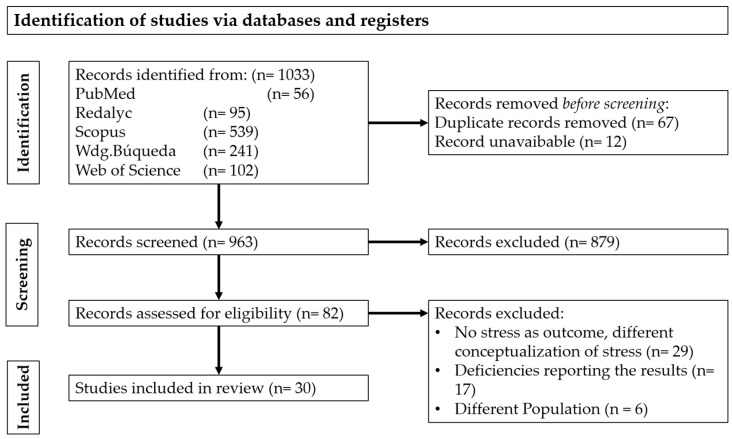 Figure 1
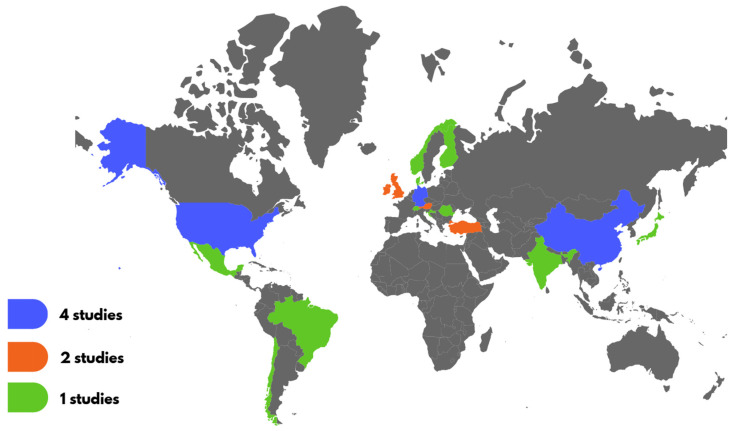 Figure 2
- —University Center for Health Science of the Universidad de Guadalajara with the Support Program for Payment of Publication of Scientific Articles 2026
Peer Reviews
No public reviews on file for this paper yet. If you reviewed it on a platform where reviews are public (OpenReview, ICLR, NeurIPS, ICML), you can paste yours below so the community can read it here.
Videos
No videos yet. Explain this paper in a talk, walkthrough, or lecture? Add one.
Taxonomy
TopicsHealthcare professionals’ stress and burnout · Stress and Burnout Research · COVID-19 and Mental Health
1. Introduction
Stress is a natural process inherent in being alive. It can occur when environmental stimuli are perceived to be beyond one’s own capabilities, resources, or abilities; such demands are seen as a threat or demand (Lazarus, 1966; Lazarus & Folkman, 1984). Stress sets in motion a series of physiological and psychological processes to cope with the stressor (Lazarus & Cohen, 1977).
The most widely accepted theories of stress consider individual resources to be an important aspect of the stress response to a specific stimulus. These resources correspond to the individual’s personality traits, abilities, skills, capacities, previous experiences, and current state of the organism (Folkman et al., 1986). However, much less attention is paid to those factors that appear to condition individual responses to the same stressor and that act as mechanisms and/or contingencies in the relationship between stressors and the psychophysiological responses they can trigger. Moreover, some assumptions of these theories are often accepted without testing (Finseth et al., 2024), and when tested, the results are mainly based on self-reports, and only to a lesser extent on physiological outcomes or multimodal approaches (Darwish et al., 2025; Shanbhog & Medikonda, 2023).
Lazarus and Folkman’s transactional theory is widely used in various contexts because of its cognitive focus on the relationship between the person and the environment in the context of the stress response (de Cordova et al., 2024; Desrichard et al., 2018; Lazarus & Folkman, 1984; Spătaru et al., 2024). This theory defines stress as an imbalance in the perception of environmental demands and the person’s resources available to respond to those demands (Lazarus & Folkman, 1984). Within this conceptual framework, there are three moments in which an individual evaluates (1) the environmental stimulus (as a threat, harm/loss, or challenge), (2) what can be done to cope with that demand, and (3) whether those actions are efficient. In the latter case, evaluations and actions are repeated until a satisfactory outcome is reached (Lazarus, 1966).
1.1. Stress in University Students
The university context is particularly relevant for understanding stress, as it simultaneously concentrates multiple demands that characterize stress processes. There is evaluative pressure inherent in the teaching–learning process; high cognitive demands; increasing autonomy and responsibilities; and exposure to personal, social, and financial stressors (Ding et al., 2025; Nelson, 2021). Moreover, the nature of stressors present in the academic setting is predominantly chronic, which facilitates the analysis of stress processes, coping strategies, and their cumulative effects on well-being.
University life often coincides with a transitional period in the life cycle, known as emerging adulthood (Arnett, 2000; Nelson, 2021), characterized by change and instability. These changes can originate in different areas: biological, social, psychological, identity, and relational (Arnett, 2000). Notably, Solmi et al. (2022) highlighted that biological changes are related to the first onset of several mental disorders before age 25 in half the general population, making this life stage crucial for the health trajectory of individuals.
In the university context, academic stress has been conceptualized as a multidimensional construct that influences students’ mental health (Chacón et al., 2025). It is attributed to the intensification of educational competition, the social and academic expectations associated with higher education, excessive workload, inadequate time management skills, and fear of failure, among others (Ding et al., 2025; Iqra, 2024). In this regard, universities have implemented programmes and services to offer psychological help, focusing on alleviating students’ distress and emotional problems. Nevertheless, the demands and activities inherent to the higher education context tend to draw both time and energy from the students, reducing their likelihood of attending such services (Rodríguez-Saéz et al., 2025).
Furthermore, students are continuously exposed to stressors outside the academic sphere, the most notable of which, according to the scientific literature, are health issues, financial pressure, and interpersonal relationship problems (Wang et al., 2023). Stress is a primary risk factor for several neuropsychiatric disorders (Sanacora et al., 2022), mainly due to the chronic activation of the Hypothalamic–Pituitary–Adrenal axis and its effects on structural and functional changes in the brain, which are thought to contribute to the development, treatment resistance, and chronicity of such disorders (Dutton et al., 2022). However, the complex bilateral relationship between the biological and psychological spheres warrants further research (O’Connor et al., 2021; Ortega et al., 2024).
The complex interplay between variables can be elucidated through conditional process analysis, which examines the environmental factors that are inherent to the antecedent–outcome relationship and modify the outcome (Hayes & Rockwood, 2020; Hayes, 2022). These analyses can help explain why individuals exhibit a wide variety of responses (i.e., psychological, physiological, or behavioral) to the same stimuli and conditions.
1.2. Conditional Process Analysis
This type of analysis provides an inferential framework that goes beyond regression analysis, allowing scientists to answer questions such as through what process does an independent variable (antecedent) affect a dependent variable (outcome), and under what conditions is that process strengthened, weakened, or disappears? When properly conducted, it can uncover complex processes and serve as a starting point for causal inferences (Hayes & Rockwood, 2020). Reviewing the contingencies and mechanisms involved in the stress process, which alter and diversify the response to stress, can provide relevant information for a deeper understanding of the phenomenon of stress in university students.
Mediation arises when the effect of an independent variable (X) on an outcome variable (Y) is transmitted through an intervening variable, known as the mediator (M) or mechanism. In this framework, X influences M, which in turn influences Y, creating an indirect pathway in addition to any direct effect X may have on Y (Igartua & Hayes, 2021). Mediation can be classified according to the number and arrangement of mediators involved. Simple mediation involves a single mediator, while more complex models may feature multiple mediators. When two or more mediators operate independently, this is referred to as parallel mediation. Alternatively, in chain or sequential mediation, one mediator influences another, forming a series of linked mediators through which the effect of X on Y passes (Hayes, 2022).
Moderation refers to the interaction between two variables, where their combined effect influences the outcome variable (Y) without one variable directly affecting the other. In this context, the moderator (W) or contingency is not caused by the independent variable (X) and does not have a direct impact on Y. However, the presence of W can alter the relationship between X and Y, illustrating how moderators play a pivotal role in shaping the nature and strength of the relationship between variables (Hayes, 2022).
Complex models often incorporate both mediating and moderating variables. The interplay between these elements is referred to as a conditional process (Igartua & Hayes, 2021). Conditional process analyses, introduced by Hayes, represent a broad methodological category that encompasses the interactions between moderation and mediation. Since their introduction, these analyses have gained wide acceptance and use within the scientific community (Hayes, 2022). In this sense, structural equation modeling (SEM) and the PROCESS macro are two major tools for conducting contingency analysis. Both are based on regression analysis, but they differ in how they accept or reject models, leading to varying robustness and sample size needs (see Hayes et al., 2017, for details).
In terms of addressing heterogeneity in study designs, stress measures, and the conceptualization of stress in the scientific literature, the scoping review methodology is ideal, as it provides an overview of the existing literature, incorporating multiple levels of evidence that enrich knowledge, contributing to the identifying study designs, quality, and outcome measures; prioritizing areas of research; and preventing redundant studies (Khalil et al., 2025). For this reason, we undertook a scoping review to provide a broader interpretation of the mechanisms affecting the stress response, its indirect effects, and the interactions identified through conditional process analysis.
Therefore, the main aims of this review were (a) to identify the evidence obtained through conditional process analyses reported in the literature; (b) to characterize and classify the evidence according to the nature of the variables studied, stress measurements, and the type of conditional process analysis; (c) to examine the contingencies and mechanisms involved in the stress process in university students; (d) to outline future directions for research and the development of interventions aimed at reducing stress in university students.
2. Materials and Methods
Following Arksey and O’Malley’s (2005) methodological framework, this scoping review was carried out in five stages: (1) formulating the research question; (2) identifying relevant studies; (3) selecting studies; (4) charting the data; and (5) collating, summarizing, and reporting the findings. To ensure transparency and rigor, this review adhered to the Preferred Reporting Items for Systematic Reviews and Meta-Analyses extension for Scoping Reviews (PRISMA-ScR) guidelines (Tricco et al., 2018). No protocol was pre-registered, and since no original data were collected from human participants, ethical approval was not required. The final review was completed on 30 August 2025.
2.1. Research Question
What variables play an intervening role in the stress response in university students?
2.2. Search Strategy
To ensure a comprehensive and up-to-date synthesis, we conducted a literature search in the following databases: Web of Science, PubMed, Scopus, Redalyc, and Wdg. Búsqueda (a search engine and database developed by the Universidad de Guadalajara), focusing on peer-reviewed manuscripts published in English and Spanish.
Based on pilot searches, we identified keywords in the scientific literature using Boolean operators, and we determined the following search terms to retrieve relevant literature broadly focusing on stress mediators and moderators in university students: “stress”, “stress response”, “mediation analysis”, “moderation analysis”, and “students”. For example, the following search string was used in PubMed: (((“stress response” [Title/Abstract]) OR (‘stress’ [Title/Abstract])) AND (“mediation analysis” [Title/Abstract])) OR (“moderation analysis” [Title/Abstract]) AND (“students” [Title/Abstract]).
2.3. Eligibility
Studies were included that met the following inclusion criteria: (a) original research articles; (b) studies conducted with university students; (c) quantitative, non-experimental and quasi-experimental designs in which at least one conditional process analysis is performed; (d) studies investigating stress outcomes (perceived stress and physiological reactivity to stress); and (e) studies that performed at least one type of conditional process analysis (i.e., mediation, moderation, moderated mediation) based on the Causal Steps, PROCESS, and SEM procedures, in which the outcome variable was the perception of stress or the physiological response to stress. Studies that did not meet at least one of these criteria were excluded. The search was not restricted to any specific time period.
2.4. Study Selection
Duplicated records were identified and removed manually by the first author. Retrieved articles were screened by all the authors based on their titles and abstracts. The articles whose eligibility was unclear passed through a full-text review. The selected studies were assessed for eligibility using predefined inclusion and exclusion criteria, as well as for quality using the checklists specifically designed for survey-based research by the Center for Evidence-Based Management (CEBM, 2020) and the Quality Assessment for Survey Studies in Psychology (Protogerou & Hagger, 2020). The screening was conducted by the first and fifth authors according to the predetermined criteria for eligibility, using a double-blind approach to minimize any risk of bias, with discrepancies discussed until consensus was reached. In addition, these quality assessments were included as a descriptive measure of the studies.
To increase clarity, we explicitly distinguished between conditional process analysis performed with PROCESS and other procedures (based on SEM and on the Baron–Kenny procedure). By incorporating articles with analyses based on PROCESS, SEM, and the causal steps approach, we provide a broad and comprehensive perspective on the subject, placing the findings within the broader body of research. However, studies that measure stress as part of psychological distress—where stress is combined with measures of anxiety and depression—or that did not specifically treat stress as the primary outcome variable were excluded from the analysis.
3. Results
The initial database search using the predetermined terms yielded a total of 1033 records from databases. After manually removing the duplicates and the unavailable records, the number of records was reduced to 956. A total of 879 records were excluded after a thorough screening based on their titles and abstracts. This process resulted in a total of 82 articles, which were independently assessed for eligibility by two authors. Finally, 30 articles were selected and subjected to analysis for final data extraction. No articles prior to 2014 were included after the screening process as a result of the criteria used. Figure 1 outlines a detailed description of this process.
The selected articles were mainly from China, Germany, and the USA (four studies each); Austria, the UK, Ireland, and Türkiye (two studies); and Austria, Brazil, Chile, Croatia, Denmark, England, Finland, India, Japan, Mexico, Norway, Romania, and Switzerland (one study). Notably, only three articles came from South America (Brazil, Chile, and Mexico), and none were from Africa or Oceania (see Figure 2).
Twenty-five of the selected articles were focused on mediation analyses, three on conditional process analyses, and two on moderation. Three studies considered physiological measures of stress reactivity, and only one included both a physiological and a self-reported measure. The quality of evidence was assessed using the CEBM checklist for critical appraisal of the quasi-experimental design studies (CEBM, 2020) and the Quality Assessment for Survey Studies in Psychology (Q-SSP) Checklist for the non-experimental design studies (Protogerou & Hagger, 2020) (see Supplementary Materials). Studies meeting half of the criteria were considered to be of satisfactory quality using the CEBM, and those meeting 70% of the criteria were considered to be of acceptable quality using the Q-SSP. Overall, 70% (21/30) of the included studies met the criteria to be considered of acceptable or satisfactory quality: 6/13 cross-sectional studies, 2/3 longitudinal studies, and 13/14 quasi-experimental studies (Table 1).
3.1. Cross-Sectional Studies
Cross-sectional studies can be classified into two types according to their general approach: (1) negative conditions, whose presence worsens the stress response; and (2) cognitive processes, focused on the interaction between different variables and stress. These studies assess three types of variables as conditional: coping and individual conditions, symptoms, and characteristics.
Coping and conditions: These studies included coping styles (Straud & McNaughton-Cassill, 2018) and strategies (Camilleri et al., 2022), as well as individual variables that may change even in similar situations, such as sleep quality (Garg et al., 2023), sense of control (Precht et al., 2023), self-control and resilience (Tafoya et al., 2023), and work-privacy conflicts (Efimov et al., 2024). Among these studies, only one focused on moderation (Efimov et al., 2024); notably, this study is the only one that did not find evidence supporting their hypothesis on conditional effects.
Straud and McNaughton-Cassill (2018) found an indirect effect of self-blame on stress through proactive coping, which acts as a buffer to the direct effect of self-blame on stress. In turn, Garg et al. (2023) explored a mediating effect of sleep quality on the relationship between Internet Gaming Disorder (IGD) and stress, attenuating the detrimental effects of IGD.
Tafoya et al. (2023) found a sequential buffering effect of self-control and resilience on the relationship between sleep and stress. That is, low sleep quality and duration increase stress perception, and this effect is mitigated sequentially by self-control and resilience.
During the COVID-19 pandemic, Precht et al. (2023) found that the beneficial effect of physical activity on stress was mediated by the sense of control. Another study related to the pandemic was conducted by Efimov et al. (2024), who found no significant interaction between the perceived impact of the pandemic on studies and work–life conflicts. Finally, Camilleri et al. (2022) analyzed the impact of the pandemic (measured through avoidance, hyperarousal, and intrusion) on students’ perceived stress, finding that both avoidance and hyperarousal favor dysfunctional coping, resulting in higher stress levels.
Symptoms: These studies focused on symptoms of disorders and other negative variables that worsen the stress response, such as insomnia symptoms (Bradford et al., 2021), dysfunctional attitudes (Odaci & Çikrikçi, 2022), and depersonalization (O’Rourke & Egan, 2023). The three studies that addressed this found statistically significant indirect effects.
Bradford et al. (2021) results suggest that individuals with an eveningness chronotype tend to have more insomnia symptoms, which increases stress. Moreover, O’Rourke and Egan (2023) examined the relationship between emotional dysregulation and stress through the role of depersonalization and insecure attachment (avoidance and anxiety), showing an exacerbating effect of attachment avoidance and attachment anxiety on depersonalization, which, in turn, increased stress. On the other hand, Odaci and Çikrikçi (2022) showed that problematic internet use increases stress indirectly through dysfunctional attitudes.
Individual characteristics: These studies assessed personality traits and other variables that hardly change over time, such as mindfulness traits (Lu et al., 2018), resilience (Yalcin-Siedentopf et al., 2021; Deng et al., 2023), and self-concept clarity (Ren et al., 2025). It is worth mentioning that this category wields the most complex models in these types of studies: parallel mediation (Lu et al., 2018) and conditional process analysis (Ren et al., 2025; Yalcin-Siedentopf et al., 2021).
Regarding resilience, Yalcin-Siedentopf et al. (2021) examined how perceived social support influences perceived stress through resilience and found sex-differentiated reducing effects of resilience on perceived stress. They therefore ran a second-stage conditional model with sex as a moderator of the resilience–stress relationship, highlighting a stronger effect of resilience on reducing perceived stress in women than in men. Furthermore, Deng et al. (2023) found that resilience mediates the caring ability–stress relationship.
Concerning parallel mediation, Lu et al. (2018) proposed that mindfulness traits interact with each other to reduce perceived stress and tested two models in which two different traits (acting with awareness and observing) affect perceived stress directly and indirectly through non-judgment and non-reactivity. This means that acting with awareness decreases perceived stress by increasing non-judgment, while observing has a similar effect by increasing non-reactivity.
Finally, Ren et al. (2025) tested a first-stage conditional model in which value conflicts strongly affect self-concept clarity in those with an independent self-construal, which, in turn, affects stress perception.
3.2. Longitudinal Studies
Among the observational studies with a longitudinal design, only two were conducted; Stevenson and Akram (2022) found that self-hatred and inadequacy mediated the relationship between baseline perfectionism and perceived stress at follow-up 15 weeks later in UK university students, providing a novel target for student-based interventions.
On the other hand, Petak and Maričić (2025) found that rumination and worry sequentially mediated the relationship between sleep quality and stress at the follow-up ~14 weeks later. Furthermore, their results provide support for a bidirectional relationship between sleep quality and stress.
Furthermore, Schönfeld et al. (2018) recorded data from students over three successive years, finding that daily stressors influence stress after two years through general self-efficacy.
It is worth mentioning that, according to Hayes (2022), longitudinal studies give greater robustness to conditional process analyses than cross-sectional studies, given that repeated measurements allow for observing variations over time in both the outcome, the antecedent, and the intervening variables, as well as to establish a causal order in their relationship based on their sequential changes.
3.3. Quasi-Experimental Studies
Experimental manipulation of the antecedent variable or environmental conditions allows even more robust conclusions to be drawn (Hayes, 2022), making this type of evidence of even greater value in the study of variables involved in the stress process in university students. Broadly, experimental studies seek to assess the effects of a specific intervention on perceived stress among university students. Several investigations have tested mindfulness-based interventions to determine the variables underlying their observed positive effects on students, finding a variety of mediators such as rumination, self-compassion and mindfulness (Hosseinzadeh & İl, 2022), mindfulness (Küchler et al., 2022), self-compassion and worry (Gu et al., 2018), discontinuity of mind (Juul et al., 2021), positive affect (Sousa et al., 2021), and acceptance coping (Ștefan et al., 2018); as well as moderators such as conscientiousness (De Vibe et al., 2015).
Different interventions have been tested, such as Cognitive Behavioral Therapy for insomnia (CBT-I) (Ubara et al., 2022), Sport Education for Physical Activity (Li et al., 2022), and Acceptance and Commitment Therapy (ACT) (Räsänen et al., 2020), finding mediators such as insomnia severity (Ubara et al., 2022), task orientation (Li et al., 2022), and non-reactivity and meaningfulness (Räsänen et al., 2020).
More heterogeneity in the rationale for interventions was observed in other studies. For example, the pre-experiment by Gutiérrez-Carmona et al. (2024) tested the effect of compassion-based training in reducing perceived stress. They found that increased self-compassion mediated the relationship between autonomous practice time and reduced stress.
O’Riordan et al. (2020) used a modified form of the Trier Social Stress Test (TSST) that included arithmetic and speech tasks to ascertain the mediating role of social relations in the relationship between type D personality and cardiovascular reactivity as an indicator of acute stress. Their results are consistent with the stress-buffering and social aggravation of stress hypotheses, which propose that both supportive and negative social relationships impact health outcomes by influencing stress appraisal and coping. Additionally, Yang et al. (2014) applied the TSST and found that self-esteem had an indirect effect on the heart rate stress response through need for social approval. Finally, a randomized controlled study based on self-determination theory conducted by Triebner et al. (2024) found that the inclusion of innovative concepts in teaching reduced the stress levels of medical students through improved motivation.
3.4. Classification
Based on data extracted from the included articles, categories were created to group the intervening variables used, thereby placing them within domains that reflect their nature. Categories based on theory used in previous research were also considered (Santee et al., 2023).
3.5. Standards for One-Self
This category includes variables that reflect how individuals relate to themselves, especially in times of difficulty or perceived failure. This includes negative comparisons with others and criticism over failing to meet internal, personal standards (Self-criticism) (Gilbert et al., 2004); perceived failure but a desire to improve oneself and desire to remove undesired aspects of the self (Self-criticizing/attacking) (Gilbert et al., 2004); and being open to and moved by one’s own suffering, experiencing feelings of caring and kindness toward oneself, taking an understanding and nonjudgmental attitude toward one’s inadequacies and failures, and recognizing that one’s own experience is part of the common human experience (Self-compassion) (Neff, 2003). The most studied variable in this category was self-compassion (4/5 studies).
3.6. Motivation
This category reflects those elements that guide the course of action on a daily basis, referring to engagement and persistence when the outcome is not the desired one or the event presents difficulties in the accomplishment of a task or a goal. This encompasses defining success as the task mastery and/or personal improvement, reflecting high competence and therefore subjective success (Task orientation) (Duda, 1989); learning-related behaviors driven by externally imposed rewards and punishments, or regulated by the internal rewards of self-esteem for success and by avoidance of anxiety, shame, or guilt for failure (Controlled regulation of learning) (Ryan & Deci, 2020); doing an activity for the inherent satisfaction of the activity itself (Intrinsic motivation) (Ryan & Deci, 2020); and the omission of behaviors, which are culturally sanctioned and approved but are improbable of occurrence due to a negative social evaluation (Social desirability) (Crowne & Marlowe, 1960). All variables in this category were used in one study.
3.7. Cognitive Content
The variables in this category reflect relatively stable cognitive representations that individuals hold about themselves, the world, and their ability to influence outcomes when faced with adversities. This includes negative thoughts and images that are difficult to control, accompanied by an attempt to mentally resolve problems with uncertain outcomes, which may include one or more negative consequences (Worry) (Borkovec et al., 1983); negative beliefs formed during the interaction process with the environment, developed in relation to oneself, others, and the world (Dysfunctional attitudes) (Beck, 2005); the extent to which individuals clearly and consistently define their self-concept (Self-concept clarity) (Campbell et al., 1996); self-concept clarity, even in individualistic cultures that promote independent self-concept (Independent self-construal) (Campbell et al., 1996); beliefs that one’s life events and conditions are controllable by one’s actions and not by luck (Sense of control) (Pearlin & Schooler, 1978); and the extent to which the individual perceives certain aspects of his/her life as being meaningful and valuable enough to give time, effort, and commitment to (Meaningfulness) (Antonovsky, 2002). Worry was the most studied variable in this category (2/6 studies).
3.8. Repetitive Negative Thinking
The variables in this category refer to processes associated with repetitive, passive, difficult-to-control, and negative self-referent thought content, which are not necessarily focused only on oneself. Encompasses experiences of unreality, detachment, or being an outside observer with respect to one’s thoughts, feelings, sensations, body, or actions (Depersonalization) (American Psychiatric Association, 2013); a fragmented or chaotic stream of thoughts when attention drifts away from the task at hand toward stimulus-independent thought (Discontinuity of mind) (Diaz et al., 2013); and conscious thoughts around a common theme that recur in the absence of environmental demands requiring the thoughts (Rumination) (Martin & Tesser, 1996). In this category, rumination was the most commonly employed variable (2/4).
3.9. Self-Regulatory Psychological Resources
This category includes variables reflecting capacities that enable individuals to regulate attention, emotion, and behavior in ways that support coping and well-being. These self-regulatory psychological resources may reduce stress by preventing the escalation (i.e., mindfulness) and occurrence (i.e., conscientiousness) of stressors. This category includes having receptive attention and awareness of present events and experiences (Mindfulness traits) (Brown et al., 2007); perceived ability to handle environmental difficulties and to respond adequately in demanding situations (Self-efficacy) (Bandura, 2006); mechanisms employed for the adequate management of emotions and thoughts (Self-control) (Rosenbaum, 1989); to stay healthy or recover easily despite adverse life events (Resilience) (Bonanno, 2004); as well as the propensity to follow socially prescribed norms for impulse control, to be goal-directed, to plan, and to be able to delay gratification (Conscientiousness) (Roberts et al., 2009). This category included the most studies in this review, and mindfulness was the most studied variable (7/11 studies), followed by resilience (3/11 studies).
3.10. Current Status
Studies have examined variables that account for a person’s status prior to the onset of stress, mainly characterized by the affect and the reservoir of energy available (i.e., tiredness vs. refreshment, satiety vs. hunger) to use each day, which may play a role in primary appraisal, such as the severity or symptoms related to the ability to initiate or maintain sleep (Insomnia) (National Library of Medicine, 2000), as well as satisfaction with the sleep experience, integrating aspects of sleep initiation, sleep maintenance, sleep quantity, and refreshment upon awakening (Sleep quality) (National Library of Medicine, 2021). Insomnia was the most commonly studied variable in this category (2/3 studies).
Interestingly, a recent article by Steffen and Anderson (2025) proposed a revised version of Lazarus and Folkman’s transactional model of stress and coping. These authors highlight the affective and physiological status of the individuals when facing stressful situations. They propose that both affections and physiology influence the appraisals and coping processes, indicating that the status in which individuals face stressors will affect their responses to stressors, lessening or exacerbating their interpretations of an event.
3.11. Social Resources and Environmental Demands
This category includes constructs that reflect how people perceive and experience their social environment, the demands of their roles, and social factors that may alleviate or exacerbate their stress perception. This includes the perception that the workload has a negative impact on private life, or vice versa (Work-privacy conflicts) (Garthus-Niegel et al., 2016); the interactions with others are perceived as negative, such as rejecting and attacking (Perceived hostility/rejection) (Cyranowski et al., 2013); the social relationships are viewed as available to provide emotional or instrumental support (Emotional/Instrumental support) (Cyranowski et al., 2013); and the importance attributed to one’s role in a determined groupal task (Perceived role) (Newton et al., 2000). The variables in this category were studied in the same proportion (once).
3.12. Coping Orientation
The variables in this category represent cognitive and behavioral efforts that individuals use to manage stress and challenging situations. This includes perceiving potential stressors as challenges rather than threats in an active and forward-looking manner (proactive coping) (Schwarzer & Taubert, 2002); coping responses that arguably are less useful (dysfunctional coping) (Carver et al., 1989); construing a stressful transaction in positive terms (positive reinterpretation and growth coping) (Carver et al., 1989); and to accept the reality of a stressful situation in circumstances in which the stressor is something that must be accommodated to (acceptance coping) (Carver et al., 1989). These variables were also studied in the same proportion (once) (an overview of the classification is provided in Table 2).
4. Discussion
The main aims of this scoping review were to examine the contingencies and mechanisms involved in the stress process among university students and to show how conditional process analysis is an appropriate approach to address questions about the mechanisms underlying the observed relationships. Our synthesis of scientific literature on the subject suggests great heterogeneity in the study of the contingencies of the stress process in university students. In this regard, we propose eight main categories to group these contingencies: standards for oneself, motivation, cognitive content, repetitive negative thoughts, self-regulatory psychological resources, current situation, social resources and environmental demands, and coping orientation.
The transactional model of stress and coping provides a useful framework for formulating and testing hypotheses about the stress process and its relation to physical and mental health (Lazarus & Folkman, 1984), emphasizing the importance of appraisal and coping as mechanisms of the ongoing relationship between the person and the environment (Lazarus, 1966; Lazarus & Folkman, 1984).
According to the original model, appraisals give rise to emotions whose quality and intensity depend on both the personal meaning attributed to the event (primary evaluation) and the perceived alternatives for coping with it (secondary evaluation) (Lazarus & Lazarus, 1994; Roseman & Smith, 2001). The situation may involve goals, values, or beliefs that have different personal meanings for each subject, or because some individuals have greater resources to influence the outcomes of that situation (Folkman, 1997). However, primary and secondary appraisal are interdependent, influencing each other as part of a single, common process (Harris, 2001).
Coping refers to the thoughts and actions people use to manage distress (emotion-focused coping), manage the problem causing the distress (problem-focused coping), and sustain positive well-being (meaning-focused coping) (Lazarus & Folkman, 1984). Further coping theory developments (Carver et al., 1989) expand the relevance of actions taken to solve the stressors or mitigate their effects in the stress process.
Generally, stress has been studied from the perspective of the individuals’ resources to cope with challenges, adversities, or demands of their context. Individuals’ interpretations of stressors and coping behaviors have been studied to a lesser extent, although they appear to be more useful in predicting stress responses (Allen et al., 2014). Additionally, little attention has been paid to the current state of individuals, whose assessment seems to be limited in use as a statistical control rather than as a possible stress contingency, as recently proposed (Steffen & Anderson, 2025). Furthermore, heterogeneity in the variables analyzed reflects the heterogeneous nature of stressors, as well as the wide diversity of experiences, which are certainly influenced by equally diverse individual factors (Santee et al., 2023).
The greater number of studies on self-regulatory psychological resources (11 studies) and cognitive content (six studies) shows a trend in the literature toward seeking individual resources that can mitigate the consequences of chronic stress. This emphasis reflects a focus on secondary appraisal (Lazarus & Folkman, 1984)—that is, on what the individual has or can do to resolve the stressful event, while neglecting variables associated with primary appraisal, as evidenced by the number of studies in the categories of current state (three studies) and social resources and environmental demands (three studies), which may also influence the multidimensional process of stress (Steffen & Anderson, 2025).
4.1. Limitations and Future Research Directions
Our findings may be restricted by the search strategy employed, which may have limited the results, although efforts were made to be systematic and comprehensive by searching five databases. In this sense, the scoping review is a particularly effective methodology for addressing broad research questions, allowing for the inclusion of diverse study designs and methods for conditional process analyses (Munn et al., 2018).
Although we treated them separately from their antecedent variable, these analyses should be treated with caution when attempting to extrapolate their results to populations other than the original sample. Resampling techniques perform their calculations based on data from the sample obtained, so repeating the analysis with another sample may lead to different results. Furthermore, these models must be considered in their entirety, as they reflect the relationship between the variables included in them. Nevertheless, our research focused on variables that could intervene in the perception of stress in the face of an undefined stimulus, allowing us to focus on those variables by directing our attention to them rather than to the stressors included in the models.
The results come mainly from cross-sectional studies, as well as from research that predominantly used simple conditional models of analysis. Future studies in the field should pursue longitudinal and quasi-experimental designs, as well as multimodal approaches, in order to strengthen conclusions drawn about stress contingencies and mechanisms, as well as developing more complex models where different stress contingencies and mechanisms are included. According to previous recommendations (Hayes & Rockwood, 2020; Igartua & Hayes, 2021), this would enable a comparison of contingencies and account for their interactions, providing a deeper understanding of the phenomenon of stress and what should be changed to reduce its deleterious effects on students’ health. Furthermore, future research should focus on more detailed analyses of the relationship between stressors and stress, enabling a deeper understanding of the entire phenomenon.
Furthermore, heterogeneity when analyzing and reporting results represents difficulties in integrating them, which can interfere with research interpretation, replicability, evidence synthesis, and policy application, as noted in previous reports (Protogerou & Hagger, 2020; Rizzo et al., 2022). Thus, we recommend following established guidelines for conducting and reporting mediation analyses (e.g., Lee et al., 2021; Schuler et al., 2025) in order to homogenize the reports’ structures and elements, enabling a comparison of different studies focused on conditional process analysis. This would facilitate the advancement of theories and interventions on stress through critical analysis and comparison of their impact and mechanisms.
The present scoping review provides a basis for advancing our understanding of the stress process, highlighting different targets of psychosocial interventions for health promotion and disease prevention that could address the identified characteristics to attenuate their negative effects and reinforce their protective role on stress, directing the focus not toward eradicating stress but toward empowering individuals in their stress processes, giving them tools to reduce its negative effects and to cope effectively with it. This study also demonstrates that conditional process analyses are a valuable tool for uncovering the mechanisms underlying the effects of interventions aimed at mitigating stress.
4.2. Conclusions
Our synthesis proposes eight general perspectives to account for intervening variables in the stress process among university students, with a clear emphasis on coping resources (secondary appraisal) and less emphasis on assessing the personal significance of the stressful event and the current state (primary appraisal). The literature also shows a preference for self-reported data, simpler analyses, and cross-sectional designs over multimodal measurements, complex models, and longitudinal approaches. Although useful, the preferred approaches yield results that should be treated with caution. This scoping review also provides a basis for advancing our understanding of the stress process among university students and highlights several targets for universities and stakeholders to develop and deliver informed psychosocial interventions.
The reference list from the paper itself. Each links out to its DOI / PubMed record.
- 1Allen A. Kennedy P. Cryan J. Dinan T. Clarke G. Biological and psychological markers of stress in humans: Focus on the trier social stress test Neuroscience and Behavioral Reviews 2014389412410.1016/j.neubiorev.2013.11.00524239854 · doi ↗ · pubmed ↗
- 2American Psychiatric Association (APA) Diagnostic and statistical manual of mental disorders 5th ed.American Psychiatric Publishing 2013
- 3Antonovsky A. Marks D. F. Unraveling the mystery of health: How people manage stress and stay well The health psychology reader Jossey Bass 200210.4135/9781446221129.n 9 · doi ↗
- 4Arksey H. O’Malley L. Scoping studies: Towards a methodological framework International Journal of Social Research Methodology 200581193210.1080/1364557032000119616 · doi ↗
- 5Arnett J. Emerging adulthood: A theory of development from the late teens through the twenties American Psychologist 200055546948010.1037/0003-066X.55.5.46910842426 · doi ↗ · pubmed ↗
- 6Bandura A. Guide for constructing self-efficacy scales Self-Efficacy Beliefs of Adolescents 20065307337
- 7Beck A. The current state of cognitive therapy Archive of General Psychiatry 200562995395910.1001/archpsyc.62.9.95316143727 · doi ↗ · pubmed ↗
- 8Bonanno G. Loss, trauma, and human resilience: Have we underestimated the human capacity to thrive after extremely aversive events?American Psychology 200459202810.1037/0003-066X.59.1.2014736317 · doi ↗ · pubmed ↗