Bioactive Components of Parthenocissus quinquefolia with Antioxidant and Anti-Inflammatory Properties: A Systematic Review
Álvaro Becerra, Felipe Soto, Alejandro Vallejos, Daniela Millán, Juan José Valenzuela-Fuenzalida, Jose E. Leon-Rojas, Manuel E. Cortés

TL;DR
This paper reviews the antioxidant and anti-inflammatory compounds in Virginia creeper, highlighting its potential for natural therapies.
Contribution
The study systematically characterizes the bioactive components of Parthenocissus quinquefolia with a focus on antioxidant and anti-inflammatory mechanisms.
Findings
Phenolic compounds like flavonoids and stilbenes in P. quinquefolia show antioxidant activity via ROS scavenging and Nrf2/ARE activation.
The plant's metabolites exhibit anti-inflammatory effects by downregulating NF-κB and inhibiting COX-2/iNOS expression.
Consistent molecular responses suggest P. quinquefolia's potential for phytotherapeutic development targeting oxidative stress and inflammation.
Abstract
Background: Parthenocissus quinquefolia (Virginia creeper), widely distributed and used in Chile, lacks a systematic characterization of its bioactive components. This study synthesizes the evidence on the phytochemical composition and biological activities of P. quinquefolia, with emphasis on metabolites involved in redox regulation and inflammation. Methods: A systematic review was conducted following PRISMA 2020 guidelines. Searches were performed across four electronic databases, including original studies reporting antioxidant and anti-inflammatory effects. Results: Of 665 records identified, 14 studies met the inclusion criteria. Phytochemical analyses revealed phenolic compounds, particularly flavonoids (e.g., catechin, epicatechin, gallocatechin, epigallocatechin, quercetin, rutin, isoquercitrin, myricetin, luteolin, naringin) and stilbenes (e.g., ε-viniferin, miyabenol C).…
Genes, proteins, chemicals, diseases, species, mutations and cell lines named across the full text — each resolved to its canonical identifier and authoritative record.
Click any figure to enlarge with its caption.
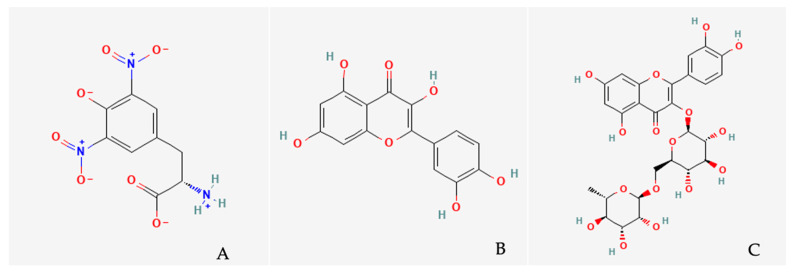 Figure 1
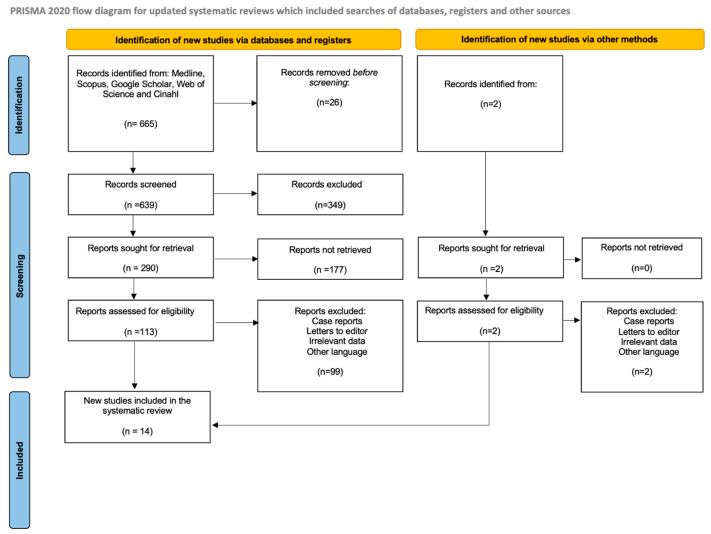 Figure 2
 Figure 3
 Figure 4
Peer Reviews
No public reviews on file for this paper yet. If you reviewed it on a platform where reviews are public (OpenReview, ICLR, NeurIPS, ICML), you can paste yours below so the community can read it here.
Videos
No videos yet. Explain this paper in a talk, walkthrough, or lecture? Add one.
Taxonomy
TopicsSesquiterpenes and Asteraceae Studies · Phytochemicals and Antioxidant Activities · Bioactive natural compounds
1. Introduction
Parthenocissus quinquefolia (L.) Planch., commonly known as Virginia creeper, is a member of the Vitaceae family and is indigenous to North America; however, it is now cultivated and distributed worldwide, including in Chile through horticultural nurseries and ornamental landscaping projects [1,2]. Although P. quinquefolia is exotic to the Southern Cone, recent interest in introduced ornamental and medicinal plants in Chile alongside ongoing research into native species with antioxidant potential (e.g., Aristotelia chilensis, Berberis microphylla, Peumus boldus) [3,4] suggests that P. quinquefolia may represent a complementary phytochemical resource. Its local availability further enhances its potential for phytochemical research and future biotechnological applications. Historically, P. quinquefolia has been used by Native American populations for a wide range of medicinal purposes, including treatments for inflammatory conditions, metabolic disorders, and infectious processes [5]. More recently, experimental studies have reported antioxidant, anti-inflammatory, metabolic, antimicrobial, and anticancer properties associated with extracts obtained from different plant organs [6,7,8,9,10,11]. Collectively, these findings suggest potential protective effects against cancer progression, as well as antibacterial, antiviral, antidiabetic, antirheumatic, hypocholesterolemic, gastrointestinal, and diuretic activities. Collectively, these findings suggest potential protective effects against cancer progression, as well as antibacterial, antiviral, antidiabetic, antirheumatic, hypocholesterolemic, gastrointestinal, and diuretic activities. These biological properties are largely attributed to the presence of secondary metabolites bioactive compounds synthesized by plants in response to biotic and abiotic stimuli, enabling adaptation to environmental stressors [12]. These compounds are widely utilized in the pharmaceutical, cosmetic, nutraceutical, food, and agrochemical industries [13,14,15]. Consequently, the ethnobotanical and pharmacological characterization of introduced and native species has become increasingly relevant for identifying compounds with biomedical applications.
Given that many of these biological activities are mechanistically linked to redox imbalance and immune modulation, it is pertinent to consider the role of inflammation in this context. Inflammation represents a complex biological response to cellular and tissue injury caused by pathogens (e.g., viruses, bacteria, fungi), chemical irritants, physical agents, or dysregulated immune activity. When unresolved, inflammation may become chronic, promoting oxidative stress, cellular damage, and molecular remodeling associated with carcinogenesis, accelerated aging, metabolic disease, and increased mortality [16,17]. Considerable evidence has demonstrated that secondary metabolites exert antioxidant and anti-inflammatory effects through redox modulation, reactive oxygen species (ROS) scavenging, mitochondrial protection, and regulation of pro-inflammatory signaling pathways such as NF-κB, COX-2, and iNOS [18,19,20,21]. The abundance of phenolic compounds with antioxidant and anti-inflammatory properties reported in P. quinquefolia suggests that this species may contribute to the identification of novel therapeutic targets. Therefore, the objective of this systematic review is to summarize the available evidence regarding the composition, distribution, and biological effects of secondary metabolites with anti-inflammatory potential isolated from or identified in P. quinquefolia.
The abundance of compounds with antioxidant and anti-inflammatory properties in P. quinquefolia suggest its potential for the identification of novel therapeutic targets. The objective of this review is to provide an overview of the reported composition, distribution, and biological effects of secondary metabolites with anti-inflammatory properties in P. quinquefolia.
Representative structures of phenolic metabolites identified in P. quinquefolia are shown in Figure 1 to illustrate the chemical diversity of flavonoids and stilbenoids present in the species.
2. Materials and Methods
2.1. Method Designs
This study was guided by the checklist of proposed elements according to Preferred Reporting Items for Systematic Reviews and Meta-Analyses (PRISMA) 2020 [22]. The registration DOI in Open Science Framework (OSF) is https://osf.io/hx8nw (Accessed 4 January 2026).
2.2. Selection Criteria
Studies eligible for inclusion are original research articles that provide information on the anti-inflammatory or antioxidant effects, as well as other beneficial health effects, of the plant species P. quinquefolia, or any of its other names mentioned in the search terms (Ampelopsis quinquefolia, Hedera quinquefolia, Vitis quinquefolia, Virginia creeper), published in English.
2.3. Information Source and Search Strategies
A systematic search was conducted in PubMed, Scopus, Web of Science, and Google Scholar from inception to May 2025. Additional records were identified through reference screening. No publication date restrictions were applied. Language was restricted to English and only original research articles were eligible. The following Boolean search strategy was used: (“Parthenocissus quinquefolia” OR “Ampelopsis quinquefolia” OR “Hedera quinquefolia” OR “Vitis quinquefolia” OR “Virginia creeper”) AND (“antioxidant” OR “anti-inflammatory” OR “bioactive” OR “phytochemical” OR “stilbene” OR “phenolic” OR “flavonoid”). Database-specific search strings are provided in Supplementary Material (Table S1), in-cluding search dates, Boolean operators, and applied filters.
2.4. Study Selection
All records identified through database searching were imported into a reference manager and duplicates were removed. The screening process followed the PRISMA 2020 recommendations and was conducted in two stages. In the first stage, two reviewers independently screened titles and abstracts. Records were excluded at this stage if they met any of the following criteria: (1) non-original publications (e.g., reviews, conference abstracts, book chapters), (2) studies not focusing on Parthenocissus quinquefolia, or (3) absence of biological, phytochemical, antioxidant, or anti-inflammatory outcomes. Full-text articles were then retrieved for all records that passed the initial screening. In the second stage, the same reviewers independently assessed full-text eligibility. Full-text exclusions were applied for the following reasons: (1) full text not accessible, (2) language not meeting inclusion criteria, (3) absence of relevant biological outcomes, or (4) unclear plant identification. Discrepancies at any screening stage were resolved by discussion and consensus. No automation tools were used during the selection process.
2.5. Methodological Quality Assessment
Because the included evidence consisted of phytochemical characterizations and non-clinical experimental studies (in vitro/in vivo), traditional clinical risk of bias tools (e.g., RoB 2, ROBINS-I) were not applicable. Instead, methodological quality was assessed using criteria adapted for non-clinical research, including: (1) botanical identification, (2) extraction reporting, (3) analytical validation, (4) use of controls in bioassays, and (5) replication reporting. Two reviewers independently assessed methodological quality, and disagreements were resolved by consensus.
3. Results
A total of 665 records were identified through database searching, and an additional 2 records were identified through other sources. Before screening, 26 records were removed. A total of 639 records were screened at the title and abstract level, resulting in the exclusion of 349 records for not meeting the inclusion criteria. Full texts were sought for 290 records, of which 177 could not be retrieved. The remaining 113 full-text reports were assessed for eligibility. Of these, 99 were excluded due to being case reports, letters to the editor, presenting irrelevant data, or being published in a non-eligible language. In parallel, two additional reports identified through other sources were assessed, both of which were excluded for the same reasons. Ultimately, 14 studies met the inclusion criteria and were incorporated into the systematic review. The updated PRISMA 2020 flow diagram is shown in Figure 2. All included studies were written in English and consisted exclusively of laboratory work without human or animal intervention. The studies originated from a broad geographical distribution, including Pakistan (n = 2), Ukraine (n = 2), and one study each from Japan, China, Thailand, Tunisia, India, Iran, Turkey, the United States, Hungary, and Saudi Arabia. The included research focused on phytochemical analyses and non-clinical assays performed on different plant parts of P. quinquefolia, including leaves, fruits, stems, and shoots. Analytical approaches varied, encompassing colorimetric assays, chromatographic profiling (e.g., HPLC, HPLC-MS), and spectrophotometric quantification. Experimental models included antioxidant capacity assays (e.g., DPPH, ABTS, FRAP) and other non-interventional in vitro assays. The main characteristics of the included studies are summarized in Table 1.
The included studies focused on extracting and determining the chemical composition of different parts of P. quinquefolia, as well as their possible biological effects. Based on the extracted information, the properties of the species were categorized according to: (i) the plant parts used (stems, leaves, fruits, shoots), (ii) the type of extracts obtained, and (iii) the biological effects evaluated by the authors. These categories are summarized in Table 2.
4. Discussion
4.1. Phytochemical Profile of Parthenocissus quinquefolia
Available evidence indicates that P. quinquefolia contains a diverse spectrum of phenolic secondary metabolites, particularly flavonoids and stilbenoids, which represent the most consistently reported bioactive constituents of the species (Table 2). Phenolic compounds are biosynthesized through the phenylpropanoid pathway and are characterized by at least one aromatic ring bearing hydroxyl substituents. Structurally, they encompass several subclasses, of which flavonoids and stilbenes are the most relevant in P. quinquefolia due to their antioxidant and anti-inflammatory potential [32,33,34,35,36,37,38].
4.1.1. Flavonoids
Flavonoids are low-molecular-weight polyphenols defined by a C6–C3–C6 backbone. In P. quinquefolia, flavonoids reported include flavonols (e.g., quercetin and glycosylated derivatives) and flavan-3-ols (e.g., catechin and epicatechin), mostly detected in leaves, shoots and fruits. These compounds have been associated with radical-scavenging activity, metal chelation, and modulation of redox-sensitive signaling pathways such as NF-κB and Nrf2/ARE in broader pharmacological literature, providing mechanistic plausibility for the antioxidant and anti-inflammatory effects observed in the plant.
Among detected flavonols, quercetin and rutin are particularly relevant. Quercetin has been widely characterized as an antioxidant through direct ROS scavenging as well as activation of endogenous enzymatic defenses via Nrf2, whereas glycosylated forms such as rutin display enhanced stability and documented anti-inflammatory effects via NF-κB inhibition [39,40,41,42,43,44,45,46,47,48,49,50,51,52,53,54,55,56,57]. Although these mechanistic properties have been largely demonstrated in non-Parthenocissus systems, their presence in P. quinquefolia suggests functional relevance within its phytochemical matrix.
Flavan-3-ols such as catechin and epicatechin have also been reported. These compounds possess catechol-type moieties that enhance redox activity and exhibit documented interactions with endothelial nitric oxide synthase and pro-inflammatory cytokine signaling, supporting a role in vascular redox modulation [58,59,60,61,62,63,64,65,66,67,68,69,70]. Their occurrence in P. quinquefolia aligns with the polyphenolic profiles documented in other Vitaceae.
4.1.2. Stilbenoids
Stilbenes constitute another major phenolic class in P. quinquefolia. The species contains resveratrol and a range of resveratrol-derived oligomers (e.g., parthenocissins and ε-viniferin), expanding its stilbenoid repertoire beyond that of many related taxa [24,71,72,73,74,75,76,77,78,79,80,81,82,83,84,85,86,87,88,89,90,91,92]. Structural oligomerization enhances π-electron delocalization and increases the number of accessible phenolic hydroxyl groups, properties associated with superior radical-scavenging and anti-inflammatory capacity relative to monomeric resveratrol [93,94,95,96,97,98,99,100,101,102,103,104,105].
Notably, parthenocissin-type oligomers have been isolated from the genus Parthenocissus, including dimers and higher-order oligomers. Although their functional characterization remains limited in P. quinquefolia, studies from other Vitaceae demonstrate inhibition of NF-κB and COX-2/iNOS expression by related oligomers such as ε-viniferin, supporting mechanistic plausibility for anti-inflammatory effects [106,107,108,109,110,111,112,113,114,115,116,117,118].
Among the studies included, antioxidant activity was evaluated exclusively through chemical in vitro assays, mainly DPPH, ABTS and FRAP, demonstrating relevant radical-scavenging and reducing capacity of extracts from leaves, shoots and fruits. However, no studies were found assessing antioxidant effects in cell-based models, animal models or clinical settings, and no biomarker-based evaluations (e.g., lipid peroxidation, protein oxidation, antioxidant enzymes) have been reported to date for P. quinquefolia. This gap prevents extrapolation of the in vitro antioxidant findings to physiological or therapeutic contexts and highlights the need for validation in biological systems. The findings of this review support that P. quinquefolia represents a relevant source of phenolic metabolites, in particular flavonoids and stilbenoids, capable of modulating central redox-inflammatory pathways such as NF-κB, COX-2/iNOS and the generation of PGE_2_/NO. This body of evidence provides biological plausibility to the antioxidant and anti-inflammatory effects attributed to the species. The most direct phytochemical and functional information derive from the studies on leaves, shoots and fruits, where flavones, flavonols and catechins (i.e., quercetin, quercetin-3-β-glucoside, rutin, catechin and epicatechin) have been identified and quantified, together with antioxidant activity evaluated by chemical assays. Taken together, this background confirms that the species harbors a complex polyphenolic matrix with significant bioactive potential (Figure 3 and Figure 4) [24,31].
A noteworthy aspect is the identification of resveratrol in P. quinquefolia [119], together with novel resveratrol oligomers, such as parthenocissin M and N [18]. These findings expand the stilbenoid repertoire of the species and suggest that part of its biological activity could be attributed to these higher-order assemblages. These oligomers exhibit distinct biological profiles compared to the monomer [24,120]. From a mechanistic perspective, the Vitaceae literature provides elements that enable the formulation of reasonable hypotheses without undue extrapolation. For example, in Vitis heyneana the trans-ε-viniferin dimer has been shown to suppress NF-κB activation and reduce COX-2/iNOS expression, thereby decreasing the dose-dependent production of PGE_2_ and NO in LPS-stimulated RAW 264.7 macrophages [118]. Given that P. quinquefolia contains stilbenoids and shares biosynthetic pathways with Vitis, including the production of viniferins and miyabenols [24,120,121], it is plausible that analogous oligomers present in this species contribute to anti-inflammatory effects through convergent molecular targets. In this context, the trimer miyabenol C, isolated and characterized in different Vitaceae [24,121,122], has been associated with neuroprotective effects involving β-secretase inhibition and β-amyloid reduction, indicating a functional spectrum that goes beyond redox modulation and reaches key proteases in amyloidogenesis [123]. Although these results derive from studies on Vitis thunbergii var. taiwaniana [123], they reinforce the idea that resveratrol oligomers may exhibit bioactivities superior or complementary to those of the monomer and may contribute to part of the effects reported in P. quinquefolia. With respect to flavonoids, the compounds detected in P. quinquefolia, such as rutin, quercetin and its glycosides (e.g., quercetin-3-O-alpha-L-rhamnoside) [119], catechin, epicatechin, and luteolin in the fruits, are supported by substantial mechanistic evidence. Quercetin and its glycosylated derivatives modulate the Nrf2/ARE pathway and repress NF-κB activation, reducing the expression of pro-inflammatory cytokines and COX-2, while strengthening enzymatic antioxidant defenses [124]. Recent advances in the broader pharmacological literature further expand the biological relevance of quercetin beyond its antioxidant and anti-inflammatory roles. A narrative review published in Nutrients (2025) highlights quercetin as a bioactive compound involved in women’s reproductive health, reporting modulatory effects on hormonal balance, fertility parameters, and gynecological disorders such as polycystic ovary syndrome, recurrent miscarriage, and endometrial cancer [125,126,127,128,129,130,131,132,133,134,135]. The authors describe molecular pathways through which quercetin may exert such effects, including PI3K/AKT, Nrf2, NF-κB, and other hormone-regulated signaling cascades, underscoring its ability to influence oxidative stress, inflammation, and endocrine regulation in reproductive tissues. These findings reinforce the broader pharmacological potential of quercetin as a principal phenolic constituent of P. quinquefolia, suggesting that its relevance may extend into reproductive and metabolic domains, although these hypotheses remain speculative until directly validated in this species. On the other hand, catechin and epicatechin, present in various Vitaceae species, exert antioxidant effects through direct redox activity and metal chelation and attenuate inflammation associated with oxidative stress and lipotoxic processes in cell and animal models [125]. In addition, kaempferol, identified in Parthenocissus species (specifically P. tricuspidata) [126], and widely distributed within the Vitaceae family, exhibits radical scavenging activity and modulates inflammatory pathways by inhibiting NF-κB and reducing mediators such as iNOS and COX-2 [127]. Taken together, this evidence suggests that the antioxidant and anti-inflammatory effects observed in P. quinquefolia may derive from the combined action of these flavonols, in interaction with catechins, on convergent molecular networks related to oxidative stress and inflammatory signaling. However, the specific participation of Nrf2 and the possible synergies between these compounds need to be evaluated directly in this species.
Beyond the polyphenolic profile of the photosynthetic organs, the biology of the tendrils and adhesion disks provides a distinctive chemical and structural component whose phytochemistry remains practically unexplored. Tendrils, described in Vitaceae for more than three centuries [128], are flexible, branched structures that, in species such as P. quinquefolia, develop expanded adhesive disks at the apexes, allowing attachment to the substrate by flattening and secreting mucilage [129,130]. In this species, adhesion does not depend on the coil, but on an adhesive composed of branched rhamnogalacturonan I, callose and mucilaginous pectins [131]. The formation of the disks involves the accumulation of mucilage, adjustment to the microrelief of the support, and subsequent lignification, which confers high environmental resistance [132]. Although tendrils are recognized as structures with medicinal value in several Vitaceae [133], to the best of our knowledge, there are no studies evaluating the bioactive properties of adhesive disks. This knowledge gap points to a concrete opportunity to investigate the relationship between its specialized polysaccharide composition and potential anti-inflammatory or antioxidant applications in Parthenocissus. Considering the range of antioxidant, anti-inflammatory and, in some cases, neuroprotective activities described for the flavonoids and stilbenoids present in P. quinquefolia, as well as the structural and polysaccharide properties of its tendrils and adhesive disks, the species emerges as a promising candidate for the development of standardized extracts, nutraceutical supplements and possible drugs derived from natural products. The combination of phenolic compounds, with extensive mechanistic support, and less-studied oligomeric metabolites suggests a synergistic potential that could be exploited in both anti-inflammatory interventions and strategies aimed at controlling oxidative stress or protecting tissues. However, moving towards biomedical applications requires validating the safety, bioavailability and in vivo efficacy of these compounds and their mixtures, as well as deepening the characterization of metabolites typical of specialized structures such as adhesion disks. The interpretation of the present findings requires consideration of biogeographical factors. All included studies were conducted on specimens collected in the Northern Hemisphere, where climatic conditions, photoperiod, temperature gradients and soil composition differ substantially from those in Chile. It is well-established that secondary metabolite biosynthesis in plants is modulated by environmental parameters such as UV exposure, temperature, water availability, altitude and soil nutrients, which may influence both the qualitative and quantitative profiles of phenolic compounds. Therefore, it is plausible that specimens of P. quinquefolia growing in Chile could exhibit distinct phenolic fingerprints either in relative abundance or in the presence of specific metabolites when compared to those reported in the literature. Comparative metabolomic studies would be required to confirm whether the stilbenoid and flavonoid profiles described in Northern Hemisphere populations are conserved under Chilean ecological conditions. In the Chilean context, a Mediterranean hotspot highly vulnerable to climate change and environmental oxidative stress, the characterization of antioxidant compounds from P. quinquefolia gains additional relevance [134,135]. Moreover, the widespread use of this species in nature-based solutions, especially in Mediterranean-type climates such as Chile, underscores the importance of understanding its phytochemical composition to more accurately assess its biological value and potential functional applications.
4.2. Limitations
Several methodological limitations should be considered when interpreting the findings of this review. First, the primary studies exhibited substantial heterogeneity in extraction procedures (e.g., solvent polarity, extraction temperature, ultrasound-assisted extraction), plant material selection (leaves, stems, fruits, roots), and phytochemical processing, all of which influence metabolite yield and composition. Second, analytical approaches varied across studies, ranging from qualitative phytochemical screening to quantitative chromatographic techniques (e.g., HPLC, HPLC-MS, GC-MS), limiting comparability of reported metabolite profiles. Third, biological assays used to assess antioxidant and anti-inflammatory activity were not standardized, with studies employing diverse in vitro systems (e.g., DPPH, ABTS, FRAP, NO scavenging, COX-2/iNOS expression assays), preventing direct aggregation of results. Fourth, the absence of in vivo or clinical studies restricts the translational interpretation of the reported bioactivities. Finally, the review design itself was limited by the lack of meta-analytic synthesis due to insufficiently homogeneous data and by the possibility of publication bias toward positive findings. Taken together, these factors warrant cautious interpretation and highlight the need for standardized, mechanistic, and in vivo investigations.
5. Conclusions
In conclusion, available evidence suggests that P. quinquefolia is a notable source of secondary metabolites (particularly polyphenols, flavonoids, and stilbenoids) with documented chemoprotective, antioxidant, and anti-inflammatory activities. These properties underscore its value not only as an ornamental or ethnobotanical species but also as a promising model for contemporary biomedical research. The polyphenols characterized in the species, including catechin, epicatechin, quercetin, myricetin, resveratrol and several resveratrol-derived oligomers (parthenocissins), act on central molecular pathways such as NF-κB, NLRP3, MAPKs, eNOS and Nrf2, thereby modulating oxidative stress and chronic inflammatory responses; processes implicated in cardiovascular, metabolic and neurodegenerative diseases, as well as in oncogenesis and aging. Although the existing body of literature (14 studies) is primarily based on in vitro assays and still lacks validation in animal models or clinical settings, the findings collectively suggest that P. quinquefolia is a credible natural source for the development of extracts, nutraceutical formulations, and lead compounds for drug discovery. Advancing towards translational applications will require rigorous studies addressing bioavailability, safety and in vivo efficacy to substantiate its therapeutic potential in conditions driven by oxidative stress and inflammation.
The reference list from the paper itself. Each links out to its DOI / PubMed record.
- 1Blinkova O. Makarenko N. Raichuk L. Havrylnuk Y. Grabovska T. Roubik H. Invasion of Parthenocissus quinquefolia (L.) Planch in the forest-steppe of Ukraine Ecol. Quest.202234354410.12775/EQ.2023.011 · doi ↗
- 2Colasoanto M. Parthenocissus quinquefolia Fire Effects Information System USDA Washington, DC, USA 1991 Available online: https://www.fdacs.gov/Agriculture-Industry/Plants-and-Nurseries(accessed on 22 April 2025)
- 3Salehi B. Sharifi-Rad J. Herrera-Bravo J. Salazar L.A. Delporte C. Barra G.V. Cazar Ramirez M.E. López M.D. Ramírez-Alarcón K. Cruz-Martins N. Ethnopharmacology, Phytochemistry and Biological Activities of Native Chilean Plants Curr. Pharm. Des.20212795397010.2174/138161282666620112410562333234091 · doi ↗ · pubmed ↗
- 4Alfaro S. Antioxidant activity and phytoactive compounds related to biological effects present in native southern Chilean plants: A review J. Chil. Chem. Soc.2025696115612810.4067/s 0717-97072024000206115 · doi ↗
- 5Francis J.K. Wildland S 1hrubs of the United States and Its Territories USDA San Juan, PR, USA 2004 Volume 1542544 Available online: https://www.fdacs.gov/Divisions-Offices/Florida-Forest-Service(accessed on 23 April 2025)
- 6Zardi-Bergaouia A. Jouinia M. Znatia M. El Ayeb-Zakhamab A. Janneta H.B. Physico-chemical properties, composition and antioxidant activity of seed oil from the Tunisian Virginia Creeper (Parthenocissus quinquefolia (L.) planch)J. Tunis. Chem. Soc.2016188995
- 7Khan Z. Faisal S. Anjum P. Sardar A.A. Siddiqui S.Z. Phytochemical properties and antioxidant activities of leaves and fruits extracts of Parthenocissus quinquefolia (L.) Planch Bangladesh J. Bot.2018473338
- 8Frase D.M. Bannon S. Contact Dermatitis From Exposure to Virginia Creeper (Parthenocissus quinquefolia): A Deviation From the Saying “Leaves of Three, Let It Be”Cureus 202517 e 8624010.7759/cureus.8624040677464 PMC 12270634 · doi ↗ · pubmed ↗