Effects of Genetic Selection on Growth, Nutritional Value, and Amino Acid Profiles of Breast Muscle and Blood in Black-Boned Chickens
Wootichai Kenchaiwong, Srinuan Kananit, Vibuntita Chankitisakul, Wuttigrai Boonkum

TL;DR
Genetic selection in black-boned chickens improved growth and breast meat quality, with higher amino acids and energy, but altered blood cholesterol and minerals.
Contribution
Demonstrates that selective breeding can enhance growth and meat nutritional profiles in black-boned chickens.
Findings
Selected chickens showed higher growth rates and larger breast size at all ages.
Selected line breast meat had higher energy, fat, lysine, and branched-chain amino acids.
Unselected line had higher blood cholesterol and minerals, with sex differences observed.
Abstract
This study compared two lines of black-boned chickens: one selected for growth and one unselected. We measured body weight, daily growth, and breast size, and tested nutrient and amino acid composition in breast meat and blood. The selected line exhibited a higher growth rate and larger breast size across all ages. Their breast meat contained more energy and slightly more fat, while the unselected line showed higher blood cholesterol and mineral contents. Breast meat—especially from the selected variety—was enriched with key amino acids such as lysine and the branched-chain amino acids. These results suggest better meat quality and higher farm returns from genetic selection. Thai black-boned chickens, a native genetic resource valued for their dark-pigmented meat and blood with reputed functional properties, generally exhibit slower growth than commercial broilers. The potential for…
Genes, proteins, chemicals, diseases, species, mutations and cell lines named across the full text — each resolved to its canonical identifier and authoritative record.
Click any figure to enlarge with its caption.
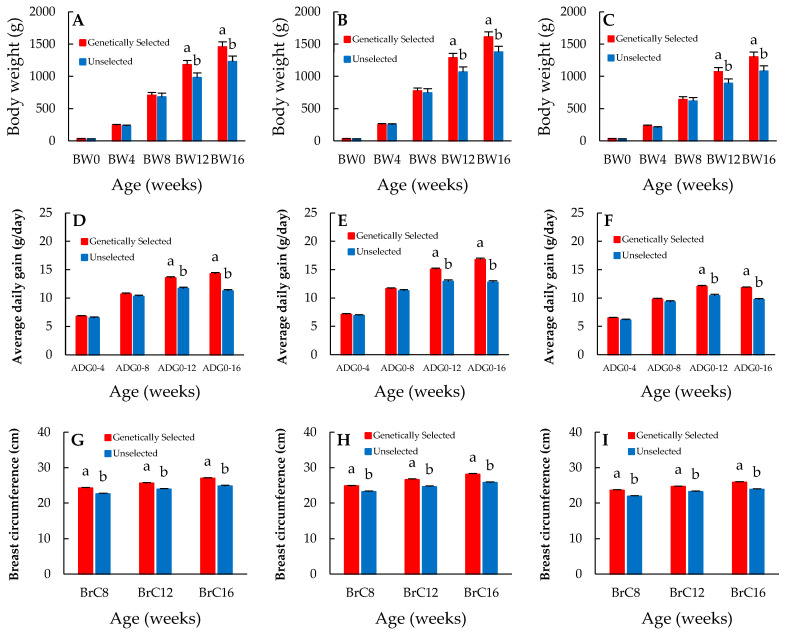 Figure 1
- —Mahasarakham University
- —Khon Kaen University
Peer Reviews
No public reviews on file for this paper yet. If you reviewed it on a platform where reviews are public (OpenReview, ICLR, NeurIPS, ICML), you can paste yours below so the community can read it here.
Videos
No videos yet. Explain this paper in a talk, walkthrough, or lecture? Add one.
Taxonomy
TopicsAnimal Nutrition and Physiology · Livestock and Poultry Management · Aquaculture Nutrition and Growth
1. Introduction
The global poultry industry plays a crucial role in meeting the growing demand for affordable, high-quality animal protein [1,2,3]. While commercial broiler and layer breeds dominate intensive production systems, native and specialty chickens have attracted increasing attention due to their adaptability, sensory qualities, and perceived health benefits [4,5,6]. Among these, black-boned chickens (Gallus gallus domesticus)—renowned for their hyperpigmentation and traditional medicinal use—are especially valued in Asia, including China, Thailand, and Korea [7,8,9]. Recently, their breast meat and blood have drawn scientific interest for their nutritional and functional properties [8,10]. The hallmark fibromelanosis (FM) observed in black-boned chickens is driven by the Endothelin 3 (EDN3) gene and associated pathways, leading to melanocyte proliferation in skin, bones, and internal organs [11]. Culturally, their meat and blood are believed to confer health benefits, including immune enhancement and anti-aging effects, thereby contributing to their premium market value [12,13]. However, compared to commercial chickens, black-boned breeds typically have slower growth and lower feed efficiency, which hinders their competitiveness in large-scale production systems [14].
In response, breeding programs have aimed to improve growth traits in black-boned chickens while preserving their unique characteristics. Nevertheless, the nutritional impact of genetic selection—particularly on breast meat and blood—remains largely underexplored. This gap is scientifically significant because these tissues are important sources of protein, essential amino acids, bioavailable iron, and bioactive compounds. In black-boned chickens, pigmentation and physiology may influence nutrient deposition, offering potential health benefits that could be enhanced or compromised through selection [12,14,15]. Economically and socially, black-boned chickens are critical to smallholder farmers in Southeast Asia. Their adaptability and high market value make them a valuable resource for sustainable rural livelihoods [16]. Enhancing productivity through genetic selection could increase their profitability while maintaining their traditional appeal. Moreover, meeting the rising demand for functional animal products aligns with global trends in health-conscious consumption.
Despite this potential, few studies have examined the combined effects of genetic selection on both growth and nutrient composition in black-boned chickens. Most prior research has focused on production traits and pigmentation, with limited information on changes in meat quality or blood composition [8,10]. Trade-offs seen in commercial broilers—such as increased fat and reduced flavor—highlight the need to determine whether similar effects occur in improved native breeds [17]. Recent work suggests black-boned chickens may offer superior nutritional value. For example, Khumpeerawat et al. [8] and Tian et al. [18] reported higher carnosine levels in black-boned breast meat compared to meat from native and commercial chickens. Lynch et al. [19] found that poultry blood is a promising food ingredient due to its excellent functional properties and its abundance of essential amino acids, bioactive peptides, and other functional components. However, these studies often lack comparative designs between selected and unselected lines and rarely consider factors like sex, age, or genetic background, which can influence both nutrient deposition and physiological development. Therefore, this study aimed to evaluate the effects of selection for improved growth performance on nutrient composition and amino-acid profiles in genetically selected versus unselected black-boned chicken lines.
2. Materials and Methods
2.1. Animal Ethics and Animal Management
This study was conducted using two genetically distinct lines of black-boned chickens: a genetically selected line that had undergone seven consecutive generations of selection for improved growth performance and market-preferred skin. Selection was based on individual phenotypic performance and estimated breeding values (EBVs) for key growth traits, including body weight at multiple ages (BW0, BW4, BW8, BW12, BW16), average daily gain (ADG0–4, ADG0–8, ADG0–12, ADG0–16), and breast circumference (BrC8, BrC12, BrC16). EBVs were estimated using a multi-trait animal model implemented in BLUP procedures. Within each generation, candidates were ranked by EBV, and the top 25% of males and top 25% of females were selected as parents. Additional criteria—such as overall health, skeletal conformation, pigmentation uniformity, and reproductive soundness—were applied to avoid undesirable correlated responses. Selected breeders were mated using controlled pedigree mating. The unselected control line was maintained contemporaneously under identical management. To preserve genetic variability, breeders were selected at random within each generation via random mating. No directional selection was imposed. Both lines were managed separately to prevent gene flow. Both lines were maintained at the experimental farm of the Network Center for Animal Breeding and Omics Research, Faculty of Agriculture, Khon Kaen University, Thailand. A total of 200 chicks (100 per line; with equal numbers of males and females) were hatched and reared under identical management protocols. Birds were housed in environmentally controlled pens with ad libitum access to feed and water. Lighting and ventilation were maintained in accordance with standard commercial rearing practices. They were raised under the same environmental conditions with open-air housing. Chicks were brooded under a 100-watt heat lamp for four weeks. The lighting program consisted of two stages: from hatching to 4 wk under 24 h light/0 h dark, and from 4 to 16 wk under 23 h light/1 h dark. All chickens were fed standard commercial broiler diets formulated for two age groups. From hatching to 4 wk of age, 21% crude protein (CP) and 3000 Kcal/kg (Balance 910, Betagro, Bangkok, Thailand) were provided, followed by a grower feed with 19% CP, and 2900 Kcal/kg (Balance 911, Betagro, Bangkok, Thailand) until the end of the experiment. All experimental procedures were approved by the Institutional Animal Care and Use Committee of Khon Kaen University in accordance with the Ethics of Animal Experimentation guidelines set by the National Research Council of Thailand (Approval No. IACUC-KKU-85/65; 9 November 2022).
2.2. Growth Performance Measurement
Growth performance was assessed through three primary indicators: BW, ADG, and breast circumference (BrC). Individual BW and ADG were recorded every 4 wk from hatch to 16 wk of age. Feed intake was recorded at the pen level, and ADGs were calculated for each pen over specific growth intervals. Breast circumferences at 8, 12, and 16 wk of age were collected using a measuring tape by inserting the tape beneath both wings and measuring the circumference at the largest part of the breast.
2.3. Slaughter and Sample Collection
At 16 wk of age, 48 birds (n = 24 per sex per genetic line) were randomly selected and euthanized to collect breast meat and blood samples. The sample size provided adequate statistical power for analyses of key nutritional traits and amino acids. Birds were fasted for 12 h with access to water before slaughter. Carcasses were eviscerated, and breast muscle (pectoralis major) and whole blood samples were collected postmortem immediately. Blood was collected from the brachial wing vein and then stored in sterile tubes containing anticoagulant and stored at 4 °C for nutritional and amino acid analysis. Breast meat samples were randomly collected from six locations on both sides of the breast—right side (upper, middle, and lower) and left side (upper, middle, and lower)—using lancets. The samples were kept vacuum-packed and stored at 4 °C until analysis of nutritional and amino acid profiles.
2.4. Nutrient Content and Amino Acid Profile Analysis
Nutrient composition and amino acid profile analyses were conducted on both breast meat and blood samples from each chicken line at 16 wk of age. The nutrient composition—including total energy, total fat, cholesterol, protein, carbohydrate, sodium, vitamins A, B1, and B2, calcium, and iron—was analyzed according to the AOAC International methods for nutrition labeling at Central Laboratory (Thailand) Co., Ltd. (Bangkok, Thailand). Total protein content was quantified using the Kjeldahl method (AOAC 981.10). Total fat was determined by Soxhlet extraction (AOAC 991.36), while carbohydrate content was calculated by difference. Vitamin contents were analyzed by high-performance liquid chromatography (HPLC) according to AOAC protocols specific to each vitamin. Mineral and ion concentrations were determined after acid digestion using inductively coupled plasma–optical emission spectrometry (ICP-OES) or atomic absorption spectrophotometry, in accordance with AOAC guidelines.
At the same time, profiles of 20 amino acids, including both essential and nonessential amino acids, were analyzed. Dry powders of black-bone chicken breast meat and blood were prepared by freeze-drying. Fresh breast meat and raw blood were placed in a 30 L freeze dryer (Grisrianthong, Grisrianthong Co., Ltd., Bangkok, Thailand, model GFD30S) and dried at −40 °C. The resulting dried samples were ground using a grinder (Touch Trilion, Touch Trillion Co., Ltd., Taipei, Taiwan, model TT-800). The obtained powders were packed in airtight containers and vacuum-sealed to prevent moisture absorption. Amino acid profiles of chicken breast meat and blood samples were analyzed by high-performance liquid chromatography following the AOAC Official Methods 994.12 and 2002.14, which involve acid hydrolysis and post-column ninhydrin derivatization for detection. Both essential and nonessential amino acids were quantified and expressed as g/100 g dry matter.
2.5. Statistical Analysis
Before analysis, the data were validated using PROC UNIVARIATE in SAS v.9.0. This step ensured proper data distribution by assessing normality and homogeneity of variance, and by identifying outliers (values outside ±3 standard deviations). Data were analyzed using two-way ANOVA to assess the effects of genetic line (selected vs. unselected), sex (male vs. female), and age (hatch, 4, 8, 12, and 16 wk for growth performance, and 16 wk for nutrient content and amino acid profiles). The interaction between chicken lines and sample types was examined with respect to growth performance, nutritional parameters, and amino acid profiles. When significant differences were detected (p < 0.05), ls-means were compared using Tukey’s post hoc test.
3. Results
3.1. Growth Performance Comparisons
The BW, ADG, and BrC between genetically selected and unselected black-boned chickens are presented in Figure 1. Genetically selected males exhibited consistently higher BWs than their unselected counterparts throughout the growth period. At hatch, the average BW0 of selected males was 33.25 g compared with 30.22 g in the unselected group. This difference widened progressively with age: at 4 wk, selected males reached 251.63 g versus 248.17 g in the unselected control line; at 8 wk, 773.56 g versus 743.36 g; at 12 wk, 1287.97 g versus 1067.11 g; and at 16 wk, 1610.86 g versus 1377.26 g. A similar trend was observed in females. Although genetically selected females had slightly higher weights at hatch (32.95 g) and early stages, the growth difference became more pronounced at later ages. At 8 wk, selected females averaged 640.98 g compared with 743.36 g in unselected males, reflecting sex-related variation in growth patterns. By 12 wk, selected females reached 1071.97 g, while their unselected counterparts recorded 1067.11 g, showing only a modest advantage. At 16 wk, the genetically selected females achieved an average BW of 1301.56 g. When data were pooled across sexes, the genetically selected line maintained higher body weights at all measurement ages. Mean weights increased from 33.10 g at hatch to 1456.21 g at 16 wk, compared with 30.26 and 1228.81 g, respectively, in the unselected group. The overall growth gain attributable to selection was approximately 18.5% at market age.
For the ADG, genetic selection resulted in consistently higher growth rates across all age intervals, sexes, and the combined dataset, confirming the substantial effect of selection on growth performance. Genetically selected males exhibited greater ADG at all growth periods compared with unselected males. During the early stage (0–4 wk), the selected line gained 7.11 g/day, compared with 6.91 g/day in the unselected group. The difference widened as birds matured: at 8 wk, ADG reached 11.63 g/day in selected males and 11.25 g/day in unselected males; at 12 wk, 15.05 g/day versus 12.94 g/day; and at 16 wk, 16.76 g/day versus 12.77 g/day. The progressive increase demonstrates the superior growth potential of the selected line, particularly during the rapid growth phase between 8 and 16 wk, when muscle accretion accelerates. A similar trend was observed in females, although the magnitude of genetic improvement was smaller than in males. From 0–4 wk, selected females gained 6.46 g/day compared with 6.08 g/day in the unselected line. Growth advantage became more pronounced thereafter: ADG0–8 and ADG0–12 averaged 9.80 and 12.04 g/day, respectively, in selected females, compared with 9.30 and 10.39 g/day in unselected females. By 16 wk, the selected females achieved an ADG of 11.79 g/day—about 21% higher than unselected females (9.71 g/day). When data were pooled across sexes, the genetically selected line maintained higher ADG values at all intervals. Mean gains were 6.78 g/day (0–4 wk), 10.72 g/day (0–8 wk), 13.54 g/day (0–12 wk), and 14.27 g/day (0–16 wk), compared with 6.49, 10.27, 11.67, and 11.24 g/day, respectively, in the unselected group.
The BrC of genetically selected and unselected black-boned chickens measured at 8, 12, and 16 wk of age is summarized in Figure 1. Across all ages and sexes, the genetically selected line consistently exhibited a larger BrC than the unselected line, indicating that genetic selection positively affects muscle development and body conformation. In males, the genetically selected line showed greater BrC values at all measurement ages. At 8 wk, the average BrC of selected males was 24.82 cm compared with 23.24 cm in unselected males. The difference widened at 12 wk (26.60 cm vs. 24.59 cm) and became most pronounced at 16 wk (28.11 cm vs. 25.75 cm). The approximately 9–10% increase over the growth period reflects accelerated pectoral muscle growth in genetically selected males. Similarly, genetically selected females also had higher breast circumference values than unselected females throughout the growing period. At 8 wk, the difference between lines was modest (23.61 cm vs. 21.90 cm) but became more evident by 12 wk (24.64 cm vs. 23.19 cm) and 16 wk (25.86 cm vs. 23.86 cm). When data from both sexes were combined, the genetically selected line maintained larger BrCs at every age. Average BrC increased from 24.22 cm at 8 wk to 26.98 cm at 16 wk, while the corresponding values for unselected chickens rose from 22.57 to 24.81 cm. The overall difference of approximately 8–9% at 16 wk emphasizes the sustained growth advantage in the selected population.
3.2. Nutrient Content Comparisons
The nutrient composition of breast meat and blood samples from genetically selected and unselected Thai black-boned chickens is summarized in Table 1. Overall, clear differences were observed between chicken lines and sample types, indicating that long-term selection for growth performance has influenced several nutritional traits. As expected, breast meat and blood differed substantially in energy content, macronutrients, minerals, and vitamins, as reflected by significant sample-type effects for most traits. Total energy content differed significantly between chicken lines (p < 0.001). Breast meat from the selected line exhibited higher energy levels (109.6 kcal/100 g) than that of the unselected line (103.25 kcal/100 g). A similar pattern was observed in blood samples, with the selected line containing 88.44 kcal/100 g, compared with 84.44 kcal/100 g in the unselected line. The significant effect of sample type (p = 0.032) further highlights inherent compositional differences between muscle and blood tissues. For total fat content, both chicken line (p = 0.047) and sample type (p = 0.021) effects were significant. Breast meat from the selected line contained more fat (0.92 g/100 g) than that from the unselected line (0.73 g/100 g). Interestingly, the pattern was reversed in blood samples, where the unselected line exhibited higher fat content (0.64 g/100 g) than the selected line (0.24 g/100 g). Cholesterol concentration also showed strong and consistent differences across lines and sample types (p < 0.001 for both effects). As expected, blood contained markedly higher cholesterol levels than breast meat. Blood from the unselected line exhibited the highest value (225.44 mg/100 g), followed by the selected line (155.09 mg/100 g). In breast meat, cholesterol was lower overall but still line-dependent, with the unselected line having slightly higher concentrations (46.15 mg/100 g) than the selected line (43.03 mg/100 g). Protein content did not differ significantly between lines (p = 0.058) or sample types (p = 0.078), although the selected line showed marginally higher protein levels in both breast meat (24.45 g/100 g) and blood (20.57 g/100 g) compared with the unselected line (23.39 and 19.67 g/100 g, respectively). Carbohydrate levels were extremely low across all samples, and significant differences were observed only for sample type (p = 0.001), consistent with the minimal carbohydrate content typically found in avian tissues. Mineral composition showed marked variation. Sodium content was significantly affected by both chicken line and sample type (p < 0.001), with higher sodium levels in blood than in breast meat, and the unselected control line consistently exhibited higher values. Calcium and iron concentrations also differed significantly between lines and sample types, with blood samples showing substantially higher mineral levels. The unselected control line exhibited the highest blood calcium (19.82 mg/100 g) and iron (30.33 mg/100 g) concentrations. Vitamins A, B1, and B2 were detected only in specific tissues, precluding statistical comparison. Vitamin A was present exclusively in blood samples and was higher in the unselected line. Vitamins B1 and B2 were detected intermittently and at low levels.
3.3. Amino Acid Profile Comparisons
The amino-acid composition of breast meat and blood samples from genetically selected and unselected Thai black-boned chickens is presented in Table 2. Clear differences were observed between genetic lines and tissue types, with most essential and non-essential amino acids showing statistically significant variation. In the breast muscle, chickens from the genetically selected line consistently exhibited higher concentrations of nearly all detected amino acids compared with the unselected line. Aspartic acid, threonine, serine, glutamic acid, glycine, and alanine were all present at higher levels in the selected line, ranging from 1021.42 to 3829.55 mg/100 g, compared with 962.73 to 3544.55 mg/100 g in the unselected line. These differences were statistically significant, with p-values ranging from 0.015 to 0.045. Similar patterns were observed for branched-chain amino acids (BCAAs), including valine, isoleucine, and leucine, all of which were higher in the selected line (p < 0.05). Lysine and arginine also showed significantly greater concentrations in the selected line, with p-values of 0.022 and 0.014, respectively. Amino acids not detected in breast muscle samples from either line included cystine, hydroxylysine, hydroxyproline, and tryptophan. Blood amino acid profiles showed greater variation among genetic lines than those in breast muscle. Unselected chickens showed higher concentrations of aspartic acid (1689.45 mg), threonine (995.26 mg), serine (859.95 mg), glutamic acid (2191.34 mg), glycine (791.20 mg), and alanine (1461.07 mg) than selected chickens. Significant differences between lines were observed for most amino acids detected in blood, with p-values ranging from 0.009 to 0.048. Blood samples also exhibited distinct distributions for leucine, phenylalanine, histidine, lysine, arginine, and proline. Cystine, hydroxylysine, hydroxyproline, methionine (in blood only), and tryptophan were not detected in any line. When comparing sample types (breast meat vs. blood), amino-acid concentrations differed significantly for nearly all amino acids measured. Across both genetic lines, breast muscle showed higher concentrations of aspartic acid, glutamic acid, leucine, lysine, and valine compared with blood (p < 0.05 for sample-type effect). Conversely, blood generally contained higher levels of threonine, serine, histidine, and phenylalanine. For alanine and arginine, the direction of the difference varied between genetic lines. Sample-type effects were significant for nearly all amino acids (p < 0.05), demonstrating consistent tissue-specific variation in amino-acid distribution.
4. Discussion
Genetic selection significantly enhanced the growth performance, nutrient composition, and amino acid profile of black-boned chickens. The selected line exhibited superior body weight, daily gain, and breast development, along with improved energy utilization and higher concentrations of essential amino acids in breast meat. These improvements reflect enhanced nutrient metabolism and muscle accretion efficiency, particularly in males. Collectively, the results confirm that selective breeding not only improves productivity and carcass traits but also enhances the nutritional quality of black-boned chicken meat, supporting its potential for sustainable genetic improvement programs.
The genetically selected line consistently outperformed the unselected population in both sexes, indicating successful selection for growth-related traits. Improvements observed in the selected line reflect the cumulative genetic gain achieved through directional selection for BW and growth efficiency. Genetically selected males exhibited a substantial increase in BW from hatch to 16 wk, reaching approximately 17% greater final weight than unselected males. This improvement is consistent with previous reports showing that targeted selection accelerates early growth potential and enhances feed efficiency in both native and synthetic chicken lines [20,21,22]. The larger body weights observed in genetically selected lines beyond 8 wk suggest that selection has strengthened their post-juvenile growth capacity, likely through enhanced expression of growth-related genes such as IGF1 and GH [23,24,25]. Females also exhibited higher BW in the selected line, although the gain was less pronounced than in males. This difference is consistent with known sexual dimorphism in chickens, in which males typically exhibit faster growth rates, greater feed intake, and more efficient protein deposition than females [26,27]. When data were combined across sexes, the selected line demonstrated an overall improvement of approximately 18–19% at market age. Such results underscore the potential of genetic selection to significantly enhance productivity even in native black-boned chicken breeds that traditionally exhibit slow growth. The observed pattern in ADG further confirms genetic improvement in growth efficiency. Selected males and females displayed higher ADG across all growth intervals, with the largest differences occurring during the finishing phase (12–16 wk). The nearly 27% increase in ADG during this period indicates that selection not only accelerated early growth but also sustained nutrient utilization efficiency throughout the rearing cycle. Similar findings have been reported in selected Thai native chicken lines, in which improved ADG was associated with higher metabolic efficiency and greater muscle accretion rates [5,28]. The higher ADG in the genetically selected line likely reflects enhanced feed conversion efficiency and protein-synthesis efficiency. Genetic selection has been shown to upregulate amino acid transporters, improve mitochondrial function, and increase muscle hypertrophy through greater activation of the mechanistic target of rapamycin (mTOR) signaling pathway [29]. Conversely, the lower ADG values observed in unselected chickens may result from limited energy utilization and slower protein turnover, as commonly observed in traditional or non-improved breeds [30]. The sex-dependent response—where males exhibited stronger growth advantages—aligns with prior studies demonstrating that androgenic hormones and higher muscle fiber density contribute to faster growth in male chickens [31]. The BrC provides a reliable phenotypic indicator of muscle growth, carcass yield, and potential meat quality. The selected line consistently exhibited larger BrC values at all ages, with differences becoming more pronounced at 12 and 16 wk. The approximately 8–10% increase in BrC in the selected line suggests enhanced breast muscle development and overall body conformation. These findings correspond to the observed elevations in BW and ADG, reinforcing the genetic link between muscle accretion and growth rate [32]. The genetic improvement in BrC also reflects physiological adaptations, including increased myofiber hypertrophy, elevated expression of growth-promoting genes (MYOD1, IGF1), and improved nutrient partitioning toward lean tissue deposition [33]. Although females exhibited lower absolute BrC values due to inherent sexual dimorphism, the proportional increase attributable to selection was similar between sexes. This result indicates that both males and females benefited from selection, although to different extents, consistent with the polygenic nature of growth and muscle development traits.
The overall improvement in growth performance in this study aligns with earlier reports in other black-boned chicken breeds, such as Tengchong Snow, Xichou, Wuliangshan, and Xuefeng, in which genetic selection led to increases of 10–20% in BW and muscle yield [14,27,34]. Similarly, studies in Thai black-boned chickens demonstrated that genetic selection improved BW, ADG, and BrC [28]. Moreover, the results indicate that selection has enhanced the underlying physiological mechanisms governing growth and nutrient utilization. From a breeding standpoint, the strong response in BW, ADG, and BrC suggests high heritability and positive genetic correlations among these traits, making them effective selection criteria for future genetic improvement programs. Therefore, these results confirm that selection effectively improved overall growth potential, feed efficiency, and carcass development in black-boned chickens, reinforcing its value for breeding programs aimed at sustainable meat production.
Genetic selection appeared to influence the proximate composition of black-boned chickens, particularly in energy and lipid traits. The genetically selected line exhibited higher energy and fat contents in breast meat than the unselected line, suggesting improved nutrient conversion and metabolic efficiency. Similar effects of selection on energy deposition and lipid metabolism have been observed in commercial broilers, in which enhanced feed efficiency is associated with increased intramuscular energy density [35]. Moreover, differences in blood nutrient values between genetically selected and unselected black-boned chickens may be partly explained by variation in feed intake and subsequent nutrient utilization. Higher circulating levels of energy, cholesterol, sodium, calcium, iron, and vitamin A observed in the unselected line suggest greater dietary intake and/or reduced efficiency of nutrient partitioning toward muscle deposition. In contrast, genetically selected chickens exhibited relatively lower blood nutrient concentrations but higher nutrient retention in breast meat, indicating more efficient utilization of ingested nutrients for tissue accretion rather than remaining in circulation. These patterns support the notion that feed intake and metabolic efficiency jointly influence blood nutrient profiles across chicken lines.
The higher energy-to-protein ratio in selected chickens may indicate an adaptive response to selection for growth-related traits, consistent with the concept that selection modifies nutrient utilization pathways rather than overall protein synthesis [36]. In contrast, cholesterol levels in birds, particularly in unselected or slow-growing breeds, can indicate lipid metabolism efficiency, reflecting hepatic lipid metabolism. This is often observed in indigenous breeds with lower metabolic turnover, where elevated blood cholesterol levels suggest less efficient lipid transport and clearance. The liver plays a central role in lipid metabolism, and variations in hepatic function can significantly impact blood cholesterol levels. This relationship is evident in differences between selected and unselected bird lines, in which genetic and metabolic factors influence lipid transport and clearance [37]. Mineral and vitamin compositions also varied significantly between chicken lines and tissue types. Blood contains higher concentrations of sodium, calcium, and iron than breast meat, consistent with its physiological roles in mineral transport and erythropoiesis. It also serves as a critical medium for transporting essential minerals throughout the body, which are vital for various biological functions, including the formation of red blood cells (erythropoiesis). The higher concentrations of these minerals in blood than in other tissues, such as breast meat, underscore their importance in maintaining physiological balance and supporting cellular functions. The higher mineral levels in unselected chickens may reflect differences in nutrient mobilization and tissue mineralization efficiency compared with the genetically improved line. Iron and calcium were particularly abundant in blood. Vitamins A, B1, and B2 were excluded from the statistical analysis because their concentrations were often below the analytical method’s detection limits or inconsistently detected across tissues, thereby precluding reliable quantitative comparisons. Specifically, vitamin A was detected only in blood, consistent with its lipid-soluble nature and circulatory transport, whereas water-soluble vitamins B_1_ and B_2_ were undetectable in both tissues. Genetic selection significantly affected the proximate and mineral composition of black-boned chickens. The selected line showed greater energy and lipid content in breast meat, while the unselected line exhibited higher cholesterol and mineral concentrations in blood. These compositional differences highlight how genetic improvement alters nutrient metabolism and tissue-specific nutrient allocation, providing valuable insights into the nutritional physiology and breeding potential of black-boned chickens.
The present study demonstrates that genetic selection significantly influenced the amino acid composition of black-boned chickens, with clear differences observed between tissue types. The genetically selected line exhibited greater concentrations of most essential and non-essential amino acids in breast meat, suggesting enhanced muscle protein accretion and amino acid retention efficiency. These findings align with previous studies reporting that genetic improvements in growth and feed efficiency alter muscle amino acid metabolism and protein turnover [27,38]. The increased levels of lysine, threonine, and branched-chain amino acids (BCAAs: leucine, isoleucine, and valine) in selected chickens are particularly relevant due to their significant roles in protein synthesis, satellite cell activation, and muscle hypertrophy. These amino acids are crucial for regulating metabolic pathways that enhance muscle growth and repair, thereby optimizing muscle development in chickens. The mechanisms through which these amino acids exert their effects involve complex signaling pathways, primarily the mTOR pathway, which is central to muscle protein synthesis and satellite cell activation [39,40,41]. Lysine and leucine, which are most abundant in breast meat, stimulate muscle protein synthesis by activating the mTOR pathway, thereby enhancing translation initiation and muscle fiber growth [41,42]. The higher lysine concentration in the genetically selected line suggests improved utilization of dietary protein, consistent with enhanced genetic potential for lean tissue deposition. Similarly, elevated levels of threonine and valine may reflect their critical roles in maintaining protein structure and energy metabolism during rapid growth. Lower blood amino acid concentrations in a selected line have been interpreted as indicating more efficient incorporation of these amino acids into muscle proteins rather than their presence in circulating pools. Although amino acid transporters or amino acid utilization have not been directly measured, this interpretation has been supported by established physiological evidence showing that enhanced muscle protein synthesis and growth efficiency are associated with greater amino acid uptake from circulation [39,43].
This suggests more effective nutrient partitioning, in which amino acids are preferentially used for muscle protein synthesis rather than remaining in the bloodstream. This efficiency in nutrient utilization is crucial for optimizing muscle growth and maintenance, especially in contexts such as animal breeding or athletic performance enhancement. The following sections examine the mechanisms and evidence supporting this hypothesis [43]. Non-essential amino acids also exhibited distinct patterns across chicken lines and tissues. Glutamic and aspartic acids, which are important for transamination and nitrogen balance, were higher in the breast meat of the selected line but lower in the blood, implying greater utilization in amino acid metabolism and protein formation [44]. Elevated glutamic acid concentrations have been linked to enhanced umami taste and improved meat palatability, suggesting that genetic selection may also indirectly enhance sensory quality [45]. The overall amino acid profile of the selected line—characterized by higher essential amino acid content—reflects improved nutritional quality and may provide health benefits to consumers. The interaction between genetic line and tissue type (C × S) was significant for most amino acids, emphasizing that genetic improvement not only affects total amino acid content but also modifies tissue-specific metabolic pathways. For example, leucine and phenylalanine concentrations were higher in the blood of unselected chickens, which may indicate slower amino acid uptake or less efficient utilization in protein synthesis. Collectively, these findings indicate that genetic selection alters amino acid metabolism, favoring greater deposition of essential and branched-chain amino acids in muscle tissue. This improvement in amino acid balance enhances both the nutritional value and functional properties of black-boned chicken meat. The results support the conclusion that selective breeding not only improves growth traits but also enhances biochemical composition, contributing to superior meat quality and nutritional potential. In summary, genetic selection significantly enhanced the amino acid composition of black-boned chickens, particularly in breast meat. The genetically selected line exhibited higher concentrations of essential amino acids—especially lysine, threonine, and BCAAs—indicating improved protein synthesis and metabolic efficiency. Non-essential amino acids, such as glutamic and aspartic acids, also increased, suggesting increased transamination and energy metabolism in muscle tissue. These compositional improvements highlight the beneficial effects of genetic selection on meat quality, nutritional value, and overall amino acid balance in black-boned chickens.
From a practical perspective, these results indicate that genetic selection substantially enhances growth rate, carcass traits, and both meat and blood nutritional and metabolite quality in chickens [46,47,48]. For producers, this improvement may result in increased market weights and improved economic efficiency. For breeding programs, the concurrent enhancement of growth performance and amino acid composition suggests favorable genetic correlations that could be effectively incorporated into selection indices. For the poultry industry, particularly in niche and functional meat markets, improved amino acid profiles, combined with the preservation of indigenous characteristics, may enhance product value and consumer acceptance. However, several limitations should be considered. First, only two tissues (blood and breast muscle) were evaluated, limiting conclusions regarding whole-body nutrient partitioning, lipid deposition, and organ-specific metabolism. Second, the experiment was conducted under a single set of environmental and management conditions, which may constrain the applicability of these findings to alternative production systems. Third, indicators of physiological stress, oxidative status, and molecular responses were not assessed, precluding direct evaluation of the potential metabolic costs associated with selection.
5. Conclusions
This study shows that targeted genetic selection substantially improves the biological and nutritional value of black-boned chickens. Across the rearing period, the selected line achieved greater BW, faster ADG, and larger BrC than the unselected line, with the clearest divergence after 8 wk and a stronger response in males. Nutrient profiling indicated higher energy and lipid contents in the breast meat of the genetically selected line, whereas the unselected line exhibited higher blood cholesterol and mineral concentrations, reflecting differences in nutrient partitioning. Amino acid analysis further revealed consistently higher levels of essential amino acids—especially lysine, threonine, and the branched-chain amino acids—in the breast meat of selected chickens, supporting greater muscle protein accretion and metabolic efficiency. Together, these outcomes confirm that selection for growth can elevate both production performance and meat nutritional quality in this specialty breed, strengthening its suitability for value-added and health-oriented markets.
The reference list from the paper itself. Each links out to its DOI / PubMed record.
- 1Kim S.W. Less J.F. Wang L. Yan T. Kiron V. Kaushik S.J. Lei X.G. Meeting global feed protein demand: Challenge, opportunity, and strategy Annu. Rev. Anim. Biosci.2019722124310.1146/annurev-animal-030117-01483830418803 · doi ↗ · pubmed ↗
- 2Castro F.L.S. Chai L. Arango J. Owens C.M. Smith P.A. Reichelt S. Du Bois C. Menconi A. Poultry industry paradigms: Connecting the dots J. Appl. Poult. Res.20233210031010.1016/j.japr.2022.100310 · doi ↗
- 3Bogucka J. Stadnicka K. Quality of poultry meat-the practical issues and knowledge based solutions Phys. Sci. Rev.202384415443310.1515/psr-2021-0121 · doi ↗
- 4Charoensin S. Laopaiboon B. Boonkum W. Phetcharaburanin J. Villareal M.O. Isoda H. Duangjinda M. Thai native chicken as a potential functional meat source rich in anserine, anserine/carnosine, and antioxidant substances Animals 20211190210.3390/ani 1103090233809894 PMC 8004088 · doi ↗ · pubmed ↗
- 5Sungkhapreecha P. Chankitisakul V. Duangjinda M. Boonkum W. Combining abilities, heterosis, growth performance, and carcass characteristics in a diallel cross from black-bone chickens and Thai native chickens Animals 202212160210.3390/ani 1213160235804500 PMC 9264945 · doi ↗ · pubmed ↗
- 6Kathiravan G. Chitrambigai K. Consumer preferences for native chicken meat in India: Implications for sustainable production and household dynamics Curr. Res. Nutr. Food Sci. J.20241216618010.12944/CRNFSJ.12.1.14 · doi ↗
- 7Jaturasitha S. Srikanchai T. Kreuzer M. Wicke M. Differences in carcass and meat characteristics between chicken indigenous to Northern Thailand (black-boned and Thai native) and imported extensive breeds (Bresse and Rhode Island Red)Poult. Sci.20088716016910.3382/ps.2006-0039818079466 · doi ↗ · pubmed ↗
- 8Khumpeerawat P. Duangjinda M. Phasuk Y. Carnosine content and its association with carnosine-related gene expression in breast meat of Thai native and black-bone chicken Animals 202111198710.3390/ani 1107198734359114 PMC 8300356 · doi ↗ · pubmed ↗