Predator–Prey Dynamics Between Eurasian Sparrowhawk and Its Bird Prey During Spring Migration in the Forests at Hel Peninsula (N Poland) over 1982–2024
Kamila Cymerman, Magdalena Remisiewicz

TL;DR
This study examines how the migration timing of the Eurasian Sparrowhawk relates to its prey during spring in northern Poland, considering the effects of climate change.
Contribution
The study reveals sex-specific migration patterns in Sparrowhawks and their adaptive timing in relation to prey availability under climate change.
Findings
Adult Sparrowhawks migrate two to three weeks earlier than youngs, with young females migrating 10 days ahead of young males.
Migration timing of adult females correlates with large prey like Blackbirds, while adult males correlate with smaller prey like Robins.
Sparrowhawks adjust their migration timing each spring to prey availability, but their overall phenology has not shifted over time.
Abstract
We investigated how the spring migration timing of the Eurasian Sparrowhawk is related to the timing of its five main bird prey species, considering climate change in Europe, which should affect both prey and the predator. Using bird ringing data (26 March–15 May, 1982–2021) at a stopover site Hel (N Poland), we found that adult Sparrowhawks migrated on average two to three weeks ahead of youngs. Young females, which can mate with older males, migrated 10 days ahead of young males. Adults occurred at Hel early following a warm February–March at wintering grounds in southern Europe. Migration timing of female Sparrowhawks (the larger sex) was related to that of large prey: Blackbird (adults) and Song Thrush (youngs). Adult males’ timing was related to Robins (small birds); young males showed no such relationships, but they migrated later, when all prey species were available. Robins and…
Genes, proteins, chemicals, diseases, species, mutations and cell lines named across the full text — each resolved to its canonical identifier and authoritative record.
Click any figure to enlarge with its caption.
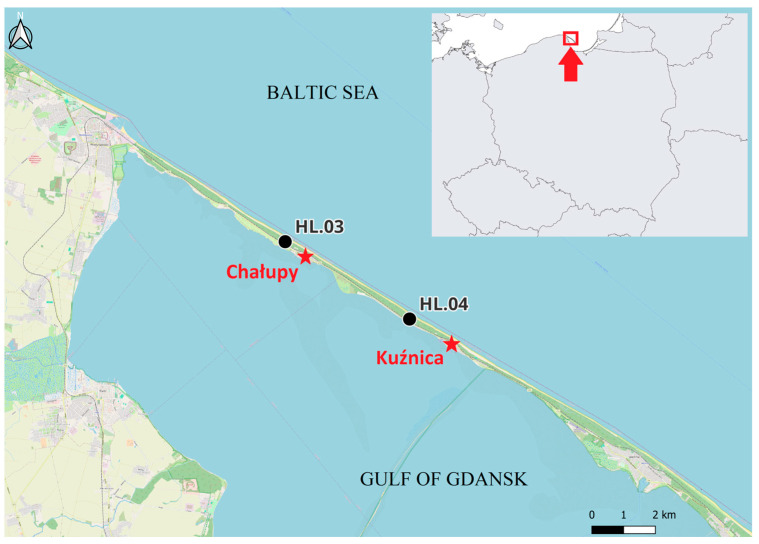 Figure 1
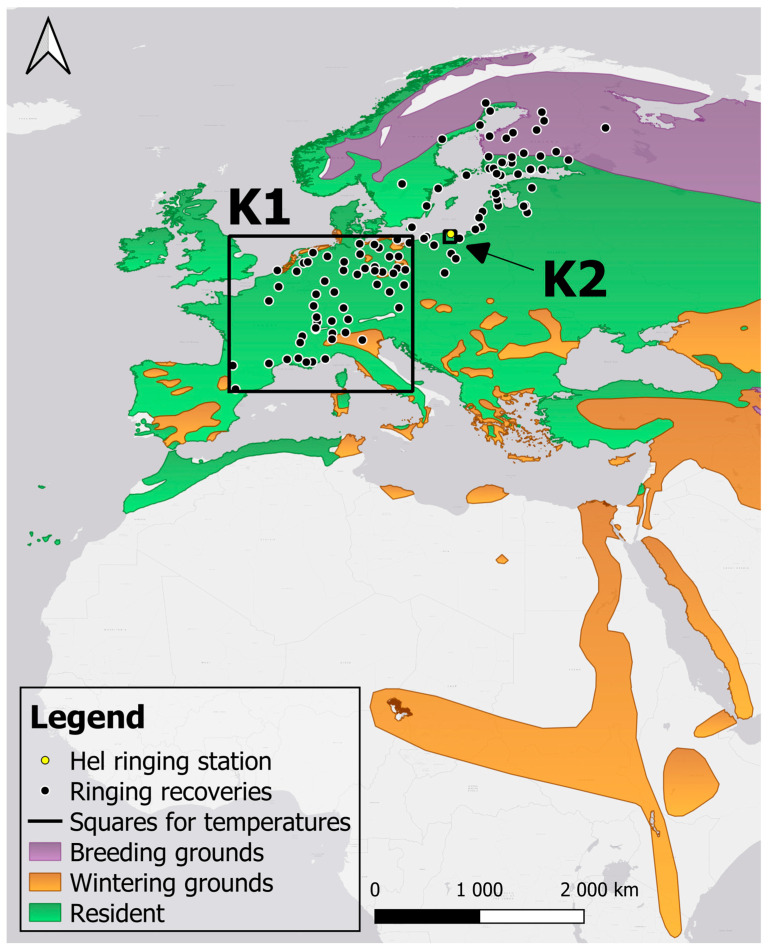 Figure 2
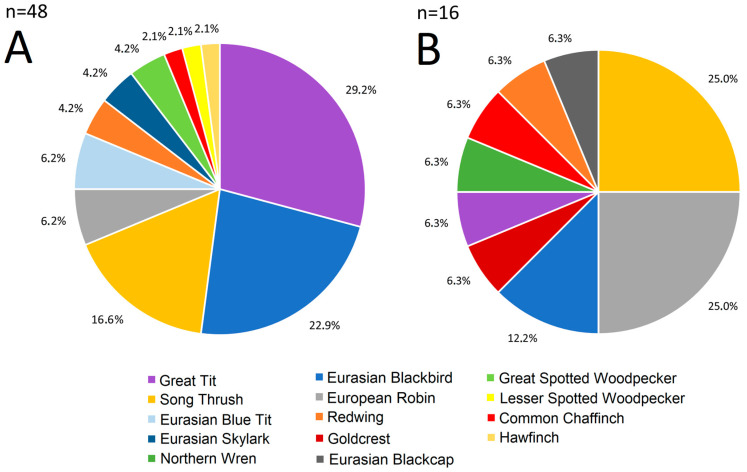 Figure 3
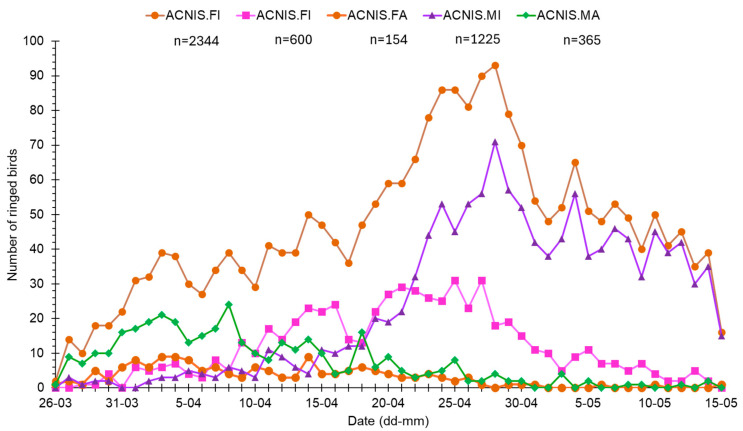 Figure 4
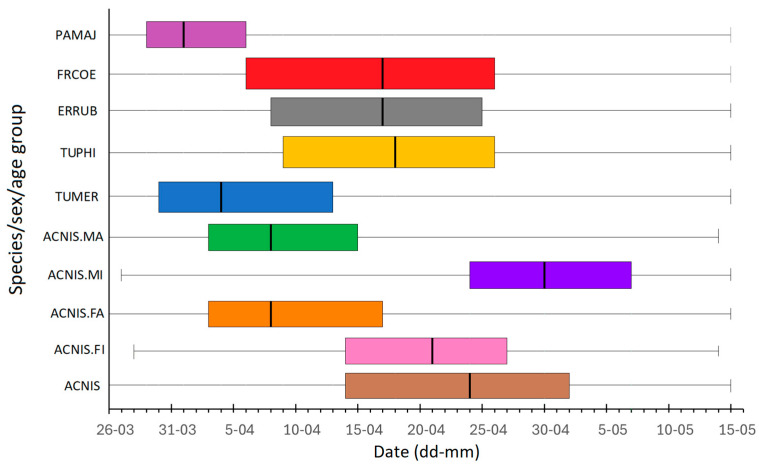 Figure 5
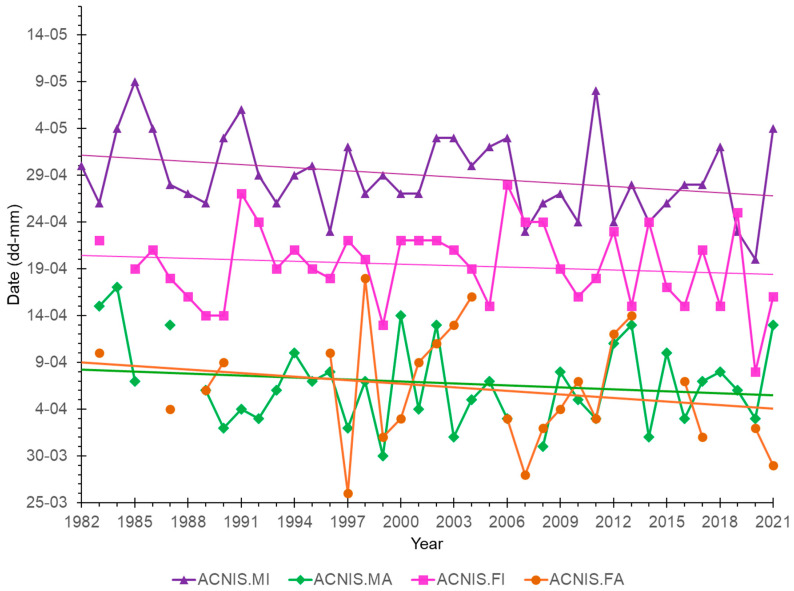 Figure 6
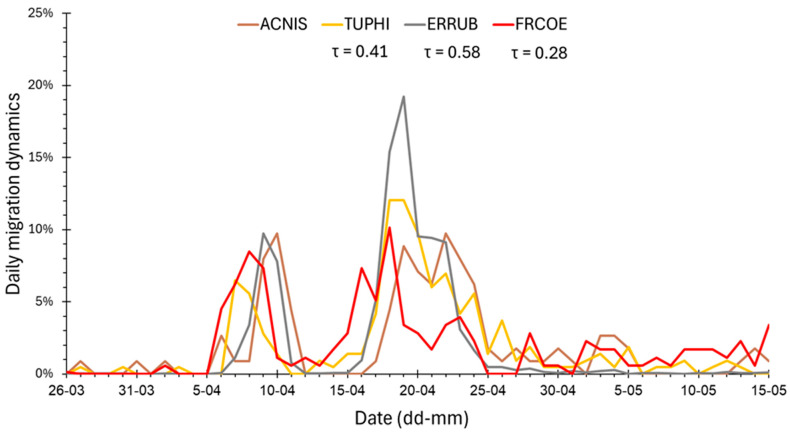 Figure 7
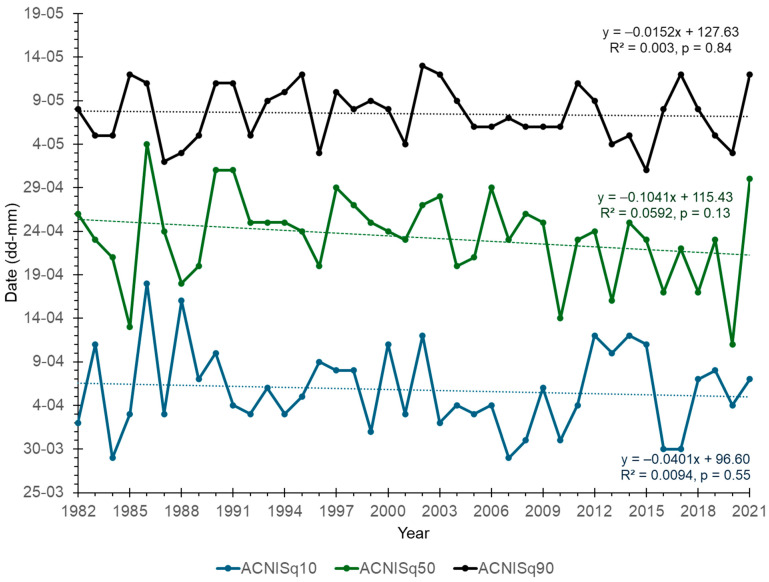 Figure 8
- —Polish Ministry of Science and Higher Education
Peer Reviews
No public reviews on file for this paper yet. If you reviewed it on a platform where reviews are public (OpenReview, ICLR, NeurIPS, ICML), you can paste yours below so the community can read it here.
Videos
No videos yet. Explain this paper in a talk, walkthrough, or lecture? Add one.
Taxonomy
TopicsAvian ecology and behavior · Species Distribution and Climate Change · Fire effects on ecosystems
1. Introduction
Bird migration phenology can be influenced by seasonal variation in food availability and weather conditions such as temperature, wind, and precipitation [1]. Furthermore, in recent decades, bird migration phenology has been adjusting to temperature changes due to global warming [2], resulting in shifts in breeding and migration periods [2,3,4,5,6,7,8,9,10]. Climate-related changes in spring migration timing have been described for many migratory bird species in Europe and North America as carry-over effects of changes in environmental conditions, such as availability of food resources or climatic conditions in different areas they visit at subsequent stages of their migratory life [8,11,12,13,14,15,16,17,18].
Climate change may also influence multispecies interactions [9,19,20,21], which are crucial for regulating and maintaining healthy ecosystems [9,22]. Changes in such interactions may vary across species and their relationships at different levels of the trophic chain, as organisms respond differently to changes in temperature or other environmental factors [9]. Predators are vital in regulating the population of their prey, making predator–prey interactions one of the most important in the trophic chain, at both the population and ecosystem level [9,23]. Climate change may influence the population dynamics of both predators and prey in the following ways: changes in range, population density, behaviour and phenology [9]. Multiannual data (1985–2005) from the Netherlands showed changes in the food chain at three levels: from caterpillars (an average 0.25 day delay compared to the budding of the plants they fed on) and passerines (an average 0.5 day delay in relation to the peak in caterpillar abundance) to predators, among which the Eurasian Sparrowhawk Accipiter nisus Linnaeus, 1758 (hereafter Sparrowhawk), showed the greatest mismatch between its breeding season and the hatching time of its passerine prey [9,24]. Raptor migration routes may have evolved in tandem with routes of their prey species [25,26]. The mismatch in the timing of predator and prey phenology, caused by climate warming, may have a greater impact on prey species, which shift spring migration and breeding earlier in response to changes in temperature and earlier availability of their plant and insect food, resulting in a temporal “escape” from the predator [24]. In North America, advances in spring migration timing, associated with climate change, have been observed for five out of the ten most abundant raptor species [8]. Furthermore, temperature changes in Europe influenced autumn migration dates of seven short-distance migrant raptor species, including the Sparrowhawk, which adjusted the timing of their autumn migration to temperatures during their breeding and non-breeding seasons during a 30-year study (1980–2010) in Western Europe [27]. In the Baltic region, long-term phenological shifts in the timing of spring migration since the 1960s until present were related to increased winter and spring temperatures at non-breeding grounds, for the Song Thrush Turdus philomelos C. L. Brehm, 1831 [28], European Robin Erithacus rubecula Linnaeus, 1758 [29] (hereafter Robin), Northern Wren Troglodytes troglodytes Linnaeus, 1758 [18], and Common Chaffinch Fringilla coelebs Linnaeus, 1758 [30] (hereafter Chaffinch). Recently, changes in spring migration timing have also been revealed in the Sparrowhawk [31,32]. With this in mind, we expect that raptors, including the Sparrowhawk, should adjust their spring migration dates according to the changes in migration timing of their prey species, which occur in response to variation in temperature.
Predators can be classified based on their prey selection. Specialists hunt a narrow range of species and are primarily responsible for regulating the population of their prey species. Generalists hunt a wider range of prey species, and a decline in the population of one prey species does not pose a threat to them, as they can prey on other species according to their abundance [9,33]. As generalist predators hunt a larger number of species, their population size should be more stable over time, and they ought to exhibit a higher rate of adaptability to climate change than specialists [9,34]. Despite higher population stability, generalists may also be affected by changes in the diversity or abundance of their prey, and the substitution of prey species can affect their interactions with other prey species or predators [9,35,36]. For example, Eleonora’s Falcon Falco eleonorae Géné, 1839, is a generalist bird of prey that, by a delayed breeding, relies on passerines and other small birds migrating in autumn through the Mediterranean basin or other areas to raise offspring [37,38,39]. In such raptors, shifts in autumn migration phenology of prey species can cause changes in behaviour and the timing of breeding. However, knowledge on the responses of generalist predators to changes in the phenology of their prey is limited [9].
We aimed to study interactions between Sparrowhawks and selected passerine prey species they hunt during stopover on spring migration along the Hel Peninsula (southern coast of the Baltic Sea), which concentrates the passage of both predatory and prey migrant birds (scientific names follow [40]). Considering that some passerines showed long-term trends and interannual variation in spring migration timing, we expected that Sparrowhawk’s timing would follow variation in their prey phenology, and we aimed to test this hypothesis. Thus, we set out to identify relationships between the timing of spring migration of this predator and its prey species within selected springs, and over the 40 years we studied, for Sparrowhawks as a whole, and for its age and sex groups. We also aimed to test whether increasing temperatures in Europe might be related to the advance of this species’ spring migration, as in its prey species. Thus, we aimed to identify the relationships between its annual variation in migration timing at Hel and temperature at Sparrowhawk’s wintering grounds, migration routes and at Hel Peninsula. To the best of our knowledge, these topics were not addressed for the Sparrowhawk before.
2. Materials and Methods
2.1. Study Site and Methods of Fieldwork
The data used in this study were collected during the spring migration of birds (26 March–15 May) in 1982–2021, and in 2024, at the Hel bird ringing station, located on the Hel Peninsula (N Poland) (Figure 1), within the Operation Baltic Project [41]. Between 1982 and 2024, the station moved within 5 km along the Hel Peninsula, adjusting to the growth of forest, from location HL.03 near the village of Chałupy, where the station operated in 1982–1999, to location HL.04 near Kuźnica, where it has operated since spring 2000 to this day (Figure 1). The vicinity of the ringing station in both locations consisted of a pine forest with willow and rugose Rosa rugosa Thunb., 1784, shrubs in which the birds were captured in mist nets [42]. Passerines were caught in mist nets of 16–19 mm mesh and lengths of 7 m and 12 m, whereas most Sparrowhawks were caught in 12 m long nets with larger mesh (40–80 mm) [43]. The “raptor” mist nets at both catching locations were set up at similar, slightly open spaces in the coniferous forest, like the edge of forest clearings or across small paths. The “passerine” nets were open in places with denser vegetation, among bushes and tree canopies. However, as pine trees grew taller over the years the tree canopy has been gradually moving above the mist nets. This eventually enforced moving mist-netting to younger stands. These changes, as well as forest management activities, might have caused some changes in microhabitats between different springs, and influenced, to some extent, the numbers of caught birds, which we were not able to avoid. The number of mist nets of each type at the Hel station was stable throughout each spring season, but varied from 36 to 58 between years. We addressed that, and other potential sources, of the sampling bias, which might have affected the numbers of caught birds, by calculating migration parameters relative to the catching totals each spring. After extracting birds from the nets, they were ringed, their species, sex and age (if possible) were determined, and they were measured according to the Operation Baltic protocol [43]. Species, age and sex of each bird were identified by a qualified bird ringer according to plumage features using the identification guides [44,45].
To determine the Sparrowhawk diet during spring migration and select its bird prey species for further analysis, we collected pluckings and observed Sparrowhawk’s attacks on other birds along the Hel Peninsula, which is a stopover place for the raptor and its prey species. The Northern Goshawk Accipiter gentilis, Linnaeus, 1758, (hereafter Goshawk) and other birds of prey were seen at the study area on passage, but no attacks of the Goshawk, or any interactions between other raptors and the Sparrowhawk, were noticed. Pluckings and observations were collected in 2024 between 26 March and 12 May near the Hel ringing station (Figure 1) by KC and station’s volunteers, during regular net checks, in a pine sapling stand near the station where no mist nets were opened but which was an attractive place for bird predators, and along a ca. 5 km path in the forest between the villages of Chałupy and Kuźnica (Figure 1).
2.2. Study Species
The Eurasian Sparrowhawk is a medium-sized bird of prey, common across Europe and Asia, that primarily hunts passerine birds [46,47]. The main habitat of this species is woodlands with pine and spruce, where it builds nests, close to open areas, where it hunts. The breeding grounds of the Sparrowhawk extend across northern Europe, Russia and central Asia, and its non-breeding grounds span central and southern Europe, Africa, the Middle East, southern Asia, India, and south-western China [47] (Figure 2). The Sparrowhawk is the most commonly caught bird of prey during spring ringing at the Hel station. We focus on the populations of Sparrowhawk that migrate in spring to the north, from their wintering grounds in south-western Europe, through the southern coast of the Baltic, including the Hel station, towards their breeding grounds in Finland, Sweden, Norway and western Russia, as indicated by ringing recoveries (Figure 2) [48]. Sparrowhawks leave their wintering grounds in late February to mid-March, their peak passage through Europe occurs during March–April, and arrivals in their northern breeding grounds may extend until late May, and autumn migration begins in mid-August and lasts until early November [49]. Sparrowhawks can breed already at the end of their first year of life [49]. This species exhibits clear sexual dimorphism in plumage and size, with adult females being larger than males by up to 25%, and reaching the size of the Goshawk [49]. Male Sparrowhawks’ diet consists of prey of a weight of 40–120 g, and females can catch prey up to 500 g [49]. The diversity of species in the Sparrowhawk’s diet depends on the local availability of species [46]. In most European countries, the Sparrowhawk is a species of Least Concern (LC) status, with stable or increasing population numbers [50].
2.3. Criteria for Selecting Prey Species for Analysis
Most studies on Sparrowhawks’ diet focus on the breeding period, when birds form 77.2–97.4% of their prey items [35,46,52,53,54,55,56,57,58,59,60,61]. We selected the bird species analysed in this study as the Sparrowhawk prey based on these studies (Table 1 and Table 2), and on analysis of Sparrowhawk pluckings collected during its spring migration at the Hel Peninsula in 2024. All prey species we selected for analysis, which are briefly described below (Table 1), belong to the order Passeriformes.
2.4. Datasets and Methods of Their Collection
2.4.1. Collection of Pluckings and Observations of Sparrowhawk Attacks
In 2024, from 26th March to 12th May, 48 pluckings of Sparrowhawks were collected around the Hel station. During this period, attacks on birds by the Sparrowhawk were also observed near mist nets by volunteers, or this predator was caught in the mist nets along with the prey. These observations, along with information on the prey species, the predator’s age and sex (if possible), and the location of the observation, were recorded at the ringing station. During the study period, 16 such attacks by Sparrowhawk were observed.
Pluckings are feathers remaining after birds of prey or owls pluck them out of their prey (also called pluckings) [64,65]. Pluckings by birds can be distinguished from those left by mammal predators by the tooth marks and damage they do to feathers; birds’ bills and claws leave only small holes in feather quills [64]. Pluckings by birds of prey can be distinguished between those left by the Goshawk and by the Sparrowhawk, as the latter species mainly plucks its prey, smaller than for the first species, on a log, stump, or other elevated location, among leaves in a tree, in an old nest [64] or near a tree in a dense forest [66]. The Sparrowhawk plucks its prey in one spot, pulling out feathers one by one, so they are concentrated in one place [66]. In contrast, when the Goshawk plucks feathers, it changes position and moves, scattering the feathers, and it plucks feathers more often in tufts than singly [66].
Male Sparrowhawks mostly feed on prey weighing 40–120 g, and female Sparrowhawks prey upon species up to even 500 g [49], so pluckings of larger and heavier species found in the study area, like Long-tailed Duck Clangula hyemalis, Linnaeus, 1758, were not considered in the analysis. Because other birds of prey, such as the Goshawk, occurred in the area, as well as various species of owls and mammals, the entire appearance of the plucking site and feather arrangement were examined by KC, either personally or based on photos provided by volunteers. The species of the predator and prey were identified by KC’s own observations and knowledge, using the Featherbase website [67].
2.4.2. Materials Collected During Bird Ringing
For all six study species, we extracted from the Operation Baltic database the dates of their first capture at the Hel station during the springs of 1982–2021; for the Sparrowhawk, we also extracted the age and sex of the analysed birds (Table 3). For the Sparrowhawk, for each sex, we merged birds aged in the field as juveniles and immatures, which were all in spring in their second calendar year of life, into the age group of “immatures” (young birds). Sparrowhawks that were aged as adults (older than two years), or occasionally as birds in their third year of life, were also merged as “adults”, also separately for each sex. For the five passerine species, we analysed immatures and adults combined (Table 3).
2.4.3. Temperatures Along Sparrowhawk Spring Migration Routes
To determine if the timing of Sparrowhawks’ passage at Hel was related to temperatures at their wintering grounds and migration routes, we used temperatures in February–April in regions K1 and K2, defined by squares of coordinates (Figure 2). We used temperatures from February and March in the square K1, including the area of south-western Europe where Sparrowhawks ringed on the Polish coast of the Baltic Sea were recovered (Figure 2), as a proxy for temperatures at their departures from wintering grounds and along spring migration routes. We used the temperature in April within a one-degree grid square K2 that includes the Hel station, to reflect conditions on their arrival at that location. We downloaded daily mean temperatures within the selected ranges of coordinates (Figure 2) from the ERA5 dataset using the Climate Explorer facility of the World Meteorological Organisation [68]. We then averaged these daily temperatures for the selected months. Temperatures from the same months in areas K1 and K2 were strongly correlated (Table A1), so we avoided using them in one model.
2.4.4. Statistical Analysis
Based on the daily ringing data for each species, we summed the number of birds captured each day of the spring season (26 March–15 May) in subsequent years from 1982 to 2021. For the Sparrowhawk, we also summed the daily numbers of individuals ringed within four age and sex groups: adult males, adult females, immature males, and immature females. For each species, using these daily totals, we calculated the percentage of birds captured on each day of the season relative to the total number of birds caught that spring, to draw the daily migration dynamics in each season. These percentage daily dynamics allowed for comparison of migration patterns between seasons in which small and large numbers of a species were caught. For the Sparrowhawk, we also calculated and drew daily migration dynamics for each age/sex group. Then, to derive the many-year average daily migration dynamics for each age/sex group of Sparrowhawk, we calculated the average proportion of birds captured during 1982–2021 each day of the spring season. We obtained the multi-year average spring migration dynamics for each studied species in the same way.
To determine if Sparrowhawk migration coincided with the migration period of prey, for each prey species, and for each age/sex group of Sparrowhawk, we calculated the date (the day number in the year, 1 January = day 1) on which 25% (q25) of individuals were ringed during each spring in 1982–2021. We repeated the same procedure for 50% (q50 = median) and 75% (q75) of the ringed birds. We excluded from these calculations springs when fewer than 10 birds of a species or group were caught. To present the overall median date of passage for each species or sex/age group we calculated the median of all the yearly median dates in 1982–2021. Analogously, we calculated the overall dates of q25 and q75 as the median of the respective dates across all years. This way each year had the same weight in calculating the multi-year quartiles, irrespective of the number of individuals caught each spring.
To compare the dates of passage of subsequent quartiles (q25, q50, q75) of the ringed birds between the Sparrowhawk and its prey species, we run three multiple regression models, one for each quartile. In each model, the dates of the selected quartile over 1982–2021 for the Sparrowhawk (all individuals jointly) were the response variable, and analogous dates for the five prey species were explanatory variables. Then, we repeated this modelling procedure for each age/sex group of the Sparrowhawk. We applied the “all subsets regression” procedure and selected the best model by the Akaike Information Criteria (AIC) using Statistica 13.3 [69]. To relate the timing of passage of Sparrowhawks to temperatures at their wintering grounds and migration routes, for each sex and age group we run a multiple regression model, with the median dates (q50) of their spring passage in 1982–2021 as the response variable and the monthly temperatures of February–March in the square K1, and of April in the square K2, as explanatory variables. Analogously to the previous multiple regression models, we selected the best model using “all subsets regression” and AIC. These methods are analogous to those used in other studies using the long-term data from the Operation Baltic Project [18,70,71].
To better understand the relationship between predator and prey migration in each season, we compared the daily migration dynamic of selected prey species and of Sparrowhawks (all groups combined) during seven springs in which more than 100 Sparrowhawks were ringed (Table A2), using Kendall’s Tau correlation coefficient. In this way, for each prey species, we obtained seven correlation coefficients with Sparrowhawk dynamics, one for each selected spring. Thus, we applied the Bonferroni correction for multiple comparisons and used the adjusted level of significance p < 0.00714 to interpret these results. All statistical calculations were conducted in Statistica 13.3 [69], and maps were made in QGIS 3.28.5 [72].
3. Results
3.1. Prey Species in Pluckings and Observations of Attacks in Spring 2024
Among the pluckings collected in spring 2024, Great Tit dominated, followed by the Eurasian Blackbird, Linnaeus, 1758 (hereafter: Blackbird) and Song Thrush (Figure 3A, Table A3). Among the victims of observed Sparrowhawk attacks, Song Thrush and Robin predominated (Figure 3B, Table A4). These results (Figure 3) supported our initial choice based on the literature (Table 1). Thus, we selected five passerine species (Great Tit, Blackbird, Song Thrush, Robin, Chaffinch) for further analyses, as the main Sparrowhawk’s bird prey species on spring passage.
3.2. Spring Migration Timing of Sparrowhawks by Age and Sex
The first Sparrowhawks in spring at Hel station were caught on 26 March, and their passage lasted until mid-May (Figure 4 and Figure 5). The timing of spring migration differed between age and sex groups of Sparrowhawks (Figure 4 and Figure 5). Adult males were the first caught Sparrowhawks, shortly followed by adult females, ahead of the first immatures (Figure 4 and Figure 5). The median dates of passage of adult males and females were similar (Figure 5). Most adult males migrated earlier than immature males (Figure 4), on average by 22 days (Figure 5). Adult females migrated on average 13 days earlier than immature females (Figure 5). Immature males migrated the latest and were caught in the largest numbers among all the sex/age groups of Sparrowhawks (Figure 4 and Figure 5).
The overall migration timing of the Sparrowhawk showed no trend in the first (q25) and second (q50) quartiles, but the third (q75) quartile had a significant trend to earlier passage over 1982–2021 (β = −0.11, R^2^ = 0.11, p < 0.05). In all four sex/age groups of Sparrowhawks, the median dates of passage (q50) showed no significant trends over 1982–2021 (Figure 6, Table A5), but had large interannual variation, and were similar for adult males and females (Figure 6). For none of the prey species, the median dates (q50) of spring passage showed any significant trend over 1982–2021 (Table A6).
3.3. Relationships Between Spring Migration Timing of the Predator and Prey Species
3.3.1. Relationships in Migration Timing over 1982–2021
The first and last Sparrowhawks were captured at the beginning and at the end of the spring bird ringing season at Hel station, similar to their prey species (Figure 5). The interquartile range q25–q75 when 50% of Sparrowhawks (all birds jointly) passed through Hel in 1982–2021 overlapped with analogous ranges for the Song Thrush, Robin and Chaffinch (Figure 5). For adult males and females, the passage of 50% individuals (q25–q75) also overlapped with that of the Great Tits and Blackbirds, which are early migrants at Hel (Figure 5). The dates for the first (q25) and the third (q75) quartiles of all Sparrowhawks’ passage in subsequent years of the period 1982–2021 were related to the corresponding dates for Robins, and the median date (q50) was related to that of the Song Thrush, according to the best multiple regression models (Table 4, Table A7, Table A8 and Table A9). For adult male Sparrowhawks, the median date (q50) during 1982–2021 was positively related to the median dates for Robin, according to the best model (Table 5), which indicated that the predator migrated early if this prey species migrated early and late when Robins migrated late. The median date for this group was also related negatively, though not significantly, to those for the Song Thrush (Table 5). For adult females, the median date (q50) of passage was positively related to that of the Blackbird. The median date for immature females was positively, though not significantly, related to that of the Song Thrush, and for immature males, the median was negatively associated with that for the Great Tit (Table 5, Table A10, Table A11, Table A12 and Table A13).
3.3.2. Correlations of the Daily Migration Dynamics During Selected Springs
The daily migration dynamics of the Sparrowhawk were positively correlated with those for the Song Thrush and Robin in 1989, 1996, 1999, and 2000, and for the Song Thrush only in 2002 (Table 6, Figure 7). The correlation with Robin migration was the strongest in 1996 (Table 6), likely due to two peak periods (6–12 April and 15–23 April) of passage of both species (Figure 7). In 1996, the Sparrowhawk migration dynamics was also positively correlated with that of the Chaffinch (Table 6). In 1998, it was significantly and negatively, but weakly, correlated with the dynamics of the Blackbird, Chaffinch and Great Tit. In 2000, the Sparrowhawk daily migration dynamics was negatively correlated with that of the Blackbird, and in 2002 with the Great Tit only (Table 6).
3.4. Relationship Between Winter and Spring Temperatures and Spring Migration Timing of Sparrowhawk at Hel
For the immature male Sparrowhawk, the median dates (q50) of passage at Hel were early with high temperatures in April around the station (area K2 in Figure 1), according to the best model (Table 7). For adult males, the medians of passage at Hel were early with high March temperatures on their wintering grounds and migration routes (area K1), and vice versa. For adult females, the medians were early with warm February on wintering grounds and migration routes (area K1) (Table 7). For immature females, we found no analogous relationship.
4. Discussion
4.1. Sparrowhawk’s Diet During Spring Migration Through Hel Peninsula
Pluckings were collected in spring 2024 to help the choice of bird prey species for further analyses, which was initially based on the literature (Table 1). Pluckings’ collection and observations of Sparrowhawk three years later than the period of migration phenology analyses (1981–2021) might not have been representative for that period. However, the plucking collections were representative of all forest habitats in the studied part of the Hel Peninsula, as they were collected within the narrow forest belt along the Hel Peninsula between the past and the current location of mist-netting (Figure 1). We used results from pluckings collection and observations only to support the choice of prey species, which was initially based on the literature, which included the period 1981–2021. The prey species identified in pluckings collected at the spring stopover site around the Hel station corresponded well with bird species hunted by Sparrowhawks across Europe during the breeding season, including the years we studied [35,46,52,53,54,55,56,57,58,59,60,61], and all are common forest species, which supported our selection of the five main bird prey species. However, we cannot exclude the possibility that the Sparrowhawk diet on passage has somewhat changed over the 40 years we analysed, which we bear in mind while interpreting these results.
The number and diversity of collected pluckings may have been influenced by weather and the difficulty in finding feathers from smaller bird species. Due to the small size of feathers, such as those of the Great Tit and Eurasian Blue Tit, and their faint colours, it is possible that not all pluckings of small birds were found in the study area. Blackbird and Song Thrush feathers are larger and darker (black, brown) than those of the two species of tits, so they stand out more against the dense green undergrowth in the forest where the material was collected. The dominant species among plucking collected during 26 March–12 May in 2024 were Great Tits and Blackbirds, for which the main peaks of passage that spring occurred at the turn of March and April, when adult Sparrowhawks migrated through Hel (Operation Baltic unpubl. data). This suggests that Sparrowhawks passing through Hel later that spring probably hunted the late individuals of these prey species, which are usually immature, old or sick birds [1,31]. The presence of pluckings of other species, such as the Eurasian Blue Tit, Redwing, and Eurasian Skylark, besides the five main prey species, indicates that Sparrowhawk, as a generalist predator, hunts a wide variety of prey during spring migration through Hel (Figure 3). We did not include these other species in the analysis because they were absent or occurred in small numbers in the Sparrowhawk’s breeding diet, and were a few among birds ringed at Hel, except for the Blue Tit [35,46,52,53,54,55,56,57,58,59,60,61]. Many factors might have influenced the plucking collection, which was limited to one season, so these results should be treated cautiously and only qualitatively, as an indication of the preferred prey species of the Sparrowhawk during spring migration at Hel.
4.2. Migration Timing of the Sparrowhawk over 1982–2021
4.2.1. Sex- and Age-Differential Timing of Spring Passage
Among all the analysed sex/age groups, adult males arrived at the Hel as the first Sparrowhawks, slightly before the first adult females (Figure 4). In this species, the male chooses the breeding site, even if both sexes participate in building the nest [64], which would explain this sequence of passage. The earlier male arrival on breeding grounds (protandry) has been observed in many birds, especially in monogamous species, such as the Sparrowhawk [73]. In such species, males are under greater selection pressure to arrive early on breeding grounds than females, to secure the best breeding territories [74], which might explain the occurrence of males as first Sparrowhawks at Hel. However, the median dates of spring passage, as well as the numbers of ringed adults of both sexes during 1982–2021, were similar (Figure 4, Figure 5), in line with females’ participation in nest building [64].
Adults migrated through Hel on average ahead of immatures, similarly to Helgoland (Germany), where adults migrated in the first half of April, and young migrated only in the second half of April [49]. This sequence of passage might be the effect of greater experience of adult Sparrowhawks, which enables them to arrive at breeding grounds earlier than immatures to establish breeding and hunting ranges abundant in prey and nesting material, or arrive at their established sites to defend them against immatures and to build a nest on a new tree each year [64]. Sparrowhawks in spring at the end of their first year of life are sexually mature and can attempt breeding, mostly with a mate of the same age; however, fewer young pairs have breeding success than their older counterparts [49]. Spring passage of adults ahead of the young was also observed in the Lesser Spotted Eagle Clanga pomarina Brehm, 1831, and Tawny Eagle Aquila rapax Temminck, 1828, in which immatures arrive at the breeding grounds six to ten weeks after adults [75], and in various eagle species observed during spring passage in Israel [76]. Having less experience, immatures migrate later in spring and, as a result, choose poorer territories than adults, but still try to reproduce. The difference in migration timing between adults and immatures also probably reduces their competition for food at stopovers, especially in early spring.
Among immatures, the median date of migration was on average 9 days earlier for females than for males (Figure 5), in contrast to adults. We found no literature record of such a pattern in immature Sparrowhawks. One explanation for that discrepancy in timing might be different food preferences of the sexes. The main prey of female Sparrowhawks are birds from families Turdidae and Sturnidae, whereas male Sparrowhawks hunt smaller birds from families Fringillidae and Paridae [49]. Our results showed that the median dates of spring passage of young female Sparrowhawks were related (Table 5), with those of the Song Thrush, and their main periods of passage (q25–q75) overlapped (Figure 4). The timing of spring passage of young males overlapped with the second half of the passage of all prey species (Figure 4), and males tend to hunt smaller prey, which is abundant throughout spring [49]. Risch and Brinkhof [77] showed that among 102 breeding pairs with known age for both sexes, studied in 1992–1996 in Northern Germany, 80 pairs were of the same age category (64 adult and 16 first-year pairs), but among the remaining 22 pairs, 20 were “adult male and first-year female” pairs [77]. Furthermore, females of any age class paired with adult males began egg laying earlier than females that mated with first-year males. During the reproductive period, the male provides food for the female and their offspring [46,49,77]. Immature males, which have less experience and probably poorer hunting grounds, provide less or lower-quality food than adults, extending the time required to raise chicks. Thus, immature females likely migrate earlier in spring than immature males to pair with an experienced male and increase breeding success.
We found a trend for earlier migration over 1982–2021 only for the third quartile (q75) of Sparrowhawk passage, which likely represents the shift in migration timing for immature males that dominate the last phase of the Sparrowhawk passage at Hel (Figure 4). In our study, no long-term trends in the median dates of passage for any sex and age group of Sparrowhawks were significant; however, all groups showed a tendency for earlier median dates of spring passage through Hel over 1982–2021, corresponding with the results from Hanko Bird Observatory in Finland (59°49′ N, 22°54′ E) [31]. Lehikoinen and co-authors [31] showed that the beginning of migration (the date of 5% of passage), which includes mostly adult Sparrowhawks, through Finland has advanced by 11 days over 1979–2007, while the dates of 50% and 95% migrating individuals did not show any analogous shift [31]. Thus, both in our study and in that at Hanko [31], some multi-year shifts to earlier spring passage occurred in Sparrowhawks, although for different phases of passage. The source of this discrepancy might be differences in the periods of these two studies, as the selection of years affects the resulting multi-year trend in migration phenology [28]. Additionally, the studies differed in the method used, as data from Hanko came from daily counts of migrating Sparrowhawks [31], and we used data from ringing. In the study on Sparrowhawks’ spring migration at Rybachy station at the Courish Spit on the Baltic Sea, about 150 km northeast of Hel, Sokolov and co-authors [78] showed that the spring passage of this raptor significantly advanced during 1958–1984, with the median passage date being 10 days earlier. However, no analogous trend occurred during 1985–2011, which is in line with our results from Hel and those from Hanko [31].
4.2.2. Effect of Temperatures at Wintering Grounds and Migration Routes on Sparrowhawks’ Spring Migration at Hel
The Sparrowhawk is a short- or medium-distance migrant [46], and such migrants respond to climate change quicker than long-distance migrants, which overwinter far from their breeding grounds [79,80]. The influence of temperature on migration timing can vary between age and sex groups within one species [81]. In our study, the migration timing of each sex/age group of Sparrowhawks was related to temperature in different months and areas, but in the same way: early median dates (q50) of spring passage at Hel were related to high temperatures at the non-breeding grounds, and vice versa (Table 7). For adult females, the medians of passage at Hel were related to temperatures on wintering grounds and migration routes (K1 square at Figure 1) in February, and for the males in March, when Sparrowhawks begin their migration [82], as most adult Sparrowhawks were caught at Hel in the first half of April (Figure 5). These results suggest that warm end of winter at the non-breeding grounds promotes early migration of adults, probably because of lower energy expenditure on thermoregulation and increased hunting efficiency as their prey species also begin spring migration early after warm winters [5,6,7,28,29,30]. Warm winters in those areas might benefit females’ hunting and thus their faster accumulation of reserves required for migration, which should promote earlier departure from the wintering quarters and fast spring passage with few stopovers. As Sparrowhawk is a short- to medium-distance migrant, weather at wintering grounds before departure corresponds with conditions on route and at breeding grounds [74,83]. Hence, a warm March at wintering grounds might be an indication for adult male Sparrowhawks that spring is early and warm along the migration route, and likely also at the breeding grounds, which urges them to depart early and migrate as fast as possible, to occupy the best breeding territory.
In contrast, the median for immature males at Hel was early when April was warm near the station (K2 square), and they were the only sex/age group that responded to local temperatures, likely because they migrate through Hel the latest, between mid-April and mid-May (Figure 4 and Figure 5). This corresponds with the results from the Courish Spit, where local April temperatures and January–March NAO index were related to the early arrival of Sparrowhawks during warm springs [78]. On the other hand, Finnish researchers did not find any significant correlation between Sparrowhawks’ arrival dates and local temperatures in April, and suggested the influence of weather conditions at departure and migration routes [31], a relationship we showed for adult male and female Sparrowhawks at Hel.
4.3. Migration Timing of the Predator and of the Prey Species
The dates of q25 and q75 of Sparrowhawks passage (all individuals jointly) and the median (q50) date for adult males during 1982–2021 were positively related to analogous dates for the Robin (Table 4 and Table 5), and in three out of seven springs the daily migration dynamics of these species were correlated (Table 6), which point at Robin as an important prey for Sparrowhawk. Robins migrating through Hel ringing station advanced all phases of their spring passage (5%, 50%, 95%) over 1970–2018 [29], similarly to the situation at Helgoland station (North Sea, Germany, 1960–2000) [14] and on Christiansø island (Baltic Sea, Denmark, 1979–1997) [84]. However, we found no significant trend in the median dates of passage of Robin at Hel over 1982–2021, similarly to that of the Sparrowhawk, but both species showed strong year-to-year variation in spring phenology. Like the Sparrowhawk, Robin is a medium-distance migrant [29], and populations of these species that migrate through the southern Baltic coast share breeding grounds in Fennoscandia, the Baltic countries, and western Russia, and wintering grounds in the Iberian Peninsula and the Apennine Peninsula (Figure 2) [42]. The relationships between migration timing of Sparrowhawks and Robins in subsequent springs suggest that this predator adjusts its spring phenology to the interannual changes in phenology of that prey species.
The median (q50) dates of spring migration at Hel for Sparrowhawks (all birds) during 1982–2021 were related to analogous dates for Song Thrush, and in four out of seven chosen seasons, the daily migration dynamics were positively correlated between these species (Table 4 and Table 6). April is the main month of Song Thrush migration through the Baltic region [28,85], including Hel (Figure 5), similarly to most Sparrowhawks, which can then use the abundance of Song Thrush as prey. Warm February at the wintering grounds and warm April along migration routes were related to early spring passage of the Song Thrush at Hel [28,74], as in the Sparrowhawk. This similarity suggests that the Sparrowhawk might adjust its migration timing each spring to that of the Song Thrush, which is an attractive prey.
The passage of 50% of adult female Sparrowhawks (range q25–q75) overlapped with the main period of Blackbird passage through Hel, and the median dates of passage for adult females during 1982–2021 were related to those of Blackbirds (Table 5), which suggests females’ preference for this prey species. Female Sparrowhawks, being up to 25% larger than males, hunt larger prey, including birds of the Turdidae family [49], which corresponds well with our results.
The median dates of immature male Sparrowhawk migration at Hel negatively correlated with those for the Great Tit (Table 5), and daily migration dynamics of both species were negatively correlated in 1998 and 2002 (Table 6). Most Great Tits migrate through the Baltic region early in spring [86], as confirmed by our results, which showed that 50% of this species’ passage at Hel was cumulated within 9 days at the turn of March and April (Figure 5). Such timing of Great Tit passage differed the most from that of immature male Sparrowhawks, for which the first quarter of individuals (q25) passes through Hel on average at the end of April, when most Great Tits are already gone (Figure 5). Thus, these negative correlations likely result from a very different time of migration of these species, rather than from young Sparrowhawks “avoiding” Great Tits. Among the collected pluckings, Great Tits dominated (Figure 3), which might have been caused by Sparrowhawks preying upon individuals that migrate late, which are likely young or sick individuals [1,31] that are easy prey for the raptor.
The daily migration dynamics of Chaffinch, as the only one of the five prey we studied was correlated positively (in 1996) and negatively (in 1998) with the dynamics of the Sparrowhawk’s migration. The Chaffinch migration at Hel, like that of the Sparrowhawk, shows large year-to-year variation in timing and numbers related to temperatures at its non-breeding grounds [30], which may explain the different signs of the correlation in those years. In spring 1998, most Chaffinches migrated early, ahead of most Sparrowhawks, hence the negative correlation of their migration dynamics, similar to the Great Tits. But in 1996, Chaffinches were more numerous at Hel than in 1998 (Table A2), and their main migration occurred in April, with peaks on similar days to those of Sparrowhawks, which explains the positive correlation and suggests that Sparrowhawks used the abundance of Chaffinches as their prey at that time.
5. Conclusions
Our results showed that the year-to-year changes in spring migration timing of Sparrowhawks were related to those of their prey species, with some differences between age and sex groups of the predator, likely reflecting their food preferences linked to their sexual dimorphism in size. Our results suggest that Sparrowhawks may adjust their migration timing each spring to match the current availability of their prey species, which in turn is influenced by the temperature and conditions at their non-breeding grounds. We found no long-term shifts in Sparrowhawk’s spring migration phenology over the three decades, in spite of such trends occurring for its prey species, probably because, as a generalist predator, it is rather flexible in its prey choice. However, with further progress of the climate change, and similar shifts in spring phenology in several prey species, we can expect eventually earlier spring passage of the Sparrowhawk in northern Europe. Sparrowhawks are among the peak bird predators, which regulate the population size of their prey species in forests. Thus, identifying changes in predator–prey dynamics of that species in the face of climate change is key to understanding the effect of such changes on forest ecosystems. Long-term monitoring at bird ringing stations located at bird stopover sites provides valuable data that can contribute to our understanding of changes in such relationships in complex food chains.
The reference list from the paper itself. Each links out to its DOI / PubMed record.
- 1Newton I. The Migration Ecology of Birds Academic Press London, UK 2008
- 2Lehikoinen E. Sparks T.H. Changes in migration Effects of Climate Change on Birds Møller A.P. Fiedler W. Berthold P. Oxford University Press Oxford, UK 201089112
- 3Butler C.J. The disproportionate effect of global warming on the arrival dates of short-distance migratory birds in North America Ibis 200314548449510.1046/j.1474-919X.2003.00193.x · doi ↗
- 4Jenni L. Kéry M. Timing of autumn bird migration under climate change: Advances in long-distance migrants, delays in short-distance migrants Proc. R. Soc. B Biol. Sci.20032701467147110.1098/rspb.2003.2394 PMC 169139312965011 · doi ↗ · pubmed ↗
- 5Both C. Artemyev A.V. Blaauw B. Cowie R.J. Dekhuijzen A.J. Eeva T. Enemar A. Gustafsson L. Ivankina E.V. Järvinen A. Large-scale geographical variation confirms that climate change causes birds to lay earlier Proc. R. Soc. B Biol. Sci.20042711657166210.1098/rspb.2004.2770 PMC 169177615306284 · doi ↗ · pubmed ↗
- 6Both C. te Marvelde L. Climate change and timing of avian breeding and migration throughout Europe Clim. Res.2007359310510.3354/cr 00716 · doi ↗
- 7Gordo O. Why are bird migration dates shifting? A review of weather and climate effects on avian migratory phenology Clim. Res.200735375810.3354/cr 00713 · doi ↗
- 8Sullivan A.R. Flaspohler D.J. Froese R.E. Ford D. Climate variability and the timing of spring raptor migration in eastern North America J. Avian Biol.20164720821810.1111/jav.00692 · doi ↗