Occurrence and Antimicrobial Resistance of Salmonella in Raw Beef and Meat Contact Surfaces: A Cross‐Sectional Study From Hossana Town, Central Ethiopia
Assefa Alemu, Galana Abaya, Girma Godebo, Abdulhakim Mussema

TL;DR
A study in Ethiopia found 8.4% of raw beef and meat surfaces tested positive for Salmonella, with high resistance to tetracycline and key risk factors like poor hygiene and lack of training.
Contribution
This study provides new data on Salmonella occurrence and antimicrobial resistance in raw beef and meat contact surfaces in Central Ethiopia.
Findings
Salmonella was detected in 8.4% of raw beef and meat contact surface samples.
93.5% resistance to tetracycline was observed among Salmonella isolates.
Poor hygiene practices and lack of training were significant risk factors for Salmonella presence.
Abstract
Salmonella is a leading cause of foodborne illness worldwide, with a rising concern for the developing and spreading of antimicrobial‐resistant strains due to the imprudent utilization of antimicrobials. Continuous surveillance of Salmonella resistance patterns is critical. This study aims to estimate the occurrence of Salmonella species (spp.) in raw beef and on meat contact surfaces in Hossana Town, Central Ethiopia. Additionally, it seeks to identify associated risk factors that contribute to the presence of Salmonella and to assess the antimicrobial susceptibility profile of the Salmonella isolates. A cross‐sectional study was conducted from May 2023 to December 2023, involving 370 raw beef and meat contact surfaces selected through simple random sampling. Sociodemographic data, hygiene practices of meat handlers, and factors contributing to meat contamination at randomly selected…
Genes, proteins, chemicals, diseases, species, mutations and cell lines named across the full text — each resolved to its canonical identifier and authoritative record.
Click any figure to enlarge with its caption.
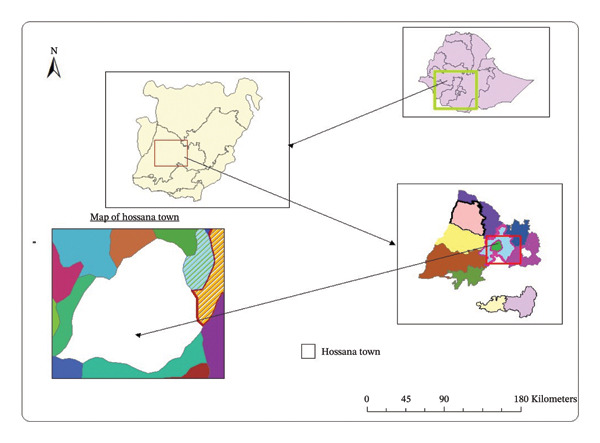 FIGURE 1
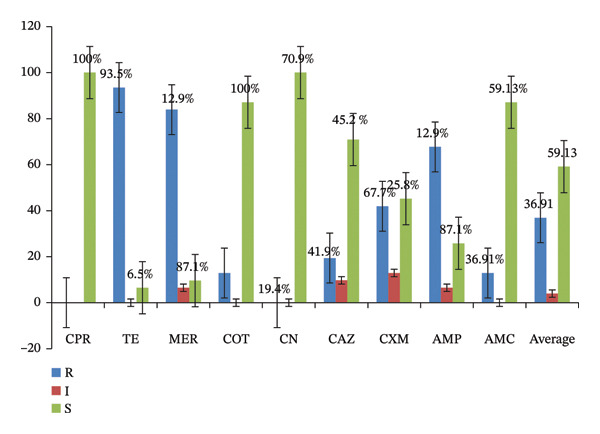 FIGURE 2
| Biochemical tests |
|
|
|
|
|
|
|---|---|---|---|---|---|---|
| Lactose fermentation | − | ± | ± | − | − | − |
| Indole production | − | − | + | ± | ± | − |
| H2S production in TSI | + | ± | − | − | ± | − |
| Lysine decarboxylation | + | − | − | ± | − | + |
| Motility | + | + | + | − | + | + |
| Urease production | − | ± | ± | − | ± | ± |
| Antimicrobial classes | Antimicrobial agents | Disc code | Potency (μg) | Interpretive categories and zone diameter breakpoints in mm | ||
|---|---|---|---|---|---|---|
|
|
|
| ||||
| Penicillin | Ampicillin | AMP | 10 | 13 | 14–16 | 17 |
| Quinolones | Ciprofloxacin | CPR | 5 | 20 | 21–30 | 31 |
| Cephalosporins |
Ceftazidime Cefixime |
CAZ CXM |
30 5 |
17 15 |
18–20 16–18 |
21 19 |
| B‐lactam combination agent | Amoxycillin‐Clavulanic Acid | AMC | 3 | 13 | 14–17 | 18 |
| Tetracycline | Tetracycline | TE | 30 | 11 | 12–14 | 15 |
| Folate‐pathway antagonist | Co‐trimoxazole | COT | 25 | 10 | 11–15 | 16 |
| Aminoglycoside | Gentamicin | CN | 10 | 12 | 13–14 | 15 |
| Variables | Categories | Meat handlers | Total sample tested | Positive | |
|---|---|---|---|---|---|
| Freq. | Per. (%) | ||||
| Gender | Male | 133 | 85.3 | 338 | 27 (7.9) |
| Female | 23 | 14.7 | 32 | 4 (12.5) | |
| Age | ≤ 25 | 39 | 25 | 80 | 9 (11.25) |
| 26–35 | 62 | 39.74 | 164 | 14 (8.5) | |
| 36–45 | 34 | 21.79 | 70 | 3 (4.3) | |
| Above 45 | 21 | 13.46 | 56 | 5 (8.9) | |
| Marital status | Single | 94 | 60.26 | 239 | 17 (7.1) |
| Married | 58 | 37.18 | 121 | 13 (10.1) | |
| Divorced | 4 | 2.56 | 10 | 1 (10.0) | |
| Level of education | Unable to read and write | 10 | 6.41 | 19 | 3 (15.79) |
| Informal education | 15 | 9.62 | 33 | 4 (12.12) | |
| Primary education | 46 | 29.48 | 121 | 14 (11.1) | |
| Secondary education | 60 | 38.46 | 158 | 8 (5.06) | |
| College and above | 25 | 16.03 | 39 | 2 (5.13) | |
| Year of service | Less than 1 year | 21 | 13.46 | 41 | 5 (12.2) |
| 1–2 years | 45 | 28.85 | 112 | 12 (10.7) | |
| 3–5 years | 57 | 36.54 | 142 | 11 (7.7) | |
| More than 5 years | 33 | 21.15 | 75 | 3 (4.0) | |
| Salary in ETB | Less than 3000 | 81 | 51.92 | 194 | 20 (10.3) |
| 3001–6000 | 45 | 28.85 | 104 | 8 (7.7) | |
| Above 6000 | 30 | 19.23 | 72 | 3 (4.2) | |
| Employment status | Contract | 99 | 63.46 | 167 | 12 (7.2) |
| Permanent | 57 | 36.54 | 203 | 19 (9.4) | |
| Source of sample | Type of sample | No. of samples examined | Status of PIISSs ( |
| ||
|---|---|---|---|---|---|---|
| Negative | Positive | |||||
| Abattoir | Meat | Rump | 31 | 30 (96.8) | 1 (3.2) | 0.88 (0.348) |
| Flank | 28 | 26 (92.9) | 2 (7.1) | |||
| Brisket | 21 | 19 (90.5) | 2 (9.5) | |||
| Neck | 30 | 29 (96.7) | 1 (3.3) | |||
| Subtotal | 110 | 104 (94.6) | 6 (5.4) | |||
| Swab | Hand | 15 | 13 (86.7) | 2 (13.3) | ||
| Knife | 19 | 17 (89.5) | 2 (10.5) | |||
| Hook | 12 | 12 (100) | 0 (0) | |||
| Axe/saw | 17 | 15 (88.2) | 2 (11.8) | |||
| Subtotal | 63 | 57 (90.5) | 6 (9.5) | |||
| Total | 173 | 161 (93.1) | 12 (6.9) | |||
| Meat retailer outlets | Meat | Rump | 23 | 21 (91.3) | 2 (8.7) | |
| Flank | 20 | 19 (95.0) | 1 (5.0) | |||
| Brisket | 23 | 22 (95.7) | 1 (4.3) | |||
| Neck | 25 | 21 (84.0) | 4 (16.0) | |||
| Subtotal | 91 | 83 (91.2) | 8 (8.8) | |||
| Swab | Hand | 14 | 11 (78.6) | 3 (21.4) | ||
| Knife | 20 | 19 (95.0) | 1 (5.0) | |||
| Hook | 11 | 11 (100) | 0 (0) | |||
| Axe/saw | 11 | 10 (90.9) | 1 (9.1) | |||
| Cutting board | 27 | 23 (85.2) | 4 (14.8) | |||
| Meat mincing machine | 23 | 21 (91.3) | 2 (8.7) | |||
| Subtotal | 106 | 95 (89.6) | 11 (10.4) | |||
| Total | 197 | 178 (90.4) | 19 (9.6) | |||
| Overall total | 370 | 339 (91.6%) | 31 (8.4%) | |||
| Variables | Categories | Meat handlers | Total sample tested | Positive | COR |
| 95% CI | |
|---|---|---|---|---|---|---|---|---|
| Freq. | Per. (%) | |||||||
| Gender | Male | 133 | 85.3 | 338 | 27 (7.9) | 0.38 | 0.608 | 0.19–1.86 |
| Female | 23 | 14.7 | 32 | 4 (12.5) |
| |||
| Age | ≤ 25 | 39 | 25 | 80 | 9 (11.25) | 1.29 | 0.662 | 0.41–4.09 |
| 26–35 | 62 | 39.74 | 164 | 14 (8.5) | 0.95 | 0.928 | 0.33–2.77 | |
| 36–45 | 34 | 21.79 | 70 | 3 (4.3) | 0.46 | 0.298 | 0.10–2.00 | |
| Above 45 | 21 | 13.46 | 56 | 5 (8.9) |
| |||
| Marital status | Single | 94 | 60.26 | 239 | 17 (7.1) | 0.69 | 0.731 | 0.08–5.77 |
| Married | 58 | 37.18 | 121 | 13 (10.1) | 1.08 | 0.942 | 0.127–9.25 | |
| Divorced | 4 | 2.56 | 10 | 1 (10.0) |
| |||
| Level of education | Unable to read and write | 10 | 6.41 | 19 | 3 (15.79) | 3.5 | 0.195 | 0.53–22.79 |
| Informal education | 15 | 9.62 | 33 | 4 (12.12) | 2.6 | 0.298 | 0.44–14.91 | |
| Primary education | 46 | 29.48 | 121 | 14 (11.1) | 2.4 | 0.257 | 0.53–11.16 | |
| Secondary education | 60 | 38.46 | 158 | 8 (5.06) | 0.9 | 0.987 | 0.20–4.84 | |
| College and above | 25 | 16.03 | 39 | 2 (5.13) |
| |||
| Year of service | Less than 1 year | 21 | 13.46 | 41 | 5 (12.2) | 3.3 | 0.112 | 0.75–14.73 |
| 1–2 years | 45 | 28.85 | 112 | 12 (10.7) | 2.9 | 0.111 | 0.78–10.58 | |
| 3–5 years | 57 | 36.54 | 142 | 11 (7.7) | 2.0 | 0.294 | 0.55–7.46 | |
| More than 5 years | 33 | 21.15 | 75 | 3 (4.0) |
| |||
| Salary in ETB | Less than 3000 | 81 | 51.92 | 194 | 20 (10.3) | 2.64 | 0.126 | 0.76–9.18 |
| 3001–6000 | 45 | 28.85 | 104 | 8 (7.7) | 1.92 | 0.349 | 0.49–7.49 | |
| Above 6000 | 30 | 19.23 | 72 | 3 (4.2) |
| |||
| Employment status | Contract | 99 | 63.46 | 167 | 12 (7.2) | 0.698 | 0.350 | 0.329–1.48 |
| Permanent | 57 | 36.54 | 203 | 19 (9.4) |
| |||
| Variables | Categories | Tested | Positive | COR |
| 95% CI |
|---|---|---|---|---|---|---|
| Knows food safety and hygiene | Yes | 243 | 6 (2.5) |
| ||
| No | 127 | 25 (19.7) | 9.7 |
| 3.85–24.31 | |
| Food safety training | Yes | 248 | 11 (4.4) |
| ||
| No | 122 | 20 (16.4) | 4.2 |
| 1.95–9.14 | |
| Medical checkups | Yes | 250 | 4 (1.6) |
| ||
| No | 120 | 27 (22.5) | 17.9 |
| 6.08–52.41 | |
| Hygiene of food handlers | Poor | 133 | 25 (18.8) | 9.03 |
| 1.18–68.88 |
| Fair | 197 | 5 (2.5) | 1.016 | 0.989 | 0.12–8.94 | |
| Good | 40 | 1 (2.5) |
| |||
| Use of sanitizer | Yes | 203 | 9 (4.4) |
| ||
| No | 167 | 22 (13.2) | 3.3 |
| 1.46–7.31 | |
| Process meat during illness | Yes | 78 | 5 (6.4) | 0.701 | 0.482 | 0.26–1.89 |
| No | 292 | 26 (8.9) |
| |||
| Wash hands with soap | Yes | 263 | 13 (4.9) |
| ||
| No | 107 | 18 (16.8) | 3.9 |
| 1.83–8.26 | |
| Use of protective materials | Yes | 255 | 11 (4.3) |
| ||
| No | 115 | 20 (17.4) | 4.7 |
| 2.15–10.11 | |
| Use of the same equipment for offal and meat processing | Yes | 131 | 19 (14.5) | 3.2 |
| 1.50–6.84 |
| No | 239 | 12 (5.0) |
| |||
| Remove your work equipment during toilet | Yes | 273 | 22 (8.1) |
| ||
| No | 97 | 9 (9.3) | 1.2 | 0.710 | 0.51–2.63 | |
| Variables | Categories | Total sample tested | Positive | COR |
| 95% CI |
|---|---|---|---|---|---|---|
| Get visit from health authority | Yes | 104 | 9 (8.7) |
| ||
| No | 93 | 10 (10.8) | 1.3 | 0.619 | 0.49–3.28 | |
| Have different meat storage cabinets | Yes | 61 | 6 (9.8) |
| ||
| No | 136 | 13 (9.6) | 0.9 | 0.951 | 0.35–2.68 | |
| Clean the meat storage properly | Yes | 135 | 12 (8.9) |
| ||
| No | 62 | 7 (11.3) | 1.3 | 0.597 | 0.49–3.49 | |
| Collect money during meat selling | Yes | 128 | 18 (14.1) | 11.1 | 0.020 | 1.45–85.25 |
| No | 69 | 1 (1.4) |
| |||
| Hygiene of slicing material | Poor | 40 | 11 (27.5) | 23.1 | 0.003 | 2.85–187.88 |
| Fair | 95 | 7 (7.4) | 4.85 | 0.144 | 0.58–40.45 | |
| Good | 62 | 1 (1.6) |
| |||
| Hygiene of cutting board | Poor | 38 | 8 (21.1) | 12.3 | 0.021 | 1.46–103.13 |
| Fair | 112 | 10 (8.9) | 4.5 | 0.157 | 0.56–36.28 | |
| Good | 47 | 1 (2.1) |
| |||
| Use of refrigerator | Yes | 116 | 13 (11.2) |
| ||
| No | 81 | 6 (7.4) | 0.6 | 0.377 | 0.23–1.74 | |
| Presence of flies control | Yes | 82 | 2 (2.4) |
| ||
| No | 115 | 17 (14.8) | 6.9 | 0.011 | 1.56–30.93 | |
| Presence of ventilator | Yes | 110 | 11 (10.0) |
| ||
| No | 87 | 8 (9.2) | 0.9 | 0.849 | 0.35 2.37 | |
| Variables | Categories | Tested | Positive | AOR |
| 95% CI |
|---|---|---|---|---|---|---|
| Level of education | Unable to read and write | 19 | 3 (15.8) | 4.63 | 0.285 | 0.28–76.75 |
| Informal education | 33 | 4 (12.1) | 2.294 | 0.523 | 0.18–29.27 | |
| Primary education | 121 | 14 (11.6) | 5.419 | 0.118 | 0.65–45.05 | |
| Secondary education | 158 | 8 (5.1) | 2.421 | 0.396 | 0.31–18.64 | |
| College and above | 39 | 2 (5.1) |
| |||
| Year of service | Less than 1 year | 41 | 5 (12.2) | 26.39 | 0.015 | 1.87–373.0 |
| 1–2 years | 112 | 10 (8.9) | 24.14 | 0.010 | 2.11–275.6 | |
| 3–5 years | 142 | 13 (9.2) | 18.58 | 0.013 | 1.8–186.8 | |
| More than 5 years | 75 | 3 (4.0) |
| |||
| Salary in ETB | Less than 3000 | 194 | 20 (10.3) | 1.377 | 0.712 | 0.25–7.53 |
| 3001–6000 | 104 | 8 (7.7) | 2.827 | 0.312 | 0.38–21.19 | |
| Above 6000 | 72 | 3 (4.2) |
| |||
| Knows food safety and hygiene | Yes | 243 | 6 (2.5) |
| ||
| No | 127 | 25 (19.7) | 3.236 | 0.116 | 0.75–13.99 | |
| Training on food safety and hygiene | Yes | 248 | 11 (4.4) |
| ||
| No | 122 | 20 (16.4) | 5.993 | 0.002 | 1.96–18.36 | |
| Medical checkups | Yes | 250 | 4 (1.6) |
| ||
| No | 120 | 27 (22.5) | 15.054 | 0.001 | 3.02–74.99 | |
| Hygiene of food handlers | Poor | 133 | 25 (18.8) | 0.614 | 0.482 | 0.028–8.26 |
| Fair | 197 | 5 (2.5) | 0.387 | 0.315 | 0.023–4.32 | |
| Good | 40 | 1 (2.5) |
| |||
| Use of sanitizer | Yes | 203 | 9 (4.4) |
| ||
| No | 167 | 22 (13.2) | 4.290 | 0.012 | 1.38–13.34 | |
| Wash hands with soap | Yes | 263 | 13 (4.9) |
| ||
| No | 107 | 18 (16.8) | 4.769 | 0.007 | 1.54–14.74 | |
| Use of protective clothes | Yes | 255 | 11 (4.3) |
| ||
| No | 115 | 20 (17.4) | 6.045 | 0.002 | 1.98–18.45 | |
| Use of the same equipment for offal and meat processing | Yes | 131 | 19 (14.5) | 3.609 | 0.025 | 1.18–11.08 |
| No | 239 | 12 (5.0) |
| |||
| Variables | Categories | Total sample tested | Positive | AOR |
| 95% CI |
|---|---|---|---|---|---|---|
| Collect money during meat selling | Yes | 128 | 18 (14.1) | 8.9 | 0.040 | 1.10–71.25 |
| No | 69 | 1 (1.4) |
| |||
| Hygiene of slicing material | Poor | 40 | 11 (27.5) | 13.9 | 0.034 | 1.21–159.99 |
| Fair | 95 | 7 (7.4) | 3.1 | 0.333 | 0.316–30.09 | |
| Good | 62 | 1 (1.6) |
| |||
| Hygiene of cutting board | Poor | 38 | 8 (21.1) | 2.4 | 0.510 | 0.18–29.97 |
| Fair | 112 | 10 (8.9) | 2.6 | 0.419 | 0.26–26.03 | |
| Good | 47 | 1 (2.1) |
| |||
| Presence of flies control | Yes | 82 | 2 (2.4) |
| ||
| No | 115 | 17 (14.8) | 5.9 | 0.025 | 1.25–28.26 | |
| Antimicrobial resistance patterns | No. of antimicrobial resistance | No. of antimicrobial classes | No. of isolates |
|---|---|---|---|
| TE | 1 | 1 | 1 |
| CXM‐AMP | 2 | 2 | 1 |
| TE‐AMP | 2 | 2 | 1 |
| TE‐CAZ | 2 | 2 | 1 |
| TE‐COT | 2 | 2 | 1 |
| TE‐CXM | 2 | 2 | 1 |
| TE‐CAZ‐AMP | 3 | 3 | 4 |
| TE‐CXM‐AMP | 3 | 4 | 5 |
| TE‐COT‐CXM | 3 | 4 | 4 |
| TE‐AMP‐CXM‐AMC | 4 | 5 | 5 |
| TE‐CAZ‐CXM‐AMP | 4 | 4 | 2 |
| TE‐COT‐CAZ‐AMP | 4 | 5 | 2 |
| TE‐AMP‐CXM‐AMC‐CAZ | 5 | 5 | 2 |
| TE‐ COT‐CAZ‐CXM‐AMP‐AMC | 6 | 6 | 1 |
Peer Reviews
No public reviews on file for this paper yet. If you reviewed it on a platform where reviews are public (OpenReview, ICLR, NeurIPS, ICML), you can paste yours below so the community can read it here.
Videos
No videos yet. Explain this paper in a talk, walkthrough, or lecture? Add one.
Taxonomy
TopicsSalmonella and Campylobacter epidemiology · Escherichia coli research studies · Food Safety and Hygiene
1. Introduction
Foodborne diseases (FBDs) are illnesses resulting from the consumption of food contaminated with pathogenic microbes, posing a significant public health issue globally, particularly in developing countries [1]. Many individuals suffer from these illnesses due to contaminated food and water, with Salmonella being one of the most common pathogens in animal‐derived foods, leading to thousands of deaths annually [2–5]. It is estimated that Salmonella causes approximately 115 million infections and 370,000 deaths worldwide each year, making it the second most reported foodborne gastrointestinal infection after campylobacteriosis (Qin et al., 2022) [6].
The organism Salmonella was first recognized by Theobald Smith in 1884, and a year later, he and Daniel Elmer Salmon isolated Salmonella choleraesuis from infected pigs [7]. This genus consists of Gram‐negative, facultative anaerobic, non‐spore‐forming bacilli within the Enterobacteriaceae family, with over 2700 serotypes classified into three species: Salmonella bongori, S. subterranean, and S. enterica [8, 9]. Most disease‐causing isolates belong to S. enterica, which is further divided into over 2600 serovars that thrive in the digestive tracts of various food‐producing animals.
In Ethiopia, FBDs are prevalent due to poor food handling practices, inadequate sanitation, weak regulatory systems, and a lack of education among food handlers [2, 10, 11]. Salmonella is one of the most common pathogens in the country and a major cause of foodborne illnesses [12, 13]. The virulence factors of Salmonella play a crucial role in host infection and disease spread, primarily located in chromosomal genes known as Salmonella pathogenicity islands [14].
Meat is a crucial source of high‐quality protein, B vitamins, and essential minerals, significantly contributing to bodily functions and daily activities [15, 16]. However, its nutrient‐rich composition also creates an ideal environment for pathogenic bacteria. Beef, being the third most consumed meat globally, poses particular risks [17]. In Ethiopia, the traditional practice of consuming raw or undercooked meat heightens the risk of foodborne illnesses, particularly from Salmonella, which can contaminate beef at multiple stages from slaughter to retail [18, 19]. Therefore, evaluating meat safety at these critical points is essential for understanding consumer exposure to enteric pathogens and the associated risk of antimicrobial resistance (AMR) [19].
The rise of antibiotic resistance (AR) presents a significant public health threat, primarily driven by the widespread use of antibiotics in agriculture for growth promotion and disease prevention in livestock [20]. This practice has contributed to the emergence of multidrug‐resistant (MDR) strains of Salmonella that are resistant to essential antimicrobials, including third‐generation cephalosporins and fluoroquinolones [21, 22]. While gastrointestinal salmonellosis often resolves without antibiotic treatment, severe cases require immediate intervention, particularly for vulnerable populations such as children and the elderly [23]. The misuse and overuse of antimicrobial agents in both human and veterinary medicine exacerbate the alarming spread of these resistant bacteria through the food supply chain [24, 25].
FBDs have emerged as a major public health and economic concern in the 21st century, affecting about one‐third of the population in developed countries each year and resulting in billions of dollars in healthcare and social costs [26–28]. The incidence of FBDs is increasing globally, particularly in developing nations like Ethiopia, where poor food handling practices, inadequate sanitation, and weak regulatory frameworks prevail. Approximately two million people die each year in developing countries due to foodborne pathogens [24].
AMR is a pressing global issue that significantly impacts public health. It is primarily attributed to the misuse of antibiotics in livestock [29]. Multidrug‐resistant Salmonella poses a substantial public health risk as contaminated food can transmit resistant strains to humans, potentially leading to the accumulation of resistance genes in the human gut microbiota [30, 31]. The latest report examines 208,233 Salmonella genomes collected from 148 countries between 1900 and 2023 to evaluate patterns of AMR. It reveals that chicken‐related serovars and those from environmental sources exhibit higher resistance levels, whereas serovars associated with cattle and pigs are experiencing a decline. The study identifies several factors affecting AMR, including antibiotic usage, agricultural practices, climate conditions, and socioeconomic factors, contributing to the development of a genetic atlas for improved comprehension [32]. Currently, AMR is estimated to cause around 700,000 deaths annually, with projections suggesting this could rise to 10 million by 2050, resulting in economic losses reaching $100 trillion [8].
In Ethiopia, various studies have studied the prevalence and antimicrobial susceptibility of Salmonella in raw beef [11, 33–36]. Additionally, Salmonella isolates exhibited varying occurrence rates and a high level of drug resistance to commonly used antibiotics in the current study area of Hossana Town, obtained from stool specimens of both symptomatic and asymptomatic individuals [37, 38].
While extensive research has been conducted on Salmonella in various food products and other specimens, significant gaps persist, particularly concerning its occurrence and AMR in raw beef and meat contact surfaces in Hossana town. Although some studies have documented the presence of Salmonella in raw meat, there is also a notable lack of data regarding contaminations of meat contact surfaces within local markets and processing facilities. Understanding these contamination points is vital for evaluating food safety risks.
Moreover, limited research has focused on how local meat handling practices influence the occurrence of Salmonella, which is essential for developing effective food safety interventions. To address these gaps, this study aims to assess both the occurrence and AMR of Salmonella in raw beef and on meat contact surfaces in Hossana town’s municipal abattoir and retail outlets. The findings will contribute to improving food safety measures and public health strategies in the study area.
2. Materials and Methods
2.1. Description of Study Area
The study was conducted in the Hossana Town Administration, Hadiya Zone, Central Ethiopia (Figure 1). Hossana Town is located at a distance of 232 km south of Addis Ababa via the main road that connects Alemgena, Butajera, and Sodo towns. The distances from Addis Ababa via the Wolkite and Zeway roads are around 280 and 305 km, respectively. Geographically, it is located at a latitude of 7.58 (7°34′ 60″ N) and a longitude of 37.88 (37°52′ 60″ E), and the altitude of the district ranges from 1600 to 2240 m above sea level. It has a bimodal rainfall pattern (long and short rainy seasons). The short rainy season runs from March to April, whereas the long rainy season lasts from June to September. The average annual rainfall is between 950 and 1200 mm, and the maximum and minimum temperatures are 23°C and 13°C, respectively [39].
Map of the study area (HTAO, 2023).
2.2. Study Samples
The study samples were sourced from seemingly healthy young male bovines (bulls and oxen) brought from various regions of central Ethiopia for slaughter at the municipal abattoir in Hossana Town, as well as from meat handlers at the abattoir and retail outlets. Bovine slaughter that exhibited clinical signs of salmonellosis, along with meat handlers who had communication difficulties due to disabilities or illnesses, and severely ill workers, were excluded from the study.
2.3. Study Design
A cross‐sectional study was conducted from May 2023 to December 2023 to determine the occurrence, associated risk factors, and antimicrobial susceptibility profiles of Salmonella species from raw beef and meat contact surfaces in Hossana town.
2.4. Sample Size Determination and Sampling Techniques
According to the statistical formula given by Thrusfield [40], the sample size (n) was determined by taking 12.5% of the overall prevalence obtained from raw beef and swab samples at the Wolaita Sodo municipal abattoir reported by Wabeto et al. [11], with the assumptions of standard normal deviations (Z _ α/2_ = 1.96) at a 95% confidence interval (CI) and an absolute precision (d) of 0.05% and 10% for the nonresponse rate.
The required sample size (n) was determined using the formula where Z _ α/2_ is the standard normal deviation (1.96) at a 95% confidence level, Ppre is the preceding prevalence, and d is the desired absolute precision. The minimum sample size calculated was 185, accounting for a 10% nonresponse rate, but it was doubled for greater precision, resulting in a total of 370 meat and swab samples from contact surfaces. A simple random sampling method was used to select bulls/oxen at the Hossana municipal abattoir and beef/swab samples from retail outlets. Ultimately, 173 samples (110 beef and 63 swabs) were collected from the abattoir and 197 samples (91 beef and 106 swabs) were collected from retail outlets.
2.5. Methods of Data Collection
Sociodemographic data, hygiene practices of meat handlers, and factors contributing to meat contamination were evaluated using a semi‐structured questionnaire and observation checklists. The questionnaire, adapted from prior research [10, 41–43], included three sections: (I) sociodemographic information of meat handlers; (II) knowledge of food safety and hygiene; and (III) potential risk factors for Salmonella contamination in meat and contact surfaces. Respondents were randomly selected, primarily from meat retailers due to the limited number of abattoirs in the area. Bulls or oxen were chosen randomly during ante‐mortem inspections, and samples were collected from both abattoir and retail outlets. Workers at these locations were also randomly selected for interviews, and with their consent, meat and swab samples were collected.
2.6. Sample Collection and Transportation
Meat and contact surface samples were collected and transported according to ISO‐17604 guideline [44]. Fresh meat samples were taken immediately after processing in the abattoir and within 3 hours of arrival at retail outlets. Sampling focused on areas prone to contamination during slaughter, including the rump, flank, brisket, and neck, using sterile aluminum foil templates (10 × 10 cm). A sterile cotton swab, presoaked in buffered peptone water (BPW), was used to swab the designated areas both horizontally and vertically. Approximately 25 g of fresh beef was then placed in a sterile bottle with BPW, with the swab left inside after breaking the shaft.
In addition, swabs were taken from meat contact surfaces such as knives, handlers’ hands, and hooks, axes, cutting boards, and mincing machines, using BPW‐moistened cotton swabs. All samples were labeled with collection details and transported in an ice box to Wachemo University Medical Microbiology Laboratory within 4 hours for bacteriological analysis, phenotypic characterization, and antimicrobial susceptibility testing (AST). Upon arrival, samples were refrigerated at 4°C until analysis if there is delayed before processing.
2.7. Bacteriological Isolation of Salmonella
2.7.1. Pre‐Enrichment in Nonselective Broth
Salmonella was isolated according to the microbiology of the food chain; horizontal methods for the detection of Salmonella [44]. The preparations of meat and swab samples, and the routine isolation of Salmonella in the laboratory, were carried out in accordance with the procedures of the International Organization for Standardization [44]. The swab samples were pre‐enriched with an appropriate amount of BPW and incubated at 37°C for 24 h. Briefly, 25 g of each beef sample was weighed, cut into small pieces with different sterile scalpel surgical blades, and transferred aseptically into a sterile conical flask containing 225 mL of sterile BPW as a pre‐enrichment medium, then homogenized by using a vortex mixer for 2 min. The pre‐enriched samples were then incubated at 37°C for 18–24 h [44].
2.7.2. Enrichment in Selective Broth Media
Selective enrichment media, namely Rappaport‐Vassiliadis Soy (RVS) broth (Himedia, India‐M880‐500G), was used for all beef and swap samples to inhibit microorganisms such as nontarget Gram‐positive bacteria and coliforms, and allow rapid duplication of Salmonella. After pre‐enrichment in BPW, 0.1 mL (100 μL) of the pre‐enrichment culture was transferred aseptically with the help of a sterile micro‐pipette into 10 mL of RVS broths and incubated at 42°C for 24 h [44].
2.7.3. Selective Plating Out and Isolation
The selective solid media, Salmonella‐Shigella Agar (SSA) (Accumix®, India‐AM5093‐500G) plates were used for plating and isolation purposes. A loop full of inoculums from RVS broth was transferred and streaked onto the surface of SSA plates, and the plates were incubated aerobically at 37°C for 18–24 h. After incubation, the plates were examined for the presence of characteristics associated with Salmonella colonies. A single positive colony showing characteristics of Salmonella colonies on SSA was subcultured on nutrient agar (NA) (HKM‐HCM007‐500G) and incubated at 37°C for 18–24 h. Further, a discrete colony from NA was subcultured on nutrient broth (NB) (Accumix®, India‐AM5077‐500G) and incubated at 37°C for 18–24 h. Thereafter, the suspected isolates of Salmonella spp. were preserved in 30% bacterial glycerol stock and kept at −20°C until biochemical characterization [44].
2.7.4. Biochemical Characterization of Suspected Isolates of Salmonella Species
The biochemical characterization of the suspected Salmonella spp. was performed by different biochemical tests, and the results were interpreted according to the guidelines of the International Organization for Standardization [44]. Bacterial isolates from glycerol stock were refreshed on NA, and their biochemical characteristics were determined by using a triple sugar iron agar (TSIA) test (HKM, China‐HCM014‐500G), decarboxylase Test (HIMEDIA, India, M912‐500G), a motility test (Accumix®, India, 201130590‐500G), sulfide, indole, motility (SIM) test (HKM, China‐026051‐500G), and the urease test (Oxoid, England, CM0053‐500G). A brief interpretation of the biochemical tests used for identifying Salmonella isolates and related bacterial isolates is provided below (Table 1).
2.7.5. AST
AST of phenotypically characterized Salmonella isolates was performed using the Kirby–Bauer disk diffusion method on Muller‐Hinton agar, following Hudzicki [45] and interpreted according to Clinical and Laboratory Standard Institute (CLSI) (2020) guideline. Antibiotics were chosen due to their importance to public health and their frequent use in treating Salmonella infections in Ethiopia, in accordance with the CLSI [46] guideline. This selection includes eight antimicrobials from seven different classes: ampicillin, cefixime, ciprofloxacin, ceftazidime, amoxicillin‐clavulanic acid, tetracycline, gentamicin, and co‐trimoxazole. After incubation, the inhibition zones were measured to determine sensitivity (S), intermediate resistance (I), or resistance (R). Isolates resistant to three or more antibiotic classes were classified as MDR [47] (Table 2).
2.7.6. Laboratory Quality Control (QC)
The reliability of the study findings was ensured by implementing QC measures throughout the laboratory process. All materials, equipment, and procedures were rigorously monitored, and each procedure was conducted aseptically. The quality of the culture media, Gram stain, and antimicrobial discs was verified using standardized reference strains of Salmonella typhimurium ATCC 14028 and Escherichia coli ATCC 25922, in accordance with CLSI guidelines. To standardize the inoculum density for the susceptibility test, a turbidity standard equivalent to a 0.5 McFarland standard was utilized according to the CLSI [46] guideline.
2.7.7. Data Management and Statistical Analysis
The study’s data, including laboratory findings, underwent a thorough verification, coding, and organization process. Statistical analyses were conducted using SPSS Version 2020, beginning with descriptive analysis to assess sociodemographic distributions. To explore the relationships between independent and dependent variables, both bivariate and multivariable logistic regression analyses were employed. Initially, univariable logistic regression was performed to calculate crude odds ratios and associated p values for the identified associations. Independent variables that yielded p values below 0.25 were subsequently analyzed in a multivariable model to control for potential confounders and pinpoint significant risk factors. The evaluation of significant associations was based on adjusted odds ratios (AOR) along with 95% CI and p values, with a significance level set at p < 0.05.
3. Results
3.1. Sociodemographic Characteristics of Meat Handlers
According to the sociodemographic data collected from workers at abattoir and meat retailer outlets in the Hossana town, 85.3% of the respondents were men, and 39.74% of them were in the 26–35 age range. Of the participants, the workers with secondary education made up the majority (38.46%). The majority (36.54%) of the workers had work experience between 3 and 5 years. On the other hand, the majority of employees (51.92%) at meat retailer outlets and abattoir earned less than 3000 birr per month, and 63.46% of respondents had contract employment status (Table 3).
3.2. Isolation and Occurrence of Salmonella
A total of 57 Salmonella suspected colorless/transparent colonies with or without black centers Salmonella‐Shigella Agar were obtained from 370 raw beef and swab samples. Among the 57 presumptively identified isolates of Salmonella spp., 31 (8.4%) (95% CI: 5.2–12.2) isolates showed typical characteristics of Salmonella spp. based on various biochemical tests. Out of them, 12 (6.9%) and 19 (9.6%) were isolated from slaughterhouse and meat retailer outlets, respectively (Table 4).
3.3. Factors Associated With the Occurrence of Salmonella Species
3.3.1. Potential Risk Factors Associated With Beef Contamination
In univariable logistic regression, several factors were significantly associated with Salmonella spp. occurrence (p ≤ 0.25): education level (COR = 3.5), years of service (COR = 3.3), salary of meat handlers (COR = 2.64), food safety knowledge (COR = 9.7), food safety training (COR = 4.2), recent medical checkups (COR = 17.9), hand sanitizer use (COR = 3.3), handwashing (COR = 3.9), protective gear use (COR = 4.7), shared equipment for offal and meat (COR = 3.2), money handling during sales (COR = 11.1), hygiene of slicing materials (COR = 23.1), cutting board hygiene (COR = 12.3), and fly control measures (COR = 6.9) (Tables 5, 6, 7).
The multivariable logistic regression analysis revealed several significant factors linked to the presence of Salmonella spp. in abattoirs and meat retail establishments. These factors include having less than 1 year of service (AOR = 26.386, p ≤ 0.015), lack of food safety and hygiene training (AOR = 5.993, p ≤ 0.002), not undergoing medical checkups in the past 6 months (AOR = 15.054, p ≤ 0.001), failure to use sanitizer (AOR = 4.290, p ≤ 0.012), not washing hands with soap before and after meat processing (AOR = 4.769, p ≤ 0.007), absence of protective gear (AOR = 6.045, p ≤ 0.002), and using the same equipment for processing offal and meat (AOR = 3.609, p ≤ 0.025). All associations were statistically significant at p ≤ 0.05 (Table 8).
In addition, the multivariable logistic regression analysis revealed significant factors associated to the presence of Salmonella spp. at meat retailer outlets. These include collect money during meat selling (AOR = 8.9, p ≤ 0.040), lack of hygiene of slicing material (AOR = 13.9, p ≤ 0.034), and absence of flies control at meat retailer outlets (AOR = 5.9, p ≤ 0.025) were significantly associated with the occurrence of Salmonella isolates (Table 9).
3.3.2. AST
The in vitro antibiotic sensitivity tests for Salmonella spp. isolates showed varying sensitivity levels from 6.5% to 100%. Among the 31 isolates, 93.5%, 67.7%, and 41.9% exhibited resistance to tetracycline, ampicillin, and cefixime, respectively. In contrast, ciprofloxacin and gentamicin demonstrated full susceptibility (100%), with amoxicillin‐clavulanic acid, co‐trimoxazole, and ceftazidime showing sensitivities of 87.1%, 83.9%, and 70.9%, respectively (Figure 2).
Antimicrobial susceptibility test results of isolates of Salmonella spp. CPR = ciprofloxacin, TE = tetracycline, COT = co‐trimoxazole, CN = gentamicin, CAZ = ceftazidime, CXM = cefixime, AMP = ampicillin, AMC = amoxycillin‐clavulanic acid, R = resistant, I = intermediate, and S = susceptible.
The isolates that exhibited resistance to three or more different classes of antimicrobial agents were regarded as MDR [48]. In this investigation, all of the 31 isolates of Salmonella spp. (100%) were resistant to at least one antibiotic, and 25 isolates showed multidrug resistance, yielding a high rate of 80.65% ((Table 10).
4. Discussion
The study found an overall Salmonella spp. occurrence of 8.4% (95% CI: 5.2–12.2) using conventional culture methods, comparable to previous studies in Jimma, Ethiopia (11.3%) by Takele et al. [49], Saudi Arabia (8.5%) by Bahnass et al. [50], and Central India (6%) by Kalambhe et al. [51], but higher than those studies in Dire Dawa (2.75%) by Mengistu et al. [52], Addis Abeba (3.7%) by Ketema et al. [53], and Hawassa (4.1%) by Worku et al. [19]. In contrast, studies from Ghana (30%) by Ekli et al. [54] and Wolaita Sodo (12.5%) by Wabeto et al. [11] reported higher occurrence rates. Supporting these findings, a recent analysis of 208,233 Salmonella genomes from 148 countries between 1900 and 2023 highlights that AMR levels also vary geographically, influenced by factors such as location, source, and serovar [32].
The observed differences in Salmonella spp. occurrence, with 6.9% in abattoirs and 9.6% in retail outlets, may be primarily attributed to variations in sanitation and hygiene practices between these environments; specifically, the higher contamination rates on contact surfaces—54.8% overall, with the most significant contamination found in hand swabs (21.4%) and cutting boards (14.8%) at retail outlets—suggest poor hygiene practices during meat handling in retail settings contribute significantly to the increased risk of Salmonella presence [33].
Of the 31 isolates, 14/31 (45.2%) came from raw beef, with brisket and flank samples showing 9.5% and 7.1% occurrence at abattoir, respectively. Neck and rump samples had higher contamination rates of 16.0% and 8.7% at Meat Retailer Outlets. The observed contamination rates among the 31 isolates from raw beef, with brisket and flank showing lower occurrences (9.5% and 7.1%) compared to neck and rump (16.0% and 8.7%), can be attributed to several factors related to the anatomy and handling of the meat. Cuts like the neck and rump may be more susceptible to bacterial contamination due to their proximity to areas with higher microbial loads, such as the gastrointestinal tract, during processing. Additionally, these cuts may undergo different handling practices that increase exposure to contaminants, including greater contact with surfaces or tools that are not adequately sanitized. The brisket and flank, while still at risk, may have less exposure due to their anatomical positioning and the way they are processed, leading to comparatively lower contamination rates.
To lower contamination rates in beef, especially in cuts such as neck and rump that exhibit elevated bacterial levels, various strategies can be applied across the supply chain. Primarily, it is essential to improve hygiene practices during slaughter and processing, which involves thoroughly sanitizing tools and surfaces and ensuring that workers follow stringent personal hygiene protocols [55]. Additionally, the significant difference in Salmonella prevalence between abattoirs and meat retail outlets can be linked to cross‐contamination that occurs during loading and transportation in open vehicles, along with inadequate hygiene practices at retail sites. Factors such as the rehandling of meat, contaminated clothing, and exposure to environmental contaminants like flies and dust further elevate the risks associated with Salmonella [10, 56].
Variations in sampling methodologies and environmental conditions also contribute to discrepancies in prevalence rates [11, 19, 49]. A multivariable logistic analysis indicated that meat handlers with less than 1 year of experience were 26 times more likely to contaminate meat with Salmonella compared to more experienced handlers. Additionally, those without prior food safety training were nearly six times more prone to contamination [57, 58]. Overall, training is crucial for improving food handlers’ awareness of hygiene and safe handling practices, thereby reducing the risk of Salmonella contamination [41, 59].
The study’s finding that the isolation rate of Salmonella spp. was 15 times greater in abattoirs and meat retail outlets without recent medical checkups for food handlers underscores the critical importance of health monitoring in preventing foodborne illnesses. This correlation aligns with research by Azanaw et al. [60], Chekol et al. [61], and Teferi et al. [42], which collectively indicate that the lack of regular medical assessments significantly increases the risk of microbial contamination in the food processing chain. Without these health evaluations, asymptomatic carriers of Salmonella may remain undetected, facilitating the transmission of pathogens through direct contact with food or surfaces. Furthermore, food handlers who do not undergo routine checkups may lack awareness of proper hygiene practices, leading to unsafe handling and increased contamination risks. This evidence highlights the necessity for implementing mandatory health screenings and training programs for food handlers to enhance food safety protocols and ultimately protect consumer health.
Furthermore, Salmonella isolation was 4.29 times higher in outlets where handlers did not use sanitizer for cleaning hands and utensils, supporting Ansari‐Lari et al. [58], who emphasized handwashing as critical for preventing cross‐contamination. The likelihood of Salmonella presence was 4.8 times greater when handlers did not wash hands with soap before and after meat handling, consistent with findings from Ntanga et al. [62] and Geresu and Desta [34].
Teferi et al. [42] noted that wearing protective clothing reduces cross‐contamination risks. The current study showed a significant correlation between the absence of protective clothing and higher Salmonella isolation rates in raw beef and meat contact surfaces, with six times greater risk for those not wearing protective apparel, corroborating Chepkemoi et al. [63] and Geresu and Desta [34].
Additionally, using the same equipment for meat and offal processing was linked to higher Salmonella isolation rates. The study also revealed a significant correlation between Salmonella contamination and beef handled by workers collecting money during sales; samples from these workers had nearly nine times greater chance of contamination than those who did not handle money, supporting Teferi et al. [42] and Geresu and Desta [34].
Poor hygiene of slicing materials in meat retail establishments was found to be nearly 14 times more likely to result in Salmonella spp. isolation compared to those with fair or good hygiene. Additionally, the absence of fly control in these outlets significantly increased Salmonella contamination rates on beef and meat contact surfaces, with a nearly sixfold higher likelihood of contamination in outlets lacking fly control. This finding aligns with the study reported by, which indicates the rehandling of meat, contaminated clothing, and exposure to environmental contaminants like flies and dust, which further elevate the chances of Salmonella contamination [10, 56].
The resistance rate of Salmonella spp. to tetracycline was notably high at 93.5%, which is in line with previous study finding 83.9% reported by Wabeto et al. [11] and contrasting with lower rates of 9.52%, 40.50%, and 32.1% reported by Alemu et al. [33], Takele et al. [49], and Garedew et al. [56], respectively. This high resistance may be due to the widespread use of tetracycline in veterinary medicine (Xu et al., 2020) [64], leading to increased resistance [65]. The local community’s high usage of this drug, facilitated by its accessibility, further contributes to this issue [34]. The recent research on 208,233 Salmonella genomes from 148 countries between 1900 and 2023 to investigate the global occurrence and AMR patterns also reveal that AMR levels vary geographically based on location, source, and serovar [32].
The ampicillin resistance rate of 67.7% observed in this study is lower than the 100% reported by Geresu et al. [10], indicating potential differences in local bacterial populations or antibiotic usage, while still being higher than several other studies, suggesting variability in resistance patterns across different regions or settings. Sensitivity to amoxicillin‐clavulanic acid was recorded at 87.1%, which is lower than the findings of Alemu et al. [33] but higher than other reports from Ethiopia, reflecting regional differences in resistance mechanisms. Additionally, co‐trimoxazole sensitivity at 83.9% and ceftazidime sensitivity at 70.9% were both lower than some previous findings, highlighting ongoing challenges in managing AR and the need for continuous monitoring of resistance trends to inform effective treatment strategies.
The highest susceptibility observed was 100% for both ciprofloxacin and gentamicin. The susceptibility rate for ciprofloxacin in this study aligns with earlier research conducted in Ethiopia, which reported rates between 86% and 100%. Similarly, the susceptibility rate for gentamicin in similar previous studies ranged from 55.4% to 100% [11, 35, 41, 49]. Inconsistent AMR levels across different regions may stem from variations in sample sizes, bacterial strains, and the inappropriate use of antimicrobials in livestock, which increases selection pressure for resistant genes.
The variation in the multidrug resistance rate of Salmonella spp. can largely be attributed to the use of antimicrobial agents in food animals, which are often administered as growth promoters, at sub‐therapeutic levels, or as preventative doses. This practice has been shown to foster the emergence of antimicrobial‐resistant strains on farms, thereby heightening the risks to human health associated with the consumption of contaminated meat products (Tan et al., 2019) [32, 66, 67].
The emergence and spread of antibiotic‐resistant bacteria to the human population can be traced back to the use of antibiotics in livestock for both therapeutic purposes and as growth enhancers [68]. The development of multiple antibiotic resistances (MARs) among these isolates poses a significant concern, as it complicates the treatment of invasive salmonellosis. The notable increase in AMR observed in Salmonella spp. is likely reflective of their extensive use in both veterinary and public health practices in Ethiopia [35, 66]. This situation underscores the urgent need for stricter regulations on antibiotic use in agriculture and enhanced monitoring of AMR patterns to safeguard public health.
The widespread use of antibiotics in livestock for both treatment and growth promotion is a critical public health concern, particularly in Ethiopia, where it has been linked to the emergence and spread of antibiotic‐resistant bacteria, including Salmonella spp. [68]. This practice not only facilitates the development of MAR among these pathogens but also poses significant challenges for treating invasive salmonellosis in humans, as conventional antibiotics become less effective against these resistant strains [35, 66]. The extensive reliance on antibiotics in the veterinary sector, often driven by limited regulatory oversight and inadequate knowledge among farmers regarding responsible use, exacerbates the problem. As resistant bacteria can be transmitted to humans through contaminated food, direct contact with animals, or environmental exposure, the public health implications are profound, leading to increased morbidity, longer hospital stays, and higher healthcare costs. This situation underscores the urgent need for comprehensive strategies that include improved antibiotic stewardship, enhanced surveillance of resistance patterns, and education initiatives aimed at promoting responsible antibiotic use in both agricultural and healthcare settings.
5. Limitations of the Study
Due to resource constraints, we were unable to confirm the Salmonella isolates by using molecular techniques. Understanding of specific serotypes prevalent in the region is crucial, especially since only a few are zoonotic and responsible for foodborne illnesses in humans. However, we could not characterize the Salmonella isolates at serotype level. These shortcomings impede a thorough understanding of Salmonella epidemiology in the current study region and highlight the necessity for more extensive serotyping and molecular confirmation in future studies.
6. Conclusions
The study revealed an 8.4% occurrence of Salmonella isolates among sampled population, indicating a notable public health concern. Several key risk factors contributing to this occurrence were identified, including insufficient job training, lack of routine medical check‐ups, inadequate hand hygiene, and minimal use of protective clothing, unsanitary slicing equipment, and lack of hygiene of slicing material, and absence of flies control at meat retailer outlets highlighting the necessity for targeted interventions. The isolates demonstrated complete susceptibility to ciprofloxacin and gentamicin, but alarmingly showed a 93.5% resistance to tetracycline, emphasizing the need for effective antibiotic stewardship and monitoring practices in the meat supply chain. Additionally, it is recommended to implementing introduction of training programs for food handlers focused on hygiene practices, the implementation of mandatory health check‐ups for food handlers, the enforcement of personal protective equipment usage, the execution of regular hygiene audits in food establishments, and the initiation of public awareness campaigns regarding safe food handling to mitigate Salmonella risks.
NomenclatureAMRAntimicrobial ResistanceAORAdjusted Odds RatioCIConfidence IntervalWCUWachemo University
Author Contributions
Assefa Alemu and Galana Abaya developed the study design. The study was conducted and data were collected by Assefa Alemu, Galana Abaya, and Girma Godebo. Data analysis and manuscript drafting were carried out by Assefa Alemu, Galana Abaya, Girma Godebo, and Abdulhakim Mussema. All authors contributed to critical reviews.
Funding
This study was conducted without any financial support.
Disclosure
All the authors approved the final manuscript version.
Ethics Statement
The protocol received approval from the review committee of Wachemo University, College of Natural and Computational Sciences. All study participants were informed about the research’s purpose and objectives, and each provided written informed consent.
Consent
Please see the Ethics Statement.
Conflicts of Interest
The authors declare no conflicts of interest.
The reference list from the paper itself. Each links out to its DOI / PubMed record.
- 1Gazu L. , Alonso S. , Mutua F. et al., Foodborne Disease Hazards and Burden in Ethiopia: A Systematic Literature Review, 1990–2019, Frontiers in Sustainable Food Systems. (2023) 7, 1–14, 10.3389/fsufs.2023.1058977. · doi ↗
- 2Mohammed Y. and Dubie T. , Isolation, Identification and Antimicrobial Susceptibility Profile of Salmonella Isolated From Poultry Farms in Addis Ababa, Ethiopia, Veterinary Medicine and Science. (2022) 8, no. 3, 1166–1173, 10.1002/vms 3.762.35182459 PMC 9122394 · doi ↗ · pubmed ↗
- 3Khan M. A. S. and Rahman S. R. , Use of Phages to Treat Antimicrobial-Resistant Salmonella Infections in Poultry, Veterinary Sciences. (2022) 9, no. 8, 1–20, 10.3390/vetsci 9080438.PMC 941651136006353 · doi ↗ · pubmed ↗
- 4Rortana C. , Nguyen-Viet H. , Tum S. et al., Prevalence of Salmonella spp. and Staphylococcus aureus in Chicken Meat and Pork From Cambodian Markets, Pathogens. (2021) 10, no. 5, 1–17, 10.3390/pathogens 10050556.PMC 814785534064354 · doi ↗ · pubmed ↗
- 5Ferrari R. G. , Rosario D. K. , Cunha-Neto A. , Mano S. B. , Figueiredo E. E. , and Conte-Junior C. A. , Worldwide Epidemiology of Salmonella Serovars in Animal-Based Foods: A Meta-Analysis, Applied and Environmental Microbiology. (2019) 85, no. 14, 1–21, 10.1128/aem.00591-19, 2-s 2.0-85069264166.PMC 660686931053586 · doi ↗ · pubmed ↗
- 6European Food Safety Authority and European Centre for Disease Prevention and Control (ECDC) , The European Union One Health 2020 Zoonoses Report, EFSA Journal. (2021) 19, no. 12, 1–324, 10.2903/j.efsa.2021.6971.PMC 962444736329690 · doi ↗ · pubmed ↗
- 7Salmon D. E. and Smith T. , The Bacterium of Swine Plague, American monthly microscopicaljournal. (1886) 7.
- 8Soubeiga A. P. , Kpoda D. S. , Compaoré M. K. et al., Molecular Characterization and the Antimicrobial Resistance Profile of Salmonella spp. Isolated From Ready-to-Eat Foods in Ouagadougou, Burkina Faso, International Journal of Microbiology. (2022) 2022, 1–10, 10.1155/2022/9640828.PMC 966844236406904 · doi ↗ · pubmed ↗