Mapping the evidence on outcomes of childhood out-of-home care: A scoping review of reviews
Richmond Opoku, Natasha Judd, Katie Cresswell, Michael Parker, Michaela James, Jonathan Scourfield, Karen Hughes, Jane Noyes, Dan Bristow, Evangelos Kontopantelis, Sinead Brophy, Natasha Kennedy, Janna Metzler, Mary Diane Clark, Mary Diane Clark, Mary Diane Clark

TL;DR
This paper reviews existing research on the outcomes of children in out-of-home care to identify patterns, gaps, and future research priorities.
Contribution
The study provides a comprehensive scoping review of reviews to map evidence on outcomes for children in out-of-home care.
Findings
Research is concentrated on health and emotional wellbeing and living standards, but identity and civic participation outcomes are underreported.
System-level factors like care quality are most frequently studied, while community-level factors are underrepresented.
Future research should focus on underexplored domains like identity and indicators such as bullying and educational readiness.
Abstract
Children placed in out-of-home care in high-income countries face complex challenges due to exposure to adverse childhood experiences and systemic disadvantages. While research on their outcomes has grown, the evidence base remains fragmented. An overview of review-level evidence was conducted to identify patterns, gaps, and priorities for future research and practice. A scoping review of reviews was conducted. Peer-reviewed review articles published between January 2013 and July 2024 were identified through searches in databases including EBSCOhost, ProQuest, Cochrane Database of Systematic Reviews, and Epistemonikos. Eligible reviews focused on childhood out-of-home care experience and reported outcomes for care-experienced individuals (assessed either in childhood or adulthood) and/or associated factors. Outcomes were categorised under the following domains: Health and Emotional…
Genes, proteins, chemicals, diseases, species, mutations and cell lines named across the full text — each resolved to its canonical identifier and authoritative record.
Click any figure to enlarge with its caption.
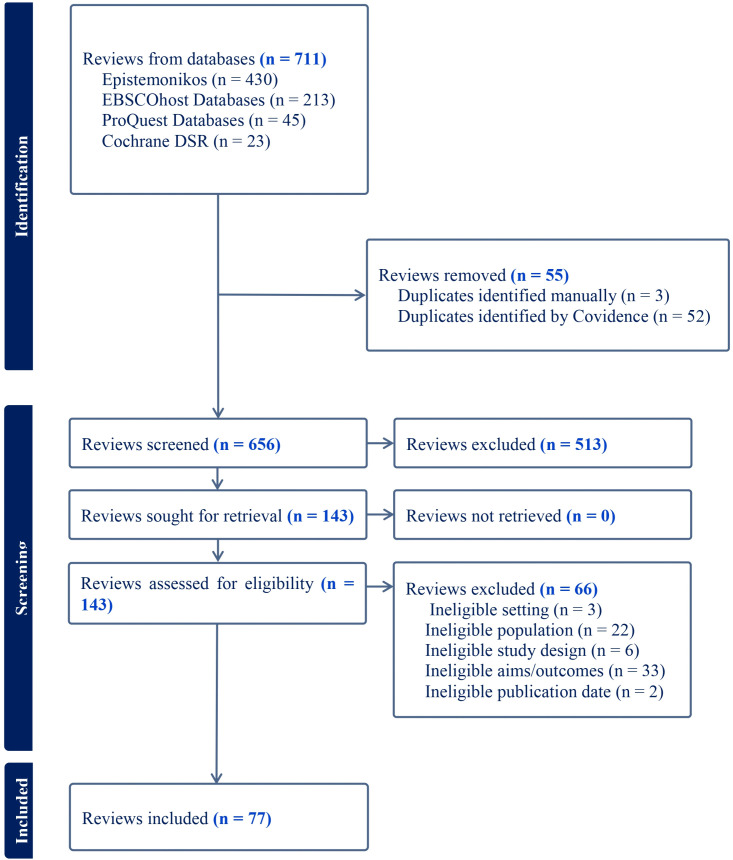 Fig 1
Fig 1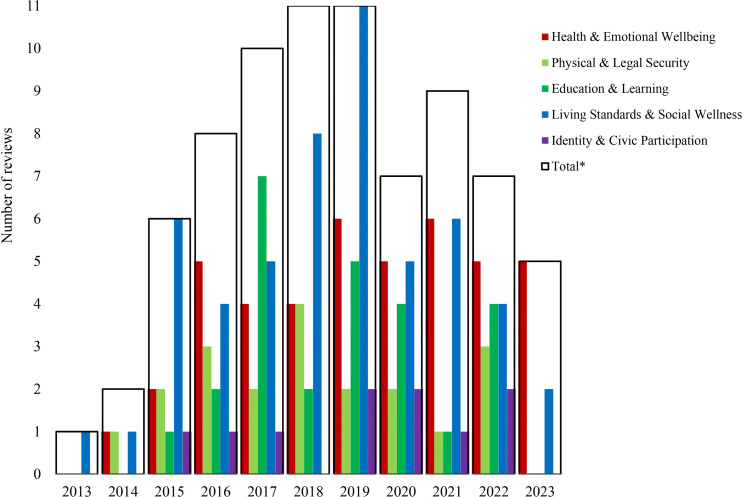 Fig 2
Fig 2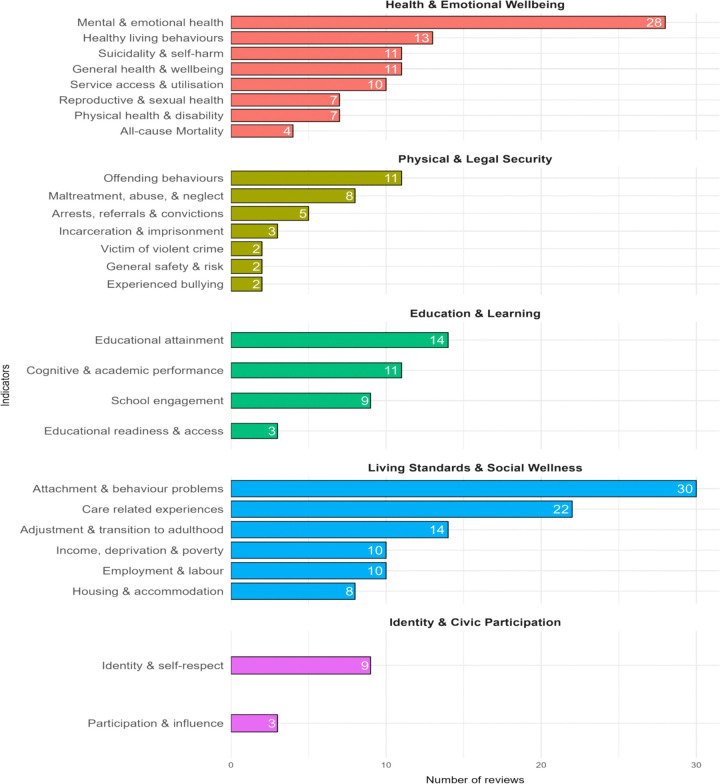 Fig 3
Fig 3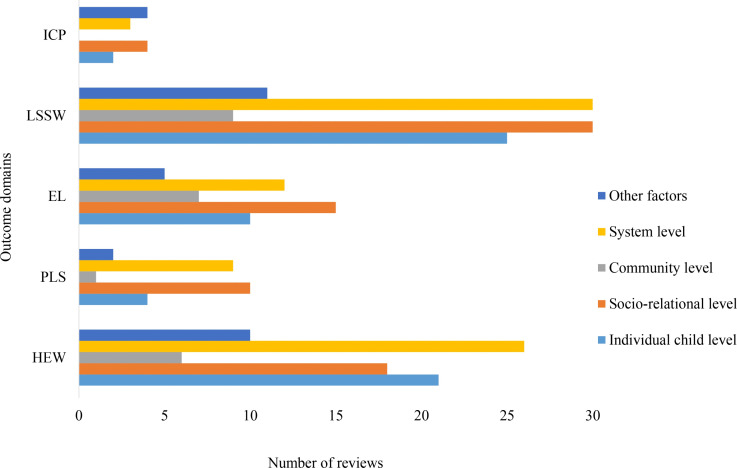 Fig 4
Fig 4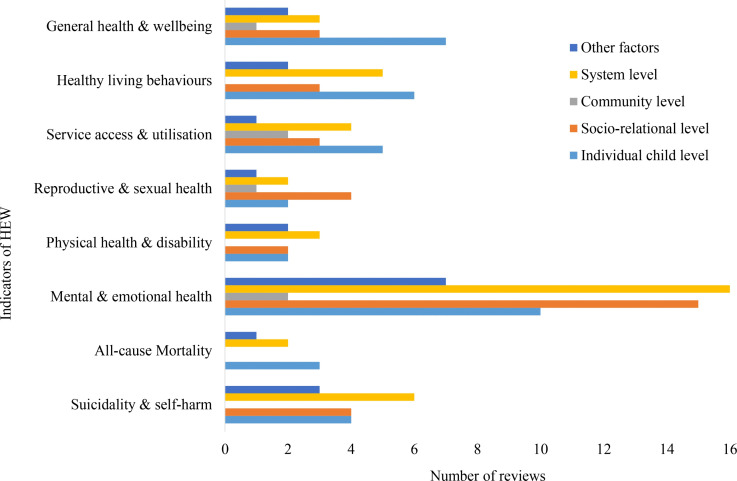 Fig 5
Fig 5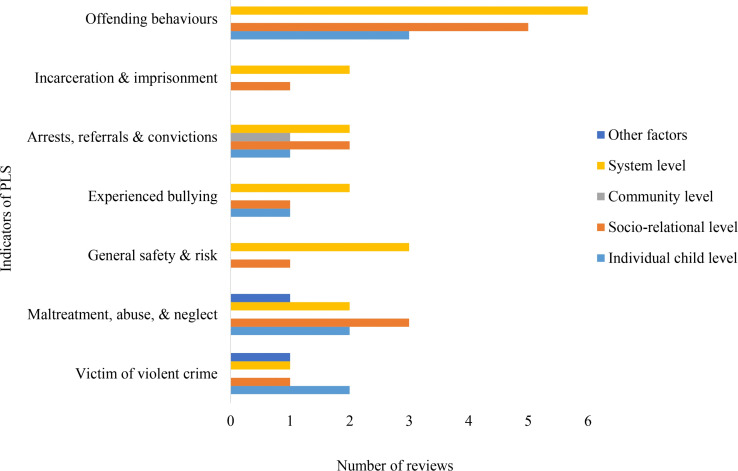 Fig 6
Fig 6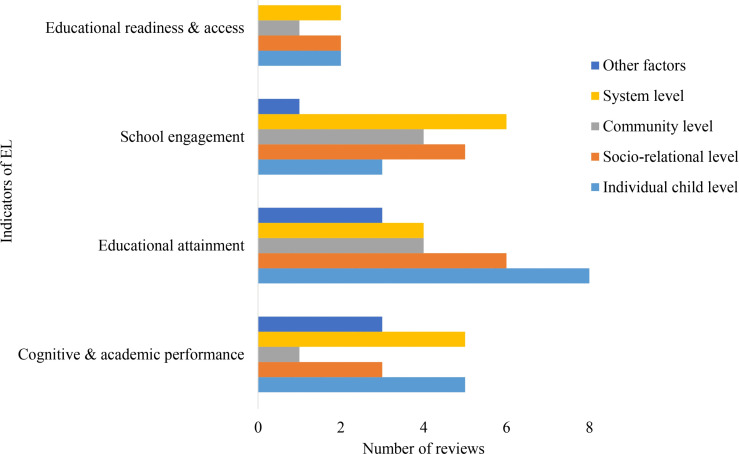 Fig 7
Fig 7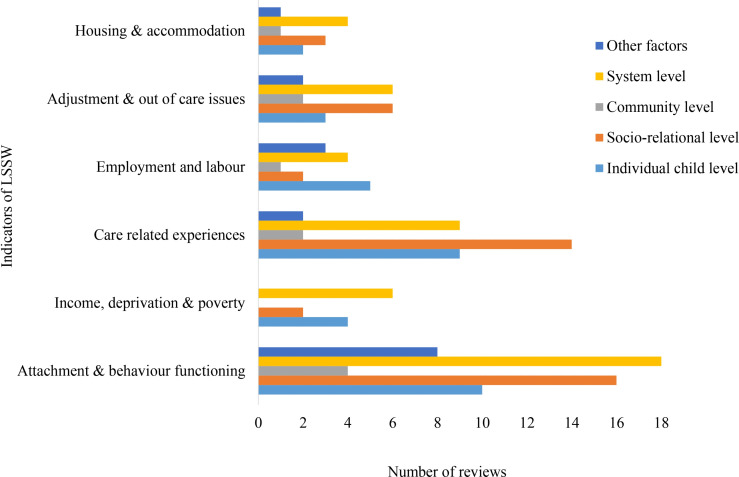 Fig 8
Fig 8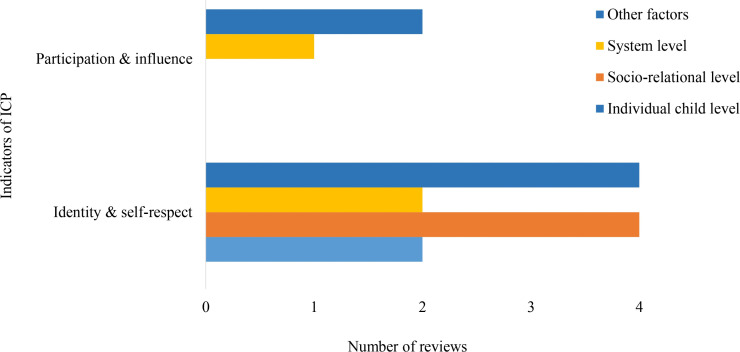 Fig 9
Fig 9- —http://dx.doi.org/10.13039/501100000272National Institute for Health and Care Research
- —Administrative Data Research, UK
Peer Reviews
No public reviews on file for this paper yet. If you reviewed it on a platform where reviews are public (OpenReview, ICLR, NeurIPS, ICML), you can paste yours below so the community can read it here.
Videos
No videos yet. Explain this paper in a talk, walkthrough, or lecture? Add one.
Taxonomy
TopicsChild Welfare and Adoption · Child Abuse and Trauma · Early Childhood Education and Development
Background
In most high-income countries, current laws and policies emphasise placing children who cannot remain with their parents into out-of-home care (OHC), with a preference for placements with extended family members or close family friends (kinship care) [1–3]. We define out-of-home care (OHC) as any short- or long-term alternative living arrangement for children who can no longer live with their parents due to safety or welfare concerns. Some argue that kinship care arrangements are associated with better developmental outcomes compared to placements in unrelated foster care or institutional settings [4,5]. However, children in any form of OHC remain a particularly vulnerable group, with complex needs and facing numerous challenges. These challenges often stem from adverse childhood experiences (e.g., abuse and neglect) and systemic disadvantages encountered prior to, during, and sometimes after their time in care [4,6–10].
Over the past decades, increasing attention has been given to the experiences and outcomes of children in OHC, reflected in a growing body of research, including several literature reviews [e.g., 11–16]. These reviews synthesise evidence across diverse contexts, but the research landscape remains fragmented, with studies varying in focus and methodological approach. With this in mind, a comprehensive map of studied outcomes and their associated factors would provide a clearer understanding of the breadth of available evidence, help identify gaps, and highlight priority areas for future research and intervention. Accordingly, the research question guiding this study was: what outcomes of out-of-home care (OHC) have been examined in existing reviews, and what factors have been studied in relation to these outcomes?.
Materials and methods
Review design
A scoping review of reviews was determined to be the most suitable approach for capturing the breadth of this extensive research area, systematically mapping the existing evidence, and identifying gaps in the literature. The protocol for the review is available at https://doi.org/10.17605/OSF.IO/G7D5J. We followed the six stages recommended by Arksey and O’Malley [17] and used the principles of Framework synthesis [18] for extracting relevant data. Reporting followed the Preferred Reporting Items for Systematic Reviews and Meta-Analyses (PRISMA) extension for scoping reviews [19].
Search strategy
A search of academic databases was conducted to identify peer-reviewed review articles. The databases included EBSCOhost (searching MEDLINE, APA PsycArticles, APA PsycInfo, Education Research Complete, and CINAHL Ultimate), ProQuest (covering ASSIA, Criminal Justice Database, Education Database, and Social Science Database), Cochrane Database of Systematic Reviews, and Epistemonikos. The initial search strategy was developed by R.O. and underwent iterative refinement following inputs from J.N., K.H., S.B., and Patient and Public Involvement (PPI) participants. The full search strategy and the procedures to select studies are described in a related review of reviews [20].
Eligibility criteria
A review was included if it met the following criteria:
Reported any outcome(s) for individuals placed in OHC during childhood (i.e., under 18 years of age), assessed either in childhood or adulthood, and/or associated factors.Included quantitative, qualitative, or mixed-methods studies with a documented search strategy.Published from January 2013 to July 2024, available in full-text and written in English.Focused on global or high-income country contexts. The decision to focus on high-income countries was based on the following considerations:
- These countries are more likely to have established and formalised systems of fostering, kinship, and residential care, offering a clearer basis for cross-study comparisons.
- The review aimed to inform policy and research priorities within high-income contexts.
A review was excluded if it:
Focused exclusively on children with learning disabilities, those in inpatient psychiatric care, young offender institutions, adoption, or specialist centres for mothers and children. These contexts often involve distinct care pathways, interventions, and outcome profiles that differ meaningfully from the broader looked-after population, and were thus beyond the scope of this review.Was non-empirical or exclusively focused on literature from low- and middle-income countries or postgraduate theses, books, or grey literature.
Charting the data
Data extraction was carried out independently by three reviewers (R.O., K.C., and N.J.), while two supervising reviewers (M.J. and S.B.) verified the extracted data to minimise errors. The following information was collected from each included review: author, year of publication, title, type of review, number and type of included studies, countries covered by the included studies, review time frame, population, analytical approach, aims/objectives, findings on factors associated with care entry, review authors’ interpretations, and quality assessments of the included studies. It is common practice in studies mapping evidence on broad topics to limit data extraction to the abstract section [21–25]. However, data extraction for this review was extended to include the full text to minimise the risk of underestimating the number of reviews reporting relevant outcomes and factors [26].
Collating, summarising, and reporting results
The large volume of records, combined with the broad scope of the topic and diverse outcome measures, makes synthesising and reporting specific findings impractical [25,26]. However, a descriptive analysis of study characteristics and outcome categories enabled a comprehensive mapping the literature. One reviewer (R.O.) categorised the outcomes of children in care using the domains and indicators of the Equality Measurement Framework (EMF), developed by the UK Equality and Human Rights Commission [27]. Adaptations were made to account for the EMF not being specifically designed for children in OHC. Some domains were merged, while additional indicators emerged from the data, resulting in the five outcome domains described in Table 1. Details on the development of outcome categories are available in S1 Table. Additionally, factors were categorised using the modified ecological model [7] as: individual child level (child characteristics), socio-relational level (family, peers, and carer relationships), community level (schools, neighbourhoods, and local environments), system level (services, policies, and organisational practices), and other factors (influences not captured by the preceding levels, such as study characteristics in meta-analyses). The term “factor(s)” is used broadly to encompass what influences outcomes – both risk and protective factors. The inclusion of factors was not limited to variables with statistically significant associations with the outcomes but also included themes identified in reviews that synthesised qualitative data.
Table 1: Categorisation of outcome domains and indicators.
We treated outcomes and factors as non-mutually exclusive analytical categories. Thus, whenever a review covered multiple outcomes or factors, it was assigned to all of them rather than just one. Each review was examined in full, and outcomes/factors were assigned whenever a review contained explicit material relevant to that category (e.g., reported outcomes, statistical associations, or qualitative themes). A single review could therefore contribute to multiple outcomes or factors, resulting in counts that legitimately exceed the number of included reviews. Coding occurred in two stages. First, R.O. mapped all reported outcomes and factors to the adapted EMF domains and ecological levels using a rule-based decision protocol (i.e., assignment only when directly supported by review content). Second, N.J. independently audited the outcome/factor assignments for consistency, conceptual accuracy, and adherence to coding rules. This procedure ensured that mapping reflected the full scope of each review rather than forcing reviews into a single dominant category.
Public involvement
The review of reviews was undertaken with contributions from the Welsh National Centre for Population Health and Wellbeing Research public and patient involvement (PPI) group at multiple stages, including grant development, review conduct, and interpretation of results. This engagement helped to ensure that the research questions, methodological approach, and interpretation of findings were grounded in and informed by the lived experiences of individuals affected by the child welfare system. Public involvement activities focused on two principal stakeholder groups: children and young people aged 15–25 with care experience, engaged through CASCADE Voices, a research advisory group for care-experienced young people, and parents with experience of having a child removed from their care.
Results
Review selection and characteristics
Fig 1 presents detailed data on the review selection process. Of the 711 references initially imported, 656 were screened by title and abstract, leading to 143 full-text assessments. Finally, 77 reviews met the eligibility criteria for inclusion. Among these reviews, 55 (71.4%) were systematic reviews [11,12,16, 28–72], of which 17 incorporated a meta-analysis [5,16,58,60–67,73–78]. Six (7.8%) were scoping reviews [13,14,79–82], and 16 (20.8%) were other review types [15,83–97]. The reviews included primary studies from at least 48 countries, with most conducted in the USA, followed by the UK, Canada, Australia, and Sweden. The primary studies spanned the years 1972–2022. Over 60% of the reviews assessed either the risk of bias or the quality of the included primary studies. The full characteristics of the included reviews are presented in Table 2.
Table 2: Characteristics of included reviews.
PRISMA flow diagram illustrating the review selection process.
Patterns in OHC outcomes reported in the included reviews
Publication activity on OHC outcomes increased over time before declining in recent years (Fig 2). Living Standards and Social Wellness was the most frequently reported outcome domain, while Identity and Civic Participation and Physical and Legal Security were least reported. Health and Emotional Wellbeing showed a steady level of research activity across the period, and Education and Learning gained attention from around 2017, followed by more modest levels afterward.
*Trends in the number of review studies on outcomes for children in OHC (2013–2023).Since reviews within the same year may cover multiple outcomes, a single review could be counted in several categories, resulting in totals that exceed the number of reviews.
The distribution of reviews across outcome indicators shows clear differences in research attention across domains (Fig 3). Within Health and Emotional Wellbeing, mental and emotional health received the greatest focus, while outcomes such as mortality were least examined. In Physical and Legal Security, research centred mainly on offending behaviours, with limited attention to victimisation, safety, and bullying. For Education and Learning, educational attainment dominated the evidence base, whereas readiness and access were less explored. In Living Standards and Social Wellness, attachment and behaviour functioning received the most attention, while housing outcomes were less frequently examined. Within Identity and Civic Participation, identity and self-respect were more commonly reported than participation and influence. Overall, these patterns point to strong concentration on mental health and attachment, alongside gaps in areas such as bullying, mortality, and early educational processes
Number of reviews across outcome domains and indicators.
Factors associated with the outcomes of OHC
Factors reported across outcome domains.
Across outcome domains, risk and protective factors were most often reported at the system, socio-relational, and individual child levels (Fig 4). For Health and Emotional Wellbeing, system-level influences were most prominent, followed by individual and socio-relational factors. Physical and Legal Security outcomes were mainly linked to socio-relational and system-level factors, with fewer references to individual child influences. For Education and Learning, socio-relational factors were most frequently reported, followed by system-level and individual factors. Living Standards and Social Wellness showed strong emphasis on both system-level and socio-relational influences, with individual-level factors also commonly reported. For Identity and Civic Participation, socio-relational and other contextual factors were most often cited, with fewer system-level and individual-level influences.
Frequency of factor reporting across outcome domains.
Health and emotional wellbeing
Within the Health and Emotional Wellbeing domain, most outcome indicators were primarily discussed in relation to system-level and individual child-level factors, with socio-relational influences also reported for several indicators (Fig 5). Mental and emotional health was mostly linked to system and socio-relational factors, while suicidality and self-harm were mainly discussed in relation to system-level influences. Mortality outcomes were largely examined through individual child-level factors, with little attention to social or community factors. Physical health and disability were also mainly linked to system-level factors. Reproductive and sexual health outcomes were most often related to socio-relational influences, while service access, healthy living behaviours, and general health were primarily associated with individual and system-level factors. Across all indicators, community-level influences were least examined, indicating a consistent gap in the evidence base.
Distribution of Health and Emotional Wellbeing indicators across factor level.
Physical and legal security
Within the Physical and Legal Security domain, several outcome indicators were not examined across all factor levels, and community-level influences were largely absent (Fig 6). Victimisation was mainly discussed in relation to individual child-level factors, while maltreatment and neglect were most often linked to socio-relational influences, with additional attention to individual and system-level factors. General safety and bullying were primarily examined through system-level perspectives. Arrests, referrals, and convictions were discussed in relation to both system-level and socio-relational factors, while incarceration and imprisonment were mainly linked to system-level influences. Offending behaviours were most often associated with system-level and socio-relational factors. Overall, these patterns show a strong emphasis on formal systems and close relationships, with minimal attention to broader community contexts.
Distribution of Physical and Legal Security indicators across factor levels.
Education and learning
Within the Education and Learning domain, most outcome indicators were examined across multiple factor levels, with the exception of educational readiness and access, which was not linked to other contextual factors (Fig 7). Educational attainment was primarily discussed in relation to individual child and socio-relational influences, while cognitive and academic performance was commonly linked to both individual and system-level factors. School engagement was most often associated with system-level and socio-relational influences. Educational readiness and access was discussed in relation to individual, socio-relational, and system-level factors, but not in relation to other contextual influences. Overall, these patterns indicate that education outcomes in OHC are shaped mainly by individual, relational, and system-level factors, with limited attention to wider contextual influences.
Distribution of Education and Learning indicators across factor levels.
Living standards and social wellness
Within the Living Standards and Social Wellness domain, most outcome indicators were discussed across individual, socio-relational, and system-level factors, while certain indicators showed limited links to broader contexts (Fig 8). Attachment and behaviour functioning were mainly examined in relation to system-level and socio-relational influences, with less attention to community-level factors. Income, deprivation, and poverty were mostly linked to system-level and individual child-level factors. Care-related experiences were primarily associated with socio-relational influences, while employment and labour outcomes were mainly discussed in relation to individual and system-level factors. Adjustment and out-of-care outcomes were examined in relation to both system-level and socio-relational influences. Housing and accommodation were most often linked to system-level factors. Across indicators, community-level and other contextual influences were rarely examined.
Distribution of Living Standards and Social Wellness indicators across factor levels.
Identity and civic participation
Within the Identity and Civic Participation domain, community-level influences were not reported for any outcome indicators (Fig 9). Identity and self-respect were mainly discussed in relation to socio-relational and other contextual factors, with less attention to system-level and individual child-level influences. Participation and influence were examined only in relation to other contextual and system-level factors. Overall, this domain shows a narrow range of factor-level associations and limited coverage of broader social environments.
Distribution of Identity and Civic Participation indicators across factor levels.
Discussion
This scoping review of 77 reviews identified for the first time critical patterns across domains of Health and Emotional Wellbeing, Physical and Legal Security, Education and Learning, Living Standards and Social Wellness, and Identity and Civic Participation, offering valuable insights into the factors reported in relation to these outcomes with the potential to inform future efforts. The novel findings show that research is concentrated in the Living Standards and Social Wellness and Health and Emotional Wellbeing domains, with fewer reviews on Identity and Civic Participation and Physical and Legal Security. Most factors were reported at the system, socio relational, and individual child levels, while community level influences were least reported. Viewed within the wider OHC context, these findings show that research attention mirrors long standing priorities in practice, including emotional wellbeing, behaviour, and placement experiences. Areas related to identity, participation, and community conditions have received relatively less focus, although they are important for long term stability and belonging. This suggests that current knowledge may not capture the full range of experiences that shape outcomes for children in OHC.
Patterns and gaps in research focus
This evidence map demonstrates a concentration of research efforts on specific of care-experienced individuals, particularly Living Standards and Social Wellness and Health and Emotional Wellbeing, both of which are closely tied to children’s immediate and long-term quality of life [13,37]. The consistent volume of research in these areas may reflect their prioritisation in policy and practice. However, Identity and Civic Participation emerged as the least reported domain, with far fewer reviews addressing outcomes about identity development, self-respect, influence and community participation. This disparity might suggest a critical gap in primary research, particularly given the importance of identity development and civic participation in fostering a sense of belonging and resilience among care-experienced children and young people [15]. Research on indicators often reflected uneven attention across domains. For example, within Health and Emotional Wellbeing, substantial emphasis was found on mental and emotional health, while indicators such as all-cause mortality had received little attention. A similar pattern was observed in Physical and Legal Security, where offending behaviours were well documented, whereas indicators such as bullying and being a victim of violent crime were relatively underrepresented. These patterns suggest a need for more balanced research efforts to ensure that less reported but equally critical aspects of children’s experiences are adequately addressed.
The review highlighted the prominence of system level factors (e.g., placement types and care quality) across all outcome domains. These factors were most frequently reported in relation to indicators such as attachment and behaviour functioning, as well as mental and emotional health. This finding aligns with a previous correlates review [98], highlighting the significant role of system and carer-related factors, particularly their impact on placement stability and behaviour of children in out-of-home care (OHC). However, while system-level factors were well-represented, community factors were minimally reported across all outcome domains. This gap may point to an unmet need for research exploring the influence of community-level factors such as neighbourhood characteristics in influencing outcomes of children in OHC.
The findings of this review of reviews also highlight the consistent reporting of socio-relational factors across several outcome indicators. Supportive social relationships with family and peers often act as protective factors, showing the value of maintaining family ties and supportive relationships for care-experienced children [43,55,70,96]. Nonetheless, the underrepresentation of socio-relational factors in domains such as Identity and Civic Participation and Legal and Physical Security points to potential areas for further exploration.
Strengths and limitations
This review represents a comprehensive analysis of review-level evidence, providing an overview of outcomes and associated factors for children in OHC. By extracting data from full texts rather than just abstracts, this study minimised the risk of missing relevant outcomes and factors. The involvement of care-experienced people in the study strengthened the review by incorporating diverse perspectives in refining the search strategy and contextualising findings [99]. However, limitations include the variability in methodological approaches and scope across the included reviews, which may affect the generalisability of some findings. The reliance on descriptive analysis, while useful for mapping the evidence base, limits the depth of the review’s conclusions. Nonetheless, the data and specific factor-outcome relationships are provided as a resource for stakeholders seeking evidence on factors influencing outcomes for children in OHC (see S2 File). It is worth noting that some included reviews [44,61,66,75,78] did not report moderating variables influencing outcomes but focused solely on outcomes for children following placement in OHC. These reviews typically compared children in OHC with those in the general population, offering limited insight into factors shaping various outcomes within the care-experienced group.
Future directions
Future research should aim to address the identified gaps by focusing on underexplored domains, such as Identity and Civic Participation and indicators including bullying, mortality, and educational readiness. Policymakers, practitioners, and researchers should collaborate to ensure that commissioning and evaluation frameworks place greater emphasis on community-level influences which were minimally reported across reviews despite their potential relevance to outcomes for children in OHC. Methodologies such as participatory research, involving care-experienced children and young people, can provide deeper insights into their lived experiences and priorities.
Conclusion
This review of reviews highlights significant patterns and gaps in the research on outcomes for children in OHC. We have not presented a synthesis of results on the direction or strength of associations and therefore are not making claims about causality. However, the paper does present a comprehensive overview of risk and protective factors and outcomes that have been measured to date. These are aspects that professionals should be aware of in their practice and consider in their assessments and ongoing progress monitoring of children and their families. Where evidence gaps exist, services should consider collecting high-quality data routinely, for example, by asking children and young people about their civic participation and developing identities. Such routine data could then be analysed through collaboration with researchers.
Supporting information
S1 TableDevelopment of outcome domains and indicators.(DOCX)
S2 FileFactors reviewed on various outcome indicators.(XLSX)
S3 TablePRISMA checklist extension for scoping reviews.(DOCX)
The reference list from the paper itself. Each links out to its DOI / PubMed record.
- 1Welsh Government. Social Services and Well-being (Wales) Act 2014. Welsh Government. 2014. https://www.legislation.gov.uk/anaw/2014/4/contents
- 2European Commission. European Child Guarantee. 2021. https://ec.europa.eu/social/main.jsp?cat Id=1428&lang Id=en
- 3Congressional Research Service. Child welfare: State plan requirements under the Title IV-E foster care, adoption assistance, and kinship guardianship assistance program. 2014. https://crsreports.congress.gov/product/pdf/R/R 42794
- 4Leloux-Opmeer H, Kuiper C, Swaab H, Scholte E. Characteristics of Children in Foster Care, Family-Style Group Care, and Residential Care: A Scoping Review. J Child Fam Stud. 2016;25:2357–71. doi: 10.1007/s 10826-016-0418-5 27440989 PMC 4933723 · doi ↗ · pubmed ↗
- 5Hassall A, Janse van Rensburg E, Trew S, Hawes DJ, Pasalich DS. Does Kinship vs. Foster Care Better Promote Connectedness? A Systematic Review and Meta-Analysis. Clin Child Fam Psychol Rev. 2021;24(4):813–32. doi: 10.1007/s 10567-021-00352-6 34114134 · doi ↗ · pubmed ↗
- 6Bai R, Collins C, Fischer R, Groza V, Yang L. Exploring the association between housing insecurity and child welfare involvement: A systematic review. Child Adolesc Soc Work J. 2020.
- 7Semanchin Jones A, La Liberte T. Risk and Protective Factors of Foster Care Reentry: An Examination of the Literature. Journal of Public Child Welfare. 2017;11(4–5):516–45. doi: 10.1080/15548732.2017.1357668 · doi ↗
- 8Jäggi L, Jaramillo J, Drazdowski TK, Seker S. Child welfare involvement and adjustment among care alumni and their children: A systematic review of risk and protective factors. Child Abuse Negl. 2022;131:105776. doi: 10.1016/j.chiabu.2022.105776 35785678 PMC 10026938 · doi ↗ · pubmed ↗