FROM SALTWATER TO LAND: BIRD ASSEMBLAGES AND NEW RECORDS IN THE SOUTHERN ANSENUZA WETLAND
Gabriel Barco, Ezequiel Vivas, Adrian Díaz, David L. Vergara-Tabares

TL;DR
This study examines bird diversity in a South American wetland, finding it serves as a key refuge for migratory birds and highlighting the need for conservation.
Contribution
The study identifies new bird records and evaluates the wetland's role as a migratory hub using environmental and citizen science data.
Findings
Bird communities differ significantly among environments (R = 0.66, p = 0.001).
The terrestrial environment hosts the highest species richness (53%).
Twenty-four new bird species were recorded in the past 10 years.
Abstract
Wetlands are ecosystems of critical importance for human health and well-being. Despite this, they remain undervalued and face significant conservation challenges. Birds are a distinctive taxonomic group in these environments contributing substantially to ecosystem function. In the continental interior of South America, the Dulce River marshes and Mar de Ansenuza Lake form an extensive wetland of international importance, particularly for migratory birds. We propose to analyze bird communities composition in relation to environmental heterogeneity in the southern sector of the Ansenuza lake and assess whether the wetland functions as a relevant point for vagrant birds. We used presence–absence data of birds across various environments, combining field observations with historical citizen science records, to conduct dissimilarity analyses and hierarchical clustering based on average…
Genes, proteins, chemicals, diseases, species, mutations and cell lines named across the full text — each resolved to its canonical identifier and authoritative record.
Click any figure to enlarge with its caption.
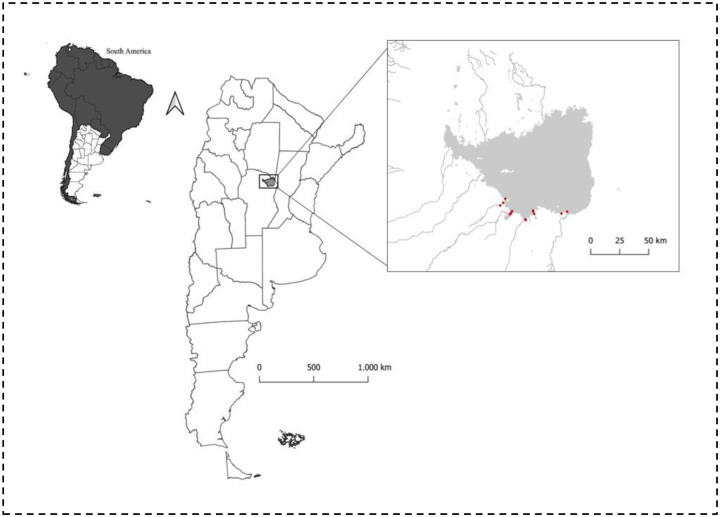 Figure 1
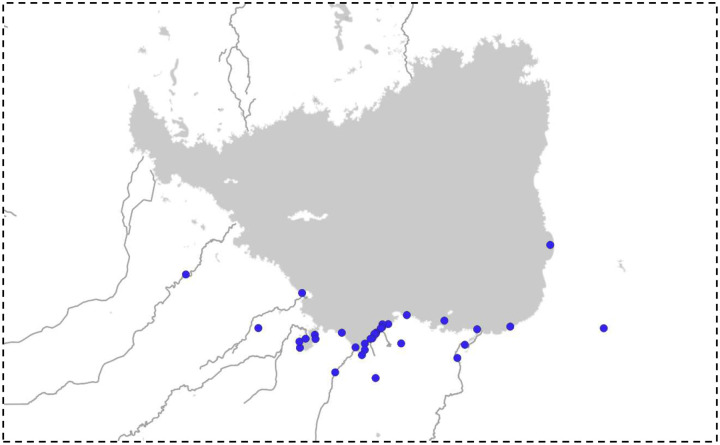 Figure 2
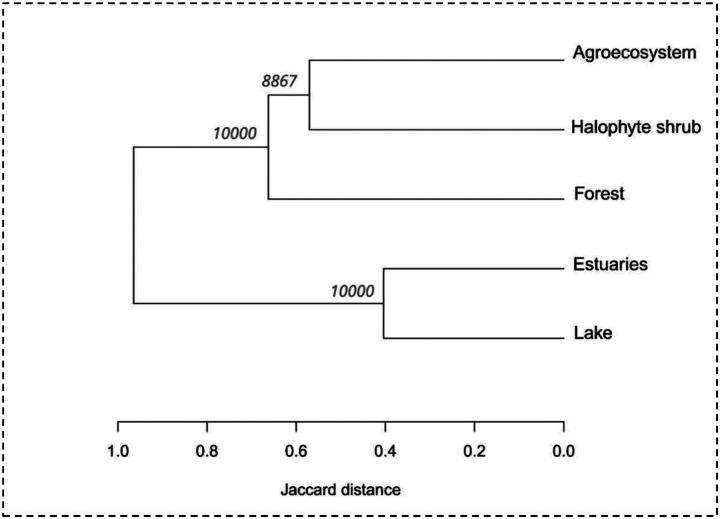 Figure 3
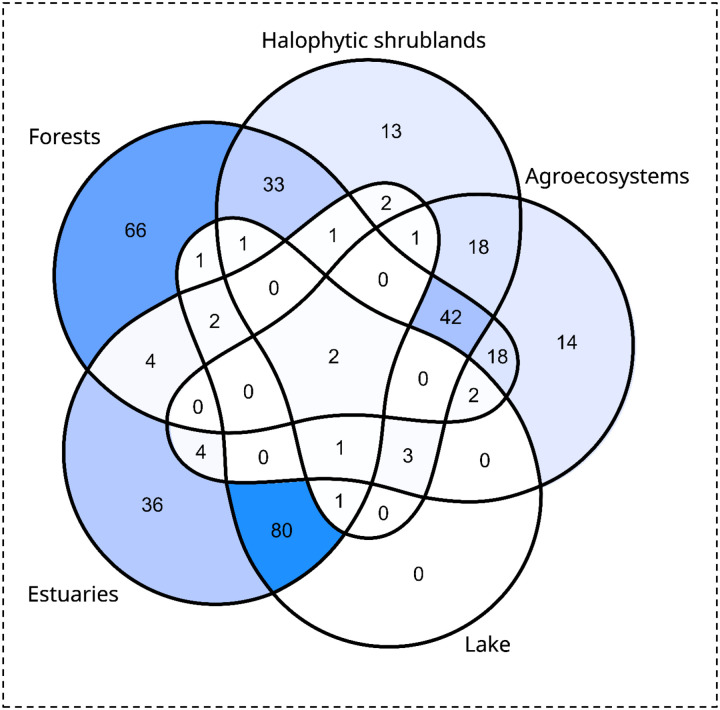 Figure 4
Peer Reviews
No public reviews on file for this paper yet. If you reviewed it on a platform where reviews are public (OpenReview, ICLR, NeurIPS, ICML), you can paste yours below so the community can read it here.
Videos
No videos yet. Explain this paper in a talk, walkthrough, or lecture? Add one.
Taxonomy
TopicsAvian ecology and behavior · Species Distribution and Climate Change · Ecology and Vegetation Dynamics Studies
Introduction
Wetlands are ecosystems found worldwide, characterized by the presence of water, either temporarily or permanently (Ramsar 2018). These ecosystems play a crucial role in human health and well-being (Maltby and Acreman 2011). They provide a wide range of benefits, including water retention and release for consumption and irrigation, carbon sequestration and storage, food security, medicinal resources, and aesthetic, cultural, and social values (Wenny et al. 2011; Xu et al. 2020). Despite these significant contributions, most studies agree that wetlands are undervalued and face serious conservation challenges. In particular, salt lakes are among the most threatened wetlands globally (Moomaw et al. 2018; Davidson et al. 2019). These ecosystems are increasingly affected by climate change, pollution, watershed canalization, water depletion, and the expansion of agricultural and urban areas (Jellison et al. 2008; Saccò et al. 2021).
Birds are a distinctive taxonomic group within the rich biodiversity that wetlands support, characterized by their richness and abundance. Approximately 10% of global bird species depend on these environments at some stage of their life cycle (Williamson et al. 2013; Rannestad et al. 2015). Birds also contribute significantly to ecosystem services, benefiting both wetlands and human communities. Their roles include nutrient cycling, stimulating primary production, pest control, plant dispersal, promoting ecotourism, and providing cultural and artistic value, among others (Green and Elmberg 2014). In addition, birds often may respond to environmental changes and presence of disturbance sources (Frota et al. 2022; Taft et al. 2002). Assessing bird richness and diversity in these ecosystems is essential for evaluating their health and conservation status (Dunn et al. 2006).
In South America, wetlands listed as Wetlands of International Importance cover 3.2% of the continent’s surface area (Ramsar 2023). In the interior of the continent, at temperate latitudes, Dulce River marshes and Mar de Ansenuza Lake (MLA) form a vast wetland ecosystem spanning 9,960 km^2^. This site serves as a crucial convergence point for birds from various migratory routes across the Americas (Acosta et al. 2006). The lake is primarily fed with fresh water from the north by the Dulce River and its marshes and from the south by the Suquía and Xanaes Rivers (Fig. 1). It is known that at the mouths of these rivers, the transition from fresh water to salt water creates estuaries that promote the highest concentration of biodiversity in the entire wetland (Bucher 2019; Nores 2024).
Due to the annual gathering of more than 500,000 shorebirds, this wetland is recognized as a key site for the conservation of avian diversity, particularly migratory species. It has been designated a Hemispheric Bird Site by the Western Hemisphere Shorebird Reserve Network, an Important Bird Area by BirdLife International (Torres and Michelutti 2007), and part of the vast territory was declared National Park in 2022. Historical records of documented population counts of 42,800 juvenile and 100,000 adult Phoenicopterus chilensis, 250,000 Phalaropus tricolor, and over 300,000 Egretta thula individuals (Torres and Michelutti 2006). The region also is one of the most important wintering areas for Phoenicoparrus jamesi and Phoenicoparrus andinus during their winter migration (Derlindati et al. 2024). These facts highlight the importance of the site for waterbirds conservation but the biodiversity of the surrounding environments remains understudied.
In recent decades, most avian studies at this site have focused exclusively on aquatic communities, leaving significant knowledge gaps regarding bird assemblages in other environments. Descriptions of bird assemblages along different environments associated with Ansenuza wetland are basic information needed to guide and contribute for conservation planning. Here, we propose to analyze bird communities composition and how these assemblages are associated with respect to the environmental heterogeneity. Using our own field data together with records from the eBird citizen science platform, we aim to describe bird assemblages across different environments, assess their similarities, and identify records of vagrant species.
Materials and methods
Study area
2.1.
The study area is located in the southern sector of Ansenuza Lake, in northeastern Córdoba Province, Argentina (30°54’S, 62°45’W). The wetland landscape is composed of various environmental units, including patches of agricultural and livestock fields, forests, halophytic shrublands, steppes, flooded savannas, and aquatic environments (Menghi 2006). From a physiognomic-floristic perspective, the dominant vegetation in this region consists of Prosopis nigra and Prosopis alba forests, with Aspidosperma quebracho-blanco, forming part of the “Sclerophyllous Forest with Prosopis nigra and Prosopis alba” vegetation unit within the Phytogeographic Province of Espinal (Oyarzabal et al. 2018). Currently, the area is almost entirely deforested, with only small fragments of the original forest remaining. These forest remnants are associated with elevated soils at the extreme end of a soil salinity gradient, transitioning into marshy ecotones dominated by halophytic shrublands before reaching the lake’s coastline (Bucher et al. 2006). The terrain elevation ranges from 60 to 80 m above sea level. Annual precipitation varies between 800 and 900 mm, primarily concentrated in the summer months. The mean annual temperature is 19°C, with an average maximum of 32°C in January and a minimum of 3.5°C in July (Bucher 2019).
Bird surveys and data compilation
2.2.
We selected five gradient areas, each separated by a minimum of 8 km. Within each area, we established point counts across three distinct environments: forest, halophytic shrubland, and coastal zones. In forest and halophytic shrublands, we established 16 fixed-radius observation points (30 m) systematically distributed at least 200 m apart, totaling 80 point counts per environment. In aquatic environments, we conducted four observation points, each covering a 300-meter stretch of coastline, resulting in a total surveyed length of 3.6 km. During the early morning hours, we recorded all birds detected by sight and sound over a 10-minute period at each point (Ralph et al. 1998). Surveys were conducted in 2023 during autumn and summer. Additionally, to compile a comprehensive bird species list for the southern sector of the region, we integrated our field data with records from the citizen science platform eBird, encompassing 33 sites of interest within the same region (Fig. 2).
We also analyzed the presence and absence of birds across the same environmental categories described previously, with the addition of two categories: agroecosystems and estuaries. The bird list included order, family, scientific and common name, migratory behavior and the type of environment in which each species was observed (Supplementary material 1). The scientific nomenclature and taxonomic classification of species followed the 2023 version of the eBird/Clements Checklist (Clements et al. 2023), as adopted by the eBird platform. Additionally, we identified as novel records those species observed for the first time in the southern region of the lake within the last decade, between 2015 and 2025. For each species, we report the known migratory patterns based on Salvador et al. (2016), Capllonch (2018), Jahn et al. (2020) and online data from eBird. We also assessed whether these records represented novel occurrences for Argentina, Córdoba province or the southern region of the lake. We also mentioned in which season these species were recorded and finally, we considered each species’ conservation status according to the IUCN Red List.
Data Analyses
2.3.
Using field-collected data, we constructed a presence-absence matrix of bird species across different environments. Similarity analysis (ANOSIM) was performed using the vegan package, employing Jaccard’s dissimilarity index to assess community differences. Additionally, we examined similarities among environments and bird assemblage composition using hierarchical clustering (UPGMA) based on Jaccard’s qualitative similarity index. To assess the robustness of the resulting clusters, a bootstrap analysis with 10000 replicates was conducted. All analyses were conducted in R v.4.3.1 (R Core Team 2016). To answer the question of whether the lagoon functions as a target point for vagrant birds, we analyzed historical bird lists for the region and identified those species that have been incorporated in the last 10 years between 2015–2025.
Results
Full list and bird assemblages among environments
Based on our field observations in different environmental categories, the non-parametric analysis revealed significant differences in bird communities across environments (ANOSIM, R = 0.66, p = 0.001). The unified list of our data with citizen science data for the region comprised 345 species, distributed across 25 orders and 58 families. Among Passeriformes, the most represented families were Tyrannidae (47 species), Thraupidae (29 species), and Furnariidae (26 species). For non-Passeriformes, the most diverse families were Scolopacidae (20 species), Anatidae (22 species), and Laridae (16 species). Approximately 60% of the present species have migratory behavior (see Material Suplementary 1). Graphical exploration of the ordination analysis revealed how the environments were arranged according to the dissimilarity of their bird assemblages (Fig. 3). The bootstrap analyses showed maximum support (100%) for two groups, terrestrial (forests-halophytic shrublands-agroecosystem) and aquatic groups (lakes-estuaries). In the first group, the three environments share 42 species (representing ~12% of total recorded species) and in the second group, the two environments share 80 species (~23% of total species; Fig. 4). All environmental categories showed a high degree of species shared with other environments and even presented exclusive species, with the exception of lakes, that all his species were also observed in estuaries (Fig. 4). The forests showed the greatest richness of birds (50%) and the highest number of exclusive species (38%), followed by estuaries (39% and 27% respectively). Only two species were recorded in all environments, Caracara plancus and Daptrius chimango.
Record of new species
3.2.
We identified species records from the past decade that had not been previously documented in the region, resulting in a total of 24 newly recorded species (Table 1). These newly identified species exhibited diverse migratory behaviors, including resident species (e.g., Donacobius atricapilla, remaining year-round in the same area), temperate–tropical migrants (e.g., Elaenia spectabilis, migrating seasonally between temperate and tropical regions), temperate–austral migrants (e.g., Zonibix modestus, moving between temperate and southern latitudes), temperate–altitudinal migrants (e.g., Streptoprogne zonaris, shifting between elevations according to season), and temperate–longitudinal migrants (e.g., Oreophollus ruficollis, migrating across longitudinal gradients) and also species with a Palearctic-African migratory history (e.g., Chlidonias leucopterus).
Discussion
The contribution presented in this study strengthened the bird’s inventories in the region. It is also clear that the data continuously generated by citizen science and collected through web platforms are valuable for knowledge of the nature and dynamic of species (Pocock et al. 2019; Santos et al. 2023). In our case, because species detectability may vary, increased ornithological explorations at a given site helped to detect certain rare or very cryptic species that may be underestimated. Many sites, mainly terrestrial, have the advantage of being easily accessible to any birdwatchers, resulting in a large volume of data and increased reliability. The richness of birds for this southern region of wetland alone concentrated 75% of the species mentioned for Córdoba province (Salvador et al. 2016). This gives reference to the important contribution that this region makes to the diversity of avifauna. Over half of species have migratory behavior, reaffirming this wetland as a key connectivity node for migratory routes and as a fundamental habitat in the territorial dynamics of species (Bucher et al. 2006; Capllonch 2018).
Ordination analysis showed there is more than one assemblage of bird communities present in the region. At first glance, two main clusters or groups have been distinguished, terrestrial and aquatic groups. The bootstrap support values within the terrestrial group demonstrate the strong possibility of dissimilarity between forests and halophyte agroecosystems/shrublands. Studies focused solely on these terrestrial environments would be necessary to corroborate this dissimilarity. The results obtained are consistent with other studies showing that, at local scales, vegetation structure and composition are strong factors shaping bird community assemblages (De Stefano et al. 2012; Özkan et al. 2013). Particularly in landscapes with strong anthropic pressure, it should not be lost sight of the fact that changes in vegetation structure can lead to changes and impoverishment in the composition of bird communities (Skowno and Bond 2003). In the face of the question of wetland bird conservation, we believe that, given the important contribution of each environment to the richness of wetland birds, it is advisable to plan specific strategies for each environment and integrated strategies.
The identification of species previously unrecorded in the area over the past decade raises new questions about the possible drivers behind these new observations. Nores (2011, 2024) published how the variation in water level and salinity of the lake influenced the detection and abundance of some waterfowl and shorebirds. It also highlights records of Atlantic coastal species in Mar de Ansenuza as being outside their usual migratory pathways (Nores 2024). In this research we detected that the new records exhibit diverse life history traits and migratory behaviors makes it difficult to clarify a clear pattern. It is well known that shifting species distributions can be driven by multiple factors, including climatic, biologic, geography and stochastic processes (Pigot et al. 2010). In the case of migratory birds the success of migration often depends on climatic conditions and anthropic influences. For example, light pollution can alter migratory routes or force nocturnal migrants to use different stopover sites. Likewise, the nutritional status of migrants can determine whether they change stopover sites or adjust the duration of stopovers (Anderson et al. 2019; Schmaljohann et al. 2022). Therefore, the wetland ecosystem of Mar de Ansenuza, and particularly the extensive water surface of its lagoon, likely acts as a large-scale “target effect” for birds in vagrant condition. This effect may provide alternative stopover site for migratory birds such as C. minutilla, C. leucopterus and O. ruficollis; or it may also offer new areas for species expanding from contiguous distributions, such as D. atricapilla, A. obscura, P. ruber and T. doliatus. Although the exact parameters birds use when selecting new sites are not fully understood, it is clear that both resource availability and conspecific interactions can play decisive roles (Muller et al. 1997). Further species-specific studies and long-term monitoring will be needed to determine whether these records reflect true range expansion and to clarify the role of Mar de Ansenuza as a key target site for vagrant birds.
Conclusions
In the southern region of the wetland, we observed an increase in the number of bird species using the site, either seasonally or year-round. Additionally, our findings demonstrate clear differentiation among environmental types based on bird community composition. This evidence supports the need to extend conservation and management plans beyond aquatic boundaries. The newly recorded bird species over the past decade suggest that, although further empirical validation is needed, the lake and its surroundings may serve as an important refuge and resource hub for wandering birds. Similar research would need to be extended to other regions in order to achieve greater clarity on population dynamics at both large and small scales.
Supplementary Material
Supplementary Files
This is a list of supplementary files associated with this preprint. Click to download.
The reference list from the paper itself. Each links out to its DOI / PubMed record.
- 1Acosta OO, Torres-Dowdall JR, Martin E, Lascano E (2006). Shorebirds. In: Bucher EH (ed) Bañados del Río Dulce and Laguna Mar Chiquita (Córdoba, Argentina). National Academy of Sciences, Córdoba, Argentina, pp 263–275.
- 2Anderson AM, Duijns S, Smith P, Friis C, Nol E (2019). Migration Distance and Body Condition Influence Shorebird Migration Strategies and Stopover Decisions During Southbound Migration. Front. Ecol. Evol. 7:251. 10.3389/fevo.2019.00251 · doi ↗
- 3Ansenuza M (2015). e Bird: Online database of bird distribution and abundance [web application]. Cornell Lab of Ornithology, Ithaca, New York. e Bird checklist: https://ebird.org/checklist/S 25957087 (accessed 26 June 2025).
- 4Ansenuza M (2016). e Bird: Online database of bird distribution and abundance [web application]. Cornell Lab of Ornithology, Ithaca, New York. e Bird checklist: https://ebird.org/checklist/S 30634746 (accessed 26 April 2025).
- 5Ansenuza M (2018). e Bird: Online database of bird distribution and abundance [web application]. Cornell Lab of Ornithology, Ithaca, New York. e Bird checklist: https://ebird.org/checklist/S 46307542 (accessed 10 July 2025).
- 6Ansenuza M (2020). e Bird: Online database of bird distribution and abundance [web application]. Cornell Lab of Ornithology, Ithaca, New York. e Bird checklist: https://ebird.org/checklist/S 76173175 (accessed 12 July 2025).
- 7Arcaya-Orrego N, Pantoja-Maggi V, Pyle P, Boesman P, Wiersma P, Kirwan G (2025). Rufous-chested Dotterel (Zonibyx modestus), version 2.0. In Birds of the World (Smith M. G., Editor). Cornell Lab of Ornithology, Ithaca, NY, USA. 10.2173/bow.rucdot 1.02 · doi ↗
- 8Beltrocco EL, Capovilla P (2020). Barred Antshrike (Thamnophilus Doliatus) in Sauce Viejo, Santa Fe. Nuestras Aves, no. 65 (December): 66. 10.56178/na.vi 65.146 · doi ↗