Synergizing Electrons and Photons in Motion: Continuous-Flow Implementation in Electro- and Photocatalyzed C–H Functionalization
Sven Erik Peters, Tristan von Münchow, Lutz Ackermann

TL;DR
This paper explores how continuous-flow technology improves the efficiency and sustainability of C–H functionalization reactions using electro- and photocatalysis.
Contribution
The novel contribution is the integration of electro- and photocatalysis in continuous-flow systems for C–H functionalization.
Findings
Continuous-flow systems enable better control of temperature and residence time in C–H functionalization.
The combination of electro- and photocatalysis in flow reactors allows for more sustainable and scalable chemical transformations.
Abstract
Continuous-flow technology has emerged as a powerful platform for resource-economical molecular synthesis, thereby addressing key limitations of conventional batch processes through unparalleled control of temperature and residence time as well as improved heat and mass transfer. Especially, the application of flow chemistry to CH functionalization bears unique potential. By leveraging otherwise inert CH bonds as latent functional groups, the step- and atom-economical access to value-added molecular architectures from abundant and readily available starting materials is facilitated. Thereby, flow reactor technology enables superior heat and mass transfer, accelerated kinetics, and direct scalability, promoting operationally simple, safe, and sustainable transformations. Continuous-flow has proven enabling in photo- and electrocatalysis as well as their synergistic merger in…
Genes, proteins, chemicals, diseases, species, mutations and cell lines named across the full text — each resolved to its canonical identifier and authoritative record.
Click any figure to enlarge with its caption.
 1
1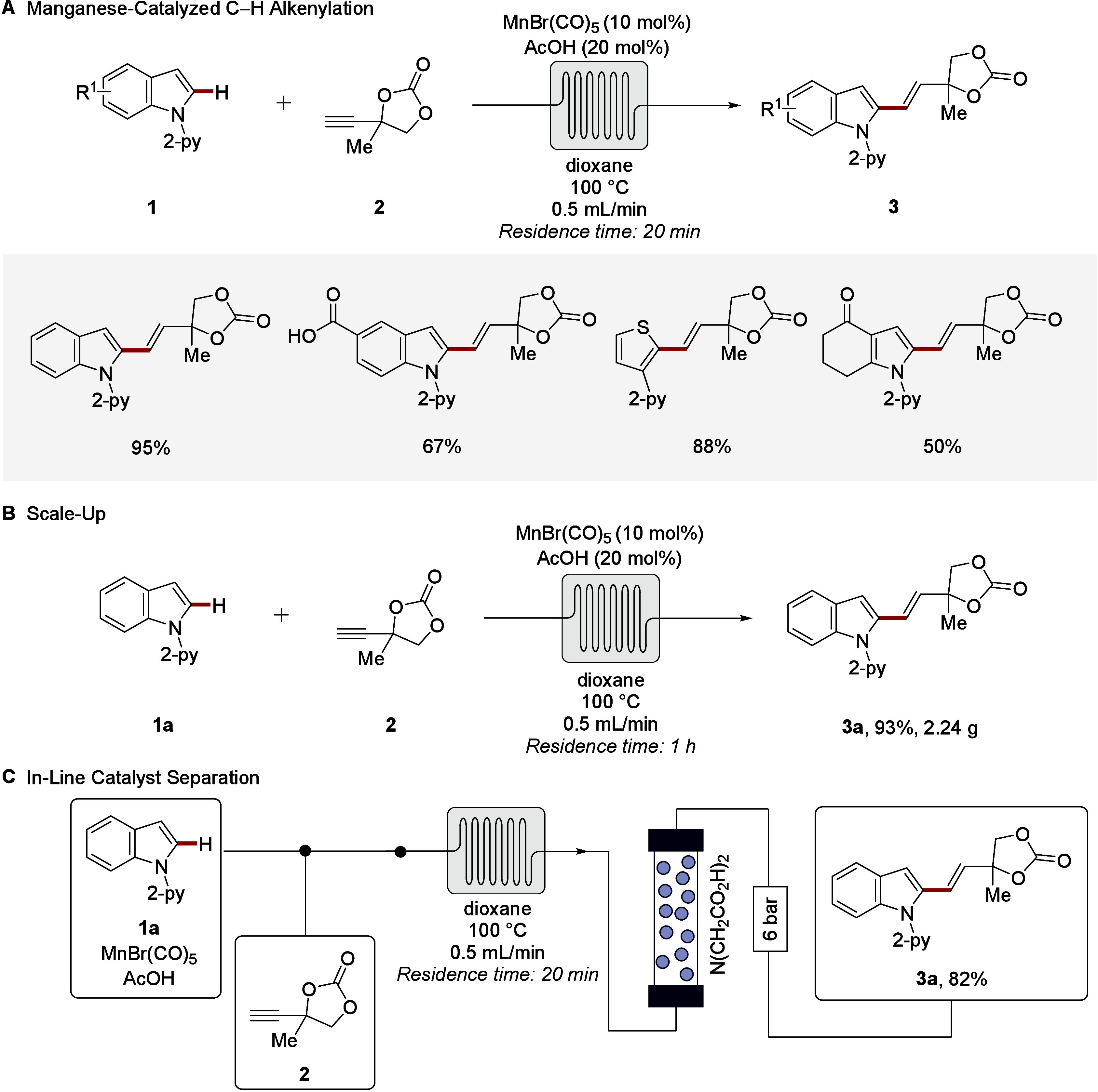 2
2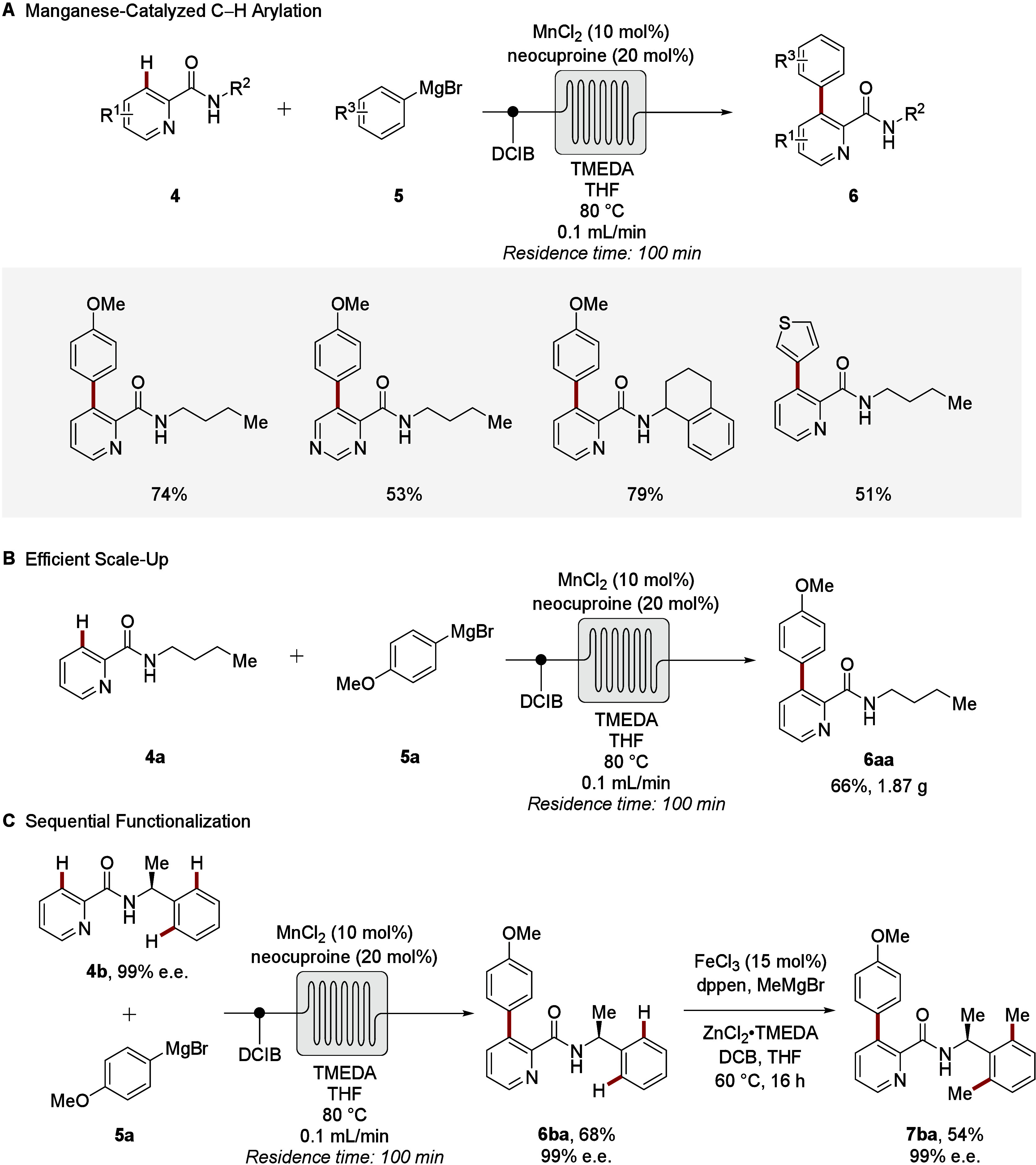 3
3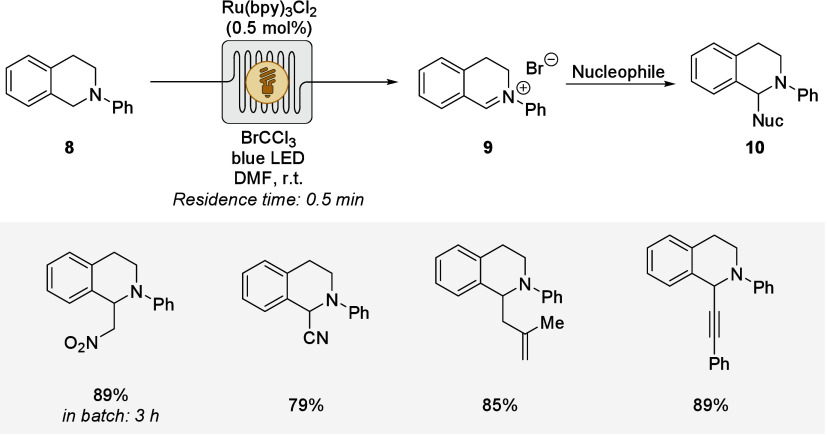 4
4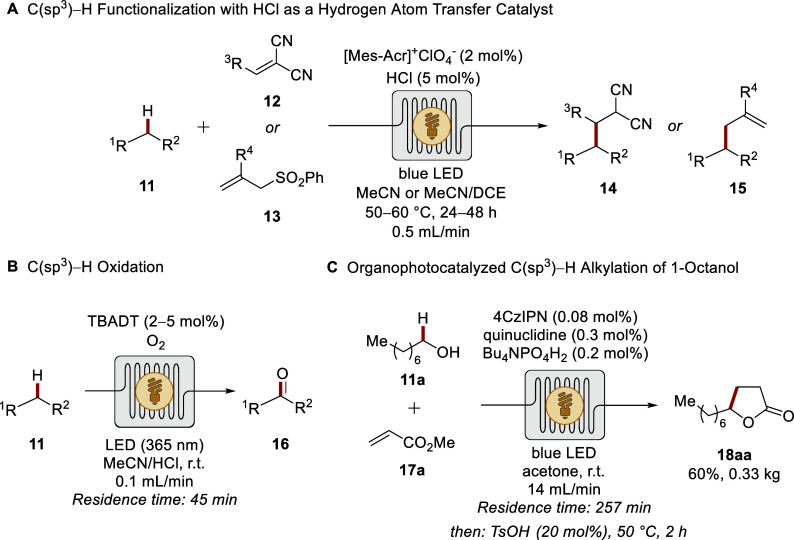 5
5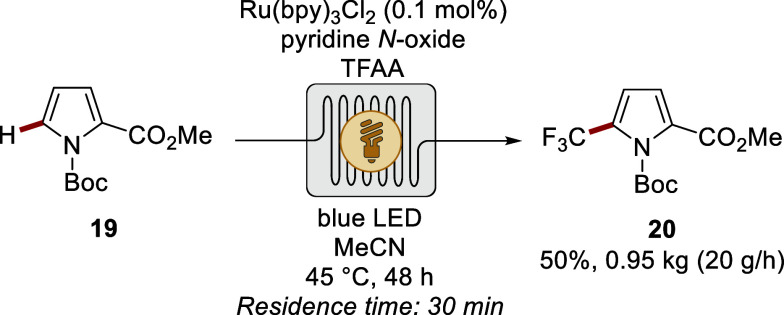 6
6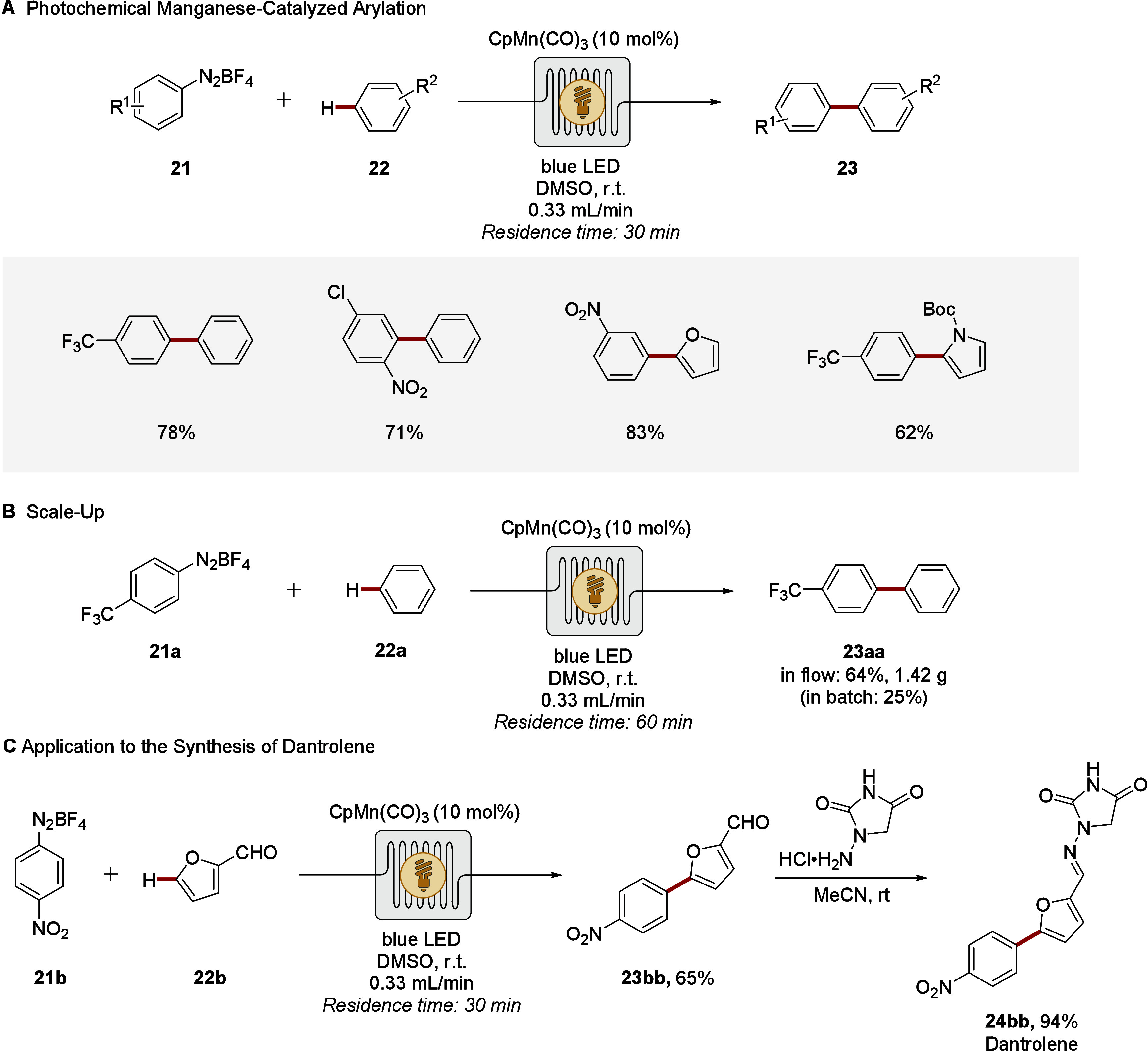 7
7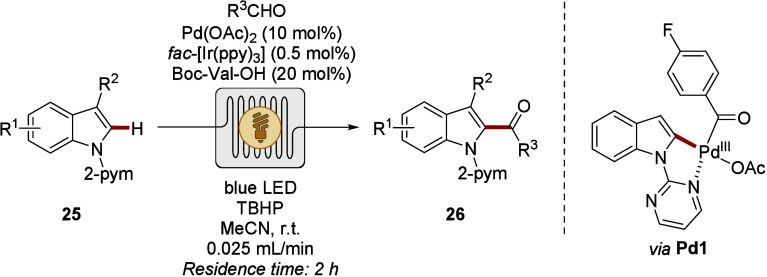 8
8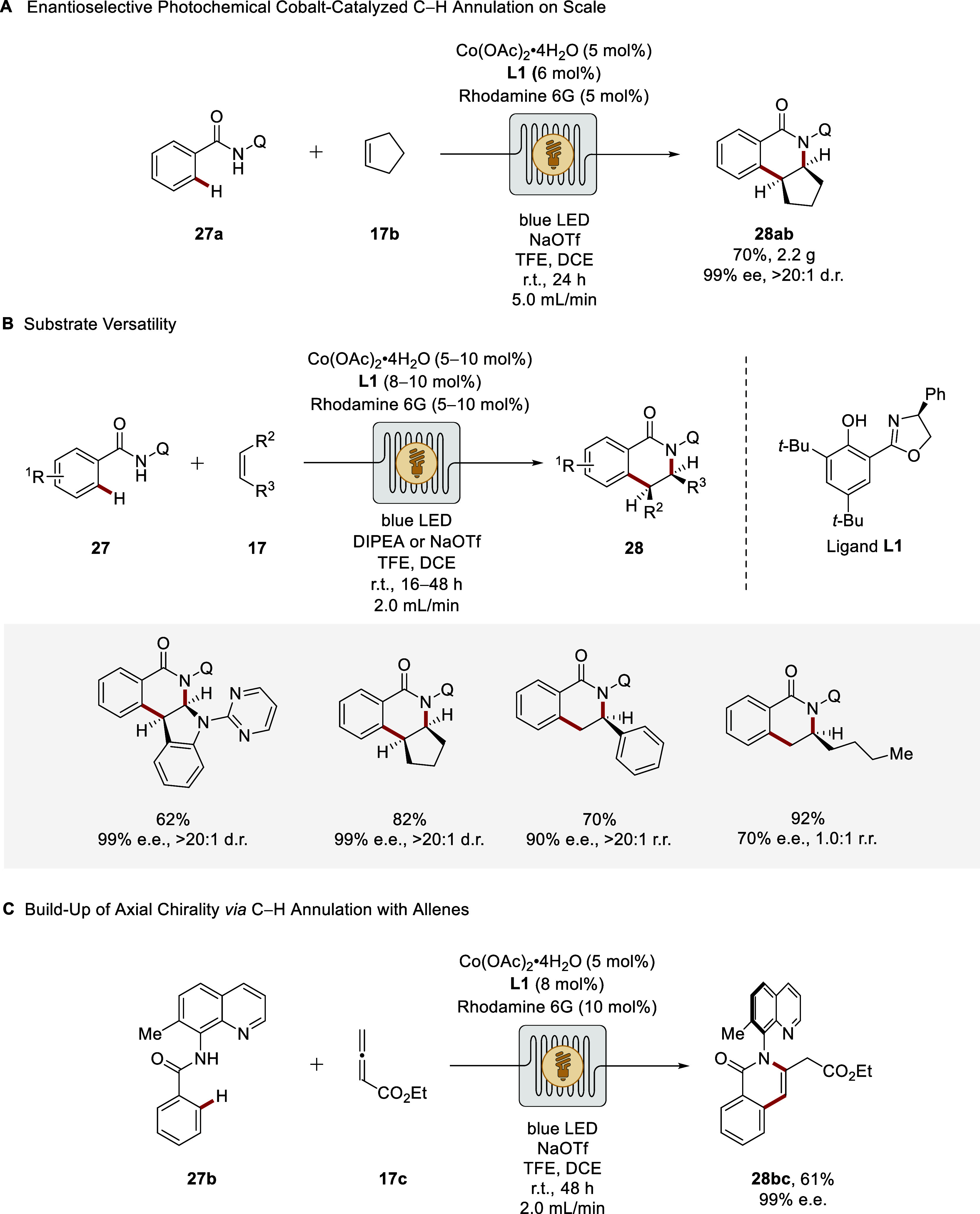 9
9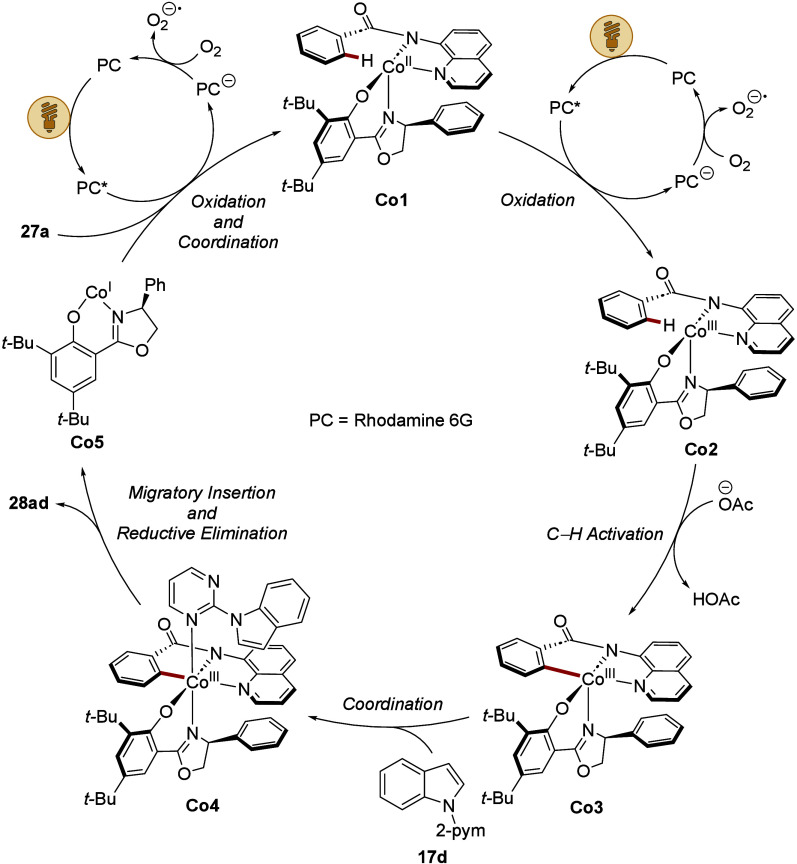 10
10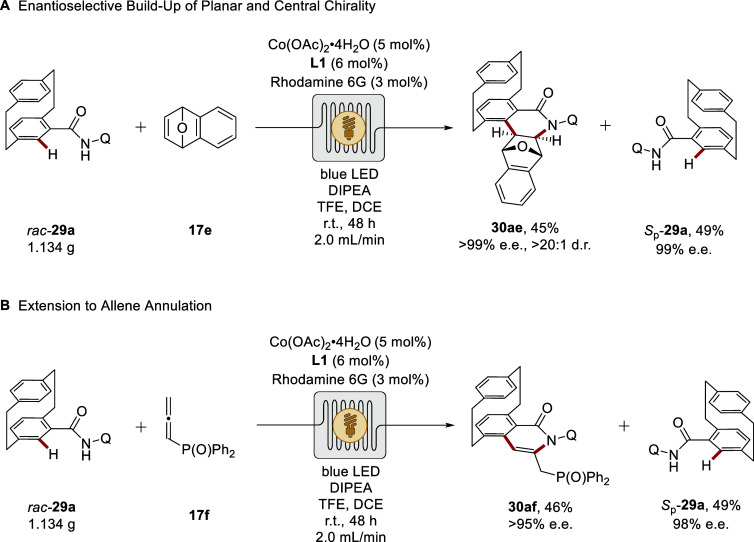 11
11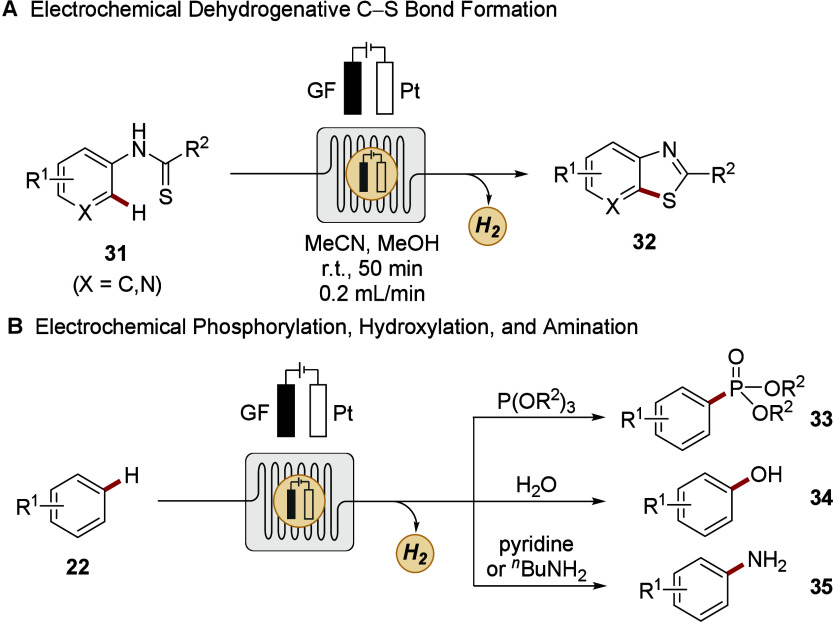 12
12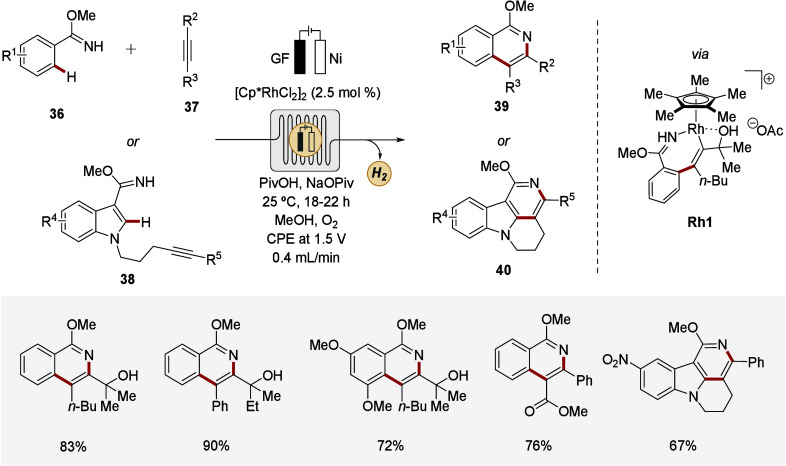 13
13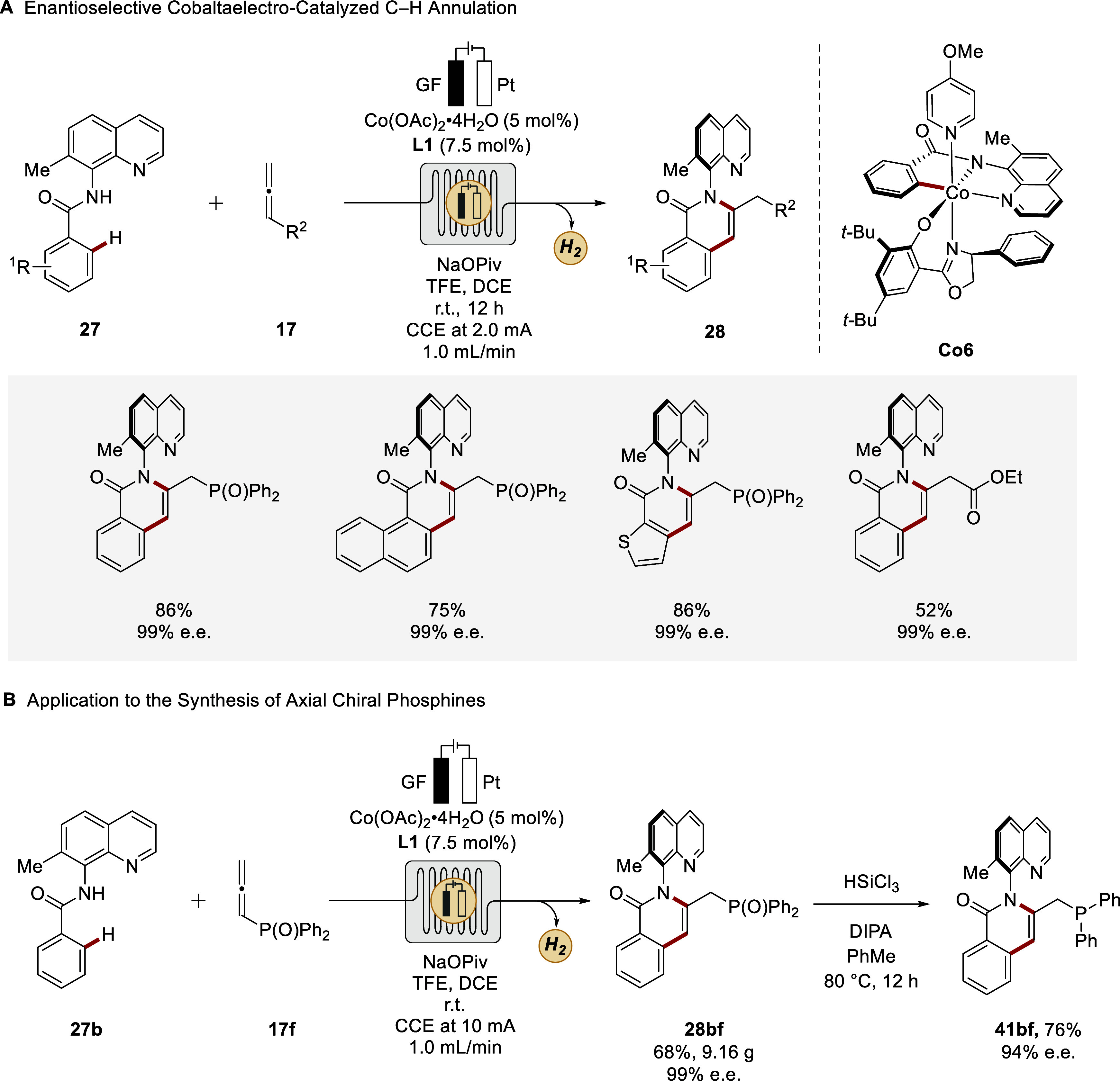 14
14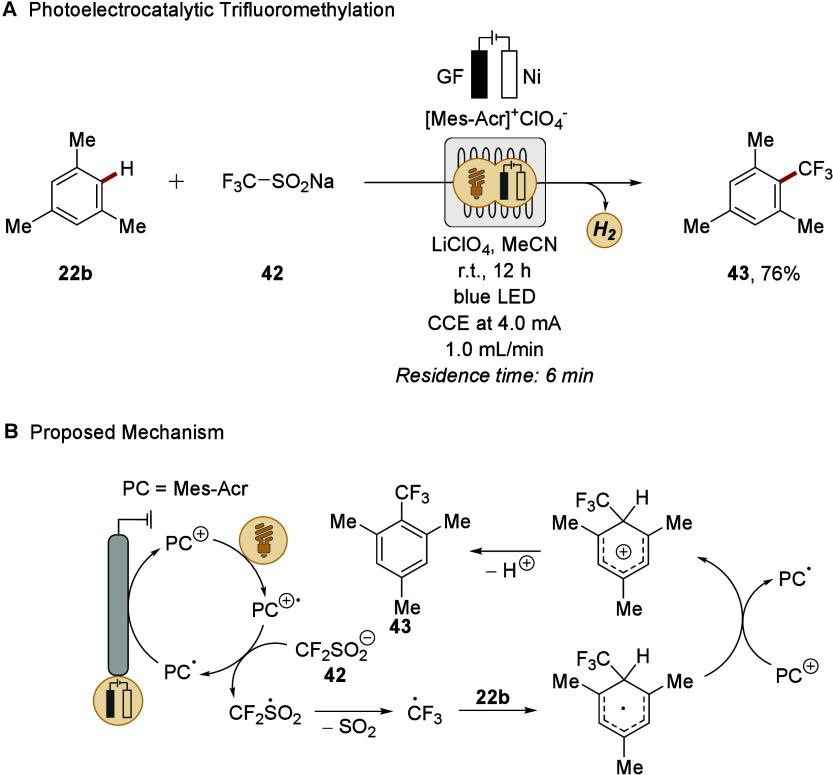 15
15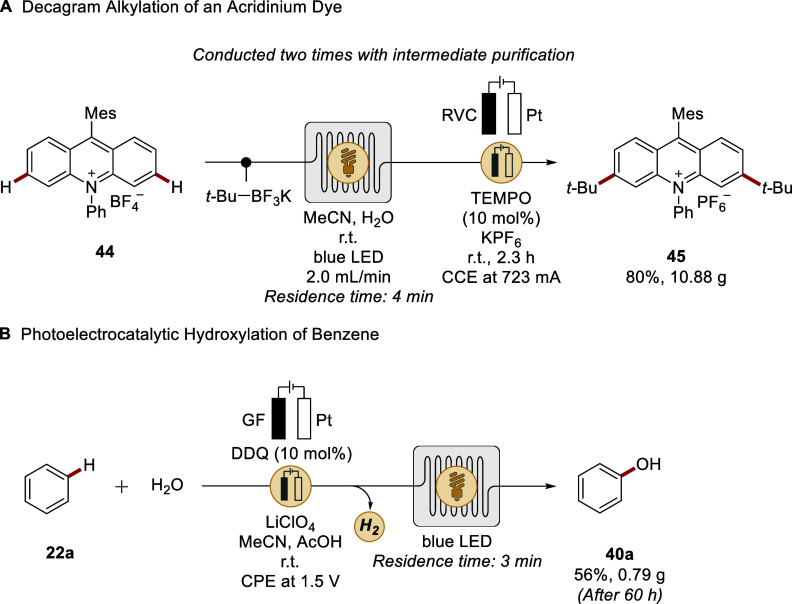 16
16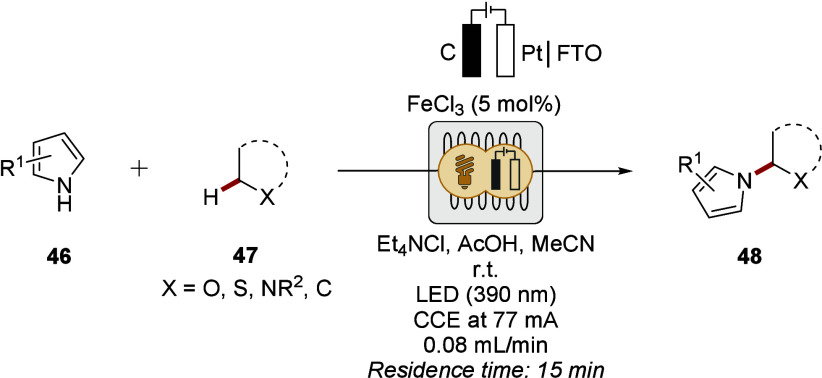 17
17- —Fonds der Chemischen Industrie10.13039/100018992
- —Fonds der Chemischen Industrie10.13039/100018992
- —European Research Council10.13039/501100000781
- —Deutsche Forschungsgemeinschaft10.13039/501100001659
Peer Reviews
No public reviews on file for this paper yet. If you reviewed it on a platform where reviews are public (OpenReview, ICLR, NeurIPS, ICML), you can paste yours below so the community can read it here.
Videos
No videos yet. Explain this paper in a talk, walkthrough, or lecture? Add one.
Taxonomy
TopicsRadical Photochemical Reactions · Innovative Microfluidic and Catalytic Techniques Innovation · CO2 Reduction Techniques and Catalysts
Introduction
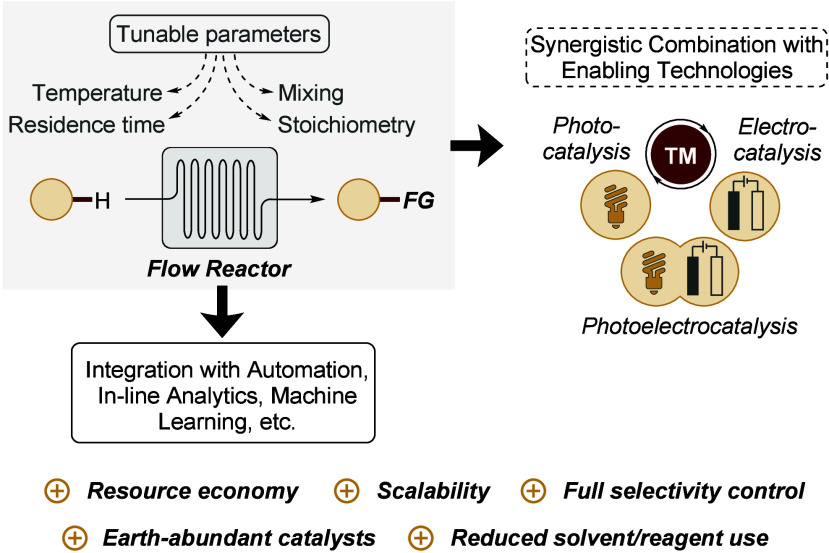
The continuous pursuit of more efficient and selective, molecular syntheses has, in recent decades, driven chemists to reconsider not only individual transformations, but also the platforms on which they are carried out.? Thus, continuous-flow chemistry has emerged as a uniquely powerful technology, fundamentally redefining how reactions are executed, controlled, and scaled. ?−? ? ? ? In contrast to conventional batch processing, flow operation allows for precise and rapid tuning of key parameters, such as temperature, residence time, mixing, and stoichiometry. ?,?,? Thus, turning reactivity from an empirical compromise into an engineered variable. This level of control often translates into higher yields, improved selectivity, and significantly safer operation. ?,?,?−? ?
Advances in reactor design are central to these developments: small reaction volumes and greatly increased surface-to-volume ratios afford exceptional heat- and mass transfer performance, enabling rapid kinetics, precise thermal management, and the safe handling of short-lived or hazardous intermediates. ?,?,?−? ? ? ? ? ? The frequent, inherent reproducibility of transformations in continuous-flow facilitates systematic optimization and seamless translation from milligram-scale discovery to multikilogram manufacturing without tedious process development. ?,?−? ? Hence, closing the long-standing gap between academic innovation and industrial application. ?,?
At the same time, continuous-flow approaches align seamlessly with the principles of green chemistry. ?,?,? Operating in a confined, continuous environment minimizes solvent and reagent consumption, improves energy efficiency, and mitigates risk through inherently small, controlled reaction volumes.? When realized with earth-abundant catalysts, renewable solvents, and recoverable heterogeneous systems, these features materially reduce the environmental footprint of complex molecule synthesis. Looking ahead, the integration of modular reactor architectures with in-line analytics, automation, and machine learning-driven optimization holds the promise of elevating continuous-flow chemistry from an enabling platform to an autonomous discovery and manufacturing tool accelerating reaction innovation, shortening development timelines, and tightly connecting mechanistic understanding, process control, and scalable synthesis. ?−? ? ? ? ?
Direct C–H bond functionalization ranks among the most atom- and step-economical strategies in molecular synthesis, enabling the rapid assembly of structurally complex products directly from simple, readily available feedstocks without recourse to prefunctionalized substrates. ?−? ? However, despite its conceptual elegance and broad applicability, conventional batch-based approaches often suffer from intrinsic shortcomings: inefficient mixing and mass transfer, inadequate thermal management, and pronounced scale-up difficulties.? Continuous-flow technology effectively addresses these challenges (Scheme). By delivering precise control over residence time, temperature, and reagent stoichiometry in conjunction with superior heat and mass transfer flow reactors unlock the finely tuned conditions required for efficient and selective catalytic C–H functionalization. ?,?
Flow Experimentation as an Enabling Tool in Molecular Synthesis
Early examples of organometallic C–H activation in flow include a ruthenium-catalyzed ortho-arylation of 2-phenylpyridine,? followed by distinct thermal homogeneous ?−? ? ? ? ? ? and heterogeneous ?−? ? ? ? ? ? ? ? CH functionalizations. Notably, thermal flow inner-sphere CH activations had been limited to the use of precious and expensive 4d and 5d transition metals, including palladium, ruthenium, rhodium, and iridium. In sharp contrast, major advance was represented by making earth-abundant 3d transition metals viable for challenging flow-CH activations. Thus, in 2017, manganese(I)-catalyzed hydroarylations were achieved without precautions for an inert atmosphere relying on a residence time of under 20 min dramatically faster than conventional batch protocols that typically require several hours (Scheme).? This strategy delivered allylic carbonates and ethers in a step-economical fashion, with ample scope and excellent chemo-, and regioselectivity (SchemeA). Operational simplicity and scalability (SchemeB), including facile in-line catalyst separation and recycling represent further beneficial features (SchemeC). ?,?
Thermal Manganese(I)-Catalyzed C–H Activation in Continuous-Flow Enabling Efficient Hydroarylations
Further, thermal flow manganese-catalyzed C–H arylations proved viable on pyridines by means of low-valent metal catalysis via single-pass continuous-flow technology (SchemeA).? Thus, inexpensive most user-friendly MnCl_2_ enabled gram-scale C–H arylations within 100 min (SchemeB). An additional asset of the flow approach is constituted by the safe and efficient handling of rather reactive Grignard reagents on scale.? The flow strategy set the stage for a telescoped 2-fold CH activation manifold, both operating with benign 3d transition metals, namely manganese and iron (SchemeC).
Manganese(II/III/I)-Catalyzed C–H Arylations of Heteroarenes 4 in Continuous-Flow
Despite of these indisputable advances in thermal flow catalysis,? photo- and electrocatalysis hold thus far unmatched potential by harnessing photons and electrons as traceless reagents for more efficient bond formation toward an effective energy transition. Hence, we herein provide an overview of recent developments in flow C–H functionalizations enabled by photochemistry, electrochemistry, and synergistic photoelectrochemistry up to December 2025.
Photocatalytic
C–H Activation in Flow
Photochemistry has witnessed tremendous recent momentum with the prospect of employing light as a traceless reagent. By exploiting the unique reactivity of electronically excited states, photochemistry can unlock transformations that are often inaccessible under purely thermal conditions. ?−? ? ? ? ? However, conventional batch photochemistry faces intrinsic limitations primarily due to the light attenuation effect in terms of the Bouguer-Lambert–Beer law. Thus, inefficient photon penetration, nonuniform irradiation, and localized overheating can undermine efficiency, reproducibility, and selectivity, especially for the transition by the practitioners on scale. ?,? Continuous-flow photochemistry has the power to overcome these challenges. Owing to their high surface-area-to-volume ratios, the small depth, and facile heat dissipation, flow reactors ensure uniform irradiation, efficient photon utilization, and precise control over reaction temperature. ?−? ? This level of control in conjunction with the residence time is especially critical where the fleeting nature of key intermediates demands a meticulously tuned balance between reactivity and selectivity. ?,?−? ? Crucially, continuous-flow enables thus the streamlined upscaling of photochemical processes. ?−? ? ?
To this end, Stephenson highlighted the scalability in photoredox catalysis by developing a low-path-length flow photoreactor for oxidative functionalizations of tetrahydroisoquinolines 8 with diverse nucleophiles, using a precious ruthenium dye (Scheme).? Notably, the functionalization was viable within 30 s residence time, drastically improving the reaction rate as compared to established batch conditions. This study served as the blueprint for subsequent CH functionalizations of activated amines. ?−? ? ? ?
Oxidative Functionalization of Tetrahydroisoquinolines 8
Further recent developments focused on controlled radical-based chemistry for efficient C(sp^3^)H functionalization. Thereby, Wu devised a photochemical strategy for the alkylation of unactivated C(sp^3^)H bonds, employing an organic photosensitizer and HCl as a hydrogen atom transfer (HAT) precatalyst (SchemeA).? A microtubing reactor proved crucial for efficiently using volatile HCl, enabling the preparation of different drug compounds from readily available alkanes 11. After initial reports on decatungstate photocatalysis under flow conditions, ?,? Noël and co-workers established the aerobic oxidation of activated and unactivated C(sp^3^)H bonds (SchemeB).? While in batch full conversion was not achieved, the improved oxygen diffusion and irradiation under flow conditions led to more effective transformations. Hence, the selective oxidation of complex natural products, such as ()-ambroxide and artemisinin, was accomplished. Subsequently, related strategies for productive C(sp^3^)H functionalization enabled acylation, amination, and arylation as well as heteroarylation in flow. ?−? ? Additionally, Ye disclosed a scalable flow approach for the preparation of γ-undecalactone a fragrance molecule with peach aroma (SchemeC).? By exploiting an organic dye, the targeted compound 18aa was accessed through photoredox-catalyzed C(sp^3^)H alkylation, utilizing 1-octanol 11a and methyl acrylate 17a as abundant feedstocks.
Photocatalytic C(sp3)H Functionalizations in Flow
On a different note, Stephenson devised a photocatalytic strategy for the trifluoromethylation of diverse (hetero)arenes with the aid of pyridine N-oxide, trifluoroacetic anhydride, and a precious metal-based photoredox catalyst (Scheme).? The most-user-friendly strategy was exploited for a successful kilogram scale-up by continuous-flow experimentation, affording pyrrole derivative 20.
Photocatalytic Trifluoromethylation of Pyrrole Derivative 19 in Continuous-Flow
In contrast, the cost-effective 3d transition metal manganese was successfully employed for continuous photoflow C–H arylations in 2018. The manganese-catalyzed photoflow C–H arylation proved viable under visible light irradiation at room temperature (Scheme).? Efficient C–H arylations were accomplished with a residence time of 30 min, using diazonium salts as productive aryl radical precursors (SchemeA). Salient features of the flow-photocatalysis include ample scope and ease of scale-up (SchemeB). Thus, the visible-light-induced C–H arylation of benzene afforded biaryl product 23aa in excellent yield within 60 min in flow, whereas an analogous batch reaction delivered only 25% yield. These findings reflect the augmented efficacy for energy- and mass transfer. The applicability was further showcased by the functionalization of biomass-derived furfural 22b; thus, setting the stage for an elegant route to a key intermediate for Dantrolene 24bb, a clinically relevant drug for the treatment of malignant hyperthermia (SchemeC).
Manganese-Catalyzed (Hetero)arene C–H Arylation Implementing Visible Light Photo-flow
The power of inner-sphere CH activation by photoredox-catalysis in flow was first showcased by Noël and Van der Eycken (Scheme).? Thus, efficient C2 acylation of the indole scaffold was accomplished using aromatic and aliphatic aldehydes. Thereby, a precious metal-based photoredox catalyst ensures the formation of acyl radicals and the oxidation of the proposed intermediate Pd1 via single-electron transfer (SET) for effective reductive elimination. A drastic increase in reaction rate and efficiency as well as a decreased catalyst loading underlined the potential of flow experimentation in this instance. Nevertheless, the usage of noble metal catalysts compromised sustainability.
Palladium-Catalyzed CH Acylation of Indoles 25 by Flow Photoredoxcatalysis
Most marketed drugs and crop-protecting agents are chiral. Hence, there is continued strong, and yet largely unmet demand for enantioselective CH activations. To this end, the implementation of enantioselective catalysis is of considerable topical interest to enable streamlined and selective access to three dimensionality. ?−? ? ? ? Specifically, high-valent cobalt compounds have been recognized as sustainable and powerful tools for enantioselective CH activations, with key contributions by Ackermann, ?,? Cramer,? Matsunaga,? and subsequently Shi.? Inspired by findings on electro- and photocatalytic cobalt-catalyzed CH activations by Ackermann and Sundararaju, ?−? ? ? an unprecedented photoredox-enabled enantioselective cobalt-catalyzed C–H activation was devised, demonstrating excellent compatibility with flow conditions (Scheme).? The use of organic dyes in place of precious-metal photocatalysts, combined with the absence of sacrificial metal-based oxidants mirrored the sustainable nature of this approach. The operational robustness was demonstrated by a gram-scale synthesis in flow at reduced catalyst loading, highlighting the scalability of cobaltaphotoredox catalysis under flow conditions (SchemeA). The dual catalytic manifold also enabled the regio- and stereoselective dearomatization of indoles to access the chiral products 28 with high chemical yield and enantioselectivities up to 99% ee. The strategy proved equally effective for constructing both central and axial chirality, while accommodating a diverse substrate scope, including unactivated alkenes (SchemeB and SchemeC). Concurrently, related approaches were disclosed by Shi and Sundararaju employing batch reaction conditions. ?,?
Enantioselective Cobaltaphotoredox-Catalyzed C–H Activation in Flow
The modus operandi relies on a cobalt(II/III/I) regime (Scheme). ?−? ? ? ? ? ? ? Thereby, initial SET mediated by the organic dye sets the stage for a base-assisted C–H activation. The resulting cyclometalated intermediate Co3 was isolated and fully characterized by leveraging a stabilizing ligand. Subsequent coordination of the olefin followed by migratory insertion and reductive elimination furnishes the desired product 28ad, whereby the concomitantly formed cobalt(I) species is reoxidized through sequential SET processes.
Proposed Mechanism for the Enantioselective Cobaltaphotoredox-Catalyzed C–H Activation
Very recently, the versatility of merging photoredox catalysis with enantioselective cobalt catalysis was further demonstrated by the kinetic resolution of ortho- and pseudodisubstituted multichiral [2.2]paracyclophanes (PCPs) (Scheme), relying on a related mode of operation. ?,? These sterically congested and stereochemically rich scaffolds are of considerable value in asymmetric catalysis and functional materials, yet remain challenging to access by conventional C–H activation strategies. By integrating precise photon flux control with the inherent stereocontrol of cobalt catalysis in flow, the construction of planar- and central-chiral PCP derivatives was realized with exceptional enantioselectivity (>99% e.e.) and high diastereoselectivity (>20:1 d.r.), while simultaneously recovering the unreacted enantiomer in high optical purity (SchemeA and SchemeB).? The approach proved amenable to gram-scale synthesis without erosion of selectivity, and the products could be readily diversified into PCP-based ligands for asymmetric catalysis, further enriching their synthetic utility.
Stereocontrolled Construction of [2.2]Paracyclophanes 30 in Flow
Electrocatalytic C–H Functionalization
in Flow
Electrochemistry bears a rich history, originating from the fundamental findings by Faraday and Kolbe regarding the decarboxylative dimerization of carboxylic acids. ?,? In recent years, it has re-emerged as a sustainable tool in modern molecular syntheses, providing a green alternative to stoichiometric redox reagents by proton and electron transfer as traceless reagents. ?−? ? ? ? ? ? ? Electrochemical transformations allow precise control of chemo-selectivity by dialing in the exact redox potentials, enabling selective oxidation or reduction processes under exceedingly mild conditions. ?−? ? Additionally, for electrooxidatively driven functionalizations, molecular hydrogen is formed through hydrogen evolution reaction (HER) as a byproduct of utmost relevance. ?−? ?
Conventional batch electrochemistry, however, is often hampered by restricted mass transport to the electrodes, and hence challenges in scale-up. ?,? Continuous-flow electrochemistry addresses these challenges by optimizing the interaction between the reaction medium and electrode surfaces. ?−? ? ? ? ? Flow reactors provide a high surface-area-to-volume ratio, which promotes uniform current distribution and efficient electron transfer. This improved mass and electron transfer enhances reaction efficiency, minimizes overoxidation or -reduction, and allows reactions to be conducted at higher concentrations with improved reproducibility. Simultaneously, the usually small interelectrode gap diminishes the ohmic drop, allowing for a substantially decreased amount of required supporting electrolyte. Continuous-flow setups also facilitate scalability and improved safety, making them particularly attractive for industrial applications. ?−? ? ? ? ?
Thereby, recent studies showcased the potential of electrocatalysis under continuous-flow to be an efficient tool in CH functionalization via SET-enabled radical pathways. Wirth and Xu established a strategy for the synthesis of benzothiazoles via dehydrogenative, intramolecular CS bond formation in continuous-flow.? Thereby, the successful omission of supporting electrolyte, a gram scale-up, and an elevated reaction performance underpinned the strength of flow chemistry compared to its batch analogue (SchemeA). Subsequently, Xu devised a variety of electrochemical manifolds for the direct CH phosphorylation, hydroxylation, oxidation, and amination, whereby exceptional residence times as low as 22 s and broad scale-ups up to 204 g proved the advantageous reaction control (SchemeB). ?−? ? ? ? Further examples by Waldvogel and Noël demonstrated the thriving application of continuous-flow in CH functionalization, regarding the dehydrogenative preparation of a bisphenol and the azolation as well as hydroxylation of arenes. ?−? ?
Electrocatalytic CH Functionalizations under Continuous-Flow Conditions
In sharp contrast, recent studies have highlighted the synergy between flow electrochemistry and inner-sphere C–H activation to enable tailored and traceless transfers of protons and electrons. Ackermann and co-workers devised a rhodium-catalyzed electrochemical C–H annulation in flow (Scheme).? A modular flow reactor equipped with a porous graphite felt anode was designed. Thus, efficient mass and electron transfer were ensured, fostered by a meshed thin PTFE plate as turbulence promoter. This system enabled both inter- and intramolecular C–H/N–H functionalization with excellent selectivity and versatile scope. Noteworthily, efficient scale-up proved viable. Additionally, the reaction could be monitored in real-time using online-flow NMR spectroscopy, supporting the decisive role of anodic oxidation for product formation. Further studies, involving the isolation and characterization of rhodium(III)-heptacycle Rh1 as a key intermediate, uncovered an oxidation-induced reductive elimination regime as part of a Rh(III/IV/II) catalytic cycle.? This study mirrored the viability of efficient and scalable C–H activation via metallaelectrocatalysis under flow conditions while simultaneously enabling the elucidation of mechanistic intricacies through online analytics.
Flow Rhodaelectro-catalyzed Alkyne Annulations
Subsequently, Ackermann devised a strategy for the expedient access to seven-membered azepino[3,2,1-hi]indoles through dehydrogenative rhodaelectro-catalyzed CH/NH annulation in flow.? Recently, Shi reported a related approach for accessing 1,2-benzothiazines.?
Motivated by elaborate studies on utilizing electricity in lieu of stochiometric oxidants for resource-economical cobalt-catalyzed CH activation, ?,?,?,? Ackermann reported the first merger with enantioselective catalysis.? Thereby, high enantioselectivities were obtained under galvanostatic control without electrode compartment separation. Subsequently, this strategy was successfully translated to flow conditions, enabling the synthesis of C–N axially chiral compounds 28 via allene C–H annulation.? The approach allowed atroposelective access to axial chiral isoquinolinones 28 in high yields with excellent enantioselectivities and was compatible with complex bioactive molecules and drug candidates (SchemeA). The cyclometalated cobalt(III) species Co6 was isolated as a potential intermediate mimic. In conjunction with further experiments, involving, among others, cyclic voltammetry studies, a cobalt(II/III/I) regime was unraveled (Scheme), ensuring catalytic turnover via anodic oxidation. The flow electrolysis setup did not require supporting electrolytes and enabled efficient scalability, as demonstrated by decagram-scale reactions with maintained high stereocontrol. The products could also be further transformed into phosphine ligands with axial chiral backbone, illustrating the synthetic versatility of the approach (SchemeB).
Atroposelective Cobaltaelectro-catalyzed C–H Annulations with Allenes
Photoelectrocatalytic C–H
Functionalization in Flow
The combination of photochemistry and electrochemistry in continuous-flow systems offers a powerful strategy for modern organic synthesis, leveraging the tailored synergy of photons and electrons for transformations that are difficult under conventional batch conditions. ?−? ? In such setups, light and electricity act collaboratively to activate chemical bonds in a selective fashion, providing controlled redox input and energy with high spatial and temporal precision. Continuous-flow operation enhances these advantages by ensuring uniform light penetration, efficient electron transfer, and rapid mass transport, collectively improving reaction efficiency, selectivity, and scalability. ?,?,?,? Further, flow chemistry allows for spatial separation of an ongoing transformation.? Hence, distinct operations can be conducted sequentially in a linear, continuous arrangement, setting the stage for elegant reaction design with decoupled photo- and electrochemical manipulations.?
In 2020, Ackermann demonstrated the potential of this approach for C–H functionalization (SchemeA).? They reported a photoelectro-catalyzed, undirected C–H trifluoromethylation of arenes 22, merging photoredox catalysis with electrochemical oxidation in a flow setup. Trifluoromethyl radicals were generated from the Langlois reagent (CF_3_SO_2_Na) 42 under exceedingly mild, oxidant-free conditions through anodic regeneration of the ground state photocatalyst (SchemeB). A sequence consisting of the radical’s attack on 22b, SET, and deprotonation furnishes the C–H functionalized product. The operational simplicity of the flow system, combined with broad versatility, highlighted its practical utility for scalable synthesis. The photoelectrocatalysis was performed in a modular electrochemical flow cell equipped with a graphite felt anode and a nickel cathode, followed by a looped transparent irradiation module. At a flow rate of 1.0 mL/min and a residence time of 6 min in the electrochemical cell, the trifluoromethylated product 43 was obtained efficiently. This configuration allowed spatial and temporal separation of electro-oxidation and photocatalysis, enabling both steps to occur concurrently yet independently; thus, minimizing overoxidation and side reactions. Intriguingly, online flow-NMR monitoring provided mechanistic insights, supporting the involvement of SET processes.
Photoelectrocatalytic Undirected C–H Trifluoromethylation in Flow
In response to this proof-of-concept study, other groups joined the endeavor of exploring the synergism between photons and electrons under flow conditions. Thereby, photochemical flow reactors cells are frequently applied in conjunction with batch electrochemical cells. For instance, Xu devised a strategy for the scalable preparation of novel 3,6-difunctionalized acridinium photocatalysts by leveraging a flow sequence, involving decoupled electro- and photochemical reactors (SchemeA).? Crucially, a decagram synthesis of acridinium dye 45 was accomplished through a telescoped process involving two sequential CH alkylations with an intermediate purification. Further, Xu devised a photoelectrocatalytic approach for dehydrogenative C(sp^3^)H arylation in the absence of external oxidants.? Subsequently, Lambert reported a flow process involving an electrochemical cell and photochemical chambers for the gram-scale synthesis of phenol from benzene by photoelectrocatalytic CH heterofunctionalization (SchemeB).? Thereby, 2,3-dichloro-5,6-dicyano-1,4-benzoquinone (DDQ) served as a photoelectrocatalyst.
Photoelectrocatalytic CH Functionalizations under Flow Conditions
In contrast, Reek and Noël developed a new reactor encompassing a transparent electrode for its application in C(sp^3^)N bond-forming heteroarylation reactions (Scheme).? The mild and oxidant-free conditions set the stage for the functionalization of a broad set of saturated heterocyclic scaffolds, benefiting from the enhanced kinetics and productivities of flow chemistry. Furthermore, Guo and Xia took advantage of a flow platform for the scale-up of a photoelectrochemical oxidative C(sp^3^)H borylation, accessing valuable organoboron compounds from unactivated hydrocarbons.?
Photoelectrocatalytic Heteroarylations in Continuous-Flow
Conclusion and Outlook
Mass and heat transfer often limits the effective scale-up of photo- and electrochemical transformations. Flow chemistry has the unique power to address these challenges by fundamentally reshaping how modern organic synthesis is designed, controlled, and scaled. By recasting the reactor as an engineered, tunable variable rather than a passive vessel, flow technology delivers unmatched control over residence time, temperature, mixing, photon flux, and electron flow. These attributes translate directly into higher yields, enhanced selectivity, improved safety, and straightforward scale-up. When coupled with contemporary catalytic manifolds, flow reactors have enabled dramatic improvements regarding photocatalytic and electrocatalytic C–H functionalization strategies, overcoming their batch limitations through uniform irradiation, efficient photon utilization, and superior mass transfer to well-defined electrode interfaces. Thereby, application to enantioselective platforms enabled the streamlined assembly of complex scaffolds. The synergistic merger of these activation modes in photoelectrochemical flow systems further expands the synthetic repertoire by providing orthogonal, temporally, and spatially resolvable inputs, generating reactive intermediates under mild, oxidant-free conditions.
Looking ahead, the most impactful developments will arise from combining modular, robust reactor hardware with in-line analytics, automation, and machine learning-guided optimization to enable real-time process understanding as well as autonomous optimization. ?−? ? ? ? ? Remaining challenges include standardizing modular hardware for multistep and multicatalytic sequences and enhancing the longevity and compatibility of flow systems regarding electro- and photochemical conditions. Given the practical importance of photo- and electrochemistry in continuous-flow for practitioners, platforms that unite organometallic C–H activation, photochemistry, electrochemistry, and photoelectrochemistry are expected to facilitate scale-up and accelerate fundamental discoveries.
The reference list from the paper itself. Each links out to its DOI / PubMed record.
- 1Wiles C.Watts P.Continuous flow reactors: a perspective Green Chem.2012141385410.1039/C 1GC 16022 B · doi ↗
- 2Raby-Buck S. E.Devlin J.Gupta P.Battilocchio C.Baumann M.Polyzos A.Slater A. G.Browne D. L.Continuous flow chemistry for molecular synthesis Nat. Rev. Methods Primers 2025514410.1038/s 43586-025-00414-x · doi ↗
- 3Wan L.Kong G.Liu M.Jiang M.Cheng D.Chen F.Flow chemistry in the multi-step synthesis of natural products Green Synth. Catal.20223324325810.1016/j.gresc.2022.07.007 · doi ↗
- 4Pastre J. C.Browne D. L.Ley S. V.Flow chemistry syntheses of natural products Chem. Soc. Rev.201342238849886910.1039/c 3cs 60246 j 23999700 · doi ↗ · pubmed ↗
- 5Burange A. S.Osman S. M.Luque R.Understanding flow chemistry for the production of active pharmaceutical ingredientsi Science 202225310389210.1016/j.isci.2022.10389235243250 PMC 8867129 · doi ↗ · pubmed ↗
- 6Gutmann B.Cantillo D.Kappe C. O.Continuous-flow technologya tool for the safe manufacturing of active pharmaceutical ingredients Angew. Chem., Int. Ed.201554236688672810.1002/anie.20140931825989203 · doi ↗ · pubmed ↗
- 7Akwi F. M.Watts P.Continuous flow chemistry: where are we now? Recent applications, challenges and limitations Chem. Commun.20185499138941392810.1039/C 8CC 07427 E 30483683 · doi ↗ · pubmed ↗
- 8Hartman R. L.Jensen K. F.Microchemical systems for continuous-flow synthesis Lab Chip 20099172495250710.1039/b 906343 a 19680575 · doi ↗ · pubmed ↗