Gel-immersion peroral cholangioscopy-guided biopsy can maintain a clear endoscopic view during bleeding
Takeshi Ogura, Kimi Bessho, Junichi Nakamura, Nga Nguyen Trong, Hiroki Nishikawa

Abstract
Genes, proteins, chemicals, diseases, species, mutations and cell lines named across the full text — each resolved to its canonical identifier and authoritative record.
Click any figure to enlarge with its caption.
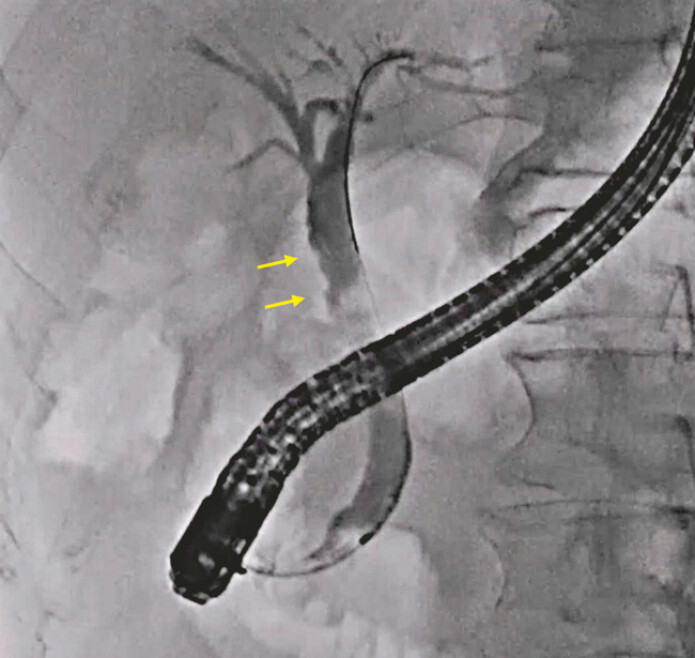 Fig. 1
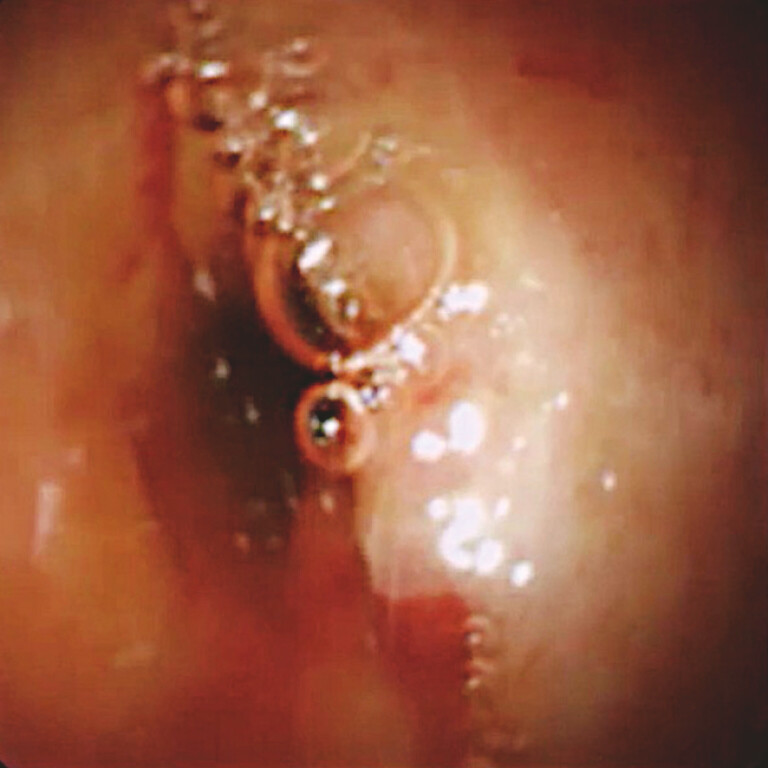 Fig. 2
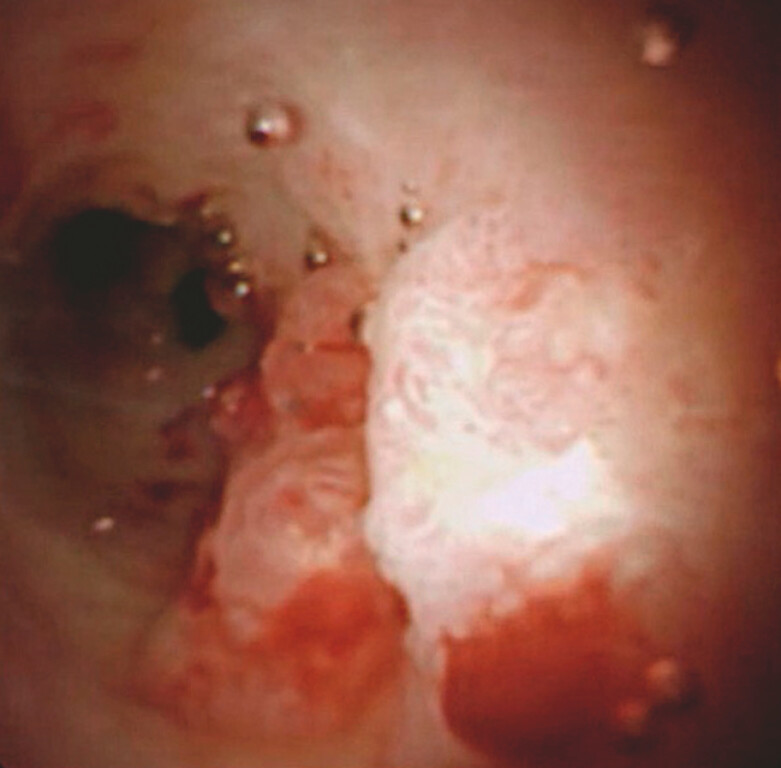 Fig. 3
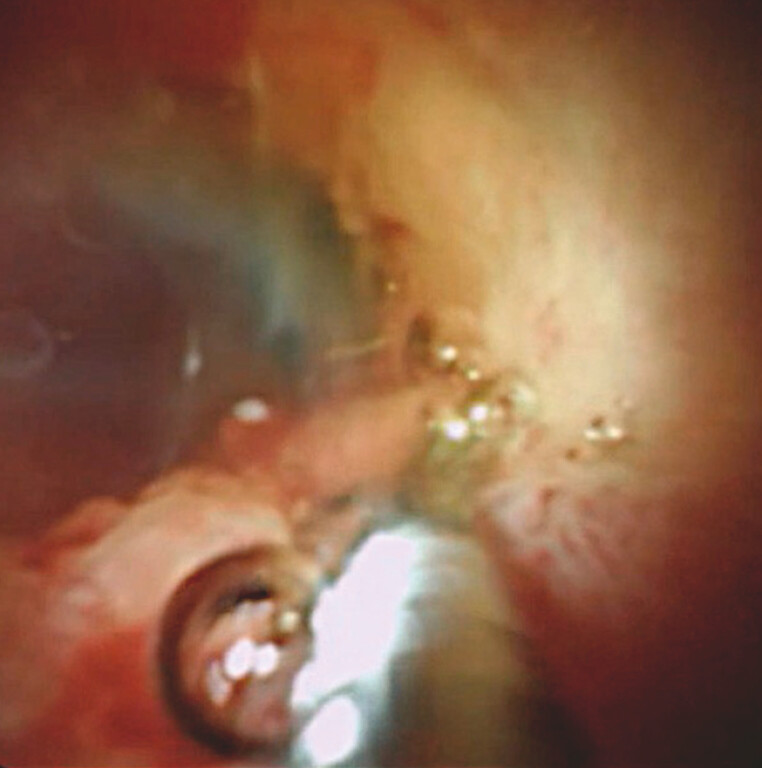 Fig. 4
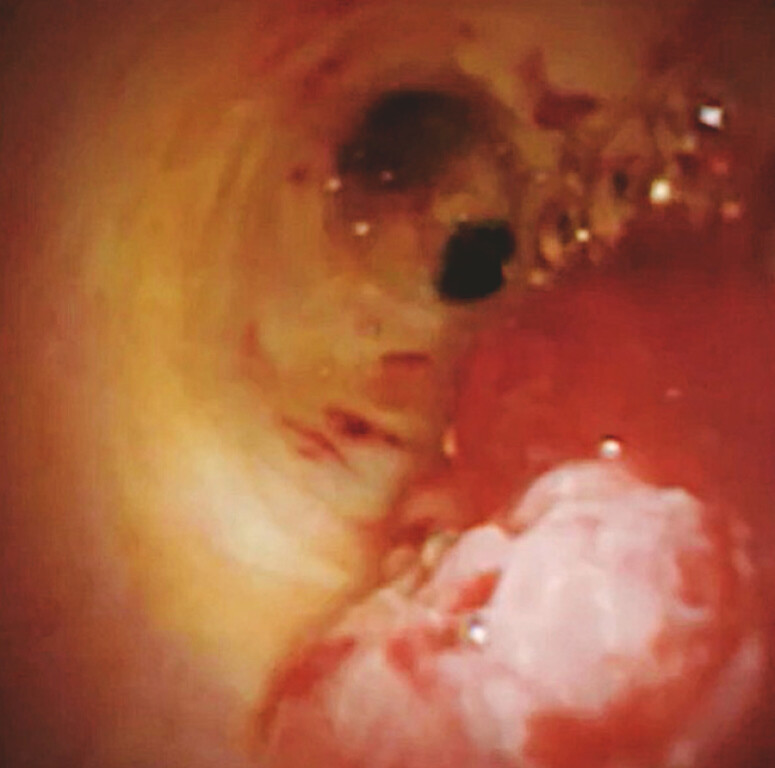 Fig. 5
Peer Reviews
No public reviews on file for this paper yet. If you reviewed it on a platform where reviews are public (OpenReview, ICLR, NeurIPS, ICML), you can paste yours below so the community can read it here.
Videos
No videos yet. Explain this paper in a talk, walkthrough, or lecture? Add one.
Taxonomy
TopicsGallbladder and Bile Duct Disorders · Gastrointestinal Bleeding Diagnosis and Treatment · Cholangiocarcinoma and Gallbladder Cancer Studies
The gold standard technique for the diagnosis of biliary disease is brush cytology or forceps biopsy under endoscopic retrograde cholangiopancreatography (ERCP) guidance. According to a meta-analysis of brush cytology and forceps biopsy under ERCP guidance 1 , the diagnostic yield of these techniques may not be sufficient in clinical practice. In contrast, peroral cholangioscopy (POCS) may have several advantages, such as providing direct ductal visualization and enabling targeted biopsy under visual guidance. However, bleeding from the tumor after the first biopsy can decrease visibility and make a second biopsy challenging. Water can be injected to obtain a clear endoscopic view; however, an excessive amount of injected water can cause reflux cholangitis. Recently, the use of gel immersion endoscopy using a transparent gel (Viscoclear; Otsuka Pharmaceutical Factory, Tokushima, Japan), which is more viscous than saline, has been reported to secure the visual field 2 3 4 . Technical tips for gel-immersion cholangioscopy-guided biopsy for bile duct tumors are presented.
A 71-year-old man was admitted to our hospital due to a bile duct lesion. To obtain a diagnosis, ERCP was attempted. After successful biliary cannulation, a bile duct tumor was suspected on cholangiography ( Fig. 1 ). Because no stricture of the tumor site was observed, POCS-guided biopsy was attempted. After POCS insertion, the tumor was identified ( Fig. 2 ). Because oozing from the tumor, which might suggest easy bleeding after biopsy, was observed, gel injection was first attempted. Gel injection facilitated a clear view of the tumor ( Fig. 3 ). Subsequently, target biopsy using a dedicated biopsy device was performed ( Fig. 4 ). Post-biopsy bleeding was observed. Under usual circumstances, blood would obscure the visual field, but, owing to the injected gel, a clear endoscopic view was maintained ( Fig. 5 ). The second biopsy was successfully performed without any adverse events ( Video 1 ). The gel was delivered through the working channel of the cholangioscope using a 5-mL syringe. Because the viscosity of the gel decreases when warmed to approximately body temperature, the risk of gel-induced obstructive cholangitis after endoscopic sphincterotomy is considered low. This histological diagnosis in this case was cholangiocarcinoma.
A bile duct tumor is suspected on cholangiography (arrow).
A bile duct tumor with oozing is observed on cholangioscopy.
After gel injection, the tumor can be clearly observed.
A forceps biopsy is performed.
Although bleeding from the tumor has occurred, the endoscopic view is still clearly maintained.
Gel-immersion peroral cholangioscopy-guided biopsy can maintain a clear endoscopic view during bleeding.Video 1
In conclusion, gel-immersion POCS-guided biopsy can be helpful for obtaining an adequate biopsy by maintaining a clear endoscopic view during bleeding.
Endoscopy_UCTN_Code_TTT_1AR_2AL Endoscopy_UCTN_Code_CCL_1AZ_2AC
The reference list from the paper itself. Each links out to its DOI / PubMed record.
- 1Navaneethan U Njei B Lourdusamy V Comparative effectiveness of biliary brush cytology and intraductal biopsy for detection of malignant biliary strictures: a systematic review and meta-analysis Gastrointest Endosc 20158116817610.1016/j.gie.2014.09.01725440678 PMC 4824293 · doi ↗ · pubmed ↗
- 2Yano T Takezawa T Hashimoto K Gel immersion endoscopy: Innovation in securing the visual field – Clinical experience with 265 consecutive procedures Endosc Int Open 20219 E 1123 E 112734222638 10.1055/a-1400-8289 PMC 8216780 · doi ↗ · pubmed ↗
- 3Yano T Nemoto D Ono K Gel immersion endoscopy: a novel method to secure the visual field during endoscopy in bleeding patients (with videos)Gastrointest Endosc 20168380981126463338 10.1016/j.gie.2015.09.048 · doi ↗ · pubmed ↗
- 4Yano T Ohata A Hiraki Y Development of a gel dedicated to gel immersion endoscopy Endosc Int Open 20219 E 918E 92410.1055/a-1396-423634079878 PMC 8159604 · doi ↗ · pubmed ↗