Correction: Comparison of clinical efficacy of Ganz approach and K-L approach in treatment of Pipkin type IV femoral head fracture
Jun Zhang, Songqi Chai, Li Dai, Yunqiang Zhuang

Abstract
Genes, proteins, chemicals, diseases, species, mutations and cell lines named across the full text — each resolved to its canonical identifier and authoritative record.
Click any figure to enlarge with its caption.
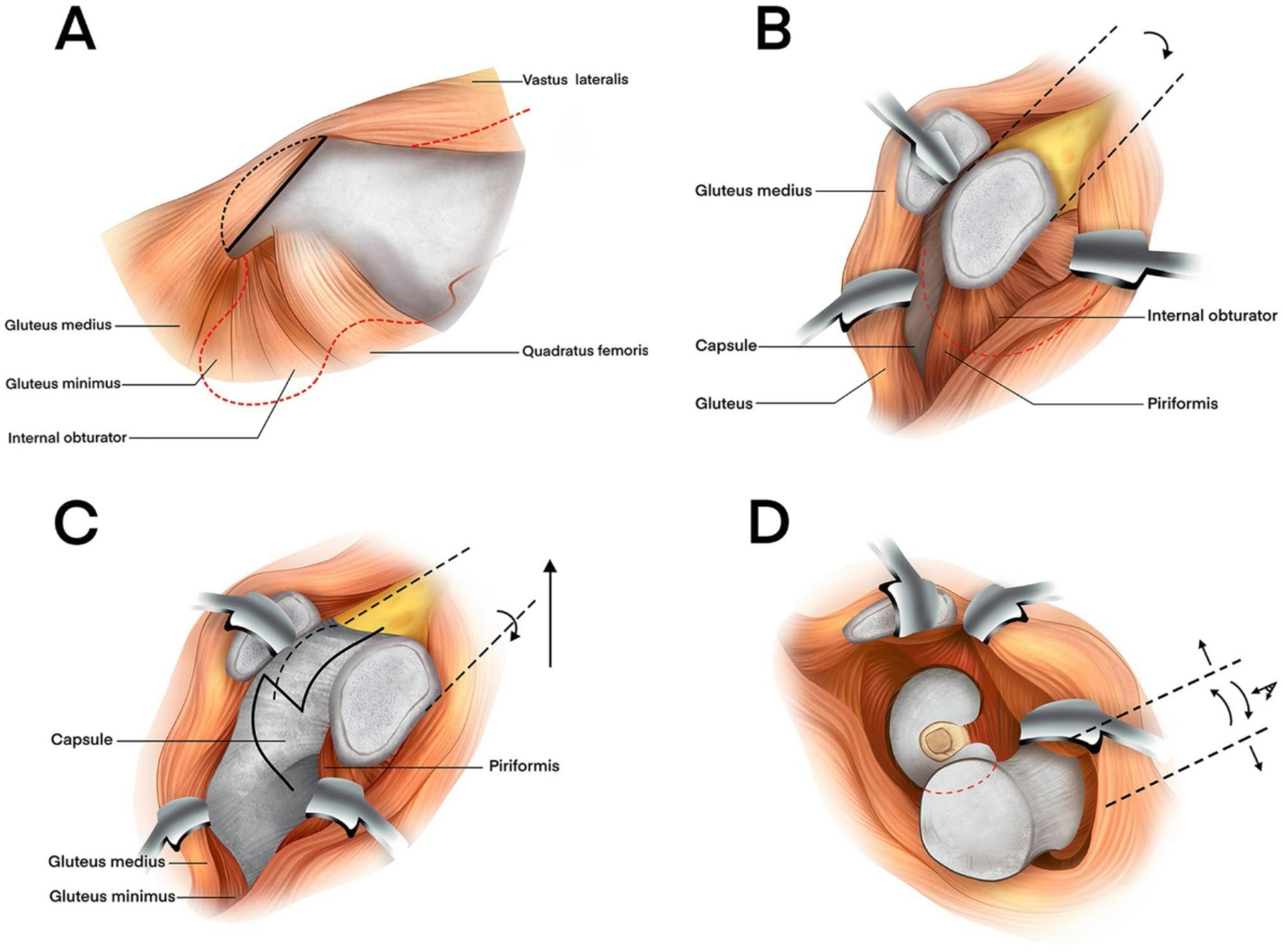 Figure 1
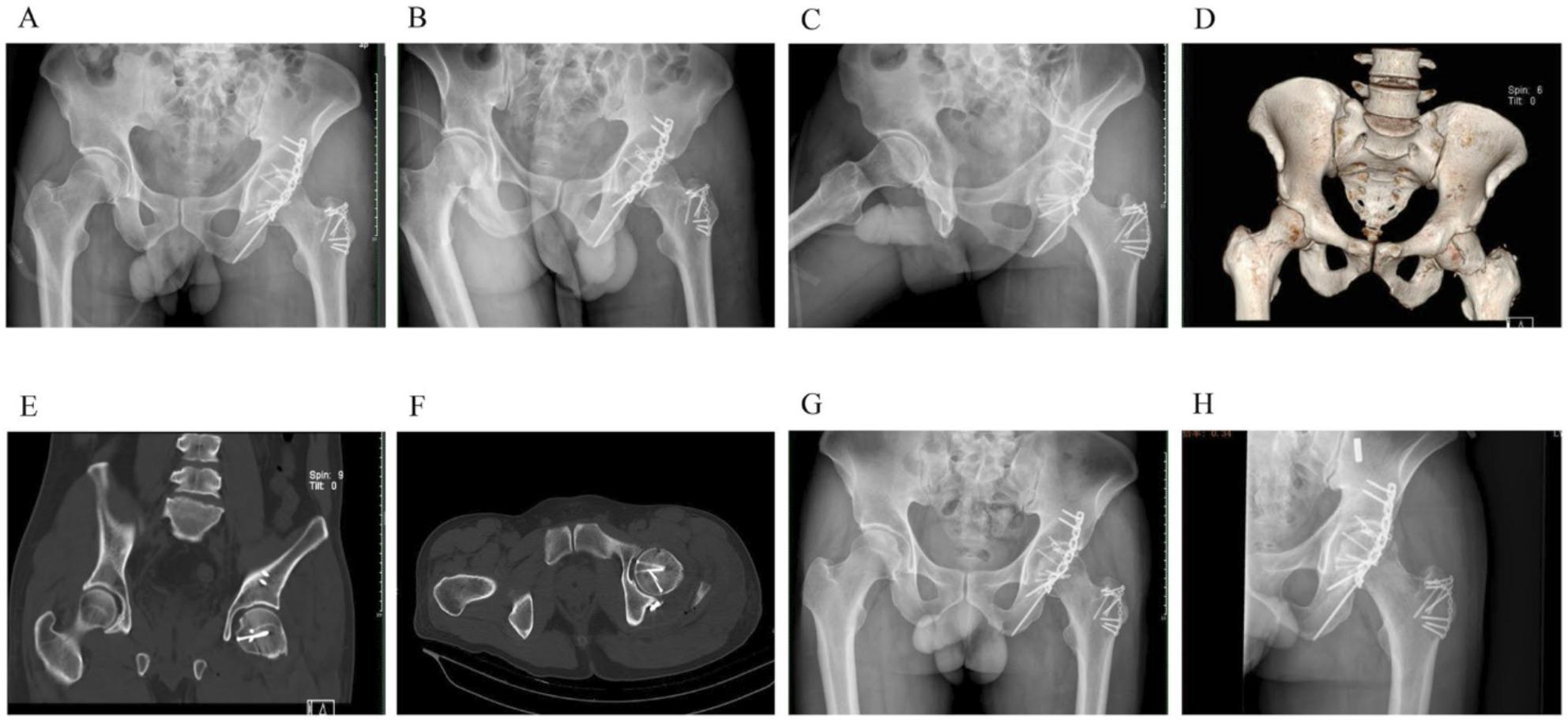 Figure 2
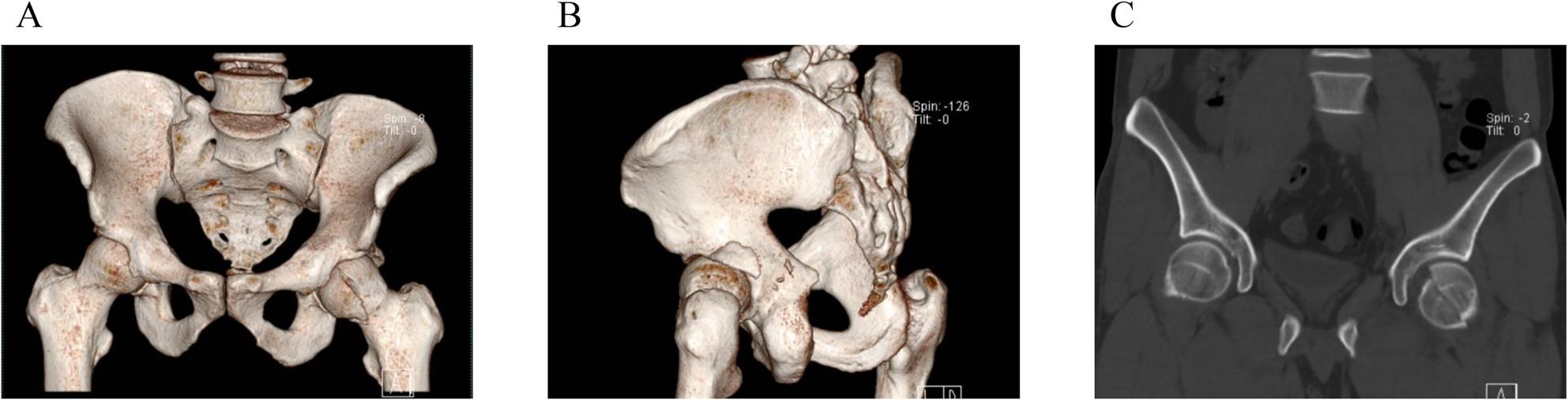 Figure 3
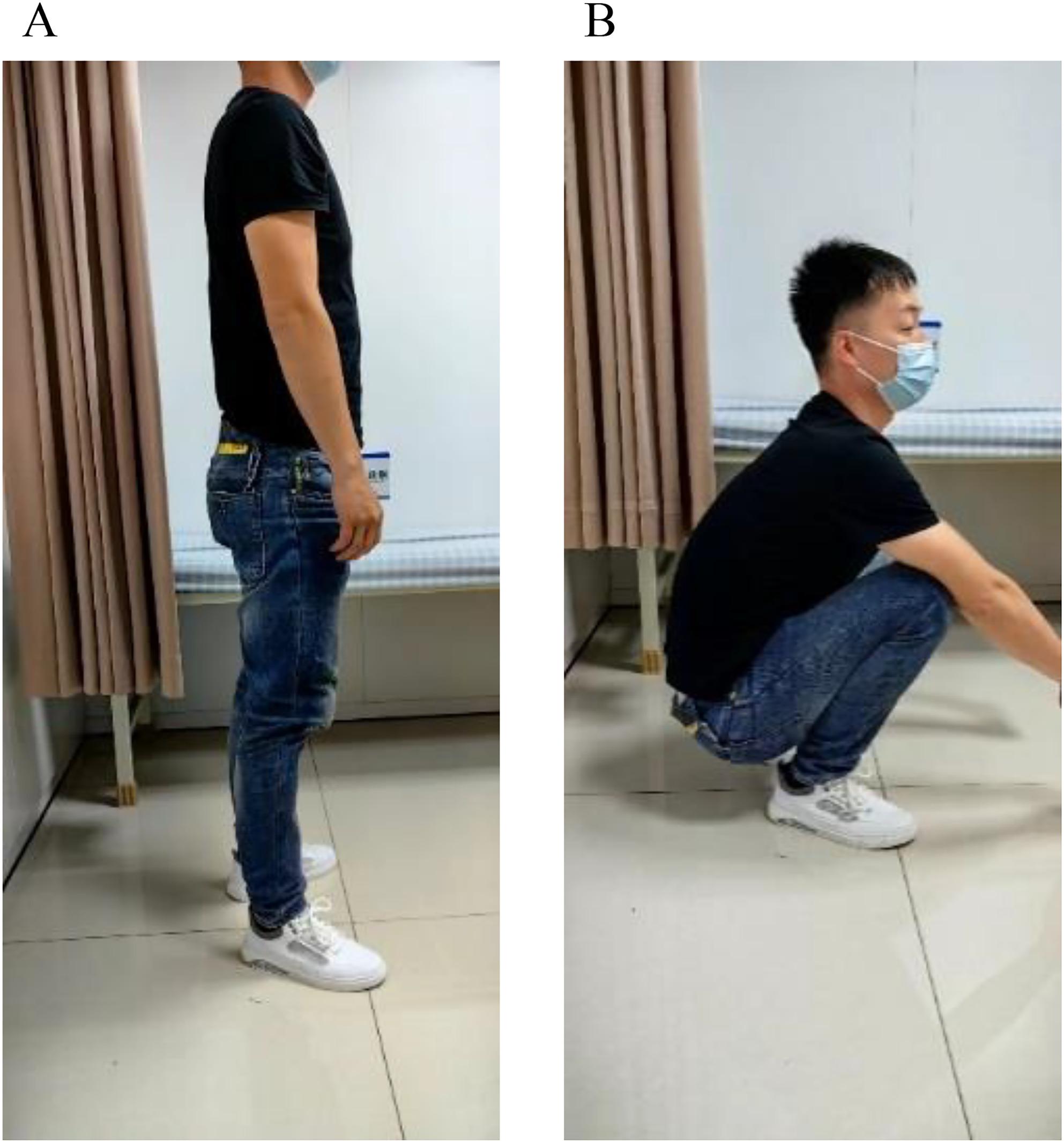 Figure 4
Peer Reviews
No public reviews on file for this paper yet. If you reviewed it on a platform where reviews are public (OpenReview, ICLR, NeurIPS, ICML), you can paste yours below so the community can read it here.
Videos
No videos yet. Explain this paper in a talk, walkthrough, or lecture? Add one.
Taxonomy
TopicsHip disorders and treatments · Hip and Femur Fractures · Bone fractures and treatments
Correction to: BMC Surg 25, 587 (2025)
https://doi.org/10.1186/s12893-025-03301-0
In this article [1], The Figs. 1 and 3 appeared incorrectly and have now been corrected in the original publication. For completeness and transparency, the old incorrect and correct versions are displayed below. The original article has been corrected.
Incorrect Fig. 1:
Fig. 1A 32-year-old male patient with a left hip injury caused by a traffic injury. Diagnosis: Fracture of the left femoral head (Pipkin type IV), fracture of the left posterior wall of the acetabulum. Greater trochanter osteotomy was performed 7 days after injury using Ganz approach under general anesthesia. The left acetabular fracture and left femoral head fracture were treated with open reduction and internal fixation. The acetabular fracture was fixed with plates and screws, the femoral head fracture was fixed with counterburied screws, and the greater trochanter was fixed with screws and plates. A-C: Preoperative CT scan showed a fracture of the left femoral head (Pipkin type IV) with significant displacement of the fracture end and a fracture of the posterior lateral wall of the acetabulum
Incorrect Fig. 3:
Fig. 2. The status of the male patient 12 months after surgery. A and B: 12 months after surgery, the patient's gross functional position photos showed good functional recovery of the affected hip, and the hip Harris score was 96
Correct Fig. 1:
Fig. 3A 32-year-old male patient with a left hip injury caused by a traffic injury. Diagnosis: Fracture of the left femoral head (Pipkin type IV), fracture of the left posterior wall of the acetabulum. Greater trochanter osteotomy was performed 7 days after injury using Ganz approach under general anesthesia. The left acetabular fracture and left femoral head fracture were treated with open reduction and internal fixation. The acetabular fracture was fixed with plates and screws, the femoral head fracture was fixed with counterburied screws, and the greater trochanter was fixed with screws and plates. A-C: Preoperative CT scan showed a fracture of the left femoral head (Pipkin type IV) with significant displacement of the fracture end and a fracture of the posterior lateral wall of the acetabulum
Correct Fig. 3:
Fig. 4. The status of the male patient 12 months after surgery. A and B: 12 months after surgery, the patient's gross functional position photos showed good functional recovery of the affected hip, and the hip Harris score was 96