Multidrug‐Resistant Anal and Perianal Tuberculosis: A Case Report From the Pneumo‐Phthisiology Department of Conakry University Hospital, Guinea
Oumou Hawa Diallo, Mamadou Hawa Camara, Boubacar Djelo Diallo, Thierno Mouctar Bah, Ousmane N′Namarie Camara, Aboubacar Camara, Lansana Mady Camara

TL;DR
A rare case of multidrug-resistant anal tuberculosis in Guinea highlights the importance of considering this condition in chronic anal lesions.
Contribution
This case report documents a rare manifestation of MDR tuberculosis in the anal region and emphasizes diagnostic and therapeutic considerations.
Findings
MDR anal tuberculosis is a rare extrapulmonary form that can mimic lymphoma.
Second-line antituberculosis therapy improved anal lesions despite initial chemotherapy failure.
Tuberculin skin test and GeneXpert MTB/RIF are useful in diagnosing MDR tuberculosis.
Abstract
Multidrug‐resistant (MDR) anal and perianal tuberculosis constitutes an exceptionally rare form of extrapulmonary tuberculosis. We report a case of MDR anal and perianal tuberculosis diagnosed and managed in the Pneumo‐Phthisiology Department of Ignace Deen University Hospital in Conakry, Guinea. Mrs. M.B., a 33‐year‐old housewife residing in Tombolia (Conakry), with no notable medical history, presented to the General Surgery Department of Ignace Deen University Hospital on 24 February 2023 with fever, abdominal pain, constipation, and painful swelling of the anal and perianal region. Following a hemorrhoidectomy, histopathological examination of the surgical specimen initially suggested a diagnosis of diffuse large B‐cell lymphoma of the anal region. Consequently, CHOP chemotherapy (Adriamycin, cyclophosphamide, vincristine, and prednisolone) was initiated on 10 March 2023 in the…
Genes, proteins, chemicals, diseases, species, mutations and cell lines named across the full text — each resolved to its canonical identifier and authoritative record.
Click any figure to enlarge with its caption.
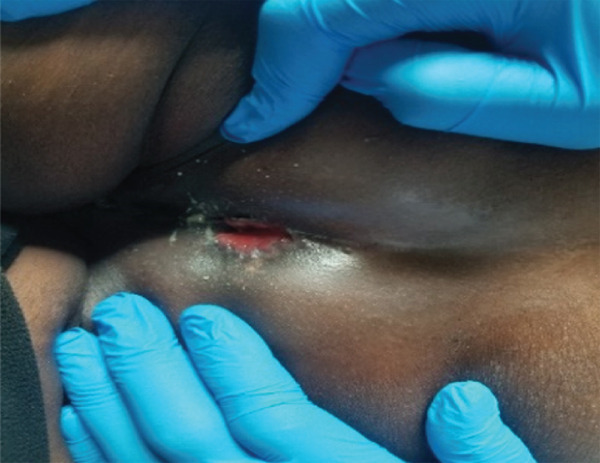 Figure 1
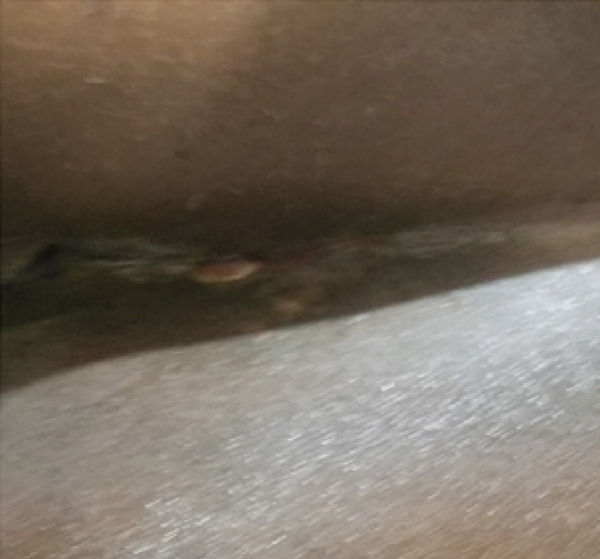 Figure 2
Peer Reviews
No public reviews on file for this paper yet. If you reviewed it on a platform where reviews are public (OpenReview, ICLR, NeurIPS, ICML), you can paste yours below so the community can read it here.
Videos
No videos yet. Explain this paper in a talk, walkthrough, or lecture? Add one.
Taxonomy
TopicsDiagnosis and treatment of tuberculosis · Infectious Diseases and Tuberculosis · Appendicitis Diagnosis and Management
1. Introduction
Significant progress has been made in recent years in the diagnosis of tuberculosis (TB) in low‐ and middle‐income countries. This shift followed the recognition that reliance on acid‐fast bacilli smear microscopy alone was insufficient to address the dual challenges posed by human immunodeficiency virus (HIV)–associated TB and drug‐resistant TB—two threats capable of reversing global TB‐control achievements [1].
TB remains one of the leading causes of morbidity and mortality worldwide. According to the World Health Organization (WHO), 10.8 million new TB cases were reported in 2023, with 1.25 million associated deaths [2]. Although TB predominantly affects the lungs, extrapulmonary involvement can occur at virtually any anatomical site [3, 4]. Extrapulmonary drug‐resistant tuberculosis (DR‐EPTB) presents substantial diagnostic and therapeutic difficulties [5]. Extrapulmonary TB represents less than 15% of all TB cases, and intestinal TB accounts for fewer than 1% of extrapulmonary cases [6, 7].
Early diagnosis of intestinal TB—particularly involving the anal and perianal regions—remains challenging due to its nonspecific presentation, which frequently mimics other gastrointestinal disorders. Anal and perianal TB are extremely rare, with only a limited number of tuberculous anal fistulas documented in the literature [8, 9].
Malignant lymphomas, characterized by clonal proliferation of mature B or T lymphocytes, may initially mimic chronic infectious diseases, including lymph node TB. However, anal and perianal presentations of lymphoma are rare.
Here, we report a case of multidrug‐resistant anal and perianal TB in a young, HIV‐negative woman hospitalized in the Pneumo‐Phthisiology Department of Ignace Deen University Hospital Center.
2. Clinical Case
Mrs. M.B., a 33‐year‐old housewife residing in Tombolia (Conakry) with no significant past medical history, presented to the General Surgery Department of Ignace Deen University Hospital on 24 February 2023 with a 2‐month history of fever, abdominal pain, constipation, and chronic anal and perianal swelling. The initial differential diagnoses included external hemorrhoids and a rectal tumor. A hemorrhoidectomy was performed, and the specimen was submitted for histopathological analysis, which reported diffuse large‐cell lymphoma of the anal and perianal region.
She was referred to the Hematology Department for further evaluation. Laboratory investigations revealed the following: hemoglobin 10.2 g/dL, leukocytes 6.2 × 10^9^/L, platelets 498 × 10^3^/m m ^3^, mean corpuscular volume 84.5 fL, mean corpuscular hemoglobin 24.4 pg, mean corpuscular hemoglobin concentration 23.9 pg, hematocrit 35.3%, and lymphocytes 19.5%; HIV serology negative and hepatitis B surface antigen negative; blood group A Rh positive; serum creatinine 50.33 μmol/L (creatinine clearance 157.76 mL/min); lactate dehydrogenase (LDH) 330 μmol/L; and blood glucose 4.07 μmol/L.
CHOP chemotherapy (Adriblastin 50 mg, cyclophosphamide 750 mg, vincristine 1.4 mg, and prednisolone 40 mg) was initiated. The clinical course was unfavorable, with chemotherapy‐induced vomiting, scalp alopecia, persistent anal and perianal lesions, fever, and progressive weight loss after three cycles. Given the lack of improvement, an intradermal tuberculin skin test (TST) was performed and was strongly positive (15 mm), prompting referral to the Pneumo‐Phthisiology Department for suspected TB.
Upon admission, the patient weighed 60 kg, measured 170 cm (BMI 20.7 kg/m^2^), and had a temperature of 37.8°C, pulse 104 beats/min, respiratory rate 24 breaths/min, and blood pressure 98/65 mmHg. She had a family history of TB and no toxic habits. Proctologic examination revealed a superficial anal wound with yellowish serous discharge (Figure 1). Respiratory examination was unremarkable. Microbiological testing confirmed TB: Stool Xpert MTB/RIF detected Mycobacterium tuberculosis resistant to rifampicin, and a line probe assay (LPA) identified resistance to both rifampicin and isoniazid. Sputum Xpert MTB/RIF was negative for acid‐fast bacilli, and chest radiography was normal. Abdominal and pelvic ultrasound showed multiple intra‐abdominal lymphadenopathies of variable size in the coeliomesenteric and para‐aortic regions without ascites. A second‐line short‐course anti‐TB regimen for multidrug‐resistant anal and perianal TB was initiated according to national guidelines: bedaquiline, high‐dose isoniazid, moxifloxacin, prothionamide, clofazimine, ethambutol, and pyrazinamide (Bdq, Hhn, Mfx, Pto, Cfz, E, and Z) for 9 months, structured as 4 months of Bdq–Pto–Mfx–Cfz–Hhn–E–Z followed by 5 months of Mfx–Cfz–E–Z.
Perianal area at 2 months 14 days postoperatively (M0) at the time of diagnosis of multidrug‐resistant anal and perianal tuberculosis.
After 1 month of treatment, the patient developed abdominal pain, semiliquid diarrhea (five episodes/day), anorexia, and abdominal distension with a positive fluid‐thrill sign. The anal and perianal lesions, however, showed significant improvement. Stool culture isolated Escherichia coli sensitive to ciprofloxacin. Abdominopelvic ultrasound revealed multiple intra‐abdominal lymphadenopathies and moderate ascites. LDH had increased to 484 IU/L (normal 190–445). Xpert MTB/RIF on ascitic fluid was negative, and cytological examination was noncontributory. Management included rehydration (Ringer′s lactate 2 bags/day and 0.9% saline 2 bags/day for 6 days), Nutrisan infusion, oral ciprofloxacin 500 mg twice daily, and folic acid–iron supplementation (one tablet twice daily). Nutritional rehabilitation with wheat‐based WFP flour (three meals/day) and repeated therapeutic paracenteses were also provided.
At Month 3 of treatment, she developed intercostal herpes zoster. Dermatology consultation led to initiation of oral acyclovir 200 mg (two tablets twice daily) and topical acyclovir ointment twice daily. By Month 4 (15 September 2023), the cutaneous lesions had healed, and her appetite had improved. Clinical evolution was favorable, with progressive weight gain: 65 kg at Month 5, 67 kg at Month 6, 68 kg at Month 7, 69 kg at Month 8, and 70 kg at the end of Month 9. The patient was declared cured after completing treatment, with complete healing of the anal and perianal lesions (Figures 1 and 2).
Perianal region at 4 months of second‐line tuberculosis treatment.
3. Discussion
TB remains a major public health concern in developing countries, including Guinea. In 2023, the country reported 20,011 cases of all forms of TB, corresponding to an incidence of 175 per 100,000 population [10]. Anal and perianal TB are exceptionally rare manifestations of extrapulmonary TB. Most reported cases occur in the context of active pulmonary disease; however, our patient presented with an isolated anal and perianal localization, with no clinical, radiological, or bacteriological evidence of pulmonary involvement. The true prevalence of anal and perianal TB is unknown but is estimated to represent 0.3%–16% of anal fistulas depending on the series [9]. This condition predominantly affects young adult males aged 20–40 years, particularly those who are immunocompromised, most commonly due to HIV infection [8, 9, 11]. In contrast, our patient was a young HIV‐negative woman. Diagnostic confirmation of anal TB is often challenging because the disease is rarely considered initially. Extrapulmonary TB frequently mimics common infections or inflammatory conditions of the anorectal region, resulting in significant diagnostic delays [12]. The clinical manifestations overlap with those of other anal disorders, including Crohn′s disease, chronic suppurative infections, and anal carcinoma [13]. Pathophysiologically, gastrointestinal involvement by Mycobacterium tuberculosis may result from ingestion of infected sputum, hematogenous dissemination, or reactivation of latent infection within regional lymph nodes [7]. Although several diagnostic tools are available, early diagnosis remains difficult because there is no pathognomonic clinical sign, and the presentation may be ulcerative, fistulous, or nodular [8]. In our case, the initial histopathological analysis suggested diffuse large‐cell lymphoma, and bacteriological examination of the surgical specimen was not performed. The gold standard for diagnosis remains the identification of epithelioid granulomas with multinucleated giant cells and caseous necrosis on histological examination of fistula edges or excised tissue [14]. However, molecular tests such as Xpert MTB/RIF have revolutionized diagnostic capacity, enabling rapid detection of Mycobacterium tuberculosis and rifampicin resistance [12, 15–17]. In our patient, confirmation of MDR TB was obtained through stool PCR testing, which may reflect ingestion of infected secretions even in the absence of radiographic pulmonary involvement [18]. The development of herpes zoster lesions and ascites during treatment may be attributed to immunosuppression secondary to prior chemotherapy, which is known to increase susceptibility to opportunistic infections and viral reactivation.
Overall, this case illustrates the diagnostic difficulty of anal and perianal TB, particularly in atypical presentations and in the absence of pulmonary disease. The delay in diagnosis resulted in unnecessary chemotherapy and contributed to clinical deterioration.
4. Conclusion
Multidrug‐resistant anal and perianal TB is a rare form of extrapulmonary TB. In regions where TB is highly endemic, clinicians should consider this diagnosis in any chronic ulcerative or fistulous lesion of the anal or perianal region. Early recognition is essential to prevent misdiagnosis and inappropriate treatment. Management is primarily medical and relies on second‐line anti‐TB therapy according to national and WHO recommendations to avoid complications and ensure complete recovery.
Funding
No funding was received for this manuscript.
Consent
Informed oral consent was obtained from the patient for publication of this case study and any accompanying images or data.
Conflicts of Interest
The authors declare no conflicts of interest.
The reference list from the paper itself. Each links out to its DOI / PubMed record.
- 1Boehme C. , Saacks S. , and O′Brien R. , The Changing Landscape of Diagnostic Services for Tuberculosis, Semin Respir Crit Care Med. (2013) 34, no. 1, 17–031, 10.1055/s-0032-1333468, 2-s 2.0-84874398855, 23460003.23460003 · doi ↗ · pubmed ↗
- 2World Health Organization , WHO. Global Tuberculosis Report, 2024, 2024, https://www.who.int/publications/i/item/9789240101531.
- 3Saibaba B. , Meena U. K. , Behera P. , and Meena R. C. , Multicentric Spinal Tuberculosis With Sternoclavicular Joint Involvement: A Rare Presentation, Case Report in Pulmonology.(2014) 2014, 1–4, 685406, 10.1155/2014/685406, 25389505.PMC 421736325389505 · doi ↗ · pubmed ↗
- 4Addai Y. N. , Acquah S. E. K. , Ganu H. M. , Vicar E. K. , Zeyeh D. , Karim A. A. , Williams W. , Attipoe I. M. , and Quaye L. , Extrapulmonary Tuberculosis in Africa: Molecular Analysis of Clinical Specimens of Suspected Cases in Northern Ghana, Public Health Challenges. (2024) 3, no. 1, e 160, 10.1002/puh 2.160.40497073 PMC 12060768 · doi ↗ · pubmed ↗
- 5Lohiya S. , Tripathy J. P. , Sagili K. , Khanna V. , Kumar R. , Ojha A. , Bhatnagar A. , and Khanna A. , Does Drug-Resistant Extrapulmonary Tuberculosis Hinder TB Elimination Plans? A Case From Delhi, India, Tropical medicine and infectious disease. (2020) 5, no. 3, 109, 10.3390/tropicalmed 5030109, 32630163.32630163 PMC 7558170 · doi ↗ · pubmed ↗
- 6Ibn Majdoub Hassani K. , Ait Laalim S. , Toughrai I. , and Mazaz K. , Perianal Tuberculosis: A Case Report and a Review of the literature, Case reports in infectious diseases. (2012) 2012, 4, 852763, 10.1155/2012/852763, 23346433.23346433 PMC 3546444 · doi ↗ · pubmed ↗
- 7Azon-Kouanou A. , Gbéssi D. G. , Agbodande K. A. , Prudencio R. D. , Adè S. , Sèhonou J. , Zannou D. M. , Togbé J. O. , Adè G. , and Houngbé F. , Tuberculose: ganglionnaire et anale à Mycobactérium tuberculosis d′emblée résistante à la rifampicine à propos d′un cas, Revue Africaine de Médecine Interne. (2016) 3, no. 1, 65–70.
- 8Bakali Y. , Alami S. , Najah M. , Chabni A. , Liraqui H. , Ehirchiou A. , and Alkandry S. , Difficultés de prise en charge de la fistule anale tuberculeuse en pays d′endémie: à propos de deux cas et revue de la littérature, Journal Africain d′Hépato-Gastroentérologie. (2012) 6, no. 1, 72–74, 10.1007/s 12157-012-0357-4, 2-s 2.0-84857812562. · doi ↗