Facilitators and barriers to the formulation of public policies on food and nutrition: A scoping review
Ana Carolina Feldenheimer da Silva, Andhressa Araújo Fagundes, Cintia Chaves Curioni, Clara Cecília Ribeiro de Sá, Gabriela Buccini, Maína Ribeiro Pereira-Castro, Mariana Souza Lopes, Luana Lara Rocha, Fernando Marcello Nunes Pereira, Elisabetta Recine

TL;DR
This study reviews factors that help or hinder the creation of food and nutrition policies in different countries.
Contribution
The study systematically categorizes facilitators and barriers to policy formulation in food and nutrition across diverse global contexts.
Findings
Seven categories of facilitators and barriers were identified, including governance and political will.
The study spans 28 countries across five continents, showing global relevance.
Conflict of interest and private sector interference were unique barriers.
Abstract
This scoping review aims to identify facilitators and barriers to the formulation of public policies on food and nutrition across different contexts. The Scope review was conducted in seven databases. The search strategy was designed using research terms (and their derivatives) and included combinations of ‘nutrition’, ‘food’, ‘policy’, ‘guideline’, ‘action plan’, ‘strategy’, and ‘process’. All stages of data selection and extraction were independently performed by pairs of researchers. A narrative synthesis was developed to present the findings. A total of 17 articles were published in scientific journals, containing data from 28 countries across five continents (Africa, North and South America, Asia, Europe, and Oceania). The studies, published between 1979 and 2023, documented processes for developing policies, programs, and public plans for food and nutrition. The facilitators and…
Genes, proteins, chemicals, diseases, species, mutations and cell lines named across the full text — each resolved to its canonical identifier and authoritative record.
Click any figure to enlarge with its caption.
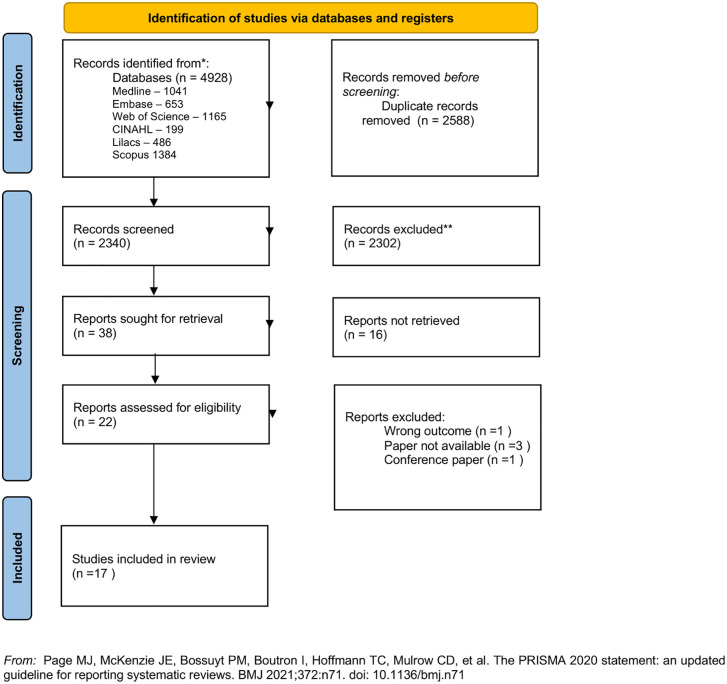 Fig 1
Fig 1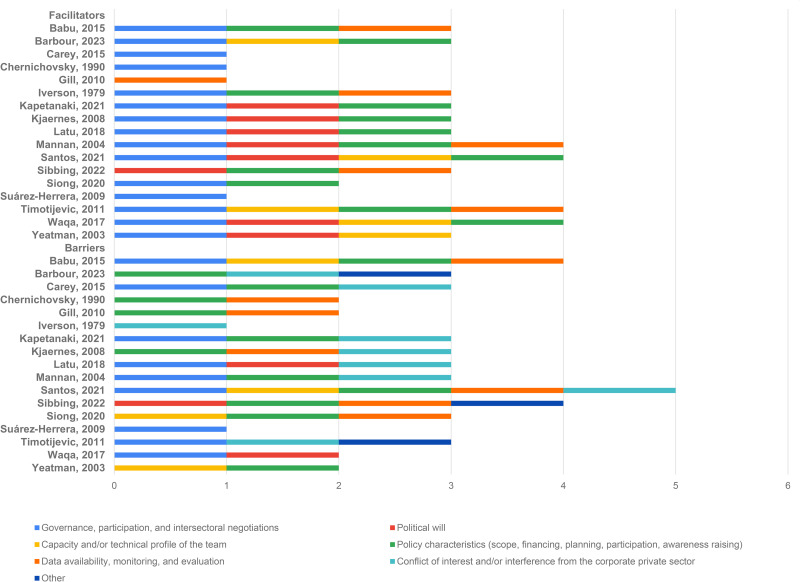 Fig 2
Fig 2- —http://dx.doi.org/10.13039/501100003593Conselho Nacional de Desenvolvimento Científico e Tecnológico
Peer Reviews
No public reviews on file for this paper yet. If you reviewed it on a platform where reviews are public (OpenReview, ICLR, NeurIPS, ICML), you can paste yours below so the community can read it here.
Videos
No videos yet. Explain this paper in a talk, walkthrough, or lecture? Add one.
Taxonomy
TopicsChild Nutrition and Water Access · Food Security and Health in Diverse Populations · Global Public Health Policies and Epidemiology
Introduction
Malnutrition, which encompasses all health outcomes related to undernutrition, weight and height deficits, inadequate intake of macro and micronutrients, overweight, obesity, and chronic non-communicable diseases (NCDs), is a significant global public health challenge [1]. These outcomes are the ones most likely to increase the global burden of disease [2–4]. It is estimated that, in 2022, about 890 million people worldwide were obese and almost 400 million had malnutrition, while 150 million children had height deficit and 45 million had weight deficit [5].
Currently, all countries must deal with at least a combination of malnutrition-related outcomes. In fact, projections for 2030 show that the global prevalence of low-birth-weight newborns, anemia in women aged 15–49 years old, and obesity among adults may affect 14.2%, 32.3% of the world population, and more than 1.2 billion adults, respectively. Such rates are far from reaching the agreed reduction targets [6]. Agendas such as the Sustainable Development Goals (SDGs), in particular SDG 1 – No Poverty, SDG 2 – Zero Hunger and Sustainable Agriculture, and SDG 3 – Good Health and Well-Being, are global initiatives to mitigate the impacts of malnutrition [7].
However, owing to the complexity of these phenomena, the reduction and the ultimate elimination of all forms of malnutrition is still a challenging goal that is far from being achieved by countries. Changing the current scenario requires the development and implementation of effective public policies that can integrate intersectoral measures and address the different determinants of malnutrition [1]. Public policies on food and nutrition play a crucial role in promoting adequate and healthy eating, preventing diseases, and ensuring human rights to adequate food and health [8]. The development of effective policies can potentially impact the health of populations as well as improve economic and social indicators [9].
A few decades ago, different guidelines were published for the formulation of public policies in the field of food and nutrition [10,11]. In the public policy cycle, the policy design process involves several social actors and various interests, and it goes through different stages, for example, raising awareness of realities and challenges, identifying priorities, drawing on successful experiences, evaluating actions that were implemented previously, and ensuring that different sectors are equally considered [12]. Although formal processes have been defined in the public policy cycle, there is little evidence about factors that strengthen and/or undermine the policy development process.
By examining previous experiences and lessons learned, this study seeks to identify patterns and strategies which can inform and guide the formulation of policies that are more effective and tailored to specific needs. In addition, it discusses how different actors - including governments, non-governmental organizations, the private sector, and civil society - interact and collaborate - or not - to formulate policies focused on coping with the main challenges posed by malnutrition. Thus, the objective of this study was to explore facilitators and barriers to the formulation of public policies on food and nutrition focused on responding to the main challenges posed by all forms of malnutrition.
Method
To ensure a robust and reproducible process, evidence was collected on the process of designing public policies on food and nutrition, based on the guidelines of the Preferred Reporting Items for Systematic Reviews and Meta-Analyses extension for Scoping Reviews (PRISMA-SCR) for reporting results, and according to the methodology proposed by the Joanna Briggs Institute [13]. This review was registered in the Open Science Framework - available at https://osf.io/23yah.
Research question
The formulation of the research question was based on the Population, Concept, and Context (PCC) framework proposed by the Joanna Briggs Institute [13]: Population (P): Public policies, programs, and plans for food and nutrition in any geographic or institutional context; Concept (C): factors that were considered facilitators and/or barriers during the formulation of public policies, programs and plans for food and nutrition; and Context (C), which explores how these facilitators and barriers affected the process of developing public policies, programs, and plans for food and nutrition. Based on this structure, to address the process of developing public policies, programs and plans for food and nutrition, the following research question has been formulated for the present review: What are the facilitators and barriers to the formulation of public policies, programs, and plans for food and nutrition? Table 1 shows the detailed definitions for the terms used in this review.
Table 1: Definition of key concepts included in the study.
Search strategy
A systematic search for published studies was first performed on June 5, 2023 and updated on December 4, 2024, in the online databases MEDLINE, Scopus, Web of Science, EMBASE, CINAHL, and Lilacs. The search strategy was built with search terms (and derivatives) developed from the Medical Subject Headings (MeSH), including combinations of the terms ‘nutrition’, ‘food’, with ‘policy’, ‘guideline’, ‘action plan’, ‘strategy’, and ‘process’. The descriptors and the search strategy used in each database are explained in S1 Text.
Searches were performed without language and date of publication restrictions. All searches in the databases were performed simultaneously. The references were exported to the Zotero reference manager for deletion of duplicates, and they were later transferred to Rayyan for the selection of studies.
Eligibility criteria
The present study included articles that were published online in peer-reviewed journals, and addressed strategies, methodologies, evaluations of the process of development of food and nutrition policies, reflections, lessons learned, as well as guidelines or conceptual frameworks relative to the formulation of these policies. Studies were excluded if they: (a) did not address the design of food and nutrition policies; (b) evaluated the implementation or impact of policies; (c) compared the content or adequacy of policies and plans with international commitments or guidelines; (d) addressed the development of actions beyond the executive level as laws, regulations, or legislative/judicial projects and voluntary programs; (e) were clinical, intervention or population studies. Despite containing data on public policy formulation, grey literature, including government technical reports, information notes, and documents from international agencies, was excluded from the search. Only studies presenting results or reflections on the public policy formulation process, and published in peer-reviewed journals, with reflections about the formulation process were included.
Selection of studies
The articles were selected independently by two pairs of reviewers with the help of the Rayyan software. In the first stage, the titles and abstracts were analyzed to verify compliance with the eligibility criteria. In the second stage, the selected articles were read in full. Any disagreements between the reviewers were resolved by bringing in a third reviewer in both stages: abstract selection and full reading of the articles.
Data extraction
The extracted variables included: country of the study, title, contact email, scope of action development, type of action developed, name of the plan/program/policy, objective of the plan/program/policy, description of the action, facilitators identified by the authors, barriers identified by the authors, actors involved in the process, and the target audience of the action. The data were extracted by two pairs of reviewers, using a standardized data extraction form developed for this purpose in Google Forms. Any disagreements in the extraction of the data were resolved by bringing in a third reviewer.
Data synthesis
Data synthesis involved the identification and categorization of facilitators and barriers to the development of public food and nutrition policies, with the aim of creating a comprehensive view of the dynamics involved in this process.
The definition of each facilitator/barrier is described in Table 2. The facilitators and barriers were categorized according to the themes found in the studies. Regardless of some studies being multicentered, challenges and barriers were identified only once per study, each observation was considered once on the analysis. No weighting was performed based on the number of countries.
Table 2: Definition of categories for classification of facilitators and barriers.
After defining the categories of facilitators and barriers, narrative synthesis was performed based on the similarity of themes and then organized according to the nature of information. The reviewers classified the facilitators and barriers inductively by reading the documents in full. Each element was classified by two researchers working separately and independently, and the disagreements were analyzed by two other researchers. Subsequently, these classifications were grouped and categorized. The categories described in Table 2 were defined after the reviewers read all the elements extracted from the articles and grouped them by thematic categories. Each situation extracted from the articles was analyzed by four pairs of researchers and if they had a different understanding during classification, the cases were discussed until the group achieved a consensus. The information extracted was used in the narrative synthesis of the findings. Since this review sought to provide an overview of the policymaking process in the field of food and nutrition, the quality of the studies was not evaluated [20].
Results
The search strategy obtained 4,928 results. After the removal of duplicates (n = 2,588), there were 2,340 single records left, and 38 of them were considered suitable for full text screening in accordance with eligibility criteria. At the end, 17 articles published in peer-reviewed scientific journals were included (Fig 1).
PRISMA-ScR flow diagram of the selection process of the articles included in the review.
Table 3 shows the scope of policies, programs, and plans evaluated in the manuscripts included in this review. The studies were published between 1979 and 2023, and 58.8% (n = 10) were published in the last 15 years. They discussed processes of development of policies, programs, and plans designed by the government on food and nutrition in 28 countries across the continents: five from Oceania, four from Europe; 3 from North and South America; one from Asia and 3 studies conducted in more than one continent (Asia and Africa; America, Oceania, Europa; America, Europa and Africa). At the jurisdictional level, 64.7% of the manuscripts addressed policies, programs or plans for food and nutrition at the national level (n = 11), and 70.6% referred exclusively to public policies (n = 12).
Table 3: Characteristics of the reviewed studies and the scope of the evaluated policies, programs, and plans for food and nutrition.
The objectives of the most frequently mentioned public food and nutrition policies, programs and plans included healthy eating and food and nutrition security, both at the local and national level, and the quest for a healthier and more sustainable food system (n = 3). Other recurring goals were to strengthen governance and plan food policies, including the creation of tools for problem analysis and adherence to international agreements on urban food policies (n = 3). The articles also mentioned objectives for public health, such as reducing the incidence of health problems in the population, and encouraging healthy and sustainable food choices (n = 2). Finally, some initiatives highlighted the economic development of the food sector, focusing on the growth of the food and beverage industry, the health safety of food products, and the adoption of sustainable procurement practices in public procurement (n = 3).
The audience most frequently cited in public food and nutrition policies, programs and plans was the general population of the countries, states, or cities involved (n = 9), followed by public policymakers (n = 2). The interviewed actors that were most frequently involved in the process of careful consideration during the development of these initiatives, were local managers (n = 6), civil society (n = 5), researchers (n = 5), non-governmental organizations (NGOs) (n = 5), and government sectors such as health and agriculture (officers in federal departments, ministers, and government managers) (n = 5).
Fig 2 shows a systematization of facilitators and barriers often found while designing public policies, programs, and plans for food and nutrition. Importantly, except for “conflict of interest” and “interference from the private sector”, the other categories of facilitators and barriers have a dual characteristic, that is, they may apply to either one of the categories depending on the situation.
Categorization of facilitators and barriers identified by studies that described the processes of design of policies, programs, and plans for food and nutrition.
The most frequent facilitators were governance, participation mechanisms, and intersectoral negotiations (88.2%, n = 15), which includes, for example, social participation, consultation with researchers for the formulation of initiatives, connection with international leaders or agencies, creation of advisory council, and conflict resolution through negotiation. Next, policy characteristics (scope, funding, planning, participation, awareness raising) was the second most identified facilitator (70.6%, n = 12), which includes recognition of cultural aspects, alignment of state and federal policies on the agenda of action, recognition of nutrition as a social problem, definition of public budget, use of scientific evidence, and carefully considering the needs and priorities of the population. Political will (47.1%, n = 8), availability of data for situational and/or nutritional diagnosis, monitoring, and evaluation (35.3%, n = 6), and capacity and/or technical profile of the team (29.4%, n = 5) were also identified as facilitators. Table 4 shows a detailed description of these data.
Table 4: Description of facilitators and barriers identified by studies that described the processes of formulation of policies, programs and plans for food and nutrition.
The most frequent barrier was related to policy characteristics (scope, funding, planning, participation, awareness raising) (70.6%, n = 12); it includes no prevision of financial resources for policy implementation, corruption involving the public budget, cultural and linguistic diversity in the scope of the initiative, which may cause barriers such as low coverage and use of the health system, low priority for the nutrition and public health agenda, and previous laws and regulations may have objectives that conflict with the policy under development. For example, a national law permitting pesticide use may contradict local community efforts to implement organic farming, highlighting the need to address such inconsistencies in the policy formulation process. The second most frequently mentioned barrier was governance, participation, and intersectoral negotiations (52.9%, n = 9), which includes, for example, insufficient discussions and intersectoral negotiations, lack of trust across sectors, lack of transparency in the activities and stages of the design process, interdependence and asymmetry of power, and lack of consultation with stakeholders.
Facilitators were the availability of data for situational diagnosis, monitoring, and evaluation (41.2%, n = 7), capacity and/or technical profile of the team (23.5%, n = 4), and political will (17.6%, n = 3). Conflict of interest and interference from the private sector (47.1%, n = 8) stood out among barriers, which also include conflicting interests among stakeholders, strong participation of the food processing industry in discussions on initiatives, strong lobbying power of large food corporations, and action of the food industry to delay or prevent the approval of the policy. The “Other” category was also included when characterizing barriers (17.6%, n = 3), and it covers impacts of the Covid-19 pandemic, adaptation of international guidelines to the local reality, and dependence on commercial and scientific experience to shape food and nutrition policies.
Discussion
The design of management tools, whether they are plans, policies or programs, are crucial to responding to the challenges of the dual burden of malnutrition. The process of designing these instruments involves a range of factors and actors and the presence or absence of these elements can facilitate or hinder this process. This study analyzed factors that were considered facilitators and/or barriers to the process of developing policies, plans, and programs.
The results were grouped into seven groups: policy characteristics (scope, funding, planning, participation, awareness raising); governance; intersectoral participation and negotiations; political will; capacity and/or technical profile of the team; data availability, monitoring, and evaluation; conflict of interest; and interference from the private sector. Facilitators and barriers were consistently identified across countries, irrespective of their political structures or geographical locations. The same factor can be considered either a facilitator or a barrier, depending on how its presence or absence interferes with the policy development process. An example is the participation of the local community in the process of formulating initiatives, which was identified as a facilitator and a barrier by Suarez-Herrera, Juan & Serra-Majem [24].
The essential characteristics for the operation of a policy are determined by the process of designing and planning it during the subsequent phases of the public policy cycle, considering the aspects that underpinned the design of such policy. A policy is structured in response to the context, considering cultural and circumstantial issues, such as gender roles, family spending patterns, and food choices [25]. Therefore, scientific evidence-based grounds and the availability of an adequate budget are crucial aspects for effective food and nutrition policies [1,12].
Santos et al. [26] and Siong et al. [27] pointed out that budget forecasting for the implementation of food and nutrition policies is one of the main aspects for implementation. Sibbing et al. [28] and Santos et al. [26] argued that the allocation of resources requires well-defined and planned actions on the government agenda. These characteristics are facilitating elements found as early as in the design stage. On the other hand, Barbour, Woods & Brimblecombe [29] pointed out that the lack of funding and/or prioritization on the political agenda can hinder this process. According to this author, another relevant barrier is the misalignment between food and nutrition policies at the different levels of management (state and federal), which can negatively affect the allocation of funds to policies.
Despite the relevance of budget (un)availability for food and nutrition policies since the design stage, this is not the only element that deserves attention. Although the starting point is to understand that food and nutrition are social issues, the participation of civil society and intersectoral negotiations are also pointed out as relevant and facilitators of this stage. In this sense, channels for direct communication with the population are needed to turn a policy, its objectives, and scope into a broad demand that, if met, can satisfy real needs [12,30–33].
While the engagement of government sectors and society in the process is considered a positive distinguishing feature, unequal participation among sectors in the process is highlighted as a barrier to policy formulation [25]. Moreover, competition between themes - which encompasses sectors and areas - is also a relevant aspect [30]. Power dispute between government areas such as health and agriculture [34], and political interference on technical bodies [33] can compromise the coherence of food and nutrition policies and programs. According to Kapetanaki, Tzempelikos & Halliday [31], power imbalance and lack of confidence among sectors can create significant barriers. Structural and political challenges can compromise the effectiveness of governance in the field of food and nutrition. Carey [35] and Timotijevic, Barnett & Raats [32] argued that the lack of accountability and the exclusion of strategic sectors make it difficult to design policies that are aligned with the needs of the population.
Evidence indicates that intersectoral collaboration in public policies, for example, food and nutrition ones, can potentially generate effective and sustainable outcomes while ensuring rights to the population, but it can also pose new challenges [36].
In this scenario of potentialities and challenges of intersectoral collaboration, it is noteworthy that intersectoral negotiations and education and training of technical staff at the governmental level can be fundamental strategies to improve governance in this field [25,35]. Kettl [21] pointed out that governance characterizes the way in which decision-making processes and interactions between governmental and non-governmental actors are organized for the design and implementation of public policies. In the process of structuring food and nutrition policies and programs, governance manifests itself through the coordination of intersectoral networks, regulation of interests, and creation of institutional mechanisms to ensure rights. Therefore, governance expresses the state’s capacity to structure policies and foster cooperation between different levels of government and social actors, according to Pierre and Peters [37]. Furthermore, Barbour, Woods & Brimblecombe [29] and Kapetanaki, Tzempelikos & Halliday [31] emphasized that social participation and the definition of shared objectives are crucial to enable effective collaborative models, especially in policies that bring together multiple sectors, such as health, social assistance, education, and agriculture.
Owing to the complex nature of the food and nutrition agenda and, consequently, the set of actions required for sustainable outcomes, different segments of society are expected to carefully consider their needs and priorities, and different sectors of government are supposed to commit to actions, allocate resources, and achieve goals [38]. Different forms of social participation tend to have a positive impact on the effectiveness of public policies by ensuring that governments taken real demands into account [39].
However, both participation and intersectoral collaboration remain as challenges in the public policy cycle, and governance structures do not foresee or delimit participation. Lack of investment in legitimate and effective processes of participation and intersectoral collaboration poses challenges that increase the impossibility of accessing different perspectives on reality and making detailed descriptions of determinants, nuances, values, and demands. These aspects can lead to bureaucratization of the process of conceiving and implementing public policies, which, in turn, may compromise results and impacts [40]. Similarly, processes that do not form partnerships or encourage actual commitment can also compromise results. Despite specific responsibilities and capabilities, all major issues nowadays demand shared commitment if they are to be addressed and solved. Intersectoral collaboration allows a more integrated and efficient approach to public policies, avoiding overlaps and gaps, and it demands a well-structured governance model.
In addition to policy characteristics, governance, and social participation, conflict of interest and interference from the industry pose significant challenges, emerging as a barrier to the design of food and nutrition public policies, and often compromising the implementation of effective regulations, transparency, and accountability of public authorities. The strong presence of the ultra-processed food industry in decision-making spaces, lobbying by large corporations, and policy capturing on the grounds of commercial interests are recurrent facts that compromise the formulation of strategies aimed at the public interest [41–43]. The studies included in this review indicate that this influence manifests itself both through the direct participation of the industry in boards and committees and through the dissemination of narratives that weaken regulatory measures, such as the taxation of sugary drinks and front-of-pack labeling [26,29,30,31,34,35,44,45]. Industrial activity is already known for its attempt to interfere with public policies, and its tactics have already been mapped out and categorized as corporate political activities (CPAs). CPAs are a series of coordinated and sophisticated strategies to protect business interests, including intimidation and defamation of critics, delegitimization of science, influence on the political process, and creation of corporate alternatives to public policies, such as voluntary programs instead of structured public policies [46].
To minimize this interference, it is essential to establish codes of conduct, strengthen mechanisms of social participation and supervision, invest in multi-institutional coordination, foster collaboration networks, and promote education and awareness of conflict of interest. These actions are fundamental to ensure that the design of public policies is grounded on scientific evidence and the human right to adequate food, without undue influence from the private sector [46,47].
Another element pointed out as important for the policy formulation process was political will, which can be understood as a political scenario in which political institutions, social norms, the historical context, and the informational environment are aligned, and the authorities with decision-making power decide to put the process in place [22]. The presence or lack of political will interfere with policy development. Some situations were seen as facilitators related to political will, namely when authorities engaged and were committed to the nutrition agenda [30,34,45], and supported the whole process; technical areas were institutionalized; the nutrition agenda was on the political agenda and in official documents [26,28,31,33]; and political committees were created [48]. This perception was found in eight studies [26,28,30,31,33,34,45,48].
Political will was understood as a barrier when policymakers were weak leaders or did not support the progress of action, for example, when there was a lack of consultation with relevant stakeholders [45], lack of commitment and collaboration of actors in processes including government officials [28] and competing government priorities [33]. It was also seen as a barrier when decision makers were not committed enough, when the nutrition agenda was not among government priorities, and when managers did not accept the proposed action. Shen [23] stated that the greater the political will, the more likely policies are to be innovative, and the more likely those policies are to be institutionalized.
In the logic of political will, leadership plays a central role in this process, with a direct influence on the formulation, implementation, and evaluation of policies. Santos [26] highlighted that leadership positions should be occupied by nutritionists with expertise in public health to counteract a history of professionals from other fields holding management positions. The former profile favors the sensitivity required to deal with the cultural, social, and technical specificities of food and nutrition in different contexts. Complementing this perspective, Barbour, Woods & Brimblecombe [29] pointed out that effective leadership is one that proposes innovations, stimulates evidence-based decision-making, encourages exchange of experiences, and is aligned with the political agenda in a committed, competent, and responsible manner. Developing and strengthening leadership capacities in food and nutrition are strategic measures to help professionals to be creative, bold, and able to leverage their teams, working not only at the community level, but also at the political level [49].
According to Barbour, Woods & Brimblecombe [29], Timotijevic, Barnett & Raats [32] and Yeatman [48], another key factor for facilitating the organization of food and nutrition policies is perseverance, which can be defined as the commitment and focus required for framing sustainable public policies. When it comes to the composition of work teams, varying types of technical profiles with different backgrounds and relevant professional history can contribute to the process. In addition, continuous training of staff in policy development, combined with research and reporting skills, strengthens the institutional capacity to respond to society’s demands.
However, some important barriers need to be overcome to advance the design of food and nutrition policies. For example, Babu [25] pointed to intergenerational differences between managers, and noted that young people often do not feel comfortable about expressing their ideas in the presence of more experienced managers. In addition, there is a need for greater coordination in working processes among stakeholders [27], which requires combined efforts and continuous dialogue. Implementation capacity also appears as a central challenge, as it requires technical and institutional preparedness to transform plans into concrete actions. According to Yeatman [48], professionals need to develop knowledge and skills related to the political process, as well as an ability to recognize opportunities, so that they can apply them strategically and effectively.
In this process of recognition of opportunities for the sake of policymaking, the use of evidence is a fundamental aspect. The following facilitators stand out: identification of indicators to monitor actions and identify the most vulnerable groups; team with expertise in data processing; and investment in research to generate evidence that can support policies. Two examples of successful experiences in the design of food and nutrition policies are the creation of an Inter-agency Council to monitor food and nutrition initiatives [30,34], and the design of a framework of indicators using available data and gaps to provide opportunities for the achievement of political priorities and progress in monitoring and evaluation [28].
On the other hand, the lack of information was pointed out as a barrier. To change this scenario, here are some possible actions: acknowledging the importance of monitoring and evaluation activities by proposing continuous and sustainable evaluation cycles; improving the quality of the data; evaluating specific programs to support the overall evaluation of policies; and optimizing the information collected to generate more effective indicators. Data availability is fundamental to design evidence-based public policies, whether sectoral or intersectoral, universal or focused, emergency or structuring, of any area. Using reliable data increases the opportunity to develop more appropriate and effective policies based on reality; to identify and prioritize health problems; and to monitor and evaluate the impact of actions. They serve as a guiding principle for governance and help to ensure that the population can access their rights [50].
It is important to have a reliable and qualified information base about the territory, population profile, and health history to direct and sustain decision-making. Villela and Gomes [50] argued that “the identification of the determinants of the health-disease process, of health inequalities, and the impact of actions and programs to reduce the burden of diseases on the population is only possible when using good information at the appropriate time” [our translation]. The effort to ensure reliable and relevant data - both from the routine of services and from population surveys - organizes the work process, directs actions, and optimizes resources and work for priority and necessary issues, resulting in more effective public policies.
The design of public policies is an important step in addressing the causes and consequences of malnutrition. Understanding and summarizing the factors that interfere positively or negatively in this process has the potential to support and enable the design of effective public policies, helping to prevent stress and rework in this process, in addition to ensuring more efficient processes.
Final remarks
A greater understanding of the aspects and characteristics that facilitate or challenge the design of policies and plans for food and nutrition can enhance the commitment of the public power to this agenda as well as increase the demand from society for more effective actions. In practice, identifying facilitators and barriers is a crucial tool during the planning stage. Policymakers should acknowledge the interconnection among these seven categories. Conducting a thorough diagnosis in each context is essential for developing effective strategies to address barriers and enhance facilitators, which may differ across various settings. In addition to the broad and historically recognized food and nutritional issues that demand government action, new challenges are added to this agenda; for example, the complex relationship between food issues and climate change that reinforce the need to reduce the deficit of public policies on food and nutrition.
Supporting information
S1 TextSearch strategies used in online databases to identify eligible studies.(DOCX)
S1 ChecklistPRISMA-ScR checklist.(PDF)
The reference list from the paper itself. Each links out to its DOI / PubMed record.
- 1Swinburn BA, Kraak VI, Allender S, Atkins VJ, Baker PI, Bogard JR, et al. The Global Syndemic of Obesity, Undernutrition, and Climate Change: The Lancet Commission report. Lancet. 2019;393(10173):791–846. doi: 10.1016/S 0140-6736(18)32822-8 30700377 · doi ↗ · pubmed ↗
- 2Askari M, Heshmati J, Shahinfar H, Tripathi N, Daneshzad E. Ultra-processed food and the risk of overweight and obesity: a systematic review and meta-analysis of observational studies. Int J Obes (Lond). 2020;44(10):2080–91. doi: 10.1038/s 41366-020-00650-z 32796919 · doi ↗ · pubmed ↗
- 3Bortolini GA, de Oliveira TFV, da Silva SA, Santin RDC, de Medeiros OL, Spaniol AM, et al. Feeding and nutrition efforts in the context of primary healthcare in Brazil Medidas relativas a la alimentación y la nutrición en la atención primaria de salud en Brasil. Rev Panam Salud Publica. 2020;44:e 39. doi: 10.26633/RPSP.2020.39 32355501 PMC 7189826 · doi ↗ · pubmed ↗
- 4Suksatan W, Moradi S, Naeini F, Bagheri R, Mohammadi H, Talebi S, et al. Ultra-processed food consumption and adult mortality risk: a systematic review and dose-response meta-analysis of 207,291 participants. Nutrients. 2021;14(1):174. doi: 10.3390/nu 14010174 35011048 PMC 8747520 · doi ↗ · pubmed ↗
- 5WHO. Malnutrition. 2024. Available from: https://www.who.int/news-room/fact-sheets/detail/malnutrition
- 6FAO, IFAD, UNICEF, WFP, WHO. The State of Food Security and Nutrition in the World 2024 – Financing to end hunger, food insecurity and malnutrition in all its forms. Rome. 2024. Available from: doi: 10.4060/cd 1254 en · doi ↗
- 7WHO. Global action plan for the prevention and control of noncommunicable diseases 2013-2020. Geneva: WHO; 2013. https://iris.who.int/bitstream/handle/10665/94384/9789241506236_eng.pdf?sequence=1
- 8de Castro IRR. Malnutrition, inequity and the guarantee of the human right to adequate food. Cien Saude Colet. 2019;24(7):2376. doi: 10.1590/1413-81232018247.15392019 31340256 · doi ↗ · pubmed ↗