Protein arginine methyltransferases in protozoan parasites: a new path for antiparasitic chemotherapy?
Gustavo D. Campagnaro, Sébastien Pomel

TL;DR
This paper explores how protein arginine methyltransferases (PRMTs) in protozoan parasites could be targeted for new antiparasitic treatments.
Contribution
The paper proposes repurposing existing PRMT inhibitors for antiparasitic chemotherapy by exploiting differences between parasite and mammalian PRMTs.
Findings
PRMTs are essential for the survival and infection processes of pathogenic protozoan parasites.
Differences between parasite and mammalian PRMTs suggest potential for selective drug targeting.
Existing PRMT inhibitors could be redeveloped as antiparasitic agents.
Abstract
Protein arginine methyltransferases (PRMTs) catalyse the transference of methyl groups from S-adenosylmethionine to arginine residues in substrate proteins, a post-translational modification widespread among eukaryotes. The change in size and hydrophobicity of the methylated arginine residue impacts on how a protein interacts with other macromolecules and affects several cellular processes, including intracellular signaling, DNA replication and repair, and control of gene expression. As a result, PRMTs became attractive targets for chemotherapy, and several PRMT inhibitors are going through clinical trials for cancer treatment. In protozoan parasites, PRMTs play fundamental roles during development, stage differentiation and infection processes. We here review the activity and the relevance of PRMTs for the survival of pathogenic kinetoplastids, apicomplexans and amoebas, highlight…
Genes, proteins, chemicals, diseases, species, mutations and cell lines named across the full text — each resolved to its canonical identifier and authoritative record.
Click any figure to enlarge with its caption.
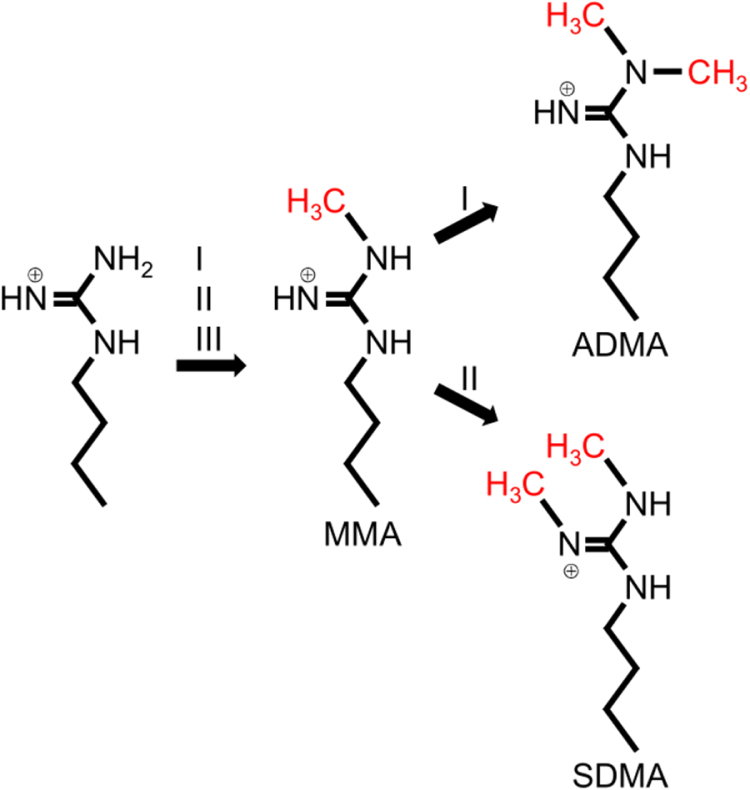 Figure 1
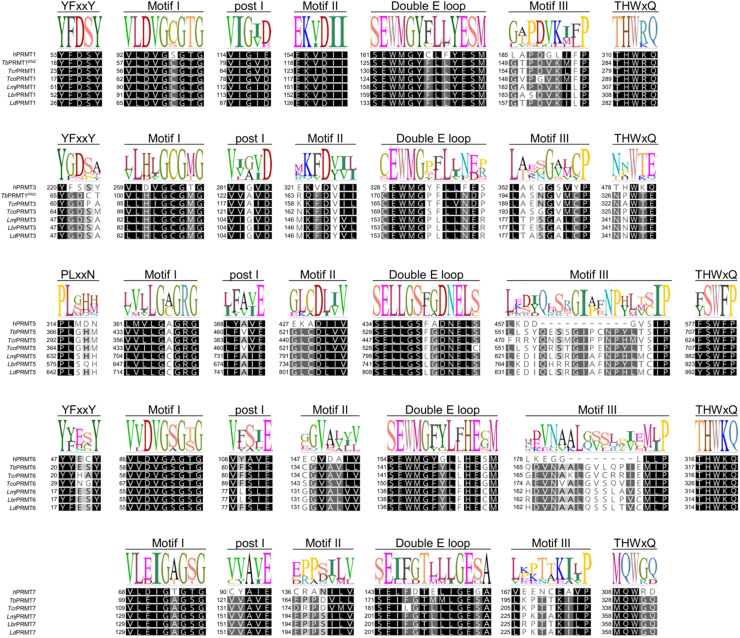 Figure 2
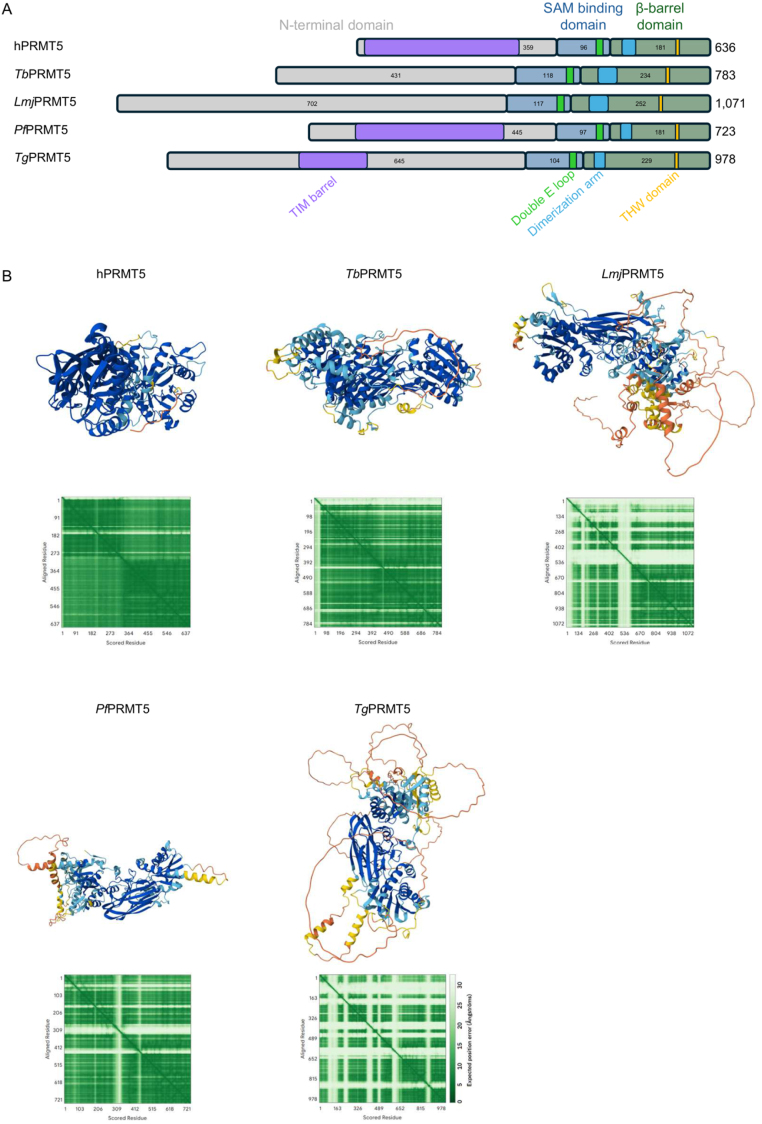 Figure 3
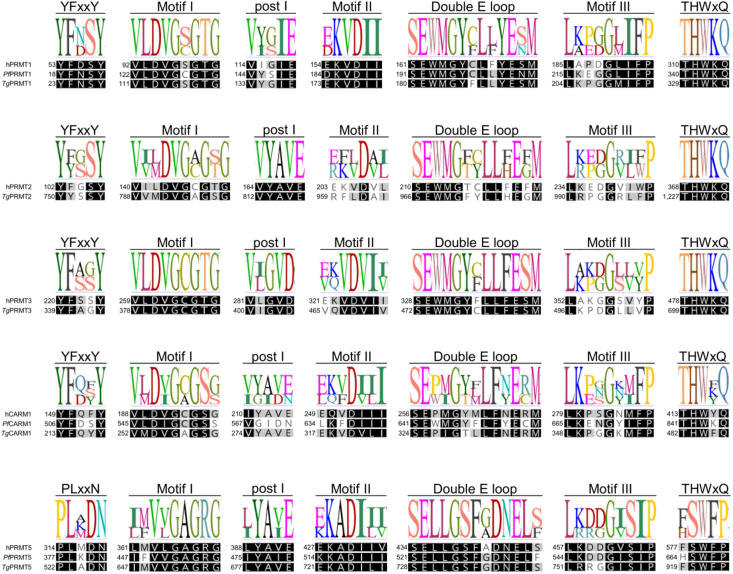 Figure 4
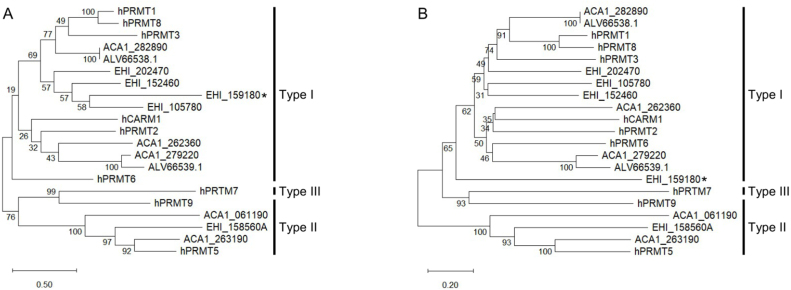 Figure 5
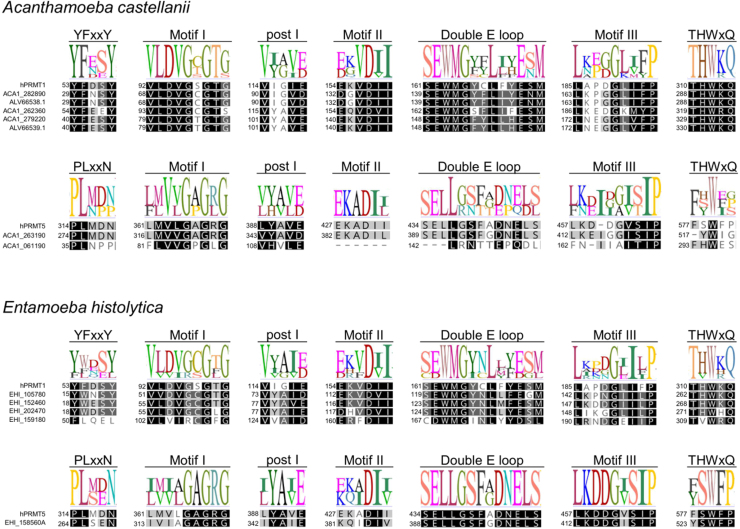 Figure 6
Peer Reviews
No public reviews on file for this paper yet. If you reviewed it on a platform where reviews are public (OpenReview, ICLR, NeurIPS, ICML), you can paste yours below so the community can read it here.
Videos
No videos yet. Explain this paper in a talk, walkthrough, or lecture? Add one.
Taxonomy
TopicsCancer-related gene regulation · Cancer Research and Treatments · Virus-based gene therapy research