VapA/Scs2 sustains polarized growth in Aspergillus nidulans by maintaining AP-2-mediated apical endocytosis
Xenia Georgiou, Sofia Politi, Sotiris Amillis, George Diallinas

TL;DR
The protein VapA is essential for polarized growth in the fungus Aspergillus nidulans by maintaining proper endocytosis and lipid organization at the hyphal tip.
Contribution
This study identifies VapA as a critical factor for polarized growth by maintaining AP-2-mediated endocytosis and lipid domain organization in fungal hyphae.
Findings
VapA is the only essential protein among ER–PM contact site candidates for normal fungal growth.
Loss of VapA disrupts the polarized localization of apical cargoes like DnfA/B and SynA.
VapA deletion correlates with mislocalization of AP-2 and altered membrane lipid partitioning.
Abstract
Growth of filamentous fungi is highly polarized requiring the coordinated apical delivery of cell wall components and plasma membrane (PM) material, primarily lipids and proteins, to hyphal tips via conventional vesicular secretion. Fungal growth also requires the tight coordination of exocytosis (secretion) with endocytosis and recycling of proteins and lipids, which occurs in a defined region behind the growing tip known as the endocytic collar. Here, we genetically characterized proteins tentatively implicated in the formation of endoplasmic reticulum–plasma membrane (ER–PM) contact sites, including Scs2/VAP, tricalbins and Ist2 homologues, in Aspergillus nidulans. We showed that among these proteins, only the single Scs2/VapA homologue is essential for normal fungal growth, and this requirement is due to the critical role of VapA in maintaining the polarized localization of apical…
Genes, proteins, chemicals, diseases, species, mutations and cell lines named across the full text — each resolved to its canonical identifier and authoritative record.
Click any figure to enlarge with its caption.
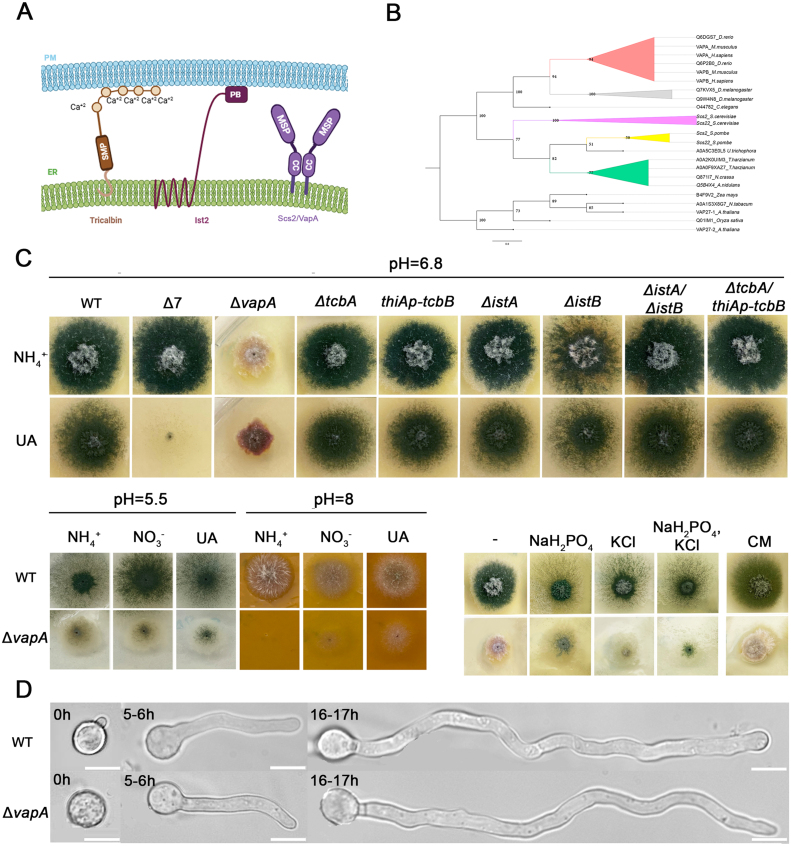 Figure 1
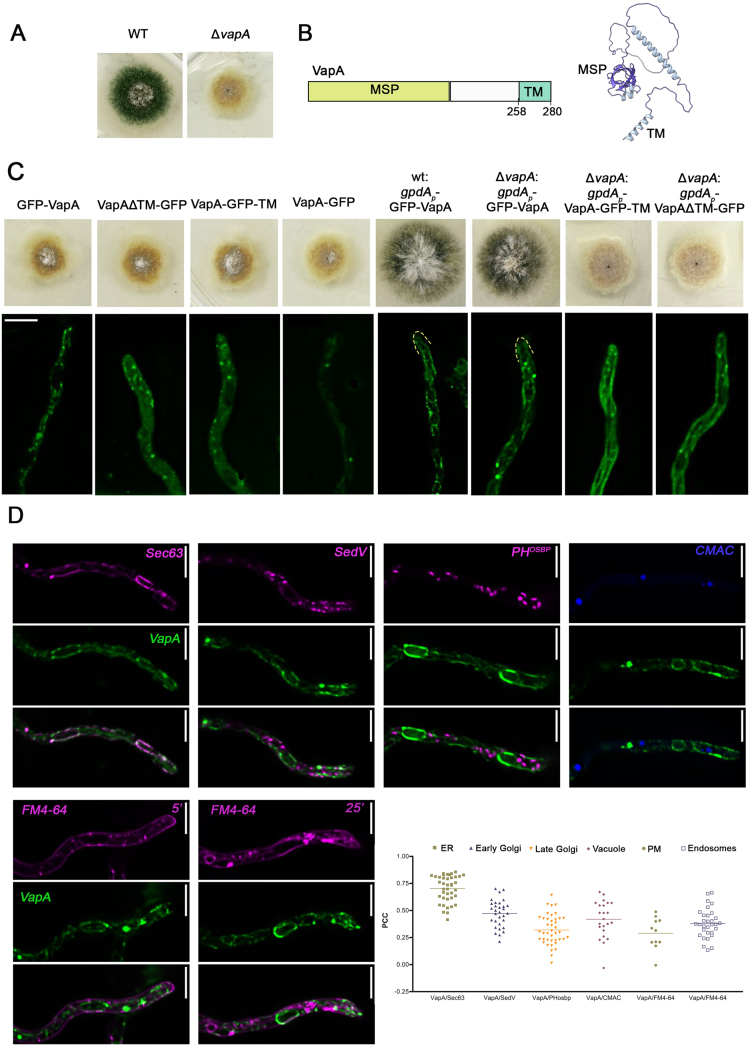 Figure 2
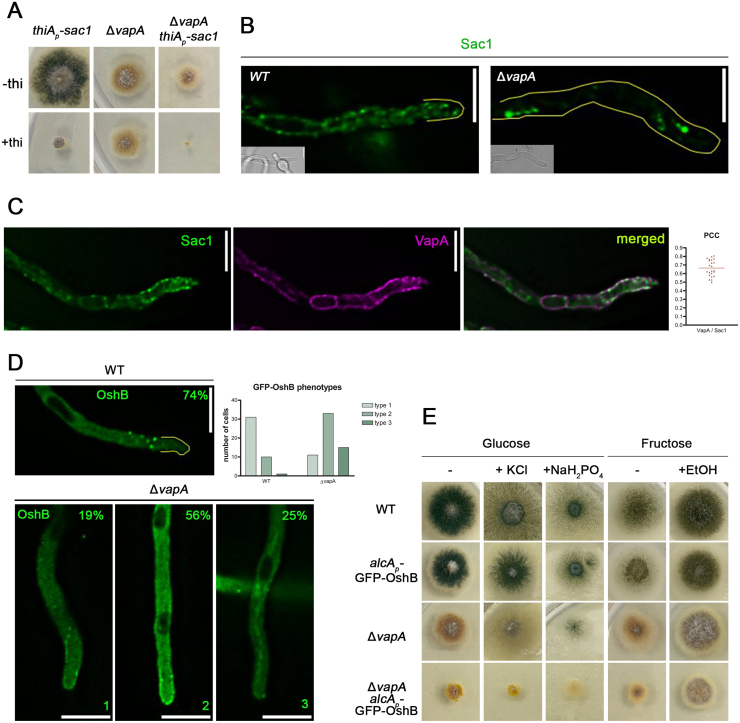 Figure 3
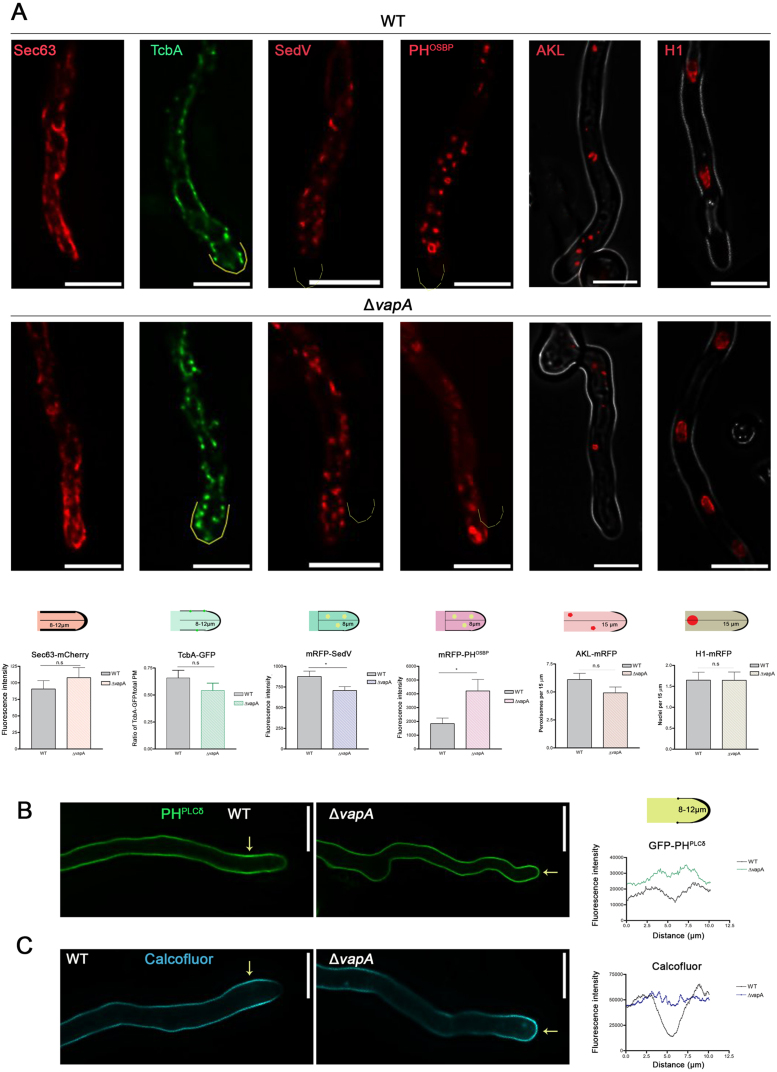 Figure 4
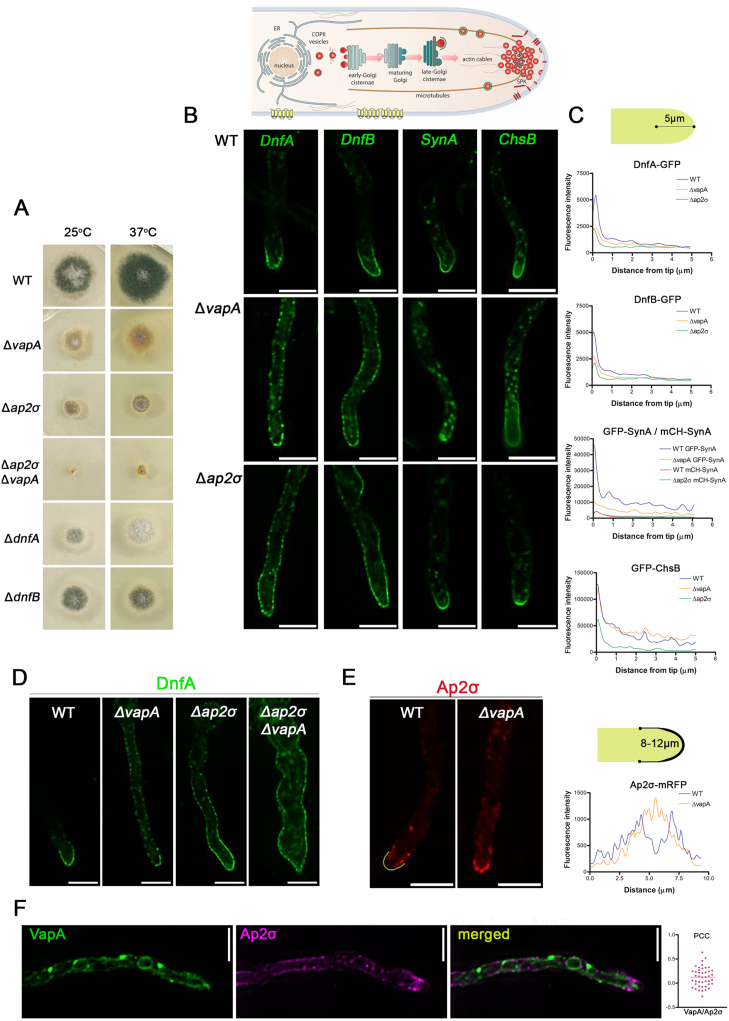 Figure 5
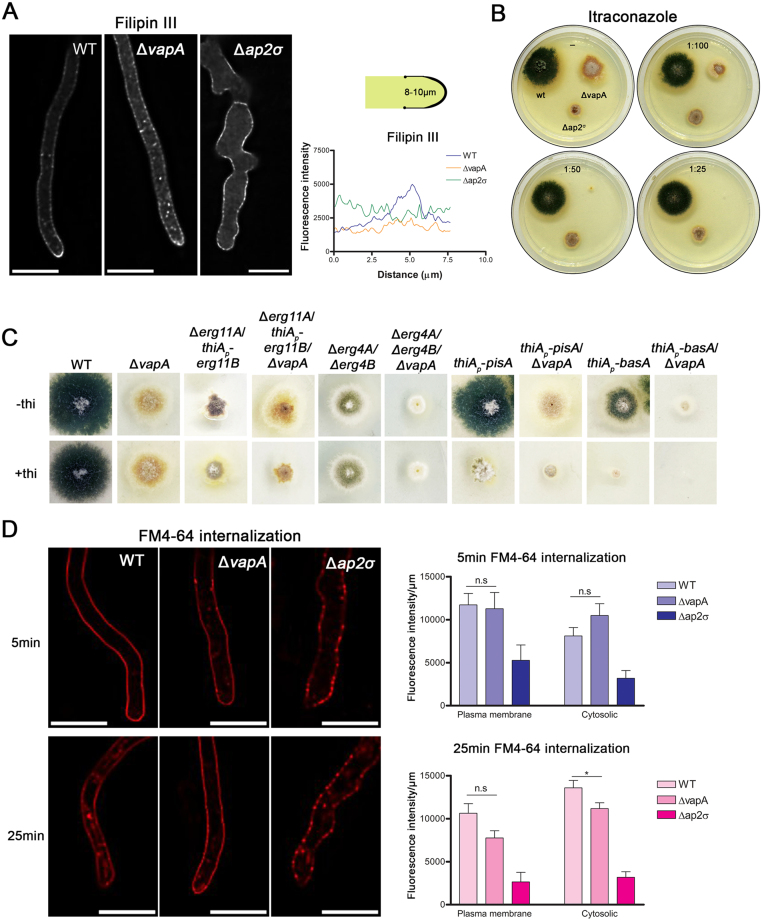 Figure 6
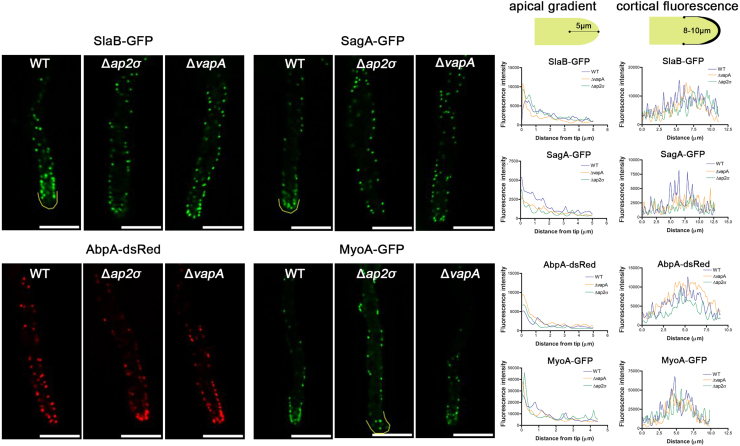 Figure 7
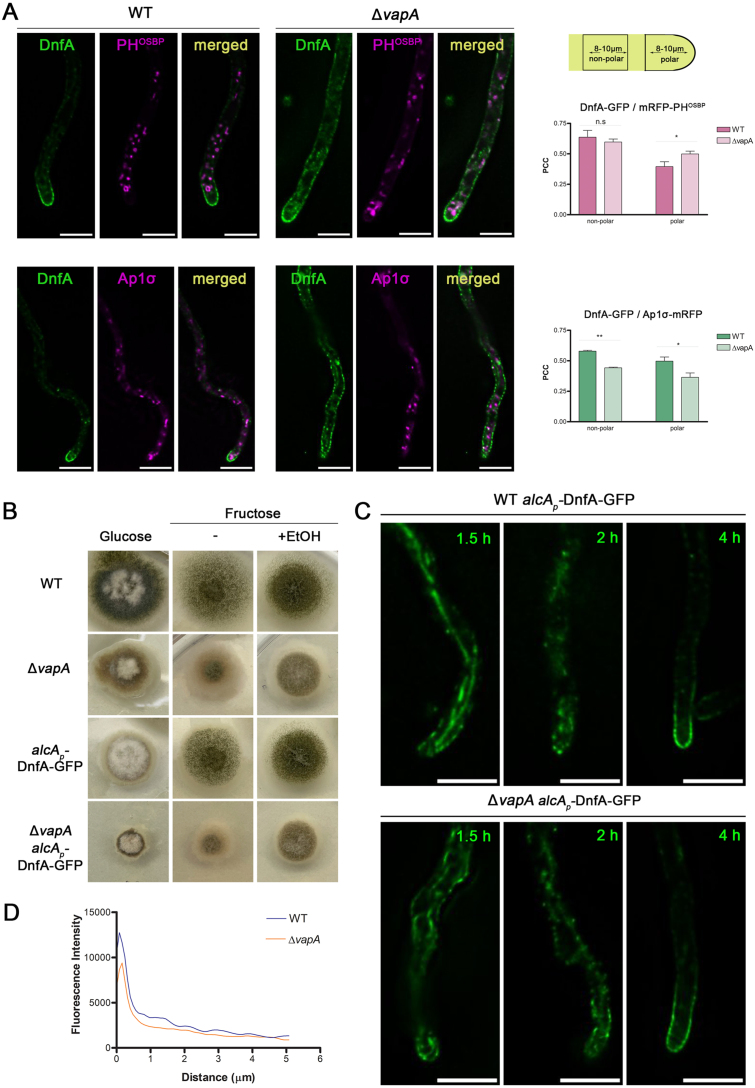 Figure 8
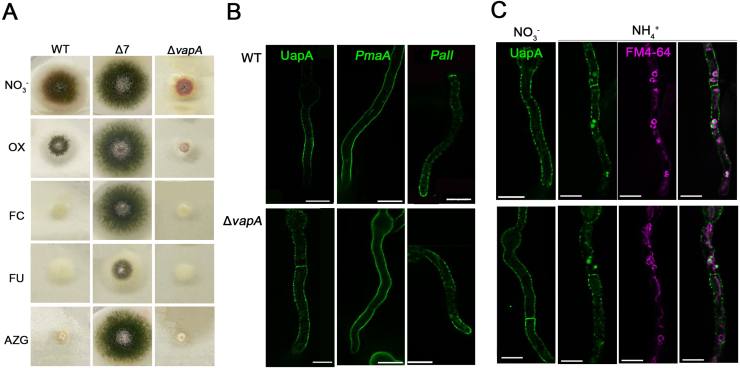 Figure 9
Peer Reviews
No public reviews on file for this paper yet. If you reviewed it on a platform where reviews are public (OpenReview, ICLR, NeurIPS, ICML), you can paste yours below so the community can read it here.
Videos
No videos yet. Explain this paper in a talk, walkthrough, or lecture? Add one.
Taxonomy
TopicsFungal and yeast genetics research · Cellular transport and secretion · Bacterial Genetics and Biotechnology