Clinical significance and oncogenic role of ECHDC2 in glioblastoma: a comprehensive analysis based on bioinformatics and in vitro experiments
Shengliang Lin, Tian Wei, Qian Wu, Qingqing Liu, Longyun Hu, Bigui Song, Jiejing Lin, Zewei Zhao, Yi Cai, Xiaoxiao Li, Zhonghan Yang, Chengming Li, Xiping Hu

TL;DR
This study shows that high ECHDC2 levels are linked to worse outcomes in glioblastoma and that ECHDC2 promotes cancer growth and spread in lab experiments.
Contribution
The study is the first to demonstrate ECHDC2's oncogenic role in glioblastoma through bioinformatics and in vitro validation.
Findings
High ECHDC2 expression correlates with poor survival and aggressive features in glioblastoma patients.
ECHDC2 knockdown reduces GBM cell proliferation and migration, while overexpression increases it.
ECHDC2 is linked to immune cell infiltration and the PI3K/Akt signaling pathway in tumor progression.
Abstract
Growing evidence implicates enoyl-CoA hydratase domain-containing protein 2 (ECHDC2) in oncogenesis, yet its role in glioblastoma (GBM) remains undefined. We aimed to clarify the pathological significance and molecular mechanisms of ECHDC2 in GBM. Gene-expression profiles from The Cancer Genome Atlas (TCGA) and Gene Expression Omnibus (GEO) databases were analyzed. Kaplan–Meier curves were used to evaluate the prognostic value of ECHDC2. Immune cell infiltration was quantified using CIBERSORT, single-sample gene-set enrichment analysis (ssGSEA), and ESTIMATE algorithms. Spearman’s correlation analysis was applied to assess the associations between ECHDC2 expression levels, immune checkpoint molecules, and immune cell subsets. To elucidate the functional relevance of ECHDC2, Gene Ontology (GO), Kyoto Encyclopedia of Genes and Genomes (KEGG), and gene-set enrichment analyses (GSEA) were…
Genes, proteins, chemicals, diseases, species, mutations and cell lines named across the full text — each resolved to its canonical identifier and authoritative record.
Click any figure to enlarge with its caption.
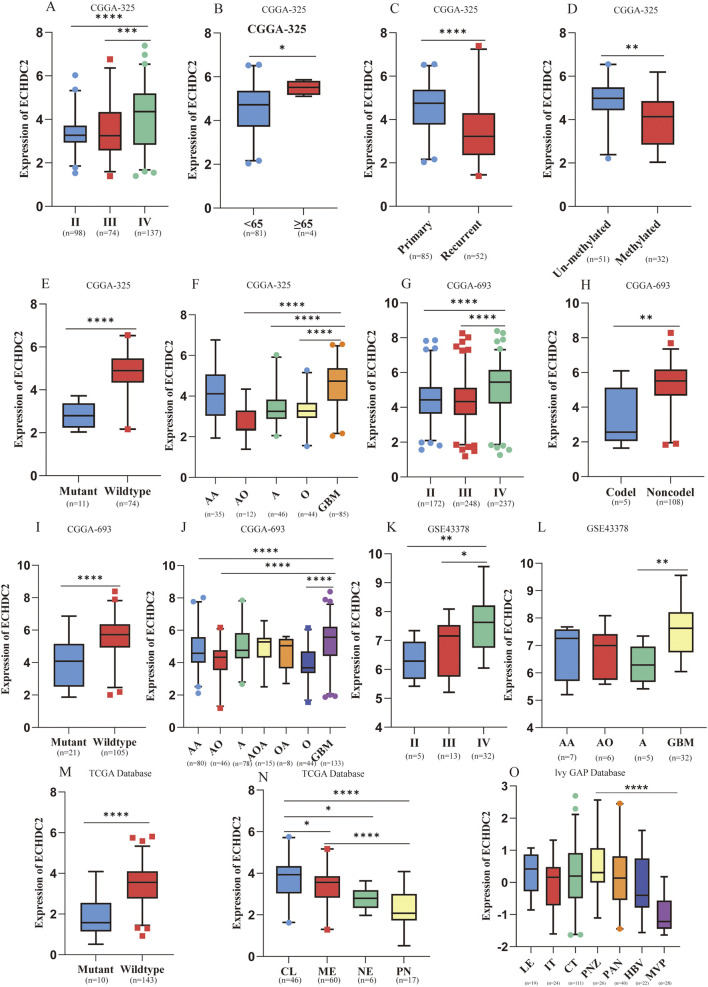 Figure 1
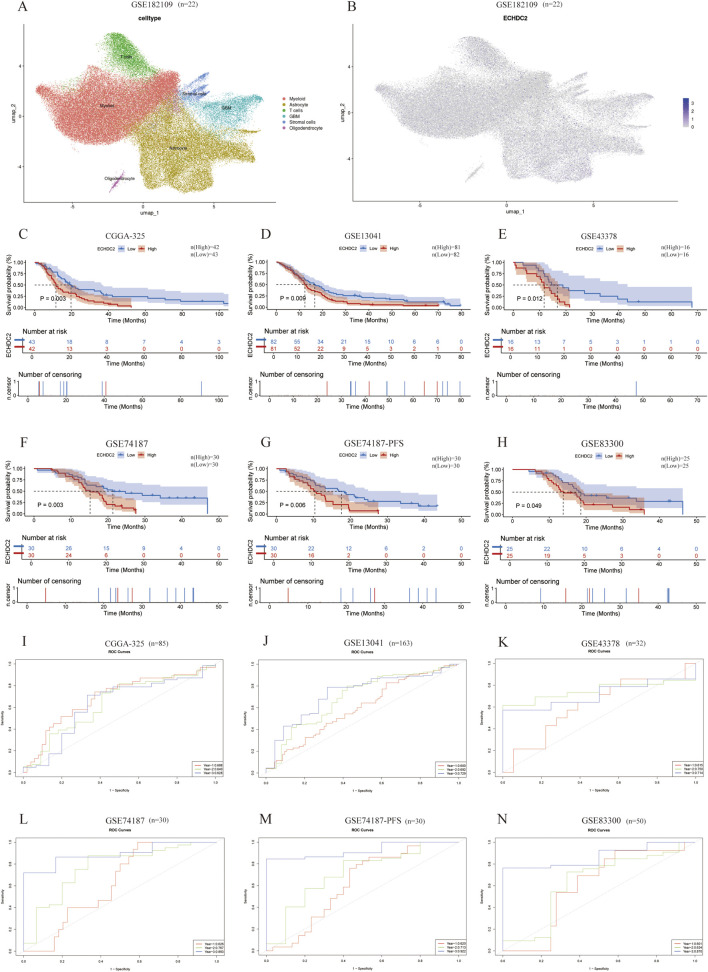 Figure 2
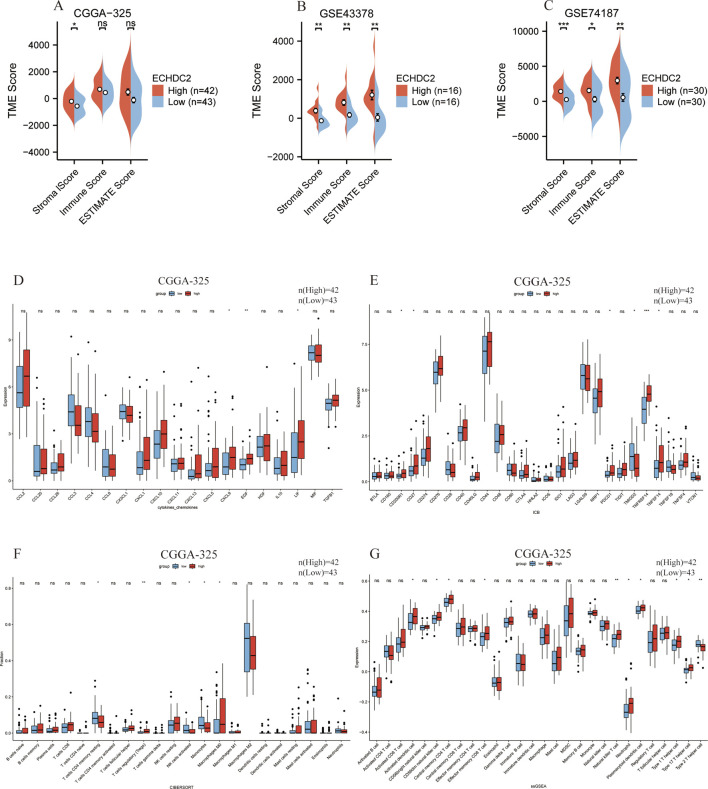 Figure 3
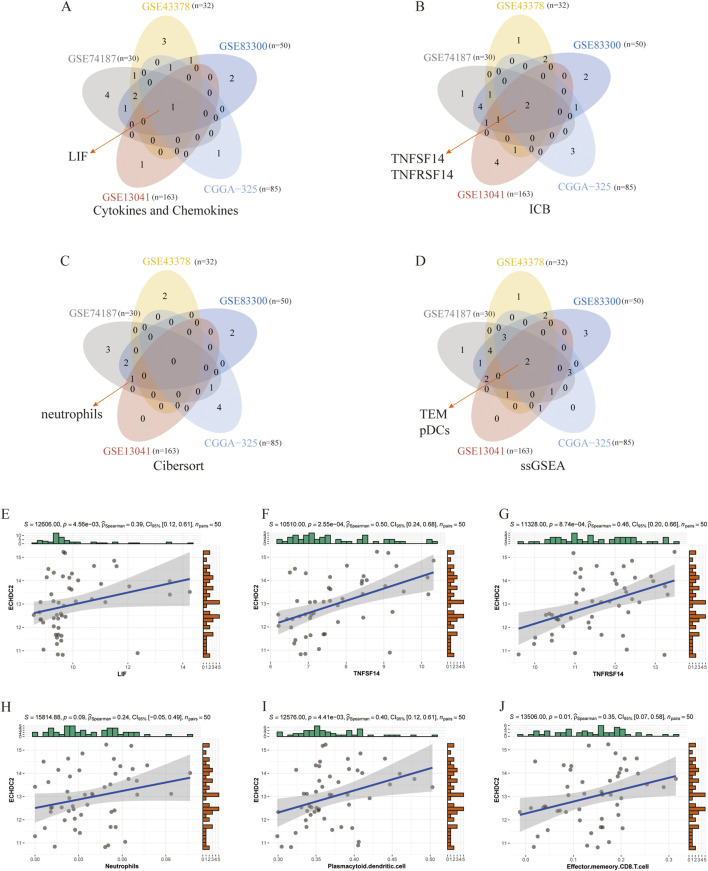 Figure 4
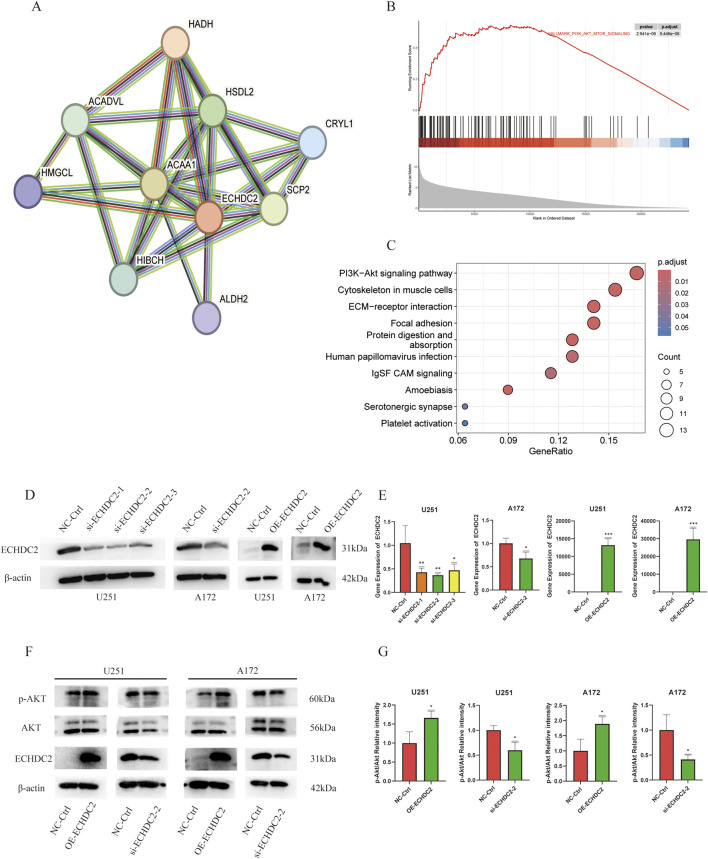 Figure 5
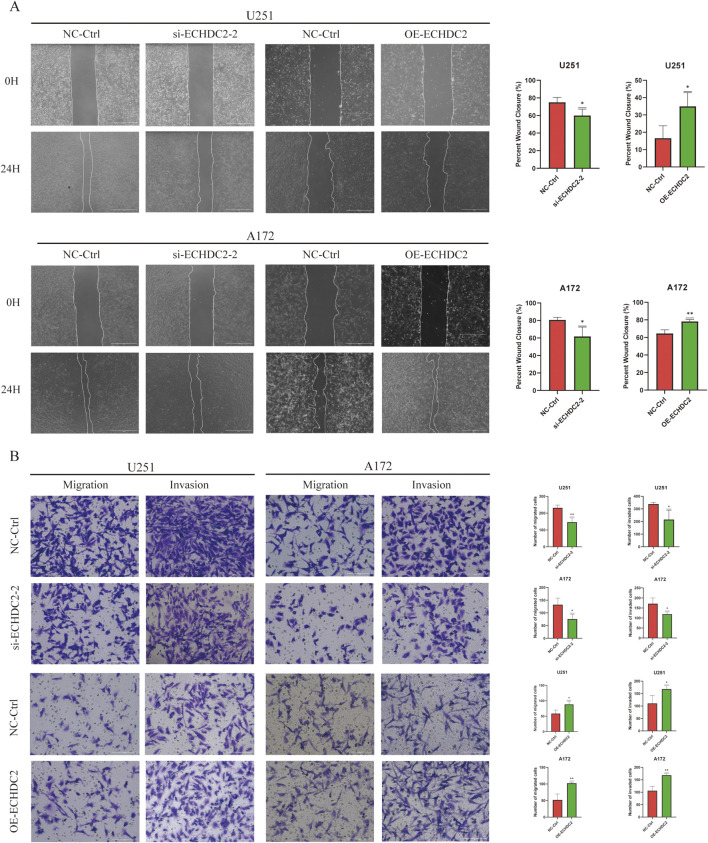 Figure 6
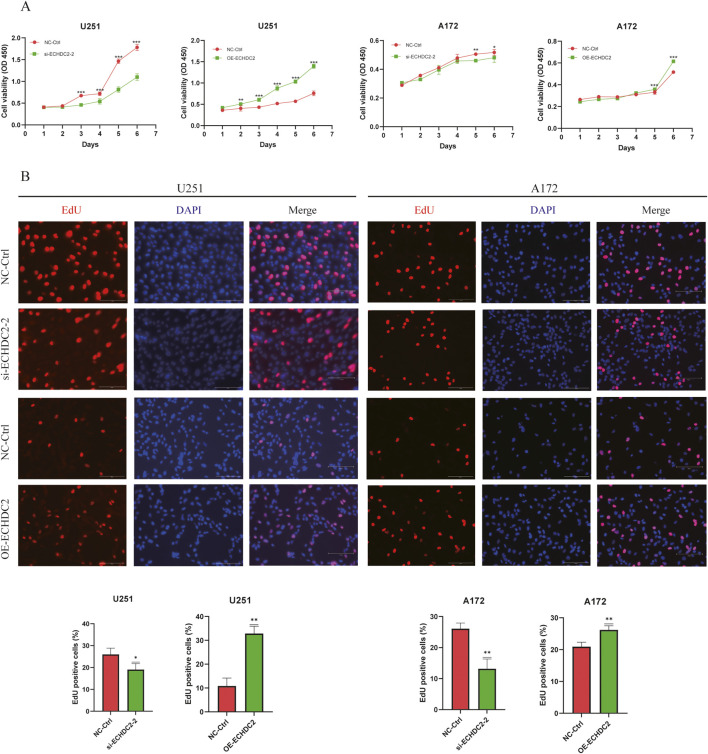 Figure 7
Peer Reviews
No public reviews on file for this paper yet. If you reviewed it on a platform where reviews are public (OpenReview, ICLR, NeurIPS, ICML), you can paste yours below so the community can read it here.
Videos
No videos yet. Explain this paper in a talk, walkthrough, or lecture? Add one.
Taxonomy
TopicsFerroptosis and cancer prognosis · Glioma Diagnosis and Treatment · Cancer, Hypoxia, and Metabolism